
Turtle Doves in Shakespeare: Love, Fidelity and The Winter’s Tale

Turtle doves carried strong associations with paired love, fidelity and mourning long before Shakespeare, and he draws on that tradition in plays and poems. The bird can represent lovers joined together, a widowed partner, or an ideal of constancy that a comic or unfaithful character fails to meet.
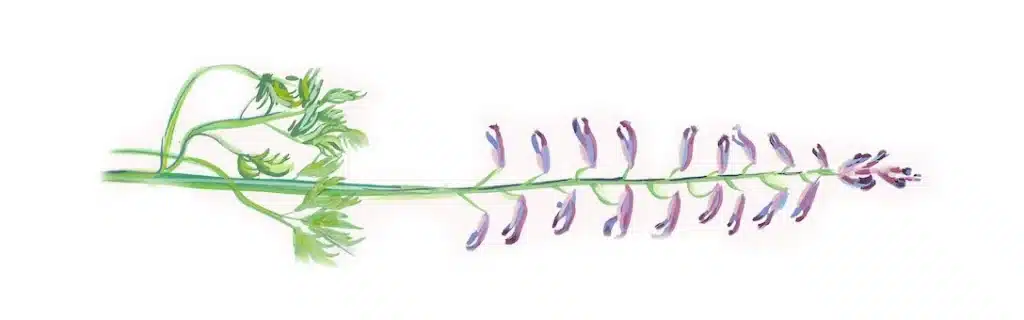
The Folger Shakespeare Library’s turtle dove study traces the bird’s romantic associations across Shakespeare and explains why exact counts are difficult when a text simply says “dove.”
Why turtle doves became symbols of love
Turtle doves were associated in European tradition with pair bonding, courtship and fidelity. Their recurring appearance as pairs made them convenient emblems for lovers.
Shakespeare inherits that symbolism rather than inventing it from scratch.
The Winter’s Tale: “So turtles pair”
In The Winter’s Tale, Florizell compares himself and Perdita to paired turtles. The image supports an ideal of lovers who intend not to part.
The Folger text of The Winter’s Tale places the comparison during the lovers’ courtship, where pair-bond imagery reinforces Florizell’s devotion.
Paulina as “an old turtle”
Near the end of the play, Paulina uses the turtle image very differently. She imagines herself as an old turtle mourning a mate who will never return.
The same bird that can symbolize joined lovers can therefore symbolize fidelity after separation and death.
Love and mourning are connected
The emotional logic is straightforward: if the turtle dove represents devoted pairing, then losing the mate produces an image of lasting grief.
That is why the symbol can move easily between romance and mourning.
The Phoenix and the Turtle
Shakespeare’s poem The Phoenix and the Turtle gives the turtle dove an even more elevated role. The poem imagines an idealized union between the phoenix and turtle whose deaths become associated with truth, beauty and chastity.
The “turtle” in the title is a turtle dove, not the reptile.
Why modern readers can misunderstand “turtle”
Today, “turtle” normally brings a shelled reptile to mind. In early modern poetry, “turtle” can mean turtle dove.
Context is therefore essential when reading Shakespeare.
Doves are not always turtle doves
Not every occurrence of the word “dove” identifies the same species. Shakespeare’s language can refer to different doves or use the word more generally.
That is why a simple word search cannot produce a perfectly reliable species count.
Folger’s counting problem
The Folger’s bird project notes that “dove” can point to several members of the dove family. Context, symbolism and historical natural history all help determine whether a specific passage plausibly refers to a turtle dove.
The bird as an emblem of fidelity
When Shakespeare invokes turtle doves around lovers, the audience brings an existing cultural tradition to the image.
The bird does not need a long explanation inside the play because its emblematic value was already recognizable.
Irony in comedy
Shakespeare can also use the ideal of faithful turtle doves to sharpen a joke about characters who are anything but faithful.
The symbol becomes a measuring stick: human behavior can be compared with an idealized pair bond and found wanting.
The Merry Wives of Windsor
Comic references to “turtles” can work because audiences know the bird’s reputation for chastity and devotion. A character can then twist or mock that ideal.
Troilus and Cressida
A play concerned with unstable love and fidelity creates fertile ground for dove imagery. The traditional emblem becomes especially pointed when human promises prove unreliable.
Venus and Adonis
Doves are associated with Venus in classical and Renaissance imagery. Shakespeare’s use of doves around Venus participates in that broader tradition of love, desire and divine association.
Natural history and symbolism
Literary symbolism often grows from observations of animal behavior, but it should not be treated as a scientific claim that every turtle dove forms a lifelong unbroken pair bond.
Folklore simplifies nature into emblems; literature then uses those emblems for emotional meaning.
Migration and spring
European Turtle Doves are migratory, and their seasonal return contributed to associations with spring, renewal and courtship.
That seasonal imagery sits comfortably beside poetry about lovers and fertility.
What species is the European Turtle Dove?
The European Turtle Dove is Streptopelia turtur. It is a slender migratory dove with patterned wings and a distinctive neck patch.
The biological species helps modern readers visualize the bird, but interpretation still depends on the specific Shakespeare passage.
Conservation is a modern layer
European Turtle Doves have experienced serious population declines in parts of their range. That modern conservation context can make contemporary readers experience the bird differently.
It should not be retrofitted into Shakespeare’s original symbolism unless the assignment specifically asks for a modern ecological reading.
How to write about the turtle dove in an essay
Begin with the passage, then identify the traditional association that best fits it.
- For Florizell and Perdita: paired love and intended constancy.
- For Paulina: fidelity expressed through mourning.
- For The Phoenix and the Turtle: idealized union, truth and chastity.
Do not claim every dove reference carries exactly the same meaning.
Why the symbol survives
The turtle dove gives Shakespeare a compact emotional vocabulary. A single bird can suggest a pair, a vow, a lost mate or an ideal of fidelity against which human behavior is judged.
Compare the turtle dove with Shakespeare’s other birds
The turtle dove works very differently from the osprey in our Coriolanus guide or the starling in our Henry IV guide. The osprey depends on predation, the starling on mimicry, and the turtle dove on a long cultural tradition of paired love.
Comparing them helps show why “bird symbolism in Shakespeare” should never be treated as one generic category.
Paulina’s image is especially important
Paulina’s final comparison to an old turtle gives the bird emotional weight because it appears after reunion and restoration have benefited other characters. Her own loss remains.
The image prevents the ending from becoming uncomplicated celebration. Even in a scene of recovery, fidelity can still mean continuing grief.
Ideal love versus human behavior
Shakespeare can use the turtle dove as an ideal precisely because people often fail to match it. Constancy becomes more visible when placed beside jealousy, betrayal, comic lust or unstable promises.
This flexibility explains why the same bird can appear meaningfully in romance, tragedy, comedy and poetry.
Why the symbol remains readable today
Modern readers may not know all the emblem-book traditions familiar to an early modern audience, but the idea of paired birds still communicates intimacy and companionship. Historical context deepens the image without making it inaccessible.
For students, the safest interpretation is to connect pair imagery to the immediate relationship in the scene and then use the older tradition of fidelity as supporting context.
Symbol and species should stay separate
The literary turtle dove is shaped by cultural tradition, while the biological bird has its own ecology and conservation history. Good interpretation respects both without turning folklore into zoology or modern science into an explanation Shakespeare could not have intended.
Bottom line
Shakespeare uses turtle doves as flexible emblems of love, fidelity and mourning. In The Winter’s Tale, paired turtles help express Florizell and Perdita’s devotion, while Paulina’s “old turtle” image turns the same tradition toward widowhood and grief. The strongest interpretation always begins with the specific passage rather than assuming every “dove” in Shakespeare means the same species or symbol.

0 comments