
Rabbit Care Guide: Housing, Diet, Enrichment and Health
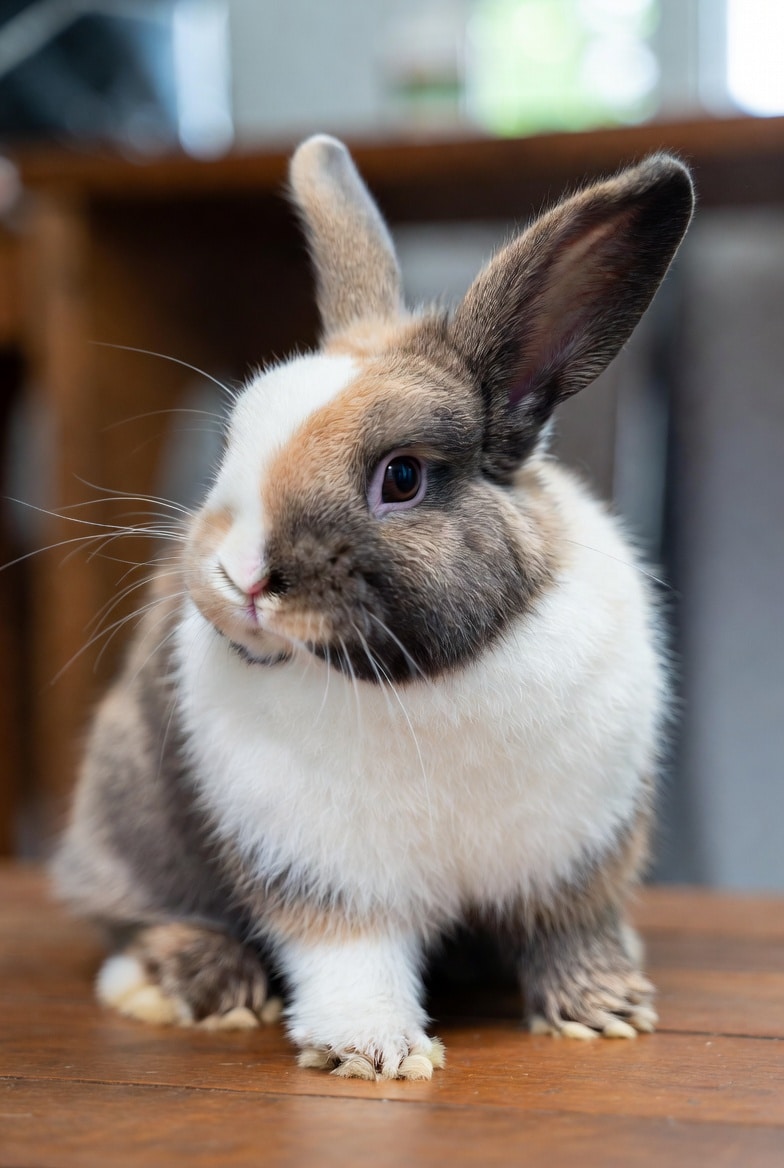
Rabbit care works best when housing, diet, movement and health are treated as one system
Rabbits are not low-maintenance cage pets. Their teeth grow continuously, their digestive system depends on a high-fibre diet, their feet need supportive flooring, and their behaviour reflects a strong need to chew, dig, hide, explore and move. Good rabbit care therefore starts with the whole environment rather than one product or one feeding rule.
Current veterinary guidance from the Merck Veterinary Manual emphasizes roomy housing, daily exercise, safe chewing opportunities, fresh water and protection from heat. This guide brings those decisions together and then links to PetsFilled’s more detailed rabbit pages where a narrower question needs its own answer.
Rabbit care quick-check tool
Swipe horizontally to view the full table.
| Area | What good care should include |
|---|---|
| Diet | Unlimited grass hay for most adult rabbits, appropriate pellets, fresh greens and constant access to water. |
| Housing | Enough space to stretch, stand, hop and rest on comfortable, non-slip surfaces. |
| Exercise | Daily movement outside a small resting enclosure in a rabbit-proofed area. |
| Companionship | Social contact, with bonding handled carefully when keeping rabbits together. |
| Enrichment | Safe chewing, digging, hiding, foraging and exploration opportunities. |
| Health monitoring | Daily attention to appetite, droppings, posture, movement and behaviour. |
Diet: hay is the foundation
Rabbits are herbivores with a digestive system built around fibre. Merck’s current rabbit diet guidance states that healthy adult diets should be dominated by grass hay, with pellets and fresh vegetables making up a smaller part of the ration. Hay supports gut movement and also helps provide the long chewing time that rabbit teeth need.
PetsFilled’s rabbit diet guide explains hay, leafy greens, pellets and treats in more detail. The practical rule is simple: do not let treats or pellet mixes displace the high-fibre foods the rabbit’s digestive system depends on.
Water should always be available
Rabbits can drink a surprising amount for their size. Merck notes that some rabbits consume more water from a bowl than from a bottle. A heavy bowl can therefore be a good option when it stays clean and cannot be tipped, while bottles can still work when they are checked frequently for blockage or leakage.
Reduced drinking, reduced urination or a sudden change in water intake can be useful health clues. Do not treat hydration changes as a minor husbandry detail if they accompany poor appetite or abnormal droppings.
Housing should allow normal rabbit movement
A rabbit should be able to stand upright, stretch out fully, turn comfortably and make several hops without hitting the enclosure walls. Small hutches that function only as sleeping boxes are not enough for full-time living.
PetsFilled’s rabbit housing guide covers space, flooring, hideouts and exercise in detail. Whatever setup you use, the floor should provide secure footing and a comfortable resting area rather than forcing the rabbit to live on hard or abrasive wire.
Heat is a bigger risk than many new owners expect
Rabbits are particularly vulnerable to heat stress. Merck notes that hot, humid conditions can become dangerous, especially in poorly ventilated hutches, vehicles or sun-exposed enclosures.
PetsFilled’s rabbit heat-stress guide explains warning signs and emergency response. Shade, airflow and temperature control are not optional extras during warm weather.
Rabbit-proof the home before free-roam time
Electrical wires, houseplants, carpet edges, baseboards and furniture can all become chewing targets. Chewing is normal rabbit behaviour, so the goal is not to punish it but to remove dangerous options and provide safer alternatives.
Supervised free-roam or pen time should happen in an area where the rabbit cannot reach toxic plants, cords or narrow spaces that make retrieval difficult.
Chewing and enrichment are health needs
Rabbits need opportunities to chew, forage, dig, hide and explore. Cardboard, untreated willow, hay-stuffed tubes, digging boxes and forage-based feeding can make the environment more interesting without relying on sugary treats.
PetsFilled’s rabbit enrichment guide provides practical enrichment ideas and explains how to avoid unsafe toy materials.
Litter training is realistic for many rabbits
Rabbits often choose preferred toilet areas, which makes litter training practical. Place a generous litter box where the rabbit naturally eliminates and put hay beside or above the box so the rabbit can eat while using it.
Use rabbit-safe litter rather than clumping cat litter. PetsFilled’s rabbit litter-training guide covers box size, hay placement and troubleshooting.
Companionship can improve welfare, but bonding should be controlled
Rabbits are social animals, yet unfamiliar adults can fight seriously if introductions are rushed. Neutering status, territory and individual personality all affect bonding.
PetsFilled’s rabbit bonding guide explains neutral-space introductions, supervision and why putting unfamiliar rabbits together and letting them work it out is a poor strategy.
Handling must protect the spine
Rabbits have powerful hind legs and relatively delicate spines. Support the hindquarters when lifting and hold the rabbit securely against your body. Never lift a rabbit by the ears.
Many rabbits prefer interaction at floor level. Training the rabbit to approach voluntarily for food or gentle touch is often less stressful than repeated lifting.
Teeth are a daily care issue, not just a veterinary issue
Rabbit teeth grow continuously. Hay and other appropriate fibrous foods support normal chewing and wear, but dental disease can still occur through genetics, jaw shape, trauma or other problems.
PetsFilled’s rabbit dental-care guide explains warning signs such as reduced appetite, drooling, selective eating, facial swelling and weight loss.
Appetite and droppings are critical health signals
A rabbit that suddenly stops eating or produces far fewer droppings can become seriously ill quickly. Gastrointestinal stasis is not something to watch for several days at home.
PetsFilled’s GI stasis guide explains early signs, urgency and common contributing factors. A rabbit that refuses food, seems painful, is bloated or becomes unusually quiet needs prompt veterinary attention.
Daily health observation tool
- Did the rabbit eat hay normally?
- Are droppings present and normal in size and quantity?
- Is the rabbit moving comfortably?
- Is posture relaxed rather than hunched?
- Are eyes and nose clean?
- Is the rear end clean and dry?
- Is breathing quiet and normal?
- Has water intake changed suddenly?
Spaying and neutering matter for both management and health
Neutering can reduce reproductive behaviours and makes bonding easier in many pairs. In females, spaying is also commonly recommended because uterine disease is a significant concern as rabbits age.
Discuss timing with a rabbit-experienced veterinarian rather than using a generic age rule.
Find a rabbit-experienced veterinarian before there is an emergency
Not every small-animal clinic has the same level of rabbit experience. Identify a clinic that regularly treats rabbits and know which emergency service accepts them after hours.
This is especially important because rabbits often hide illness until disease is advanced.
Grooming, nails and sore hocks
Brush as needed for coat type and shedding level, trim nails before they become overgrown, and check the feet regularly. Long-haired rabbits need more frequent coat care, while overweight rabbits and rabbits on poor flooring may be at greater risk of foot problems.
Do not routinely bathe rabbits. Spot-clean soiled areas and investigate why the rabbit is becoming dirty rather than repeatedly wetting the coat.
What new owners should avoid
- Small full-time hutches with little exercise space.
- Low-fibre diets dominated by treats or muesli-style mixes.
- Clumping litter or dusty bedding.
- Outdoor housing without protection from heat and predators.
- Forced bonding between unfamiliar rabbits.
- Ignoring reduced appetite because the rabbit is still nibbling.
The practical bottom line
Good rabbit care is built around fibre, space, movement, social needs, enrichment and close daily observation. The strongest setup is not the most expensive one; it is the one that lets the rabbit behave normally while making changes in appetite, droppings, posture and movement easy to notice. Use this page as the broad rabbit-care hub, then follow the linked specialist guides when you need deeper help with diet, housing, litter training, bonding, dental care, heat or GI stasis.

0 comments