
Rabbit Diet Guide: Hay, Leafy Greens, Pellets and Treats
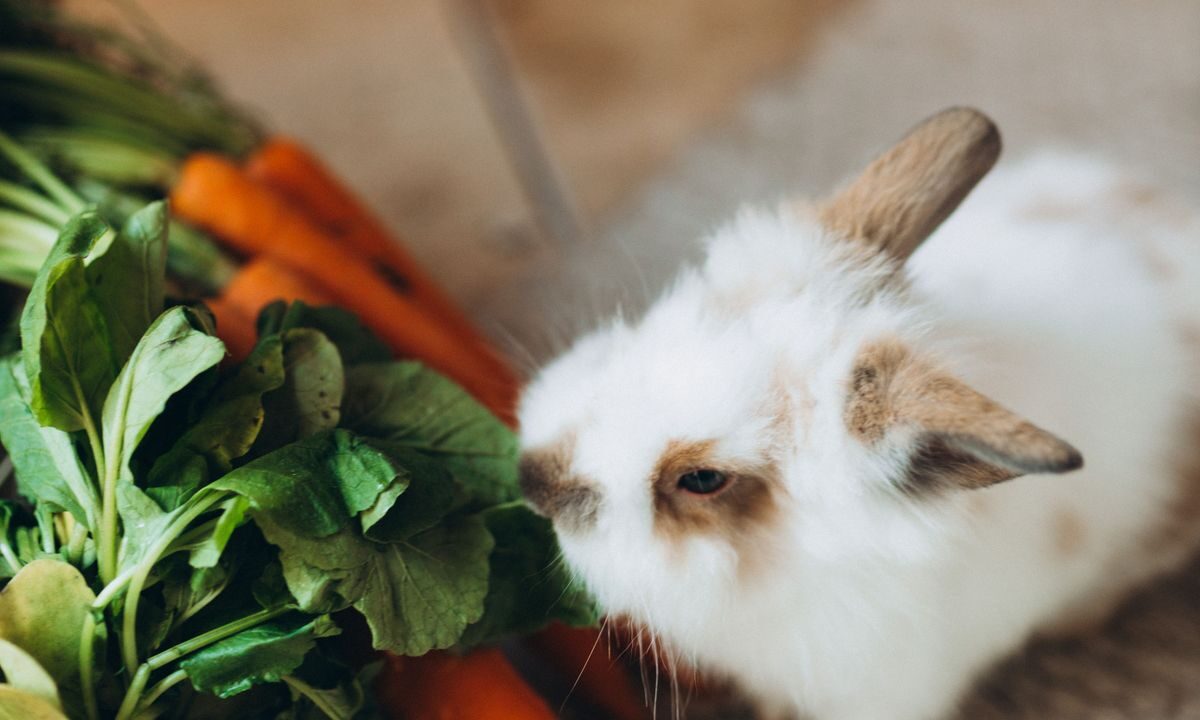
A healthy adult rabbit diet is built around grass hay, not bowls of pellets, colorful seed mix or unlimited fruit. High-fiber forage supports both gastrointestinal movement and the continuous chewing rabbits need for dental wear.
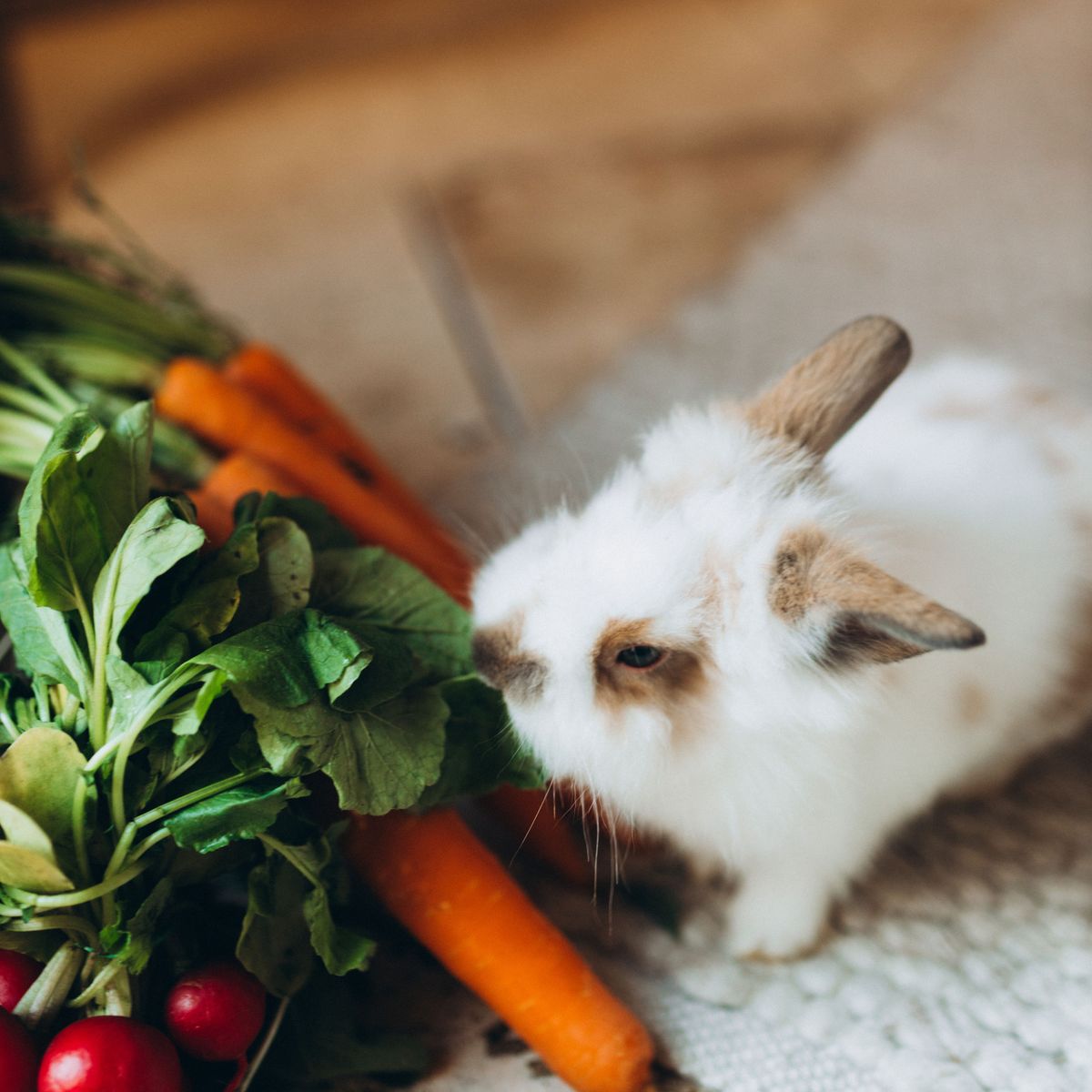
Hay is the foundation
Rabbit.org recommends unlimited grass hay as the dominant part of the adult rabbit diet. Timothy, orchard and other suitable grass hays can be offered freely.
Why hay matters
Long-stem fiber supports gut motility and requires prolonged chewing. The House Rabbit Society’s hay guidance also links a forage-rich diet with natural grazing behavior and dental wear.
Leafy greens add variety and moisture
Offer a rotation of rabbit-safe leafy greens and introduce new foods gradually. Sudden large changes can upset digestion.
Pellets should be measured
Plain high-fiber pellets can contribute vitamins and nutrients, but unlimited pellets are calorie-dense and can displace hay. Avoid “gourmet” mixes containing seeds, nuts and colorful cereal pieces.
Treats are genuinely optional
Fruit and carrot are much sweeter than hay and greens. Use tiny portions rather than daily handfuls. Rabbit.org recommends treating extras as a small part of the total diet.
Fresh water always
Provide clean water continuously. Bowls are often easy for rabbits to drink from naturally, though the best setup is the one that remains clean and reliably accessible.
Baby, pregnant and medically complex rabbits differ
Young growing rabbits, nursing mothers, seniors with weight loss and rabbits with kidney or dental disease may need a modified feeding plan. Do not apply an adult-maintenance chart to every rabbit.
Watch droppings and appetite
Changes in fecal size or quantity can be an early warning that intake or gastrointestinal movement has changed. A rabbit that stops eating or producing droppings needs urgent veterinary attention.
Common feeding mistakes
- too many pellets;
- seed/grain mixes;
- large daily fruit portions;
- too little hay;
- abrupt diet changes;
- assuming “rabbit treats” are nutritionally useful.
For appetite emergencies, see our rabbit GI stasis guide. For breed-specific grooming and housing, use our Lionhead Rabbit guide.
Choose hay by quality, not by one brand
Good grass hay should smell fresh, be dry and free of visible mold or excessive dust. Some rabbits prefer one grass type over another, so timothy, orchard or other suitable grass hays can be rotated while keeping fiber intake high.
Pellet labels need the same scrutiny as other pet foods
Look for a plain, uniform high-fiber pellet rather than mixes full of colorful pieces, seeds and dried fruit. The rabbit should not be able to selectively eat only the highest-calorie ingredients.
Introduce greens one at a time
When adding a new leafy green, start with a small amount and watch appetite and stool. Introducing several foods at once makes it harder to identify what caused digestive upset.
Fruit should not become a training staple
Small fruit rewards are highly motivating, but frequent pieces add sugar quickly. Use tiny portions or reserve part of the normal pellet ration for routine training.
Dental disease can change eating style
A rabbit that suddenly prefers pellets and soft greens over hay may have mouth pain. Because hay requires prolonged chewing, selective refusal can be an early reason for a dental examination.
Weight changes need context
Obesity can result from too many pellets and treats, while weight loss can indicate dental, gastrointestinal or systemic disease. Weigh rabbits periodically rather than waiting until body change is visually obvious.
For the broader husbandry context behind feeding decisions, use the Rabbit Care Guide, which connects diet with housing, enrichment, litter habits and daily health monitoring.
Hay should dominate the adult diet
For most healthy adult rabbits, unlimited grass hay is the foundation because it supports both gut movement and prolonged chewing. Pellets and greens should complement hay rather than crowd it out. If the rabbit consistently leaves hay but finishes pellets, that imbalance deserves attention instead of simply offering more concentrated food.
Greens are useful, but variety should be gradual
Leafy greens add moisture and variety, but sudden large changes can upset digestion. Introduce one new green at a time in small amounts and keep the overall diet stable enough that stool changes are easy to interpret.
Pellet amount should match body condition and life stage
Pellets are calorie-dense compared with hay. A rabbit maintaining excess weight may need a more measured portion, while a growing, underweight or medically complex rabbit may need a different plan. Use body condition and veterinary guidance rather than copying one universal scoop size.
Do not let treats replace foraging
Fruit, carrot and commercial treats can quickly become the most exciting part of feeding. Use tiny portions and build enrichment around hay, measured pellets and safe greens so the rabbit still spends time chewing and searching for the foods that support normal digestion.
Watch cecotropes as well as ordinary droppings
Soft clustered cecotropes are normally eaten directly by the rabbit. Finding many uneaten cecotropes can point to obesity, pain, mobility limits, dental trouble or an overly rich diet. Persistent changes deserve investigation rather than simply removing the evidence.
Water intake and diet work together
Fresh water should always be available. Rabbits eating more dry matter may drink more, while rabbits receiving fresh greens take in some water through food. A sudden change in drinking pattern can still be important and should not automatically be blamed on weather or diet.
Senior rabbits need closer weight monitoring
Older rabbits can lose muscle while still looking rounded under thick fur. Regular weighing can reveal a gradual decline that visual inspection misses. Unexplained weight loss deserves a medical workup before assuming the rabbit simply needs more pellets.
Introduce diet changes over several days
Rabbits depend on a stable gut environment, so abrupt changes are unnecessary when there is no medical reason for them. When moving to a different pellet or adding new greens, make one change at a time and watch appetite, stool size and energy.
Hay quality matters as much as hay type
Fresh hay should smell clean and dry, not musty. Very dusty, moldy or damp hay should be discarded. A rabbit that rejects one batch may be objecting to poor quality rather than to hay itself.
Do not use seed mixes as a substitute for pellets
Muesli-style feeds encourage selective eating and often contain high-calorie ingredients that displace hay. A plain, uniform pellet makes it easier to control portions and prevents the rabbit from picking out only favorite pieces.
Use body condition, not appetite alone
Many rabbits are enthusiastic eaters even when they are overweight. Feel over the ribs and spine and track weight over time. If body condition is rising, reducing treats and measuring pellets is usually more useful than restricting hay.
Illness can change diet needs temporarily
Dental disease, surgery, GI illness and chronic conditions may require short-term modifications. Follow the rabbit-experienced veterinarian’s plan, then return gradually to the long-term hay-rich diet when the rabbit is stable.
Keep feeding changes gradual enough that appetite, stool size, hay intake and body weight stay easy to monitor from day to day.
Diet changes after illness should follow the veterinary plan
Recovery foods and syringe-feeding products are useful in specific situations, but they are not substitutes for the rabbit’s normal hay-rich diet once normal eating returns.
0 comments