
Bedding to Avoid for Rabbits: Dusty, Clumping and Unsafe Materials Explained

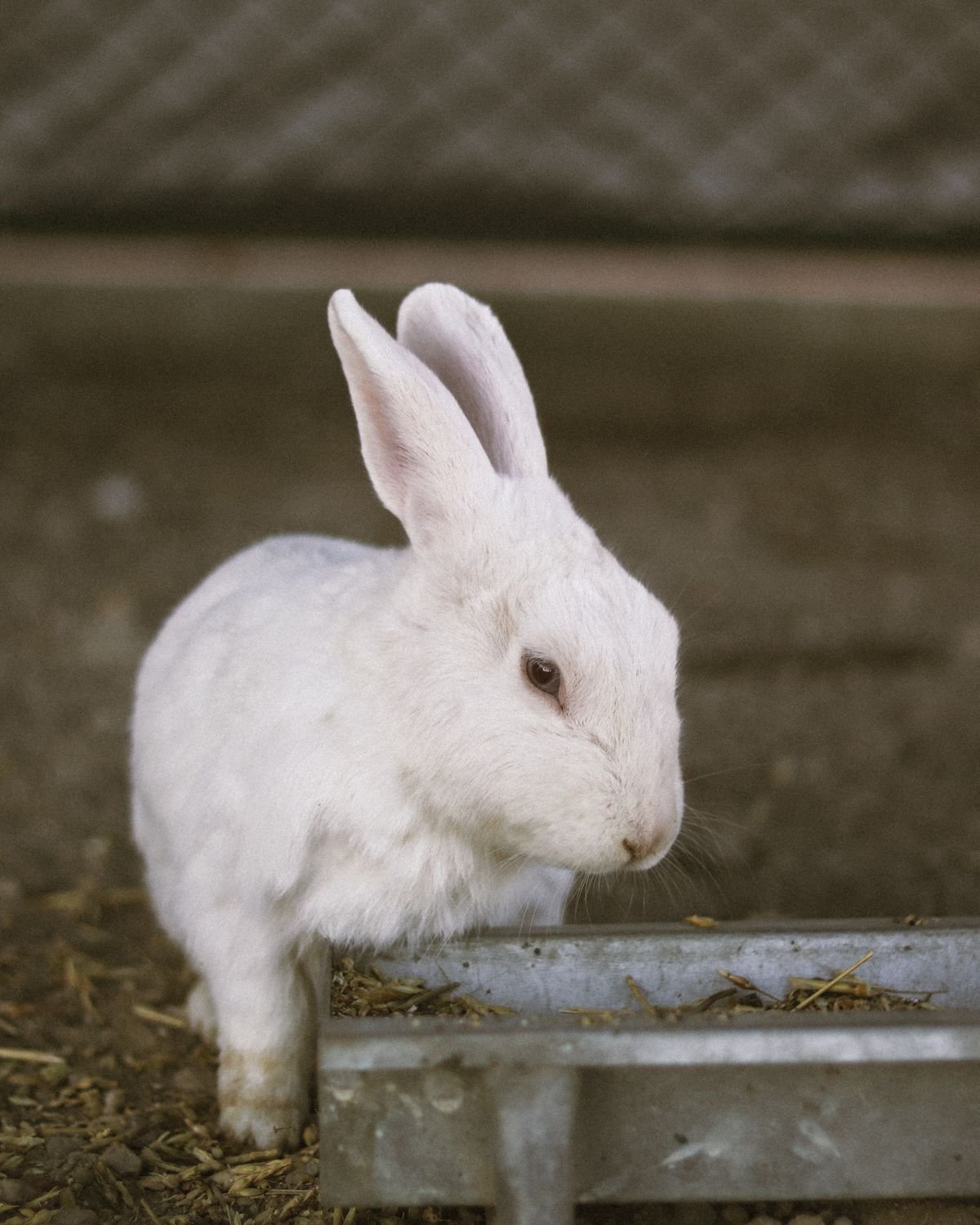
Bedding to avoid for rabbits can be confusing because bedding, litter and feeding hay often overlap in rabbit housing. A material might be suitable as an absorbent layer but poor as a sleeping surface, while a product safe for cats may be unsafe if a rabbit chews it. The safest approach is to use dry, low-dust, non-toxic materials and avoid products that clump, expand, create respiratory dust or stay wet against the feet.
Fine sawdust is a poor choice
Blue Cross specifically says sawdust is unsuitable for rabbits because it can be very dusty and may cause respiratory problems. Fine particles also spread through the enclosure easily and can irritate eyes and noses. Choose a dust-extracted paper or other rabbit-safe absorbent material instead.
Do not confuse sawdust with every wood-based product
Current welfare guidance is more nuanced than “all wood is bad.” The RSPCA allows dust-free, non-cedar wood shavings as an absorbent substrate under hay, while Blue Cross lists dust-free non-toxic wood shavings as a possible bedding option. Fine dusty sawdust and strongly aromatic wood products are the bigger concerns.
Avoid cedar and strongly scented wood bedding
The RSPCA specifically excludes cedar from its acceptable wood-shaving guidance. Strong natural or artificial scents are unnecessary for rabbits, which have sensitive respiratory systems and rely heavily on scent cues.
Clumping cat litter should not be used
Rabbits investigate and chew their environment, so a litter designed to form a hard clump when wet is not appropriate. The RSPCA rabbit-housing guidance recommends paper-based non-clumping, non-expanding litter in toilet areas rather than conventional clumping cat litter.
Avoid expanding litter products
Materials that swell substantially when wet create an unnecessary ingestion risk for an animal that may nibble the litter. Choose products explicitly described as non-expanding and rabbit-safe.
Do not use heavily fragranced or deodorizing litter
Perfumed substrates are designed for human noses, not rabbit welfare. Strong fragrance can irritate the respiratory system and may discourage normal use of a litter area. Odor should be controlled through absorbency and cleaning rather than perfume.
Wet bedding is unsafe even if the material started out safe
A good bedding product becomes a poor environment when soaked in urine or water. Damp bedding can irritate skin, contribute to sore hocks and create conditions that favor bacteria and flies. Toilet areas need daily attention, particularly in warm weather when flystrike risk increases.
Wire floors are not a bedding substitute
Rabbits need solid comfortable areas to stand and rest. Bare wire can place abnormal pressure on the feet and is associated with pododermatitis. If the enclosure has a hard base, provide suitable dry resting and bedding areas rather than leaving rabbits on mesh.
Hard pellets should not cover every resting surface
Even a safe absorbent pellet may be uncomfortable if it is the only surface available. Rabbits should have softer resting areas and hay or other appropriate bedding. Watch where the rabbits choose to lie and whether the feet remain healthy.
Do not use unknown recycled material just because it is cheap
Shredded industrial paper, construction offcuts or unknown wood waste can contain ink, chemicals, glue, dust or preservatives. Use products intended for animal housing or clean household paper known to be safe.
Be cautious with contradictory “cat litter” labels
Rabbit welfare sources do not always use identical terminology. Some recommend specific dust-free wood-pellet products, while others warn against generic cat litter or wood-based litter. The safest interpretation is to avoid choosing by the words “cat litter” alone: use a clearly identified rabbit-safe, non-clumping, non-expanding, low-dust product and check the exact ingredients.
Straw can provide warmth, but it is not the same as feeding hay
Soft clean straw is listed by some welfare organizations as insulating bedding, particularly outdoors, but it is not a replacement for unlimited grass hay in the diet. Rabbits need eating hay regardless of what lines the sleeping area.
Moldy or musty hay should never become bedding
Hay that smells damp, shows visible mold or has been stored badly should be discarded rather than downgraded from food to bedding. Rabbits breathe close to the floor and are likely to chew bedding material.
Avoid bedding that cannot be kept clean in your setup
A material that works well in a large dry shed may perform badly in a small indoor litter area. If the surface stays wet, traps feces or takes too long to dry after cleaning, choose a different system.
Rabbit-safe bedding should support foot health
Check heels for thinning fur, redness, scabs or sores. Sore hocks have several causes, including obesity, flooring and hygiene, so bedding changes alone may not solve an established problem. Seek veterinary advice when skin is damaged.
The broader small-animal guide explains why species rules differ
Our small animal bedding guide compares hamsters, guinea pigs and rabbits. Rabbits generally need comfortable dry resting surfaces and safe toilet substrate rather than the deep burrowing material a hamster requires.
Choose simple materials with clear ingredients
Newspaper, rabbit-safe paper bedding, appropriate dust-free substrate and clean hay or straw can form a straightforward system. Avoid fine dust, strong fragrance, clumping, expanding products and any bedding that stays wet against the rabbit.
0 comments