
How to Bond Two Rabbits Safely: Neutral Space, Supervision and Patience
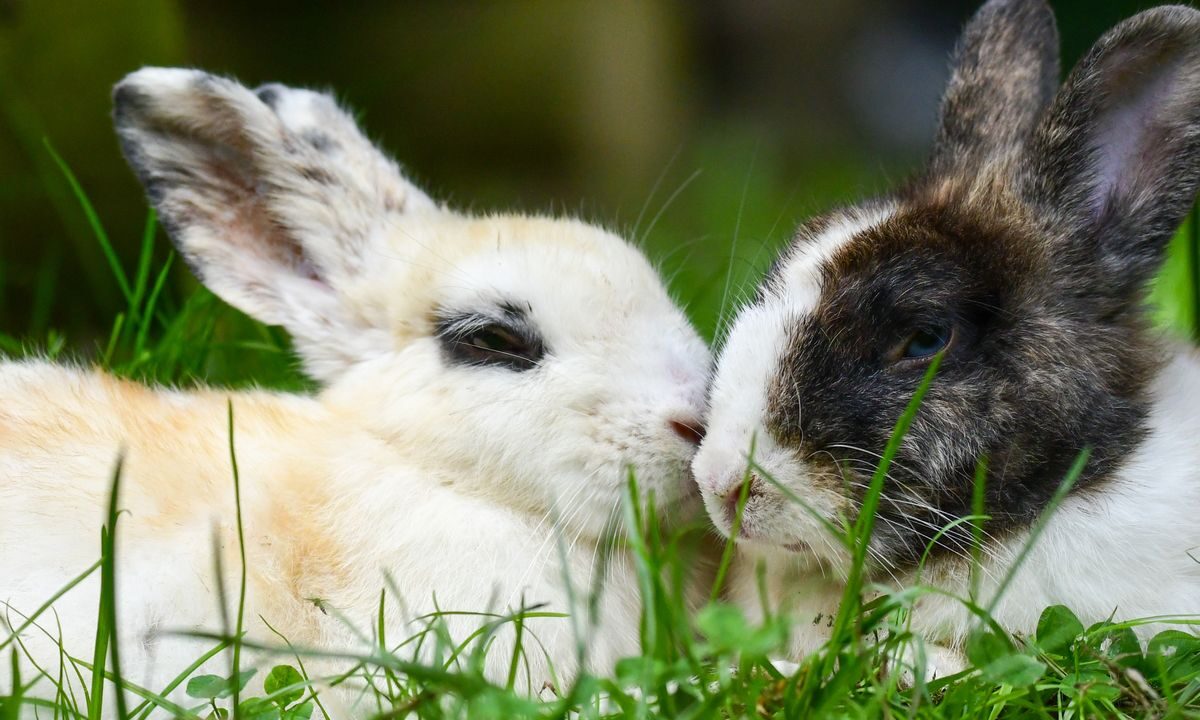
Rabbits are social animals, but two unfamiliar rabbits should not simply be placed together and expected to become friends. Safe bonding is a managed introduction process that protects both animals while familiarity develops.

Health and sterilization come first
Both rabbits should be healthy and appropriately spayed or neutered before serious bonding work. Hormonal territorial behavior can make introductions much harder and increase injury risk.
House them separately at first
Side-by-side pens can allow sight and scent without direct physical contact. Leave enough space between barriers that rabbits cannot bite one another through the bars.
Rabbit.org recommends separate side-by-side housing during the early bonding stage.
Use neutral territory for meetings
First face-to-face sessions should happen somewhere neither rabbit considers established territory. Rabbit.org emphasizes neutral space for introductions because territorial ownership can increase conflict.
Keep initial sessions short and fully supervised
Watch body language closely. Calm parallel eating, exploring or ignoring one another can be useful early progress.
Intervene before a fight escalates
Persistent circling, lunging, boxing, biting or fast head-to-tail chasing can become dangerous. Have a safe barrier, towel or protected hands available rather than reaching between fighting rabbits bare-handed.
Mounting requires context
Brief mounting can occur during social negotiation, but mounting the head or relentless chasing can provoke injury and should be interrupted.
Do not rush because one session went well
A calm ten minutes does not mean the rabbits are ready to share unsupervised living space. Increase time gradually and look for consistently relaxed behavior.
Once truly bonded, avoid unnecessary separation
Stable rabbit pairs can become distressed when separated. Veterinary planning should consider keeping bonded companions together when safe and practical.
For household setup, see our Lionhead rabbit housing guide. For toilet areas shared by a pair, use our rabbit litter training guide.
Pre-bonding can begin with scent
Before direct meetings, swap litter boxes, blankets or toys between side-by-side areas if both rabbits remain relaxed. Familiar scent can reduce novelty, but stop if either rabbit becomes persistently agitated.
Prepare neutral space carefully
Use enough room for rabbits to move apart, but avoid a huge area where chasing builds speed. Provide traction, several small piles of hay and no single hide with only one exit that could trap a rabbit.
What positive progress looks like
Relaxed eating near one another, lying down, mutual grooming, calm exploration and the ability to disengage without pursuit are stronger signs than simply “no fight happened.”
Short setbacks are normal
A new environment, veterinary visit or hormonal change can temporarily alter behavior. Return to supervised neutral sessions if tension increases rather than assuming the bond is permanently lost.
Moving into shared housing
When the pair is consistently relaxed together, thoroughly clean and rearrange the intended shared space so it feels less owned by one rabbit. Provide duplicate food and water access during the transition.
Start with rabbits that are medically stable
Pain, illness and hormonal behavior can make introductions less predictable. Before serious bonding work begins, make sure both rabbits are healthy enough for the stress of meetings and discuss spay or neuter timing with a rabbit-experienced veterinarian.
Side-by-side housing should still prevent biting
Adjacent pens can help rabbits become familiar with each other’s presence, but leave enough space that they cannot bite through bars. Each rabbit still needs separate hay, water, litter and resting areas during this stage.
Neutral space means neutral for both rabbits
A room or pen already used daily by one rabbit may not be neutral even if it looks unfamiliar to you. Choose a genuinely low-ownership area and clean away strong scent cues before meetings.
Read tension before it becomes a fight
Stiff posture, ears pinned tightly, tail raised, repeated circling and rapid pursuit can signal escalation. Interrupt calmly before the rabbits are locked into a fast chase, because separating an active fight is more dangerous for both animals and the handler.
Parallel eating can be a useful early sign
Two rabbits choosing to eat hay near one another without guarding or chasing are showing that they can share space while doing something valuable. That does not mean the bond is complete, but it is a more meaningful sign than simply tolerating one another for a few minutes.
Grooming requests can look one-sided
One rabbit may lower the head under the other’s chin to ask for grooming. Refusal is not automatically a problem, but repeated demanding, nipping or chasing after a grooming request can create tension. Look at the whole interaction rather than one gesture.
Shared housing should be generous, not just conflict-free
Once bonded, the pair still needs enough room for both rabbits to stretch, hide, eat and move apart. Provide duplicate resources at first so a stable relationship is not tested by scarcity.
Increase session length only after calm repetition
A long first meeting can create problems simply because the rabbits have not yet learned how to disengage. Build duration in small steps and stop while both are still calm rather than waiting for tension.
Use food carefully during introductions
Several small hay piles can encourage parallel eating without creating one high-value item to guard. Avoid placing one prized treat between two rabbits that are still negotiating space.
Do not mistake freezing for relaxation
A rabbit that sits completely still, refuses food and watches the other rabbit intensely may be overwhelmed rather than comfortable. Relaxed grooming, eating, exploring and resting are more useful signs of genuine progress.
Separate safely after a difficult session
If chasing or aggression escalates, return each rabbit to their own secure area and let arousal settle. Repeatedly restarting immediately can rehearse the same conflict instead of building a better interaction.
Keep human intervention calm and minimal
Constantly touching, repositioning or forcing rabbits together can make the session more stressful. Supervise closely, but let normal low-level social negotiation occur unless safety is at risk.
Know when to pause bonding work
If either rabbit stops eating, produces fewer droppings, becomes persistently withdrawn or develops an injury, pause introductions and address health first. Bonding should never continue through illness simply to maintain momentum.
Use the same observation points each session
Watch eating, posture, chasing, grooming requests, ability to disengage and recovery afterward. Consistent observation makes progress easier to judge than relying on whether one session happened to look peaceful.
Expect some relationships to take longer
Some compatible rabbits settle quickly; others need many supervised sessions. A slower bond is not a failed bond if both rabbits remain safe and stress is trending downward.
Before moving a pair into shared housing, check that both rabbits can eat, rest, use the litter area and move away from one another without being chased or blocked. That everyday calm matters more than one affectionate moment.
Before calling the bond stable, make sure both rabbits can share ordinary routines calmly, including eating hay, resting, using litter areas and moving past one another without repeated chasing or blocking.
Stable pairs should remain calm through ordinary feeding, resting and litter routines every day together.
Do not separate a stable bond casually
Bonded rabbits often rely on one another for social support. When one needs veterinary care, ask whether the companion can travel too if the clinic considers it safe and appropriate.



0 comments