
Rabbit Spay and Neuter: Health, Behavior and Recovery
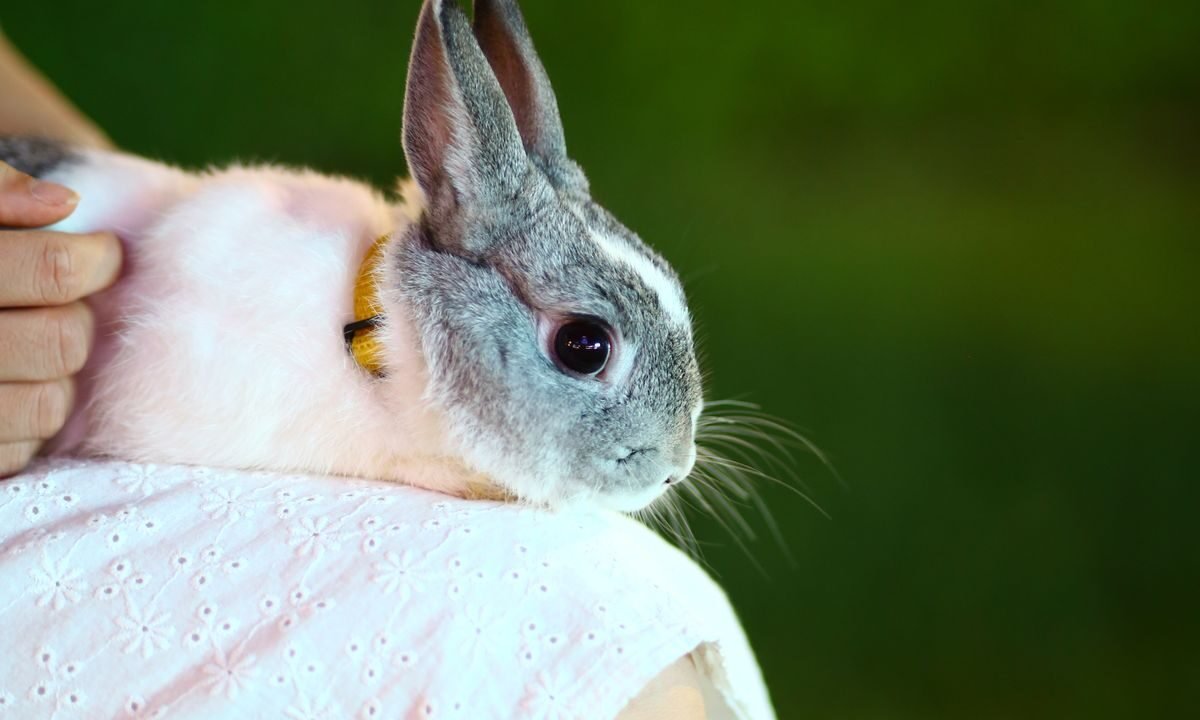
Spaying or neutering a rabbit is not only about preventing litters. Depending on the rabbit, it can also affect reproductive health, hormone-driven behavior and future bonding plans. The decision and timing should be discussed with a veterinarian who is comfortable treating rabbits.
Why owners consider the procedure
Benefits include preventing unwanted litters, reducing hormone-driven marking or territorial behavior and improving the practical process of bonding compatible rabbits. Spaying also removes the uterus and ovaries, eliminating uterine disease risk.
Choose a rabbit-experienced surgical team
Ask how often the clinic performs rabbit spays or neuters, how anesthesia is monitored, what pain management is used and what happens if the rabbit eats poorly after surgery. Rabbit-specific experience matters.
Do not apply fasting rules from dogs and cats
Rabbits are designed to eat frequently and cannot vomit like dogs or cats. Follow the surgical clinic’s rabbit-specific feeding instructions rather than automatically withholding food.
Eating after surgery is a major recovery marker
Monitor hay intake, interest in food and fecal output closely after discharge. Pain can suppress appetite, and poor intake can contribute to gastrointestinal slowdown. Give prescribed medication exactly as directed.
Protect the incision without creating new stress
Keep the recovery area clean, quiet and easy to move around in. Check the incision as instructed and prevent chewing or contamination using the method your veterinarian recommends for that rabbit.
Bonding plans may need to wait
Hormone-driven behavior does not disappear instantly after surgery, and surgical wounds need to heal before rough social interaction. Follow veterinary and bonding guidance before resuming introductions.
When to contact a rabbit-experienced veterinarian
Contact the surgical clinic for poor appetite, reduced fecal output, persistent bleeding, marked swelling, wound opening, severe lethargy, difficulty breathing or pain that is not controlled by the prescribed plan.
Bottom line
Spay/neuter is both a reproductive and long-term management decision. The safest route is an experienced rabbit veterinary team, good pain control, normal feeding support and close observation during recovery.
Rabbit-care reference: Rabbit.org — Spaying and Neutering Basics.
Related PetsFilled guides: rabbit diet and safe rabbit bonding.
The best timing is individualized
Age, sex, body size, health status and the experience of the surgeon all influence when a procedure is appropriate. Avoid relying on one universal age from a forum. An experienced rabbit veterinarian can recommend timing after examining the individual rabbit.
Ask practical questions before surgery day
Confirm when the rabbit should eat, what to bring, how pain will be controlled, whether the clinic expects the rabbit to go home the same day and who to call after hours. Knowing the recovery plan beforehand reduces stressful last-minute decisions.
Bring familiar food for recovery if the clinic allows it
Hay and familiar greens can encourage normal eating when the rabbit wakes. The clinic may have specific instructions, so ask rather than improvising. A rabbit that refuses food after surgery should be reported promptly.
Behavior may change gradually after hormones decline
Marking, mounting or territorial behavior does not always stop immediately. Give the rabbit time to heal and follow a structured bonding plan. Spay/neuter can improve the conditions for successful bonding, but it does not guarantee compatibility between two individuals.
Monitor eating from the first hours home
Offer familiar hay and the foods your veterinary team recommends as soon as the rabbit is alert enough. A rabbit that refuses food after surgery needs prompt advice because prolonged poor intake can contribute to gastrointestinal slowdown.
Watch droppings as carefully as appetite
Fewer, smaller or absent droppings can be an early clue that gut movement has slowed. Record what you see instead of waiting until the litter box is completely empty.
Use prescribed pain medication exactly as directed
Pain can reduce movement and appetite. Do not add human pain relievers or leftover medication from another pet. Contact the clinic if the rabbit still appears painful despite the prescribed plan.
Keep bedding clean and low-dust
A clean recovery area reduces contamination around the incision and makes it easier to notice urine, stool and bleeding. Avoid loose dirty substrate collecting against the wound.
Limit jumping during early recovery
Remove high platforms and slippery surfaces for the first stage of healing. The rabbit should still be able to move comfortably, but rough jumping and climbing can place unnecessary strain on the incision.
Know what incision changes are not normal
Increasing redness, heat, discharge, persistent bleeding, wound opening or marked swelling should be reported. A small amount of bruising can occur, but worsening changes deserve veterinary review.
Do not fast rabbits before surgery unless the clinic gives a specific medical reason
Unlike dogs and cats, rabbits cannot vomit and are usually kept eating before anesthesia. Follow the rabbit-experienced clinic’s instructions rather than applying fasting rules from another species.
Keep the rabbit warm but not overheated
After anesthesia, some rabbits may have difficulty maintaining body temperature. Use the clinic’s instructions for warmth and avoid direct heating pads that can burn or overheat an animal that cannot move away easily.
Transport home in a stable carrier
Line the carrier with a non-slip towel and keep the trip calm. Avoid letting the rabbit slide around or jump immediately after abdominal surgery.
Keep bonded companions nearby only if interactions stay calm
Some rabbits relax when they can see or smell their companion, but rough grooming, mounting or chasing can threaten the incision. Follow the surgeon’s advice on reunion timing.
Monitor urination as well as droppings
Difficulty urinating, blood beyond what the clinic said to expect or a rabbit that repeatedly strains needs prompt advice.
Keep a written post-op checklist
Record medication times, eating, droppings, urination and incision checks. A simple log makes it easier to notice deterioration and prevents missed doses when more than one person is helping.
Do not make diet changes during recovery unless instructed
Familiar hay and normal foods are usually easier to monitor. Sudden diet changes can confuse the picture if appetite or stool changes after surgery.
Know who to call after hours
Before leaving the clinic, confirm the emergency number and which signs mean the rabbit should be seen immediately rather than waiting until morning.
Check appetite several times, not once
A rabbit may nibble initially and then stop later as pain or nausea changes. Continue checking hay intake, water use and droppings through the first recovery period rather than assuming one bite means everything is normal.
Keep the incision visible enough to monitor
Do not cover the surgical area with bedding or clothing unless the veterinarian instructed you to. You need to be able to see swelling, bleeding or wound opening early.
Check the rabbit again overnight
Recovery does not stop at bedtime. Make sure the rabbit is warm, responsive, eating some hay and producing droppings as expected. If signs worsen overnight, use the emergency contact provided by the clinic.
Keep the clinic’s discharge sheet beside the recovery area so medication and monitoring instructions stay easy to follow.
Plan the recovery area before surgery day
Set up a quiet, clean space with easy access to hay, water and a litter area before you leave for the appointment. After surgery, appetite and droppings matter. Rabbits should not simply be left to “sleep it off” without monitoring because reduced eating can quickly become its own problem.
0 comments