
Rabbit Litter Training: Box Setup, Hay Placement and Troubleshooting
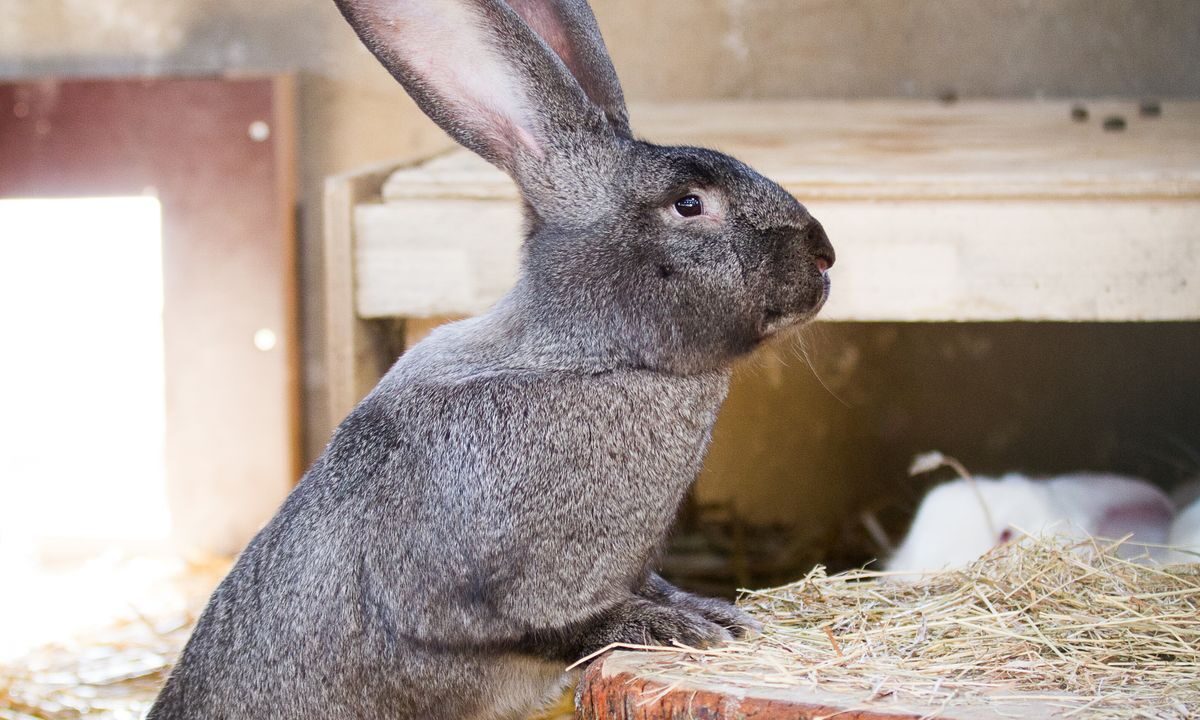
Many rabbits naturally choose one or two toilet corners, which makes litter training less about “obedience” and more about putting the right box in the place the rabbit already prefers.
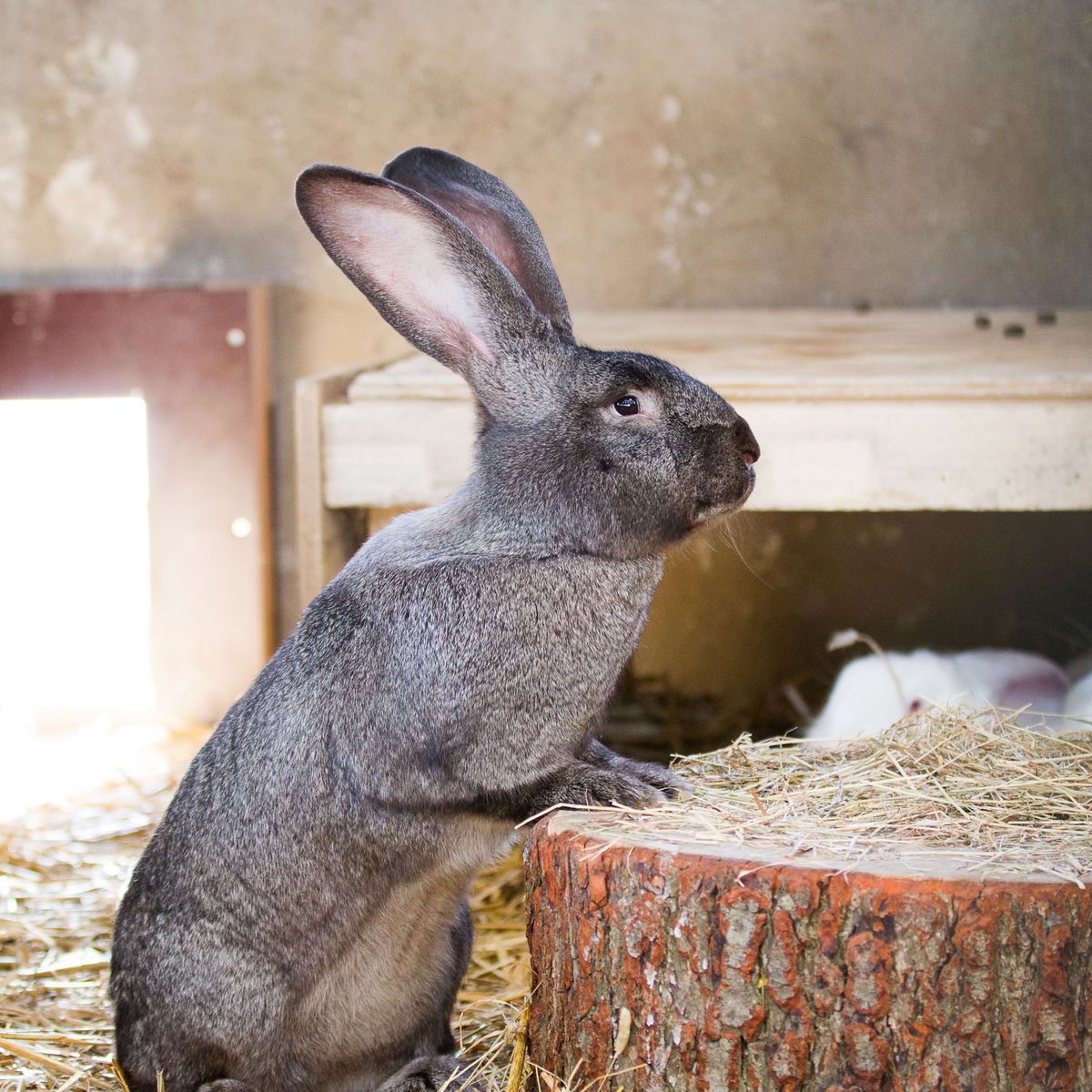
Start where the rabbit already toilets
Place a large litter tray in the chosen corner instead of trying to force a new bathroom location immediately.
Use a large, low-entry box
The rabbit should be able to sit and turn comfortably. Older or mobility-limited rabbits may need one low side for easy access.
Choose safe litter
Paper-based, non-clumping, non-expanding litter is a practical choice. Avoid strongly scented clumping cat litter and materials that become dangerous if eaten.
Put hay where littering happens
Rabbits often eat and eliminate at the same time. A hay rack positioned so the rabbit can eat while standing in the box can strengthen litter habits while encouraging hay intake.
Use more than one tray when needed
The RSPCA suggests one tray per rabbit plus one extra as a useful starting point. In a large room, additional boxes may be easier than expecting the rabbit to cross the entire space.
Do not punish accidents
Rabbits do not understand scolding for elimination. Clean the area, move stray droppings into the box and make the preferred location more convenient.
Sudden litter regression can be medical
A previously reliable rabbit that begins urinating around the room may have pain, urinary disease, mobility problems or another health issue. Arrange a rabbit-savvy veterinary exam when the change is sudden or accompanied by straining, reduced appetite or abnormal urine.
Spay/neuter can help territorial marking
Intact rabbits may mark territory more frequently. Discuss sterilization timing and health considerations with a rabbit-experienced veterinarian.
For housing fundamentals, see our rabbit housing guidance within the Holland Lop guide. For the diet that belongs beside the litter box, use our hay-first rabbit diet guide.
Clean the box without erasing every familiar scent
Remove wet litter and heavily soiled material regularly, but during early training it can help to leave a small amount of clean used litter or a few droppings in the box so the toilet location remains obvious.
Hay placement needs hygiene too
If hay hangs over the box, keep the bulk of it in a rack or feeder so it stays dry and clean. Replace hay that becomes soaked with urine rather than expecting the rabbit to eat contaminated forage.
Large exercise areas may need more than one station
A rabbit that has free access to several rooms may not return to one distant tray every time. Adding another box in a repeatedly chosen corner can improve reliability without “undoing” training.
Bonded rabbits may share—but still need enough space
A pair can use the same large litter area comfortably, but crowding or resource guarding can create accidents. Watch whether both rabbits can eat hay and toilet without displacing one another.
Territorial marking can increase after change
Moving furniture, adding another rabbit or changing rooms can temporarily increase scattered droppings or urine marking. Re-establish boxes in preferred corners and give the rabbit time to map the changed territory.
Choose a box large enough for the rabbit to turn comfortably
Small corner trays often fail because the rabbit cannot sit fully inside while eating hay. A larger low-sided cat-style box can be more practical, especially for big breeds or bonded pairs.
Older rabbits may need a lower entry
Arthritis, weakness or sore hocks can make high-sided boxes painful to enter. A low front edge with enough room inside can improve litter habits without changing the rabbit’s preferred location.
Absorbency matters more than fragrance
Use a rabbit-safe litter that absorbs urine without creating heavy dust or expanding dangerously if eaten. Strong perfumes may irritate sensitive airways and do not solve the underlying hygiene problem.
Put the box where the rabbit already chooses to toilet
Rabbits often select corners naturally. Moving the tray to that preferred location usually works better than repeatedly cleaning accidents and insisting on a spot the rabbit does not favor.
Clean accidents with odor removal in mind
Blot urine promptly and use a pet-safe cleaner appropriate for the surface. Residual scent can encourage repeat marking, especially after a room change or introduction of another rabbit.
Marking and true litter failure are not identical
A few scattered dry droppings around territory can occur even in well-trained rabbits, particularly during social or environmental change. Large urine accidents or a sudden loss of established habits deserve closer attention.
Daily box checks double as health monitoring
Litter cleaning gives you a chance to notice changes in urine volume, stool size, appetite and hay consumption. That makes the litter area an important health-observation point, not just a housekeeping chore.
Use enough litter to absorb urine without creating a deep unstable surface
The tray should stay comfortable underfoot while keeping urine away from the rabbit’s feet. Replace wet areas promptly rather than waiting for the whole box to become saturated.
Hay should be reachable from the tray
Many rabbits toilet while eating. Position fresh hay so the rabbit can reach it from the box without the bulk of the hay becoming soaked or contaminated.
Accidents near the box can mean the tray is too small
If the rabbit sits partly inside and urinates over the edge, the problem may be box dimensions rather than training. A larger tray often fixes what looks like poor litter habits.
Sudden regression in a senior rabbit deserves a mobility check
Arthritis, weakness or sore hocks can make climbing into the usual tray painful. Lowering the entrance may help, but abrupt change still warrants veterinary attention.
Multi-rabbit homes need enough access points
A bonded pair may share one large tray, but another tray can reduce crowding in a larger space. Watch for one rabbit blocking access or guarding hay around the box.
Make the tray easy to reach at all times
A litter box should not be blocked by furniture, another rabbit or a narrow entrance. Easy access matters especially at night and for older rabbits that may move more slowly.
Watch for urine scald or wet fur
If the fur around the rear stays damp, the issue may be more than training. Mobility limits, urinary disease or an unsuitable box setup can all contribute and deserve attention.
Keep the litter area stable during training
Constantly moving the tray can confuse a rabbit that is still learning the preferred toilet location. Once the rabbit chooses a reliable spot, keep the box there unless there is a practical reason to change it.
Keep a spare clean tray available so routine cleaning never leaves the rabbit without an obvious toilet area. Consistency helps habits stay predictable.
Keep box placement predictable during training so the rabbit is not relearning the toilet location every few days.
Consistency matters more than repeatedly changing the setup during early training sessions.
Do not use litter-box failure as a reason for prolonged confinement
A smaller training area can help establish habits, but rabbits still need enough room to stretch, hop and exercise. Expand space gradually as habits become reliable.



0 comments