
Rabbit Heat Stress: Prevention, Warning Signs and Emergency Care
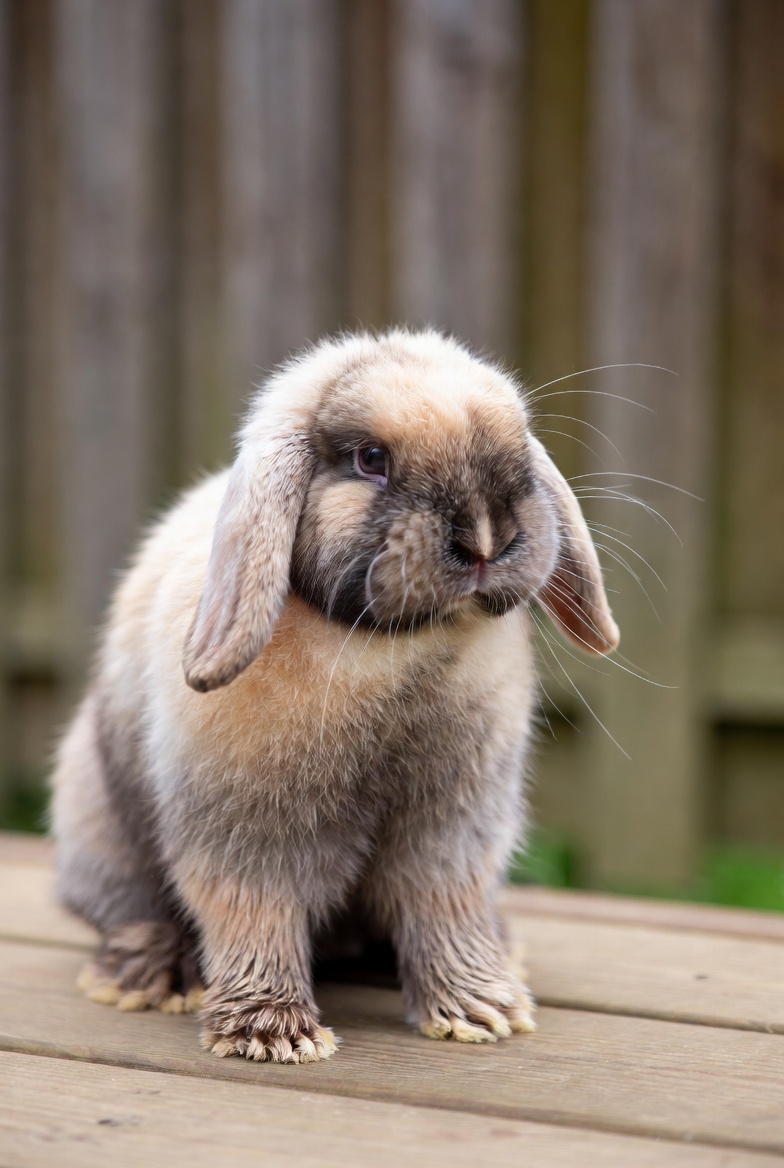
Rabbits handle heat poorly, and a warm room can become dangerous faster than many owners expect. They cannot cool themselves the way people do, so prevention matters: shade, airflow, cool resting surfaces and close observation are more useful than waiting until a rabbit looks obviously distressed.
Keep the living area out of direct heat
Move enclosures away from direct sun and hot windows, provide airflow that does not create a harsh draft, and use cool resting surfaces. Air conditioning is the most reliable protection during dangerous indoor temperatures when available.
Offer cool water and safe cooling options
Keep fresh water available and check that bowls or bottles function. Chilled ceramic tiles or wrapped frozen water bottles can provide a cooler surface the rabbit can choose to approach or leave.
Know the warning signs
Panting, weakness, unusual lethargy, disorientation, excessive salivation, very red or pale mucous membranes and seizures are serious heat-stress signs. A rabbit that is collapsing or neurologically abnormal needs emergency veterinary care.
Cool gradually, not with an ice bath
Move the rabbit to a cooler environment and contact an emergency veterinarian. Do not submerge an overheated rabbit in ice-cold water; rapid extreme cooling can worsen shock. Gentle cooling of the ears and body with cool—not freezing—water may be advised while transporting.
High-risk rabbits need closer checks
Senior, overweight, disabled and long-haired rabbits may be less able to reposition, drink or shed heat. During hot weather, check them more frequently and keep the hindquarters clean and dry.
Hot weather also increases flystrike risk
Warm conditions support fly activity. Rabbits with damp or soiled fur, wounds, obesity or limited mobility require careful daily checks because flystrike can progress rapidly.
When to contact a rabbit-experienced veterinarian
Heat-stress signs such as panting, weakness, confusion, seizures, collapse or abnormal mucous-membrane color require immediate veterinary attention. Call ahead while beginning safe, gentle cooling and transport.
Bottom line
Prevent heat exposure before signs appear. Once a rabbit becomes weak, disoriented or collapses, home cooling is only first aid on the way to emergency veterinary treatment.
Rabbit-care reference: Rabbit.org — Warm Weather Concerns.
Related PetsFilled guides: rabbit diet and rabbit GI stasis emergency guide.
Measure the room, not just the weather forecast
Indoor rooms near windows, upper floors and poorly ventilated spaces can become much hotter than the outdoor forecast suggests. Keep a reliable thermometer near the rabbit’s living area during warm weather and pay attention to humidity and direct sun as well as the number on the thermostat.
Airflow helps, but a fan is not a complete cooling system
A fan can circulate air, yet rabbits do not cool by sweating over most of the body. During dangerous heat, moving hot air around may be insufficient. Air conditioning, cool surfaces, shade and access to water are more dependable parts of prevention.
Travel creates extra heat risk
Never leave a rabbit in a parked vehicle. Pre-cool the car, keep the carrier out of direct sun and make sure airflow reaches it. For longer trips, discuss safe hydration and temperature planning with a rabbit-experienced veterinarian before travel day.
Continue monitoring after apparent recovery
A rabbit that cools down after mild overheating may still be dehydrated or physiologically stressed. If there were significant signs such as weakness, panting, confusion or collapse, veterinary assessment is still important even if the rabbit seems brighter after first aid.
Cooling should be gentle, not extreme
Move the rabbit to a cooler shaded area and use cool—not ice-cold—surfaces or dampened ears if advised. Ice baths or rapid chilling can create additional stress and are not a substitute for emergency care.
Check water more often in hot weather
Bowls can spill and bottles can block. During heat, confirm that water is actually flowing and that the rabbit is drinking. Providing more than one water source can add backup.
Frozen bottles can provide a cool resting option
A frozen water bottle wrapped in a towel can give the rabbit a surface to lie near if they choose. It should not be the only cooling strategy, and the rabbit should always be able to move away from it.
Shade must move with the sun
An enclosure shaded in the morning may be in direct sun later. Recheck outdoor or sunroom housing across the day rather than assuming one early observation is enough.
Humidity can make heat harder to tolerate
High humidity reduces the effectiveness of evaporative cooling. A temperature that seems manageable in dry air may be much harder on a rabbit when humidity is high.
Appetite changes after overheating matter
Heat stress can be followed by dehydration and reduced eating. Continue to monitor hay intake and droppings even after the rabbit appears cooler.
Do not rely on frozen treats alone
Cold vegetables or frozen bottles can be useful additions, but they do not compensate for a dangerously hot room. The priority is lowering the environmental temperature and arranging veterinary care if the rabbit shows heat-stress signs.
Outdoor rabbits need a backup indoor plan
Shade can fail during extreme weather. Know where you can move the rabbit if temperatures become unsafe, and prepare the indoor space before the heatwave arrives.
Check long-haired rabbits more often
Dense coats can make hot weather harder to tolerate. Regular grooming may help remove loose undercoat, but shaving should not be improvised without species-appropriate advice.
Check the coolest room during the hottest part of the day
Rooms that feel cool in the morning may heat significantly by late afternoon. Measure conditions at the time of peak heat so your emergency plan is based on reality rather than assumption.
Use backup water sources
Offer both a bowl and bottle when practical so one failure does not remove access to water. Check that bottles flow freely and bowls have not tipped.
Move outdoor exercise to cooler hours
If a rabbit uses an outdoor run, schedule access early in the morning or later in the evening when temperatures are lower. Never assume shade alone makes midday exercise safe during a heatwave.
Check ears, behavior and posture together
Warm ears alone do not diagnose heat stress. Combine environmental temperature with behavior, breathing, strength and willingness to eat before deciding how urgent the situation is.
Have a power-cut plan
Air conditioning can fail during the hottest weather. Know where the rabbit can be moved and keep backup cooling options ready before an outage occurs.
Night-time cooling still matters
Rooms can stay hot long after sunset, especially after several hot days. Keep monitoring the actual enclosure temperature rather than assuming night air has made the space safe.
Check the rabbit again after cooling begins
Improvement should be judged by breathing, alertness, posture and willingness to eat, not just by touching the ears. If weakness or abnormal breathing continues, veterinary care remains urgent.
Keep emergency transport ready during heatwaves so urgent veterinary care is never delayed at all unnecessarily.
Build a summer setup before the hot day arrives
Practically, know which room stays coolest, keep fresh water available, block direct sun from the enclosure and have a plan for power cuts or failed air conditioning. If your rabbit becomes weak, very hot, confused or has abnormal breathing, contact a veterinarian urgently while beginning safe cooling measures.
0 comments