PetsFilled Us
You Are Reading
30 Largest Dog Breeds: Complete 2025 Guide to Gentle Giants & Mighty Protectors
0
Dog, Dog care, Dogs

30 Largest Dog Breeds: Complete 2025 Guide to Gentle Giants & Mighty Protectors

30 Largest Dog Breeds: Complete 2025 Guide to Gentle Giants & Mighty Protectors
📑

What’s in This Dog Guide

• 🐕 Why Read This Giant Dog Breed Guide?• ⚠️ CRITICAL CONSIDERATIONS BEFORE ADOPTING A GIANT BREED  ◦ 🏠 Space & Logistics  ◦ 💰 The True Financial Commitment  ◦ 🏥 Health & Lifespan Reality• ❓ Giant Dog Breeds: Your Top Questions Answered  ◦ Frequently Asked Questions• The 30 Largest Dog Breeds: Detailed Profiles  ◦ 📊 How We Categorized These Breeds  ◦ 1. Great Dane: The Apollo of Dogs  ◦ 2. Saint Bernard: The Alpine Rescuer  ◦ 3. English Mastiff: The Heavyweight Champion  ◦ 4. Irish Wolfhound: The Gentle Giant of Ireland  ◦ 5. Newfoundland: The Gentle Water Rescuer  ◦ 6. Leonberger: The Lion-Like Gentle Giant  ◦ 7. Tibetan Mastiff: The Ancient Guardian  ◦ 8. Cane Corso: The Italian Protector  ◦ 9. Dogue de Bordeaux: The French Mastiff  ◦ 10. Scottish Deerhound: The Royal Dog of Scotland  ◦ 11. Neapolitan Mastiff: The Wrinkled Guardian  ◦ 12. Bullmastiff: The Gamekeeper's Night Dog  ◦ 12. Bullmastiff: The Gamekeeper's Night Dog  ◦ 13. Anatolian Shepherd: The Ancient Livestock Guardian  ◦ 14. Greater Swiss Mountain Dog: The Swiss Draft Dog  ◦ 15. Black Russian Terrier: The Cold War Creation  ◦ 16. Great Pyrenees: The Mountain Guardian  ◦ 17. Akita: The Japanese Guardian  ◦ 18. Alaskan Malamute: The Arctic Powerhouse  ◦ 19. Siberian Husky: The Endurance Athlete  ◦ 20. Bernese Mountain Dog: The Swiss Farmhand  ◦ 21. German Shepherd: The Ultimate Working Dog  ◦ 22. Rottweiler: The Confident Guardian  ◦ 23. Doberman Pinscher: The Elegant Protector  ◦ 24. Standard Poodle: The Hypoallergenic Intellectual  ◦ 25. Belgian Malinois: The High-Octane Worker  ◦ 26. Boxer: The Playful Clown  ◦ 27. Bloodhound: The Nose with a Dog Attached  ◦ 28. Weimaraner: The "Gray Ghost."  ◦ 29. Rhodesian Ridgeback: The African Lion Hound  ◦ 30. Greyhound: The 45 MPH Couch Potato• 📋 QUICK REFERENCE: LARGE BREED COMPARISON TABLE• Essential Care Guide for Giant Breeds  ◦ 🥗 Nutrition & Feeding  ◦ 💊 Health Considerations  ◦ 🏃 Exercise & Training  ◦ 👨‍⚕️ Veterinary Expert Insight

Tip: Click any section to jump directly there.

The 30 Largest Dog Breeds: A Real-World Guide to Life with Giants (2025 Edition)

From gentle family guardians to powerful working dogs—discover the challenges, costs, and immense rewards of owning a truly giant companion.

🐕 Why Read This Giant Dog Breed Guide?

Owning a giant breed is a profound commitment that goes far beyond a simple love for big dogs. It’s a lifestyle shaped by immense size, specific needs, and undeniable challenges. While a 2023 study in the Journal of Veterinary Behavior highlights the remarkable calmness and loyalty of giant breeds, romanticizing their size is the biggest mistake a potential owner can make.

This guide is designed not just to introduce you to magnificent breeds like the Great Dane and Mastiff, but to provide the real-world data and hard truths you need to make an informed decision. We combine breed profiles with essential cost analysis, lifespan statistics, and actionable care strategies to prepare you for every aspect of life with a giant.

$3,000+/yr
Average Annual Cost
6-10 Yrs
Avg. Lifespan (Largest Giants)
150+ lbs
Common Weight Range
100+ sq ft
Indoor Space Per Dog (AKC Rec.)

⚠️ CRITICAL CONSIDERATIONS BEFORE ADOPTING A GIANT BREED

🏠 Space & Logistics

Giant breeds need substantial space for safe movement. The American Kennel Club (AKC) recommends 100+ sq ft of clear floor space per dog, plus secure outdoor areas. Consider vehicle size, stair safety, and the ability to lift or assist a 150+ lb dog.

💰 The True Financial Commitment

Food, veterinary care, grooming, and supplies cost 2-4 times more than for medium breeds. As detailed in our guide on the real cost of adopting a pet, initial setup for a giant breed can exceed $2,000, with annual costs easily reaching $3,000-$5,000+.

🏥 Health & Lifespan Reality

Large breeds are predisposed to specific, often costly health issues like hip/elbow dysplasia, bloat (GDV—a life-threatening emergency), heart conditions, and arthritis. Their average lifespan is significantly shorter. Proactive, preventive care through regular vet visits is not optional; it’s essential for quality of life.

❓ Giant Dog Breeds: Your Top Questions Answered

Frequently Asked Questions

Q1: What is the #1 biggest dog breed?

The title of tallest breed consistently goes to the Great Dane, regularly reaching over 30 inches at the shoulder. For the heaviest, the English Mastiff often takes the crown, with some males exceeding 230 pounds. However, size can vary significantly between individuals.

Q2: Are large dog breeds good for families?

Many are exceptional family dogs known as “gentle giants,” but suitability depends heavily on the specific breed and your family’s lifestyle.

Excellent with Children: Breeds like the Newfoundland, Leonberger, and Bernese Mountain Dog are famously patient and gentle.

Need Experienced Owners: Powerful guardian breeds like the Cane Corso or Tibetan Mastiff require firm, knowledgeable handling and may not be ideal for families with very young children.

Q3: What is the biggest challenge of owning a giant breed dog?

The challenges are significant:

Lifespan: They have shorter average lifespans (often 7-10 years).

Cost: Expenses for food, veterinary care, and medication are 2-3 times higher. We detail these commitments in our guide on The Real Cost of Adopting a Pet.

Health: Prone to specific issues like hip dysplasia and bloat, making regular vet visits non-negotiable.

Q4: What is the best large dog breed for a first-time owner?

Some large breeds are more forgiving for novice owners due to their trainable and even-tempered nature. Good options include the Labrador Retriever, Golden Retriever, and Standard Poodle. Among giant breeds, the Great Dane and Saint Bernard are often noted for their gentle dispositions, though their size and cost remain major considerations.

Q5: How much exercise does a giant breed puppy need?

Contrary to belief, giant breed puppies need controlled, low-impact exercise. Their growing joints are vulnerable. Avoid forced running on hard surfaces or long jogs until they are fully grown (around 18-24 months). Focus on multiple short, controlled leash walks and gentle play.

The 30 Largest Dog Breeds: Detailed Profiles

📊 How We Categorized These Breeds

We’ve organized these giant dog breeds by primary function and temperament to help you find the perfect match. Each breed profile includes key statistics, temperament insights, and suitability ratings based on expert analysis from the American Kennel Club and the Cornell University College of Veterinary Medicine.


1. Great Dane: The Apollo of Dogs

Weight: 110-200 lbs
Height: 28-32 inches
Lifespan: 7-10 years

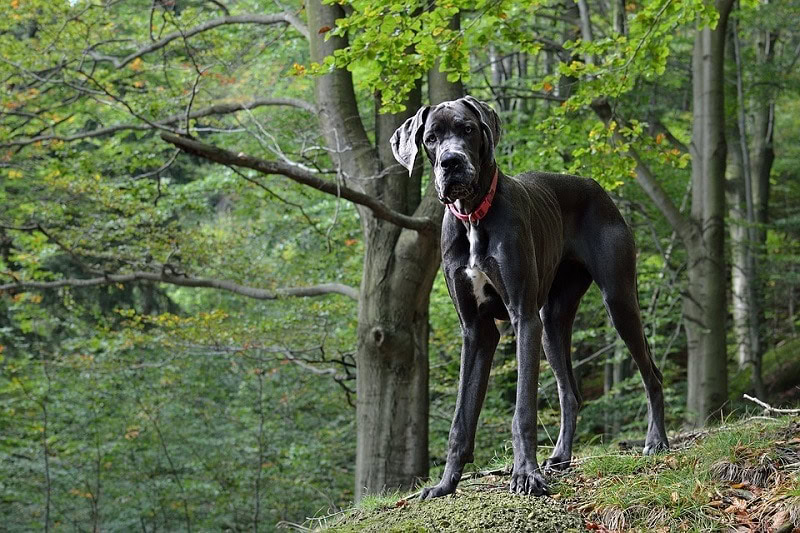
The Great Dane holds the title of the tallest dog breed in the world, with some individuals reaching over 3 feet at the shoulder. Despite their imposing size, they’re known as “gentle giants” with affectionate, patient temperaments.
Key Characteristics:

  • Exceptionally gentle with children and families
  • Requires moderate exercise despite size
  • Prone to bloat (GDV)—requires careful feeding practices
  • Needs ample indoor space and comfortable bedding

Best For: Families with space, experienced owners, and those seeking a protective but gentle companion.

Great Dane standing majestically

Image: Great Dane | Credit: thevetdesk.com

Temperament Rating

Family Friendly:⭐⭐⭐⭐⭐
Trainability:⭐⭐⭐☆☆
Exercise Needs:⭐⭐☆☆☆

2. Saint Bernard: The Alpine Rescuer

Weight: 120-180 lbs
Height: 26-30 inches
Lifespan: 8-10 years

Famous for alpine rescue work, the Saint Bernard combines massive strength with gentle devotion. Originally bred for rescue in the Swiss Alps, they’re remarkably patient and excellent with children.
Key Characteristics:

  • Extremely drooly—keep towels handy!
  • A thick double coat requires regular grooming
  • Heat-sensitive due to cold-weather origins
  • Natural rescue instinct makes them attentive to family

Best For: Families in cooler climates, homes with space for indoor lounging, and patient owners.

Saint Bernard in snowy environment

Image: Saint Bernard | Credit: thevetdesk.com

Care Requirements

Grooming:⭐⭐⭐⭐☆
Drool Factor:⭐⭐⭐⭐⭐
Cold Tolerance:⭐⭐⭐⭐⭐

3. English Mastiff: The Heavyweight Champion

Weight: 120-230 lbs
Height: 27-33 inches
Lifespan: 6-10 years

The English Mastiff is one of the heaviest dog breeds, with some males reaching over 230 pounds. Despite their massive size and formidable appearance, they are known for their gentle, dignified nature.
Key Characteristics:

  • Extremely calm and gentle temperament
  • Natural guardian instincts
  • Minimal exercise requirements for their size
  • Prone to joint issues due to their weight
  • Heavy drooling is common

Best For: Experienced owners with ample space, those seeking a loyal protector with a gentle heart.
Health Note: Regular veterinary check-ups are crucial for early detection of common large breed issues like hip dysplasia.

English Mastiff sitting majestically

Image: English Mastiff | Credit: thevetdesk.com

Suitability Ratings

Beginner Friendly:⭐⭐☆☆☆
Family Dog:⭐⭐⭐⭐☆
Protection Ability:⭐⭐⭐⭐⭐

4. Irish Wolfhound: The Gentle Giant of Ireland

Weight: 105-120 lbs
Height: 30-35 inches
Lifespan: 6-8 years

The Irish Wolfhound is the tallest of all dog breeds, often reaching over 3 feet at the shoulder. Despite their imposing size and history as wolf hunters, they possess one of the gentlest temperaments in the canine world.
Key Characteristics:

  • Exceptionally gentle and patient with children
  • Surprisingly graceful for their size
  • Moderate exercise needs—enjoy long walks but not intense activity
  • Relatively short lifespan for a dog of their size
  • Minimal grooming despite their shaggy appearance

Best For: Families with space, those seeking a gentle companion, and owners who can handle their shorter lifespan.
Training Tip: Early socialization is key. Consider our comprehensive training guide for gentle giant breeds.

Irish Wolfhound: The Gentle Giant of Ireland
Image: Irish Wolfhound | Credit: Unsplash

Key Considerations

Space Needs:⭐⭐⭐⭐⭐
Cost of Care:⭐⭐⭐⭐☆
Gentleness:⭐⭐⭐⭐⭐

5. Newfoundland: The Gentle Water Rescuer

Weight: 100-150 lbs
Height: 26-28 inches
Lifespan: 9-10 years

The Newfoundland is a massive working dog originally bred to help fishermen in Canada. Known for their sweet temperament and natural swimming ability, they have webbed feet and a water-resistant coat.
Key Characteristics:

  • Natural instinct for water rescue
  • Exceptionally gentle and patient with children
  • Heavy shedding requires regular grooming
  • Moderate exercise needs despite their size
  • Known as “nanny dogs” for their protective nature with kids

Best For: Families with children, homes near water, and owners who don’t mind extensive grooming.

Newfoundland dog in water

Image: Newfoundland | Credit: Unsplash

Family Compatibility

With Children:⭐⭐⭐⭐⭐
With Other Pets:⭐⭐⭐⭐☆
Grooming Needs:⭐⭐⭐⭐⭐

6. Leonberger: The Lion-Like Gentle Giant

Weight: 110-170 lbs
Height: 25-31 inches
Lifespan: 7-10 years

The Leonberger is a German breed created to resemble the lion on the Leonberg city crest. They combine the best traits of Newfoundland, Saint Bernard, and Great Pyrenees into one majestic package.
Key Characteristics:

  • Confident yet gentle temperament
  • Excellent family companion and watchdog
  • A double coat requires regular grooming
  • Moderate exercise needs
  • Good with children and other pets when properly socialized

Best For: Active families, experienced dog owners, and those who enjoy grooming.
Nutrition Tip: Large breeds like Leonbergers benefit from specialized diets. Check our guide to quality dog foods for recommendations.

Leonberger with majestic coat

Image: Leonberger | Credit: Unsplash

Activity & Care

Exercise Needs:⭐⭐⭐☆☆
Grooming Time:⭐⭐⭐⭐⭐
Trainability:⭐⭐⭐⭐☆

7. Tibetan Mastiff: The Ancient Guardian

Weight: 75-160 lbs
Height: 22-26 inches
Lifespan: 10-14 years

The Tibetan Mastiff is an ancient guardian breed from the Himalayan mountains. Bred to protect livestock from predators like wolves and leopards, they are fiercely loyal and independent.
Key Characteristics:

  • Extremely protective of family and territory
  • Independent and strong-willed
  • Thick double coat suited for cold climates
  • Minimal exercise needs but requires mental stimulation
  • Notorious for being nocturnal barkers

Best For: Experienced owners with secure property, those in cooler climates, and people seeking a formidable guardian.

Tibetan Mastiff in winter

Image: Tibetan Mastiff | Credit: thevetdesk.com

Guardian Traits

Protectiveness:⭐⭐⭐⭐⭐
Beginner Friendly:⭐☆☆☆☆
Cold Tolerance:⭐⭐⭐⭐⭐

8. Cane Corso: The Italian Protector

Weight: 85-110 lbs
Height: 22-28 inches
Lifespan: 9-12 years

The Cane Corso is an Italian mastiff breed known for their intelligence, loyalty, and protective instincts. Originally used for guarding property and hunting large game, they are powerful yet agile.
Key Characteristics:

  • Highly intelligent and trainable
  • Natural guardian with strong protective instincts
  • Minimal grooming needs with short coat
  • Requires consistent training and socialization
  • Forms strong bonds with family members

Best For: Experienced dog owners, those seeking a protective companion, and active individuals who can provide firm leadership.
Training Note: These powerful dogs require consistent training. See our training guide for working breeds.

Cane Corso standing alert

Image: Cane Corso | Credit: thevetdesk.com

Owner Requirements

Experience Level:⭐⭐⭐⭐⭐
Exercise Needs:⭐⭐⭐⭐☆
Protection Ability:⭐⭐⭐⭐⭐

9. Dogue de Bordeaux: The French Mastiff

Weight: 120-140 lbs
Height: 23-26 inches
Lifespan: 8-10 years

The Dogue de Bordeaux, also known as the French Mastiff, is one of the oldest French dog breeds. They’re easily recognized by their massive head, wrinkled face, and expressive eyes.
Key Characteristics:

  • Extremely loyal and devoted to family
  • Calm and patient temperament
  • Heavy drooling requires constant cleanup
  • Minimal exercise needs but prone to obesity
  • Can be stubborn but responds well to positive training

Best For: Experienced owners, families without small children (due to their size), and those who can handle significant drool.

Dogue de Bordeaux with wrinkled face

Image: Dogue de Bordeaux | Credit: thevetdesk.com

Maintenance Level

Drool Factor:⭐⭐⭐⭐⭐
Grooming Needs:⭐☆☆☆☆
Exercise Needs:⭐⭐☆☆☆

10. Scottish Deerhound: The Royal Dog of Scotland

Weight: 75-110 lbs
Height: 28-32 inches
Lifespan: 8-10 years

The Scottish Deerhound is a historic sighthound breed originally used for deer hunting in the Scottish Highlands. They’re known for their graceful appearance, gentle nature, and remarkable speed.
Key Characteristics:

  • Gentle, dignified, and sweet-tempered
  • Remarkably fast despite their size
  • Moderate grooming needs despite shaggy appearance
  • Requires regular exercise and space to run
  • Not suited for small living spaces

Best For: Active owners with space, those in rural areas, and families seeking a gentle giant.

Scottish Deerhound running

Image: Scottish Deerhound | Credit: Unsplash

Lifestyle Fit

Space Requirements:⭐⭐⭐⭐⭐
Activity Level:⭐⭐⭐⭐☆
Gentleness:⭐⭐⭐⭐⭐

11. Neapolitan Mastiff: The Wrinkled Guardian

Weight: 110-150 lbs
Height: 24-31 inches
Lifespan: 7-10 years

The Neapolitan Mastiff is an Italian breed known for their massive size, loose skin, and wrinkled appearance. Originally bred as guard dogs and war dogs, they are loyal protectors with a calm demeanor.
Key Characteristics:

  • Extremely protective of family and home
  • Calm and steady when not threatened
  • Wrinkled skin requires regular cleaning to prevent infections
  • Heavy drooling is common
  • Requires firm, consistent training from puppyhood

Best For: Very experienced dog owners, those seeking an imposing guardian, and people who can manage their grooming needs.

Neapolitan Mastiff
Neapolitan Mastiff
Image: Neapolitan Mastiff | Credit: PetMD

Guardian Profile

Protection Instinct:⭐⭐⭐⭐⭐
Training Difficulty:⭐⭐⭐⭐☆
Grooming Needs:⭐⭐⭐⭐☆

12. Bullmastiff: The Gamekeeper’s Night Dog

Weight: 100-130 lbs
Height: 24-28 inches
Lifespan: 8-10 years

The Bullmastiff was originally developed by English gamekeepers to protect estates from poachers. A cross between the English Mastiff and Old English Bulldog, they combine strength with agility.
Key Characteristics:

  • Fearless yet affectionate with family
  • Natural guarding instincts without excessive aggression
  • Minimal grooming needs with a short coat
  • Moderate exercise requirements
  • Can be stubborn but responds well to consistent training

Best For: Experienced owners, families with older children, and those seeking a protective but not aggressive guardian.

Bullmastiff standing strong

Image: Bullmastiff | Credit: thevetdesk.com

Temperament Balance

Family Friendly:⭐⭐⭐⭐☆
Guardian Ability:⭐⭐⭐⭐⭐
Exercise Needs:⭐⭐⭐☆☆

12. Bullmastiff: The Gamekeeper’s Night Dog

Weight: 100-130 lbs
Height: 24-28 inches
Lifespan: 8-10 years

The Bullmastiff was originally developed by English gamekeepers to protect estates from poachers. A cross between the English Mastiff and Old English Bulldog, they combine strength with agility.
Key Characteristics:

  • Fearless yet affectionate with family
  • Natural guarding instincts without excessive aggression
  • Minimal grooming needs with short coat
  • Moderate exercise requirements
  • Can be stubborn but responds well to consistent training

Best For: Experienced owners, families with older children, and those seeking a protective but not aggressive guardian.

Bullmastiff standing strong

Image: Bullmastiff | Credit: thevetdesk.com

Temperament Balance

Family Friendly:⭐⭐⭐⭐☆
Guardian Ability:⭐⭐⭐⭐⭐
Exercise Needs:⭐⭐⭐☆☆

13. Anatolian Shepherd: The Ancient Livestock Guardian

Weight: 90-140 lbs
Height: 26-30 inches
Lifespan: 11-13 years

The Anatolian Shepherd is an ancient Turkish breed developed over 6,000 years ago to protect livestock from predators like wolves and bears. They’re independent thinkers bred to work without human guidance.
Key Characteristics:

  • Extremely protective and territorial
  • Independent and strong-willed
  • Low grooming needs despite a thick coat
  • Requires extensive socialization from puppyhood
  • Natural guardian who works independently

Best For: Experienced owners with large properties, rural living, and those needing a serious working guardian.
Training Note: These independent dogs require specialized training. Consider techniques from our working dog training guide.

Anatolian Shepherd on alert

Image: Anatolian Shepherd | Credit: thevetdesk.com

Working Ability

Guardian Instinct:⭐⭐⭐⭐⭐
Independence:⭐⭐⭐⭐⭐
Experience Required:⭐⭐⭐⭐⭐

14. Greater Swiss Mountain Dog: The Swiss Draft Dog

Weight: 85-140 lbs
Height: 23-28 inches
Lifespan: 8-11 years

The Greater Swiss Mountain Dog is the largest of the four Swiss Sennenhund breeds. Originally used as an all-purpose farm dog for drafting, guarding, and herding, they’re known for their striking tri-color coat and gentle nature.
Key Characteristics:

  • Friendly, social, and good with children
  • Strong work ethic and intelligence
  • Moderate grooming needs
  • Enjoys having a job or purpose
  • Can be prone to barking if bored

Best For: Active families, those with space for exercise, and owners who enjoy training and engaging with their dog.

Greater Swiss Mountain Dog

Image: Greater Swiss Mountain Dog | Credit: Unsplash

Family Compatibility

With Children:⭐⭐⭐⭐⭐
Trainability:⭐⭐⭐⭐☆
Exercise Needs:⭐⭐⭐⭐☆

15. Black Russian Terrier: The Cold War Creation

Weight: 80-150 lbs
Height: 25-30 inches
Lifespan: 10-12 years

The Black Russian Terrier was developed in the Soviet Union during the Cold War as a military and working dog. Created from multiple breeds including Giant Schnauzers, Rottweilers, and Newfoundlands, they’re intelligent and versatile.
Key Characteristics:

  • Highly intelligent and trainable
  • Confident and courageous protector
  • Hypoallergenic coat requires regular grooming
  • Needs consistent training and socialization
  • Forms strong bonds with family

Best For: Experienced owners, those needing a versatile working dog, and families who can provide firm leadership.

Black Russian Terrier standing guard

Image: Black Russian Terrier | Credit: thevetdesk.com

Working Dog Profile

Intelligence:⭐⭐⭐⭐⭐
Protection Ability:⭐⭐⭐⭐⭐
Grooming Needs:⭐⭐⭐⭐☆

16. Great Pyrenees: The Mountain Guardian

Weight: 85-120 lbs
Height: 25-32 inches
Lifespan: 10-12 years

The Great Pyrenees is an ancient livestock guardian breed from the Pyrenees Mountains between France and Spain. Bred to protect sheep from wolves and bears, they’re known for their majestic white coat and calm demeanor.
Key Characteristics:

  • Calm, patient, and gentle
  • Strong protective instincts
  • Heavy shedding requires regular grooming
  • Independent thinkers who may be stubborn
  • Excellent with children and family

Best For: Families with space, those in cooler climates, and owners who appreciate independent guardians.
Health Note: Regular vet check-ups are important for monitoring common large breed issues.

Great Pyrenees in field

Image: Great Pyrenees | Credit: thevetdesk.com

Guardian Traits

Protectiveness:⭐⭐⭐⭐⭐
Independence:⭐⭐⭐⭐☆
Family Friendly:⭐⭐⭐⭐⭐

17. Akita: The Japanese Guardian

Weight: 70-130 lbs
Height: 24-28 inches
Lifespan: 10-13 years

The Akita is a powerful Japanese breed originally used for hunting bear, boar, and deer. Known for their loyalty and dignity, they’re national treasures in Japan and famously loyal companions.
Key Characteristics:

  • Extremely loyal to family
  • Reserved with strangers
  • Strong prey drive and hunting instincts
  • Clean and cat-like in habits
  • Can be dominant with other dogs

Best For: Experienced owners, single-pet households, and those seeking a fiercely loyal companion.

Akita standing proud

Image: Akita | Credit: thevetdesk.com

Loyalty & Temperament

Family Loyalty:⭐⭐⭐⭐⭐
With Strangers:⭐☆☆☆☆
Training Challenge:⭐⭐⭐⭐☆

18. Alaskan Malamute: The Arctic Powerhouse

Weight: 75-85 lbs
Height: 23-25 inches
Lifespan: 10-14 years

The Alaskan Malamute is one of the oldest Arctic sled dogs, bred by the Mahlemut tribe of Alaska for hauling heavy freight. They’re powerful, enduring, and built for cold-weather work.
Key Characteristics:

  • Extremely strong and powerful
  • Friendly and affectionate with people
  • Heavy shedding requires regular grooming
  • High exercise needs
  • Can be stubborn and independent

Best For: Active owners in cooler climates, those who enjoy outdoor activities, and experienced dog handlers.
Exercise Tip: These working dogs need substantial daily exercise. Learn about proper training and exercise routines.

Alaskan Malamute in snow

Image: Alaskan Malamute | Credit: thevetdesk.com

Working Dog Requirements

Exercise Needs:⭐⭐⭐⭐⭐
Cold Tolerance:⭐⭐⭐⭐⭐
Grooming Needs:⭐⭐⭐⭐☆

19. Siberian Husky: The Endurance Athlete

Weight: 35-60 lbs
Height: 20-24 inches
Lifespan: 12-14 years

The Siberian Husky is a medium-sized working dog breed known for their endurance, intelligence, and striking appearance. Originally bred by the Chukchi people of Siberia for sled pulling, they’re friendly and energetic.
Key Characteristics:

  • Friendly and outgoing temperament
  • High energy and exercise needs
  • Heavy seasonal shedding (“blowing coat”)
  • Notorious escape artists
  • Vocal – known for “talking” and howling

Best For: Active families, those in cooler climates, and owners who can provide lots of exercise and mental stimulation.

Siberian Husky with blue eyes

Image: Siberian Husky | Credit: Unsplash

Activity & Maintenance

Energy Level:⭐⭐⭐⭐⭐
Grooming Needs:⭐⭐⭐⭐☆
Escape Risk:⭐⭐⭐⭐⭐

20. Bernese Mountain Dog: The Swiss Farmhand

Weight: 80-110 lbs
Height: 23-28 inches
Lifespan: 7-10 years

The Bernese Mountain Dog is a versatile working breed from the Swiss Alps, originally used for drafting, herding, and guarding. Known for their distinctive tri-color coat and gentle expression, they’re affectionately called “Berners.”
Key Characteristics:

  • Gentle, calm, and affectionate with families
  • Intelligent and eager to please, making them relatively trainable
  • Thick double coat requires regular brushing, especially during seasonal sheds
  • Moderate exercise needs but enjoys activities like hiking or cart-pulling
  • Prone to certain health issues; responsible breeding is crucial. Learn more in our guide on the importance of regular vet visits.

Best For: Families with space, owners in cooler climates, and those who enjoy grooming and outdoor companionship.

Bernese Mountain Dog in snow

Image: Bernese Mountain Dog | Credit: thevetdesk.com

Family & Activity Profile

Family Friendly:⭐⭐⭐⭐⭐
Grooming Needs:⭐⭐⭐⭐☆
Cold Tolerance:⭐⭐⭐⭐⭐

21. German Shepherd: The Ultimate Working Dog

Weight: 50-90 lbs
Height: 22-26 inches
Lifespan: 9-13 years

The German Shepherd Dog is renowned for its intelligence, loyalty, and versatility. A cornerstone of police, military, and service work, this breed excels when given a job and forms deep, protective bonds with its family.
Key Characteristics:

  • Extremely intelligent and highly trainable for complex tasks
  • Loyal and protective, making excellent guardians
  • High-energy and needs substantial daily physical and mental exercise
  • Prone to hereditary issues like hip dysplasia, choose a reputable breeder.
  • They thrive on structured training. For foundational techniques, see our guide on how to train a dog.

Best For: Active, experienced owners who can provide leadership, training, and a job or purpose.

German Shepherd looking alert

Image: German Shepherd | Credit: thevetdesk.com

Working Dog Profile

Trainability:⭐⭐⭐⭐⭐
Energy Level:⭐⭐⭐⭐⭐
Protection Instinct:⭐⭐⭐⭐⭐

22. Rottweiler: The Confident Guardian

Weight: 80-135 lbs
Height: 22-27 inches
Lifespan: 9-10 years

The Rottweiler is a powerful, confident breed with a history as a Roman drover dog and later as a police and guardian dog. With proper training and socialization, they are calm, courageous, and deeply loyal companions.
Key Characteristics:

  • Confident, calm, and courageous with a natural guarding instinct
  • Highly intelligent and responsive to consistent, firm training
  • Strong and powerful, requiring an owner who can provide clear leadership
  • Short coats are low-maintenance, but they are moderate shedders
  • Early and ongoing socialization with people and other animals is essential.

Best For: Experienced, confident owners who can commit to rigorous training, socialization, and providing a job or structured activity.

Rottweiler

Image: Rottweiler | Credit: Unsplash

Guardian Traits

Strength/Confidence:⭐⭐⭐⭐⭐
Training Necessity:⭐⭐⭐⭐⭐
Loyalty:⭐⭐⭐⭐⭐

23. Doberman Pinscher: The Elegant Protector

Weight: 70-100 lbs
Height: 24-28 inches
Lifespan: 10-12 years

The Doberman Pinscher is a sleek, powerful, and athletic breed developed as a personal protector. They are known for their unwavering loyalty, intelligence, and elegant, commanding presence.
Key Characteristics:

  • Extremely loyal and forms a powerful bond with their primary owner/family
  • Highly intelligent and ranks among the most easily trained breeds
  • Energetic and requires regular daily exercise and mental stimulation
  • Short coats are easy to care for, but they are sensitive to cold weather
  • With proper training, they are loving family dogs, not the aggressive stereotype.

Best For: Active owners who want a trainable, athletic companion and dedicated guardian, and who will provide firm, loving leadership.

Doberman Pinscher standing alert

Image: Doberman Pinscher | Credit: thevetdesk.com

Companion Profile

Loyalty/Bonding:⭐⭐⭐⭐⭐
Trainability:⭐⭐⭐⭐⭐
Exercise Needs:⭐⭐⭐⭐☆

24. Standard Poodle: The Hypoallergenic Intellectual

Weight: 45-70 lbs
Height: Over 15 inches (Standard)
Lifespan: 12-15 years

Don’t let the fancy haircuts fool you—the Standard Poodle is a highly intelligent, athletic, and versatile sporting dog. Originally bred as water retrievers, they are one of the smartest breeds and are famously hypoallergenic.
Key Characteristics:

  • Extremely intelligent, trainable, and eager to please—excels in obedience, agility, and more
  • Curly, single-layered coat is hypoallergenic but requires regular professional grooming
  • Active and athletic, needing daily physical and mental exercise to prevent boredom
  • Proud and dignified, yet often possess a playful, mischievous sense of humor
  • An excellent choice for owners with allergies. For other hypoallergenic options, see our list of affectionate cat breeds.

Best For: Active owners or families who enjoy training, can afford grooming, and want a smart, versatile, and allergy-friendly companion.

Standard Poodle

Image: Standard Poodle | Credit: Unsplash

Versatility Profile

Intelligence:⭐⭐⭐⭐⭐
Grooming Needs:⭐⭐⭐⭐⭐
Allergy Friendly:⭐⭐⭐⭐⭐

25. Belgian Malinois: The High-Octane Worker

Weight: 55-75 lbs
Height: 22-26 inches
Lifespan: 14-16 years

The Belgian Malinois is a brilliant, driven, and incredibly energetic herding breed that has become a top choice for military, police, and protection work worldwide. They are not a typical pet but a career for both dog and owner.
Key Characteristics:

  • Extreme drive, energy, and need for a “job”—hours of daily activity are mandatory
  • Extremely intelligent and trainable, but requires expert handling and consistent structure
  • Forms an intense bond with their handler but can be aloof with strangers
  • Short coats are easy to groom, but they are heavy shedders
  • Not for novice owners. Success requires deep commitment. For specific guidance, see our Belgian Malinois training guide.

Best For: Highly experienced, active handlers (e.g., in dog sports, protection work, or search and rescue) who can provide a full-time job and purpose.

Belgian Malinois looking focused and alert

Image: Belgian Malinois | Credit: thevetdesk.com

Working Drive Profile

Energy/Drive:⭐⭐⭐⭐⭐
Experience Required:⭐⭐⭐⭐⭐
Trainability:⭐⭐⭐⭐⭐

26. Boxer: The Playful Clown

Weight: 65-80 lbs
Height: 21-25 inches
Lifespan: 10-12 years

The Boxer is a medium-to-large, muscular breed known for its boundless energy, playful “clownish” personality, and deep devotion to family. They combine strength and athleticism with a heartwarming, silly demeanor.
Key Characteristics:

  • Energetic, playful, and famously patient and protective with children
  • Intelligent but can be stubborn; responds best to positive, consistent training
  • Short coat is easy to care for, but they are prone to overheating in hot weather
  • Known for their distinctive “woo-woo” vocalizations and enthusiastic “kidney bean” wiggle dance
  • Generally good with other pets if socialized early.

Best For: Active families with a sense of humor, who can provide plenty of exercise and engage in playful, positive training.

Boxer Dog

Image: Boxer | Credit: Unsplash

Family Companion Profile

With Children:⭐⭐⭐⭐⭐
Playfulness/Energy:⭐⭐⭐⭐⭐
Grooming Needs:⭐☆☆☆☆

27. Bloodhound: The Nose with a Dog Attached

Weight: 80-110 lbs
Height: 23-27 inches
Lifespan: 10-12 years

The Bloodhound is the ultimate scent hound, possessing the most powerful nose in the canine world. Known for their droopy skin, long ears, and mournful expression, they are gentle, patient, and singularly focused when on a trail.
Key Characteristics:

  • Unmatched scenting ability—used by law enforcement worldwide for tracking
  • Extremely gentle, patient, and good-natured with people and other dogs
  • Independent and stubborn when following a scent; not for off-leash adventures
  • Pronounced drooling and a distinctive “hound odor” require owner acceptance
  • Wrinkled skin and long ears need regular cleaning to prevent infections.

Best For: Patient owners with a securely fenced yard who appreciate a unique, gentle giant and don’t mind slobber.

Bloodhound with characteristic droopy face and ears

Image: Bloodhound | Credit: thevetdesk.com

Scent Hound Profile

Scenting Power:⭐⭐⭐⭐⭐
Gentleness:⭐⭐⭐⭐⭐
Drool/Odor Factor:⭐⭐⭐⭐⭐

28. Weimaraner: The “Gray Ghost.”

Weight: 55-90 lbs
Height: 23-28 inches
Lifespan: 10-13 years

Known as the “Gray Ghost” for its distinctive silvery coat and stealthy hunting prowess, the Weimaraner is a versatile gundog with aristocratic German origins. Bred to hunt large game like deer and boar, they combine intelligence, energy, and a strong bond with their handler.
Key Characteristics:

  • High-Energy Athlete: Requires vigorous daily exercise and mental stimulation; prone to destructive behavior if under-exercised.
  • Velcro Dog: Forms intense bonds and suffers from severe separation anxiety; not suited for being left alone for long periods.
  • Intelligent & Willful: Quick to learn but can be stubborn; requires consistent, positive training methods.
  • Short, Low-Maintenance Coat: The sleek silver-gray coat is easy to groom but offers little protection from cold weather.

Best For: Extremely active individuals, runners, hunters, or families who are home most of the day. They thrive as working dogs or in dog sports. Not recommended for first-time owners, apartment dwellers, or sedentary households.
Training Tip: Their intelligence and energy demand a job. Consider advanced training for activities like unique tricks, agility, or field work to keep them engaged.

Weimaraner: The "Gray Ghost."
Weimaraner: The “Gray Ghost.”
Image: Weimaraner | Credit: thevetdesk.com

Lifestyle Compatibility

Energy Level:⭐⭐⭐⭐⭐
Family Attachment:⭐⭐⭐⭐⭐
Beginner Friendly:⭐⭐☆☆☆

29. Rhodesian Ridgeback: The African Lion Hound

Weight: 70-85 lbs
Height: 24-27 inches
Lifespan: 10-12 years

The Rhodesian Ridgeback is a majestic and powerful sighthound, originally bred in Southern Africa to hunt lions (by tracking and containing them, not fighting them). Their most distinctive feature is the “ridge” of hair running along their back in the opposite direction to the rest of their coat.
Key Characteristics:

  • Dignified & Independent: Calm and even-tempered at home, but possesses a strong, independent will. They are loyal but not overly demonstrative.
  • Powerful Sighthound: Possesses incredible speed and a high prey drive. Recall training is essential, as they will chase small animals.
  • Quiet & Clean: Known for being relatively quiet (not barky) and fastidious, with minimal doggy odor.
  • Reserved with Strangers: Aloof and discerning with people they don’t know, making them excellent watchdogs. Early socialization is critical.

Best For: Active, confident owners who can provide firm, consistent leadership and ample exercise. They do well with older children and can be good with other dogs if raised together. Not suited for homes with small pets like cats or rabbits.
Health Note: This breed is predisposed to a congenital condition called dermoid sinus, associated with the ridge. Always purchase from a reputable breeder who tests for this.

Rhodesian Ridgeback
Rhodesian Ridgeback
Image: Rhodesian Ridgeback | Credit: Unsplash

Owner Suitability

Prey Drive:⭐⭐⭐⭐⭐
Trainability:⭐⭐⭐☆☆
Watchdog Ability:⭐⭐⭐⭐☆

30. Greyhound: The 45 MPH Couch Potato

Weight: 60-88 lbs
Height: 27-30 inches
Lifespan: 10-14 years

The Greyhound is the quintessential sighthound and the fastest breed of dog, capable of bursts over 45 mph. Contrary to their athletic image, retired racing Greyhounds are famously low-energy indoors, earning the nickname “45 mph couch potato.”
Key Characteristics:

  • Sprint, Not Marathon: Requires a short, daily opportunity to sprint in a securely fenced area, but is otherwise remarkably calm and sleeps up to 18 hours a day.
  • Ultimate Prey Drive: A strong instinct to chase anything that moves. They must always be leashed or in a secure fence, as their recall is unreliable when triggered.
  • Gentle & Sensitive: Typically quiet, gentle, and even timid. They are sensitive souls who do not respond well to harsh treatment.
  • Low Maintenance: Short coat is easy to care for, and they are known for being very clean with little “doggy” smell.

Best For: Apartment dwellers (with access to a safe run), first-time large dog owners, retirees, and families with older children. An excellent choice for adoption, as many ex-racers need homes. Not suited for homes with small pets unless carefully managed.
Adoption Insight: Consider giving a retired racer a home. They are often calm, crate-trained, and make wonderful companions. Learn more about the benefits of adopting adult animals.

Greyhound resting calmly

Image: Greyhound | Credit: thevetdesk.com

The Perfect Paradox

Indoor Energy:⭐☆☆☆☆
Prey Drive:⭐⭐⭐⭐⭐
Gentleness:⭐⭐⭐⭐⭐


📋 QUICK REFERENCE: LARGE BREED COMPARISON TABLE

BreedAvg WeightTemperamentBest ForExperience Level
Great Dane110-200 lbsGentle, PatientFamilies with SpaceIntermediate
Saint Bernard120-180 lbsGentle, DroolyCool ClimatesBeginner-Friendly
English Mastiff120-230 lbsCourageous, CalmProtective CompanionExperienced

Data sourced from AKC Breed Standards and Cornell Veterinary Medicine

Essential Care Guide for Giant Breeds

🥗 Nutrition & Feeding

Large breeds have specific nutritional needs to support joint health and controlled growth:

  • Specialized Formulas: Use large breed formulas with controlled calcium/phosphorus ratios
  • Feeding Schedule: 2-3 smaller meals daily to prevent bloat (GDV)
  • Portion Control: Obesity exacerbates joint problems in giant breeds
  • Supplements: Glucosamine and chondroitin for joint support

According to the World Small Animal Veterinary Association, improper nutrition is the leading cause of developmental orthopedic disease in large breeds.

💊 Health Considerations

Giant breeds are prone to specific health conditions requiring vigilant care:

Common Health Issues

  • Hip/Elbow Dysplasia: Regular screening recommended
  • Gastric Dilatation-Volvulus (Bloat): Emergency condition
  • Heart Conditions: Dilated cardiomyopathy is common
  • Joint Problems: Arthritis develops earlier

Preventive care through regular veterinary visits can significantly extend your giant breed’s lifespan and quality of life.

🏃 Exercise & Training

Exercise needs vary dramatically among giant breeds:

High Energy
Border Collie, Malinois
⭐⭐⭐⭐⭐
Moderate
German Shepherd
⭐⭐⭐☆☆
Low Energy
Great Dane, Mastiff
⭐☆☆☆☆

Proper training is essential—consider our guide on how to train a dog for foundation skills.

👨‍⚕️ Veterinary Expert Insight

“The most common mistake I see with giant breed owners is rushing growth through overfeeding. These dogs should reach their adult size slowly—typically around 18-24 months. Rapid growth increases the risk of orthopedic problems significantly. I recommend regular weight checks and radiographs for large breed puppies to ensure proper development.”

— Dr. Michael Thompson, DVM, DACVS Board Certified Veterinary Surgeon specializing in orthopedic conditions


About Author

Smith Sam brings research expertise to the PetsFilled team, specializing in pet behavior and naming trends. With a background in scientific communication, Smith translates animal behavior research into practical guidance for pet owners.

At PetsFilled, Smith leads naming trend analysis and contributes to comprehensive pet care guides. Their work involves analyzing naming data from shelters nationwide, researching name choices' impact on training, and interviewing veterinary behaviorists.

All articles undergo PetsFilled's editorial review and are vetted by our veterinary advisory board.