
First-Time Dog Owner Guide: What to Prepare and Learn
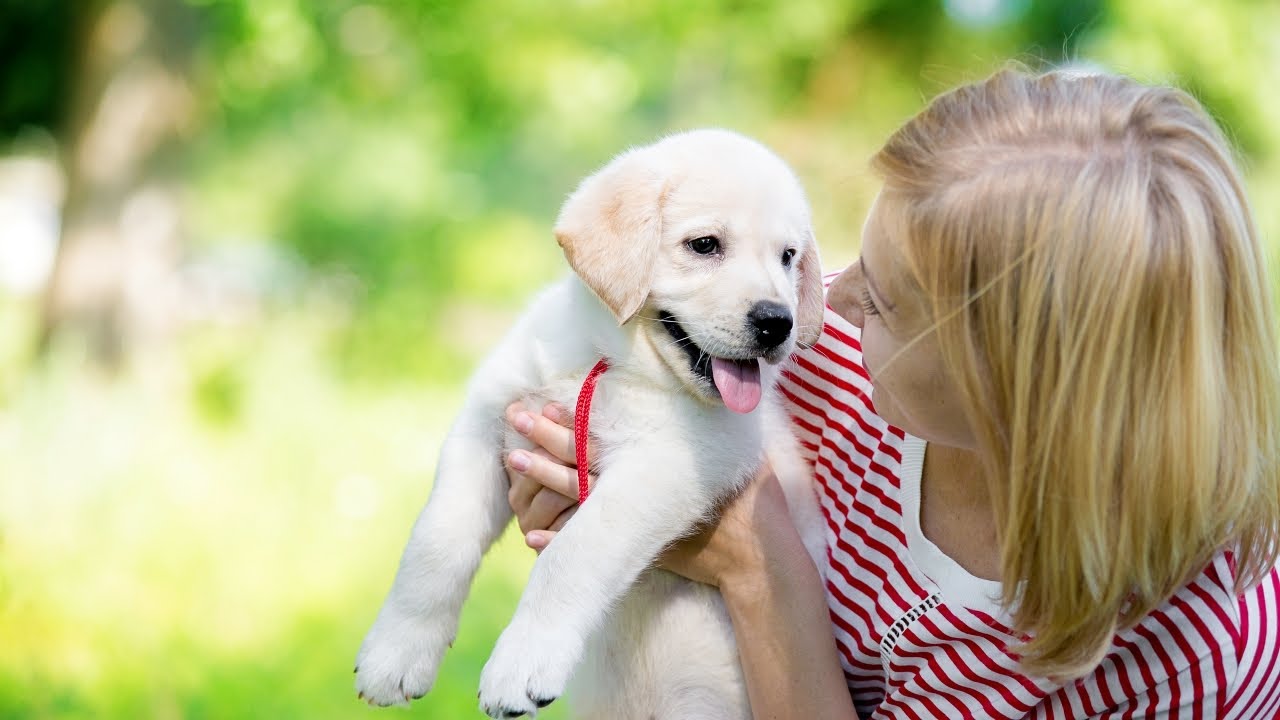
Being a good first-time dog owner does not require knowing everything on day one. It requires a safe setup, a willingness to learn the individual dog’s needs, and a plan for veterinary care, nutrition, training, exercise and unexpected expenses.
Before the dog arrives
- Choose a veterinarian and identify the nearest emergency clinic.
- Prepare a secure sleeping and resting area.
- Buy an appropriate collar or harness, leash, bowls and identification.
- Remove accessible medications, toxic foods, chemicals and small objects.
- Decide who handles feeding, toilet breaks, walking and training.
- Set a realistic care budget, including an emergency plan.
Keep the first days simple
A new home can be stimulating or frightening. Avoid scheduling a parade of visitors. Give the dog time to sleep, explore at a comfortable pace and learn the household routine. Rescue dogs and puppies may need very different amounts of decompression, so avoid rigid “three-day” or “three-week” rules presented as guarantees.
Arrange a veterinary visit
Bring all available records. The veterinarian can review vaccination status, parasite prevention, diet, body condition, microchip information, dental health and any medical concerns. Recommendations should reflect age, history, geography and lifestyle rather than a generic internet checklist.
Choose food by nutritional need, not advertising
Use a complete and balanced diet for the dog’s life stage. Puppies need growth nutrition; adults need an appropriate maintenance or other suitable formulation. If the dog arrives eating a food that is working well, there may be no reason to change it immediately unless the veterinary team advises otherwise.
Build predictable routines
Regular feeding, toilet opportunities, rest and exercise help a dog understand the new household. Predictable does not mean inflexible. Adjust as you learn the dog’s bladder control, energy, sleep and stress patterns.
Use reward-based training from the start
Teach the skills that make daily life safer: responding to a name, recall, settling, loose-leash walking, leaving unsafe items and cooperating with handling. Veterinary behavior organizations recommend reward-based methods and advise against aversive tools and punishment.
Start with our beginner puppy training guide if your new dog is a puppy.
Exercise should fit the dog
More exercise is not always better. Age, breed traits, fitness, weather and health matter. Growing puppies, senior dogs and dogs with respiratory, orthopedic or cardiac disease may need modified activity. Sniffing and exploration can be valuable even when the walk is not long.
Provide mental enrichment
Food puzzles using part of the daily ration, sniff games, cardboard searches and short training sessions can make indoor time more interesting. See our DIY dog enrichment guide.
Learn basic safety
Keep xylitol, chocolate, grapes, raisins, alliums, medications and other hazards secured. Use a leash or secure fenced area outdoors. Do not leave young children unsupervised with a dog. Use gates and separation proactively when the environment becomes too busy.
Our toxic-food guide covers common ingestion hazards.
Expect behavior to change as the dog settles
A quiet dog on day one may become more active after gaining confidence. A dog may also reveal fears, guarding or separation distress that were not obvious initially. Respond to the behavior you actually see rather than assuming it reflects stubbornness or dominance.
Budget beyond the adoption or purchase fee
Food, veterinary care, parasite prevention, training, grooming, equipment, boarding and emergencies all add to the cost of ownership. Our first-year dog budget checklist can help you create local estimates.
Choose a veterinarian before the first problem
Register with a clinic early and learn how after-hours emergencies are handled. Bring previous records, vaccination history and medication information to the first appointment so preventive care can be planned from accurate information.
Identification should be redundant
A collar tag is visible immediately, while a microchip provides permanent identification if the collar is lost. Keep registration details current after every move or phone-number change.
Build alone-time gradually
Do not wait until the first full workday to discover how the dog handles separation. Start with short, calm absences and increase them gradually. A dog that panics, destroys exit points or cannot settle may need a behavior plan rather than simply “more practice.”
Feed measured meals
Use body condition and veterinary advice rather than leaving food available without tracking intake. Measured feeding makes appetite changes easier to notice and helps prevent slow weight gain.
Learn normal stool, urine and drinking patterns
New owners often notice illness first through routine changes. Increased thirst, repeated vomiting, diarrhea, straining to urinate or a sudden drop in appetite deserves attention even when the dog is still playful.
Do not rush social exposure
A new dog does not need to meet every neighbor, dog and visitor in the first week. Give the dog time to settle, then introduce people and environments at a pace that keeps behavior relaxed and recoverable.
Prevent predictable household hazards
Secure medications, food waste, electrical cords, cleaning products and small swallowable objects. Gates and closed doors are often more reliable than expecting a newly arrived dog to make perfect choices immediately.
Plan for grooming before it becomes urgent
Introduce brushing, nail handling, ear checks and tooth brushing gradually. Cooperative care is easier to build when nothing hurts and no emergency trim is required.
Keep records in one place
Store vaccine dates, microchip details, insurance documents, medication lists and emergency contacts together. A simple digital folder can save valuable time during travel or urgent veterinary care.
Plan the first night
Choose where the dog will sleep, how late toilet trips will work and which rooms are off-limits. A simple predictable first night usually helps more than giving the dog immediate access to the whole house.
Use gates before conflict appears
Separate feeding areas, children’s play spaces and resident pets when needed. Preventing crowding around food, doors and resting places is easier than trying to repair repeated tense interactions later.
Learn your dog’s recovery speed
Notice how long it takes the dog to settle after visitors, walks or new experiences. Slow recovery can mean the day is too stimulating even when the dog appeared excited rather than fearful.
Keep expectations realistic for the first month
Many behaviors change as the dog becomes comfortable. Focus on routine, safety and trust before expecting polished manners in every setting.
Choose one training vocabulary across the household
Agree on cues, feeding rules, furniture access and door routines so the dog is not learning a different system from each person. Consistency lowers confusion and makes progress easier to measure.
Review the plan after two weeks
Once the dog has settled, reassess appetite, sleep, toileting, exercise and behavior. Adjust the routine based on the dog you actually have rather than the expectations you had before arrival.
Teach emergency handling early
Practise touching the collar, looking at paws and briefly settling on a mat so routine care is easier before an injury or urgent visit makes handling necessary.
Keep early routines simple enough that every household member can follow them consistently, even on busy days.
Write down the routine so everyone follows the same plan from the beginning.
Consistency builds trust steadily over time.
Keep the household routine clear, repeatable and easy for everyone to follow consistently.
Sources and further reading
- AAHA: Preparing for a New Puppy
- AAHA: Canine Life Stage Guidelines
- AVSAB: Humane Dog Training Position Statement
This guide is a starting point, not an individualized veterinary or behavior plan.



0 comments