
Kitten Litter Box Setup: Size, Location, Litter and the First Few Days
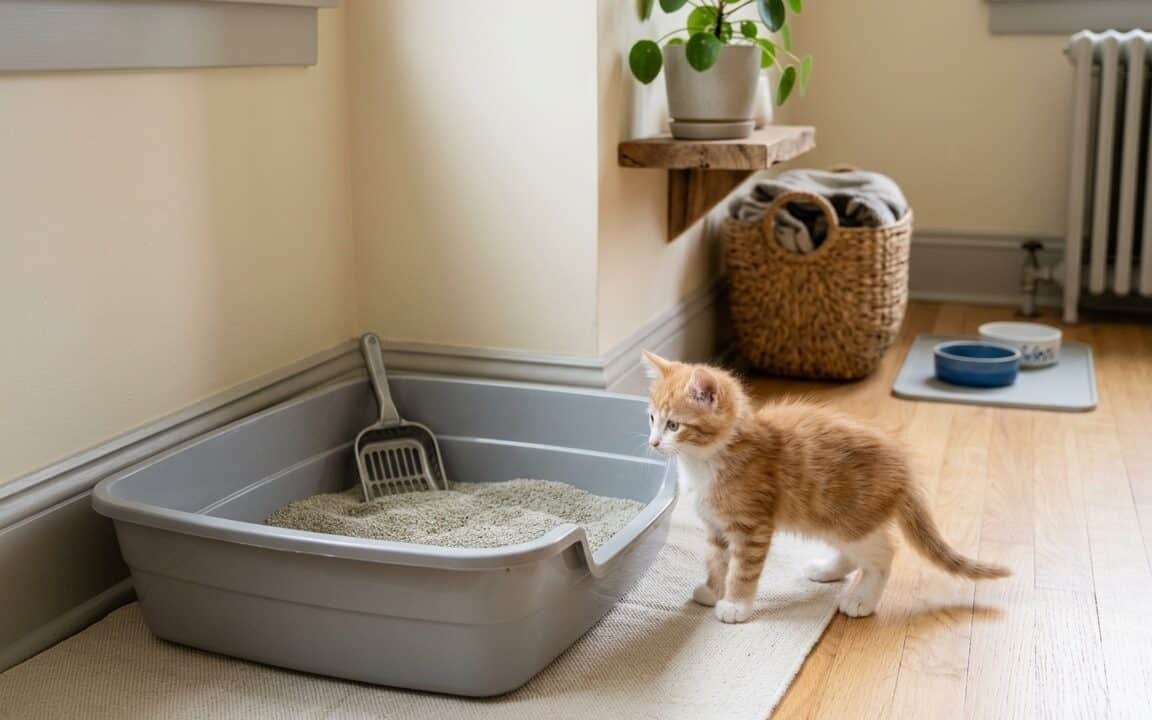
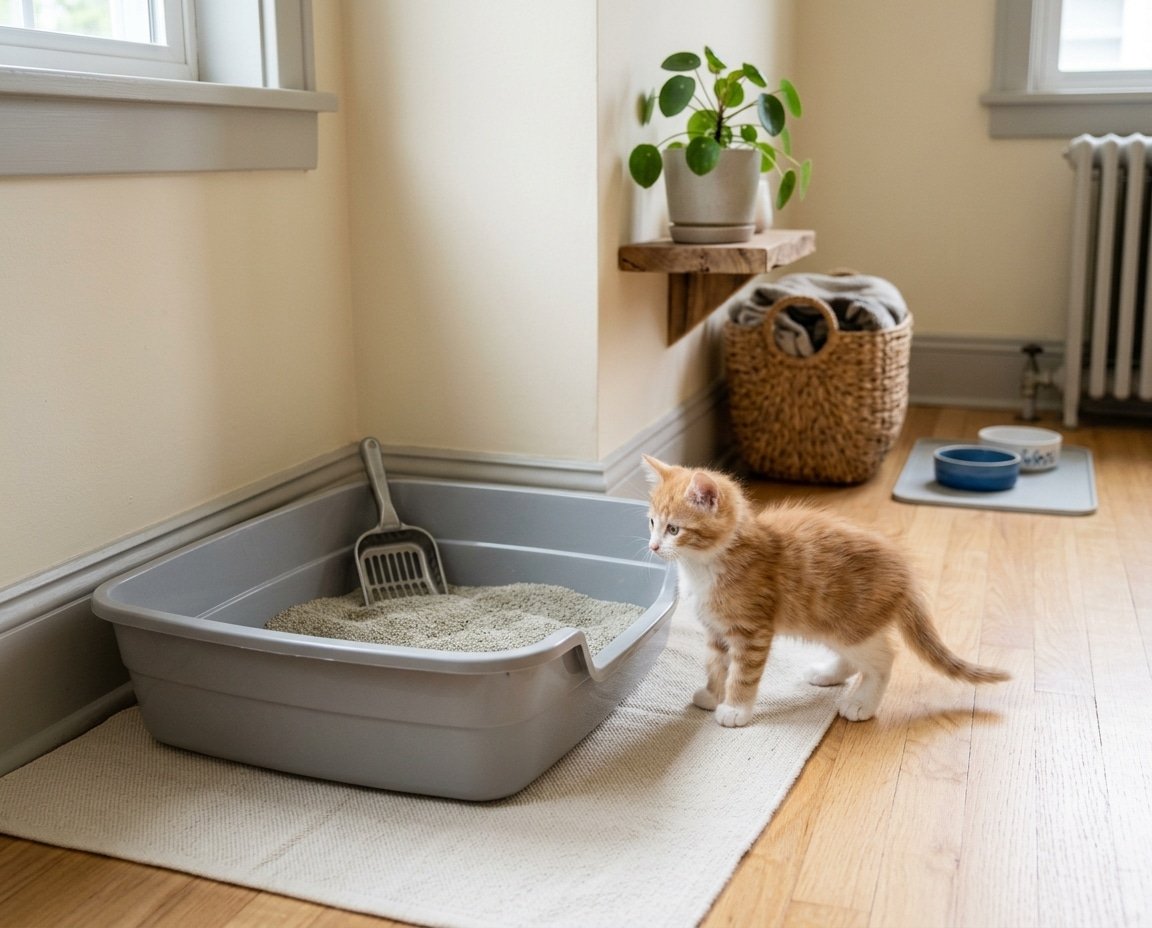
Most kittens do not need a complicated toilet-training programme. They need a box they can reach, a substrate they are willing to dig in, and a location that does not make toileting difficult or frightening.
A good first setup removes obstacles before they become habits.
Start with a low entry
A small kitten may struggle with a tall storage-style tray even if the box itself is roomy. Choose an entry the kitten can step over comfortably. You can move to a deeper-sided box later as the kitten grows.
Do not buy a tiny box just because the cat is tiny today
Kittens grow quickly. Give enough room to turn, dig and choose a spot. A larger box with one low doorway is often more useful than a miniature tray that becomes cramped within weeks.
Use unscented litter first
Many cats prefer a fine, unscented substrate. Strong fragrance is designed for human noses, not feline preference. If you know what litter the breeder, foster home or shelter was using, beginning with the same material can make the transition easier.
Place the box somewhere the kitten can reach without a journey
The AAHA/AAFP feline life-stage guidance emphasizes meeting environmental needs throughout kitten development. In practice, that means core resources should be easy to find and access.
During the first days, keep a box in or very near the kitten’s safe room. Do not make a young kitten cross an entire home or climb stairs to toilet.
Keep food and water away from litter
Arrange the safe room so the feeding station and toilet area are separate. The room can still be small; they simply should not sit side by side.
Quiet is good; inaccessible is not
A box behind a door that gets shut, beside a loud appliance or deep in a dark basement is not a reliable kitten setup. Choose a quiet location with predictable access.
For broader placement guidance, see our best litter-box location guide.
Show the kitten where it is—once
After arrival, place the kitten near the tray so they can investigate. You do not need to repeatedly put the kitten inside after every meal. Most kittens quickly work out what a diggable substrate is for.
Do not punish mistakes
If an accident happens, clean the area thoroughly and check the setup. Was the box too far away? Was a door shut? Was the litter changed? Was the kitten frightened by another pet?
Scoop frequently
Small bodies still produce waste, and a kitten may be more willing to use a clean tray. Scoop at least daily and more often if needed. Avoid making abrupt full-litter changes during the first days unless there is a hygiene reason.
One kitten can still benefit from more than one box
In a multi-level or larger home, an extra box reduces travel distance. Once the kitten has more freedom, place resources where the kitten actually spends time.
Multi-cat homes need a bigger plan
Do not expect the resident cat to happily share one tray with a newcomer. A common starting point is one box per cat plus one extra, distributed in different useful locations. See how many litter boxes two cats may need.
What if the kitten eats litter?
Occasional investigation can happen, but repeated litter eating deserves attention. Avoid clumping products for very young kittens if your veterinarian or adoption organisation advises against them, and contact a veterinarian if the kitten is persistently ingesting non-food material.
What if the kitten suddenly stops using the box?
Do not assume training has been forgotten. Diarrhea, constipation, urinary discomfort, stress and access problems can all change toileting. If a previously reliable kitten starts straining, crying, urinating very frequently or producing little urine, seek veterinary advice promptly.
Keep the first setup boring and reliable
The best kitten litter box is not the most decorative one. It is the box the kitten can enter easily, in a quiet place that is always accessible, filled with a substrate the kitten accepts and kept clean enough to use without hesitation.
Keep the kitten’s first territory small enough to understand
A whole house can be too much on day one. Starting in one safe room helps the kitten learn where the litter box, food, water and resting areas are. Once the kitten is using the box reliably and exploring confidently, expand access gradually.
Watch what happens after sleep and meals
Kittens often need to eliminate after waking, eating or active play. You do not need to place the kitten in the tray every time, but make sure a box is easy to reach during those predictable moments.
Use the litter the kitten already knows when possible
If the shelter, foster home or breeder tells you the current litter type, start there. A move is already a major change. Switching substrate, box style and location all at once makes it harder to tell what the kitten dislikes.
Introduce a new litter gradually
If you want to change materials later, offer the new litter in a separate tray or transition gradually. This gives the kitten a choice and reduces the chance that the box itself becomes unfamiliar overnight.
Uncovered boxes make observation easier
An uncovered tray lets you see whether the kitten is entering, digging, straining or leaving quickly. Covers can be introduced later if the cat actually tolerates them; they are not necessary for training.
Make sure the tray does not slide
A lightweight box that moves when the kitten jumps in can be startling. Place it on a stable surface and avoid mats that bunch underneath.
Do not use strong fragrance to hide odour
If the box smells, scoop it. Heavily perfumed litter or deodorising powders may be unpleasant to a kitten’s sensitive nose. Unscented litter and regular cleaning are a more reliable combination.
Clean accidents without creating a new preferred toilet
Use a pet-safe enzymatic cleaner and remove the smell thoroughly. Avoid leaving towels, bath mats or piles of laundry in the same place if the kitten has already used them for elimination.
If accidents happen beside the box, inspect the box itself
That pattern can suggest the kitten wanted to toilet in the area but found the tray difficult. Check entry height, litter depth, cleanliness and whether the box moved or made noise.
If accidents happen far away, add access
A young kitten may simply not make it across a large house in time. Add another box near the area where the kitten spends time, particularly on another floor.
Resident cats need their own resources
A new kitten should not be expected to squeeze into a resident cat’s established toilet routine. Separate resources reduce competition and make it easier to see which cat is using which box.
Watch for guarding
An adult cat may sit outside the kitten’s room or follow the kitten toward the box. Even without a fight, that pressure can make the kitten hesitate. Place boxes where one cat cannot control every route.
What normal digging looks like
Many kittens scratch, circle, eliminate and cover. Some cover very little. The concern is repeated straining, crying, frequent trips with little output or sudden refusal to enter a previously accepted box.
Urinary signs need faster attention
Repeated attempts to urinate, obvious discomfort or little to no urine are not litter-training problems. Contact a veterinarian promptly.
Stool changes can cause accidents
Diarrhea can create urgency, while constipation can make defecation painful. If the kitten’s stool changes and accidents begin at the same time, investigate health as well as setup.
How often should the box be fully changed?
Scoop frequently and follow the litter manufacturer’s guidance for full replacement, adjusting for how quickly the box becomes soiled. Our litter cleaning guide separates daily scooping from full changes.
Do not punish, rub the kitten’s nose in waste or shout
Punishment does not teach the kitten what setup you want. It can make toileting more secretive and increase stress. Clean the accident, fix access and keep the preferred box easy to use.
A simple first-week litter checklist
- low entry;
- large enough to turn comfortably;
- quiet but accessible location;
- unscented familiar litter;
- food and water kept separately;
- daily scooping;
- an extra box if the territory is large or multi-level;
- no punishment for mistakes.
Good kitten litter training is mostly good environment design. If the box is easy to find, easy to enter and comfortable to use, most kittens need very little formal “training.”
0 comments