
Best Litter for Kittens: Texture, Scent, Safety and Easy Box Habits
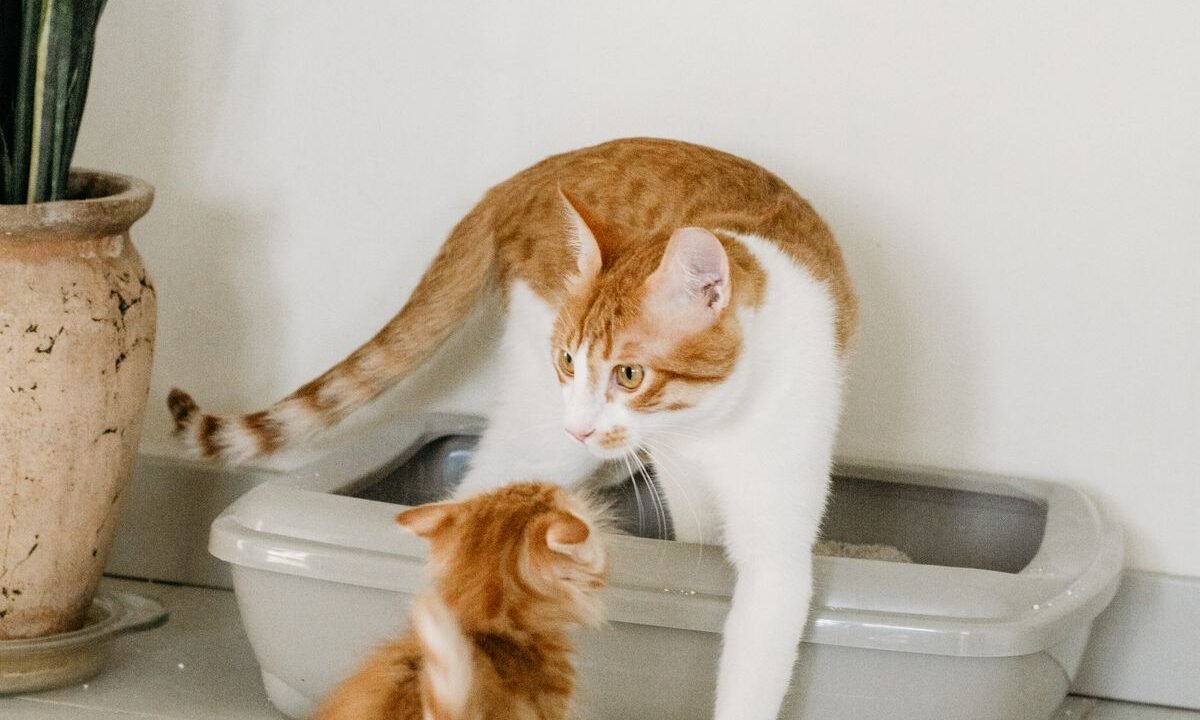
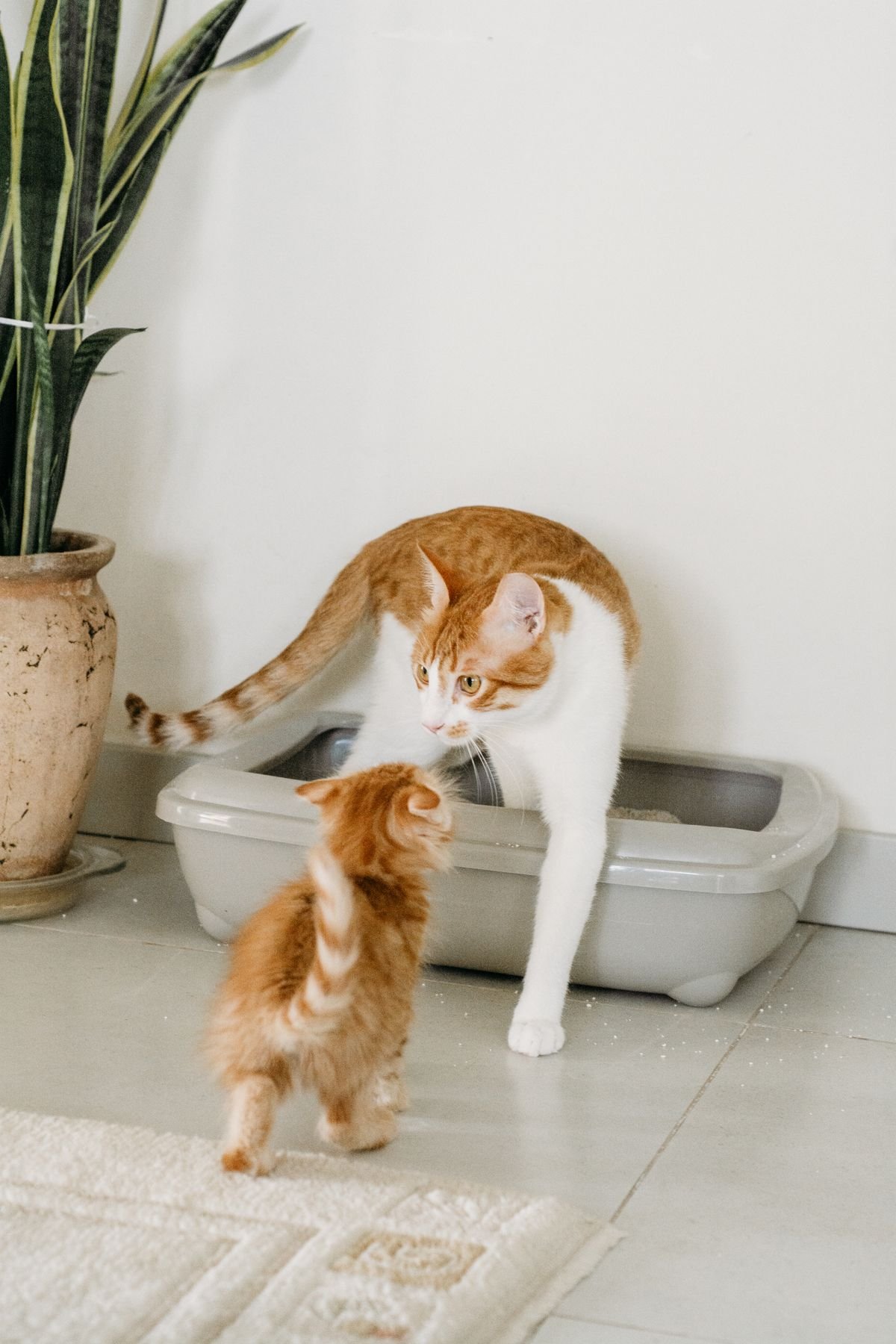
The best litter for kittens is usually less about a fashionable material and more about whether the kitten can dig comfortably, enter the box easily and use it without being put off by strong smells or awkward texture. Kittens often learn litter habits quickly, but a poor setup can make that process harder than it needs to be.
Start with the litter the kitten already knows
If your kitten came from a breeder, rescue or foster home, ask what litter they were using there. Familiar texture and smell can make the first days in a new home easier. If you want to change products later, do it gradually rather than replacing everything overnight.
Unscented litter is usually the safer starting point
Cats have a much stronger sense of smell than we do, so a fragrance that seems fresh to a person can be distracting or unpleasant to a kitten. Cornell University’s feline health guidance notes that most cats prefer unscented, fine-textured litter. That makes an unscented product a sensible place to begin.
Texture matters more than clever marketing
A kitten needs to be able to step, turn, dig and cover comfortably. Very sharp, coarse or unfamiliar material may be less appealing than a softer, finer substrate. If your kitten avoids one type, offer a second box with a different texture rather than repeatedly placing the kitten into a litter they dislike.
A low-entry box is just as important as the litter
Young kittens have short legs and may struggle with tall sides. A low entry gives them an obvious route in and out. Our kitten litter-training guide explains how box height, placement and first-week routines work together.
Do not overfill the tray
More litter is not automatically better. A very deep layer can feel unstable under tiny paws and makes unnecessary mess. Start with a shallow, diggable layer and adjust according to the kitten’s behavior and the manufacturer’s instructions.
Keep the box clean without making it smell like cleaner
Scoop waste frequently and wash the tray with mild, unscented products when needed. Strong disinfectant or perfume can replace one unpleasant smell with another. The aim is a clean toilet area, not a tray that smells strongly to human noses.
Clumping versus non-clumping is not the only question
Owners often focus on whether kitten litter should clump, but product ingredients, particle size, dust, the kitten’s age and whether the kitten tries to eat litter can all matter. If your kitten repeatedly eats litter, stop treating it as a normal curiosity and speak with your veterinarian about the safest next step.
Watch what happens after you change brands
A kitten that suddenly hesitates, perches on the edge of the tray or toilets beside the box may be reacting to the new texture or scent. Cornell also notes that sudden litter changes can contribute to litter-box aversion. Mix the new litter into the old gradually if a change is necessary.
Give more than one box when space allows
A second tray can help a kitten find a toilet quickly and gives you a way to compare preferences if you are testing two litter types. In multi-cat homes, multiple boxes also reduce competition. Our guide to cat litter-box problems and setup explains the usual “one per cat plus one” approach.
Avoid changing litter and box location at the same time
If you change several things at once, it becomes difficult to know what the kitten dislikes. Keep the tray in a quiet, accessible location and make one change at a time. That gives the kitten a fair chance to adapt.
A simple litter the kitten uses willingly is the right choice
The best litter for kittens is not the one with the longest feature list. It is the one that is safe for the individual kitten, easy to keep clean and accepted without hesitation. Start simple, watch the kitten’s behavior and change only when there is a clear reason.
0 comments