
Introducing a New Pet to Children: Safe First Meetings and Everyday Rules
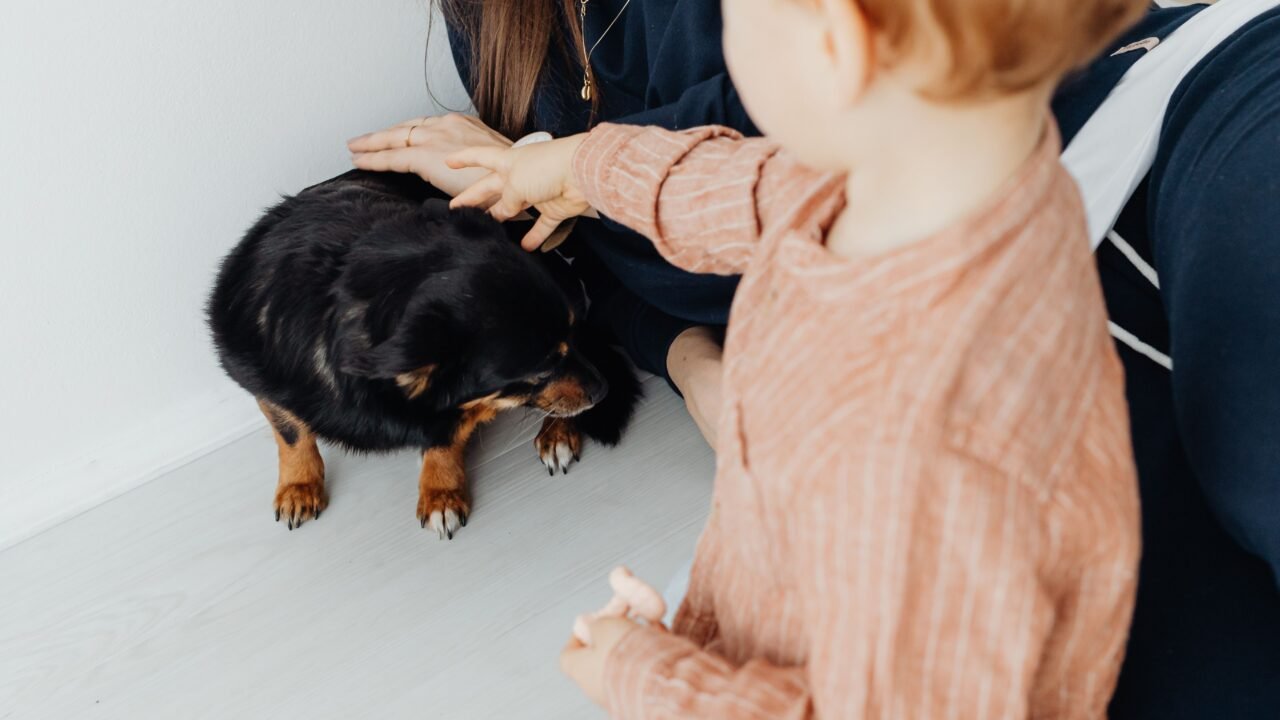
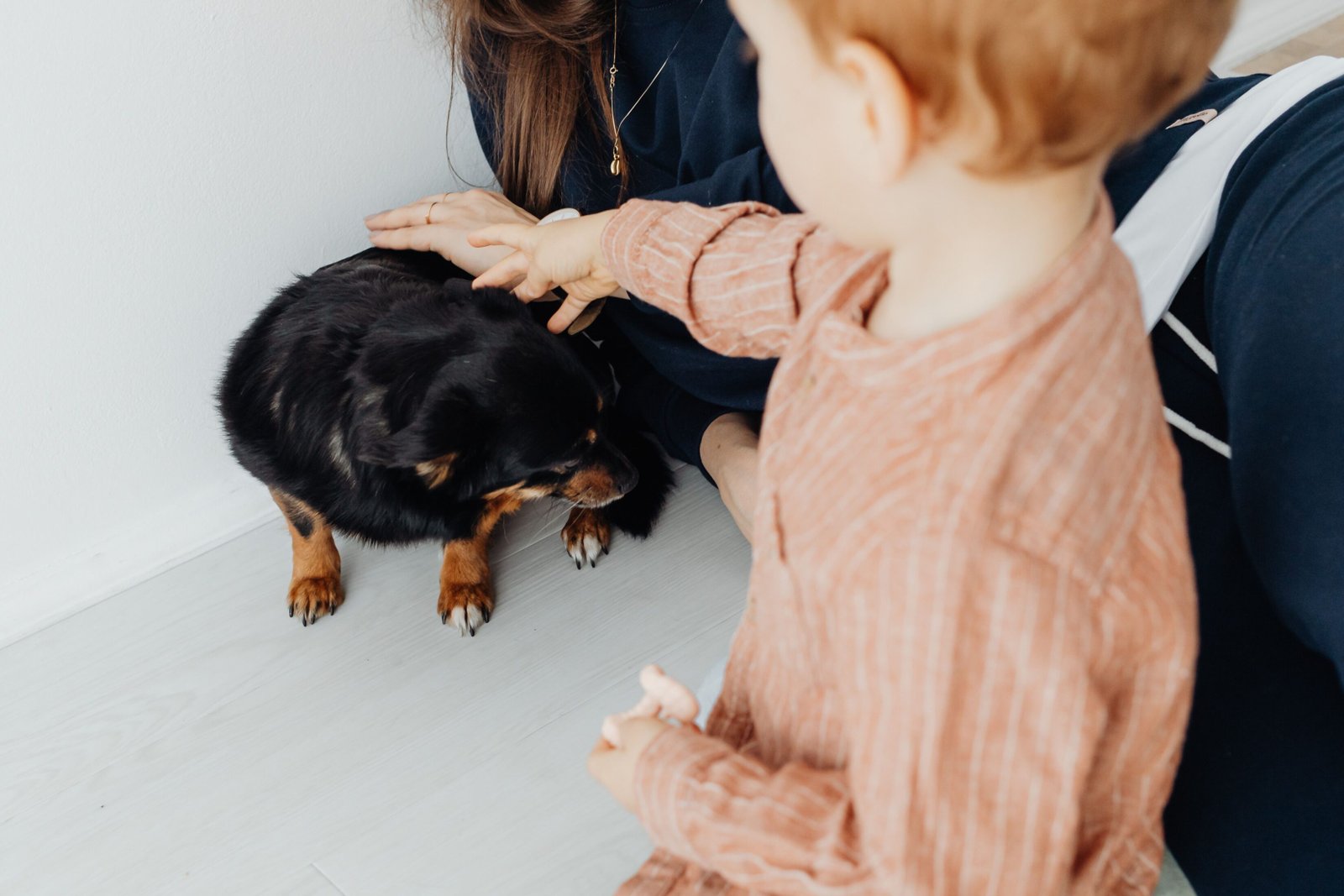
Introducing a new pet to children should feel calm, not dramatic. A child may be excited enough to rush, hug or crowd the animal, while the pet may still be trying to understand a new home, unfamiliar smells and unfamiliar voices. The safest goal is not an instant bond. It is a first meeting where both the child and the pet have room to feel secure.
Prepare the child before the pet arrives
Explain what the first day will actually look like. The pet may hide, sleep, refuse to play or need a quiet room. That is normal. If a child expects constant cuddling, disappointment can turn into pushing for interaction before the animal is ready.
Keep the first meeting small and quiet
One calm child and one supervising adult is usually easier for a new pet than a room full of family members. Sit rather than crowding the animal, keep voices low and let the pet look around. If the pet chooses distance, allow it.
Let the pet approach when possible
Children often want to reach first. A better habit is to pause and let a dog or cat choose whether to come closer. The CDC’s current dog-safety guidance also advises allowing an unfamiliar dog to approach rather than immediately reaching toward it.
Teach gentle touch before teaching tricks
Show the child what slow, open-handed petting looks like and which areas the animal appears comfortable having touched. Avoid pulling ears or tails, climbing on the pet, grabbing paws or squeezing the animal in a hug. Even a tolerant pet can become frightened when handling is too intense.
Give the pet a no-child zone
A bed, crate, perch, hide, pen or separate room can become the pet’s private retreat. Children should learn that when the animal goes there, interaction stops. This is especially useful for shy animals; our guide to calming a scared cat without forcing interaction explains why choice and distance matter.
Do not disturb eating, sleeping or nursing animals
Food, rest and care of young are common situations where animals may feel protective or vulnerable. The CDC specifically advises children not to disturb dogs while they are eating, sleeping or caring for puppies. Make this a household rule rather than something you mention only after a warning growl.
Supervision means active attention
Being in the same house is not the same as supervising. With young children, an adult should be close enough to interrupt grabbing, chasing or cornering before the pet feels trapped. The CDC recommends supervision around dogs and cats even when they are familiar family pets.
Teach children what “leave me alone” looks like
A dog turning away, stiffening, lip licking, growling or moving behind furniture is communicating. A cat may flatten its ears, swish its tail hard, crouch, hiss or leave. Do not punish those warnings. They are useful information. If you are dealing with a dog that growls or snaps, read our guide to understanding dog aggression and warning signs.
Avoid face-to-face contact
Children should not put their face against a dog’s or cat’s face, kiss the animal or lean over it. This is one of those rules that can feel overly cautious until a startled pet reacts quickly. A little distance protects both sides.
Use age-appropriate pet-care jobs
A child can help without being made responsible for the animal’s welfare. Depending on age, safe jobs might include filling a water bowl with an adult, choosing a toy, helping measure food or joining a calm training session. Adults should still own the feeding schedule, veterinary care, medication and safety decisions.
Handwashing matters too
Pet safety is not only about bites and scratches. Children should wash their hands after handling animals, waste, cages, bedding, food bowls or litter supplies. The CDC notes extra precautions for children under five, including avoiding contact with reptiles, amphibians, poultry and rodents because of infection risk.
If the child is nervous, do not force bravery
A frightened child and a nervous animal can amplify each other. Let the child watch from a comfortable distance, help with a low-pressure task and move closer only when both sides are relaxed. There is no prize for making the first interaction happen quickly.
If the pet hides, let hiding work
Hiding is often a coping strategy, especially during the first days in a new home. Do not send a child under a bed or behind a sofa to retrieve the animal. Instead, keep the environment predictable and allow the pet to emerge when ready.
Build short positive routines
A few calm minutes can be more useful than a long play session. For a shy dog, quiet reward-based experiences usually work better than forcing social contact; see our shy dog socialization guide for a slower approach.
Know when a meeting should end
Stop if the child becomes loud or rough, the pet repeatedly tries to leave, body language becomes tense or the animal begins guarding space. Ending early is not a failed introduction. It prevents a difficult moment from becoming the pet’s first strong memory of the child.
After a bite or scratch, take it seriously
Wash minor wounds promptly with soap and water and seek medical advice for deep wounds, uncontrolled bleeding, signs of infection or concerns about rabies or tetanus. Do not make the child immediately “make friends again” with the pet. Work out what happened first.
The best first meeting may look uneventful
If the child sits quietly, the pet sniffs, everyone stays relaxed and the animal walks away without drama, that is a good beginning. Trust is built through repeated safe interactions. A memorable first cuddle matters far less than a household where the child respects the pet and the pet has a reliable way to say no.



0 comments