
Introducing a Rescue Dog to Children: Safe First Meetings, Boundaries and Trust
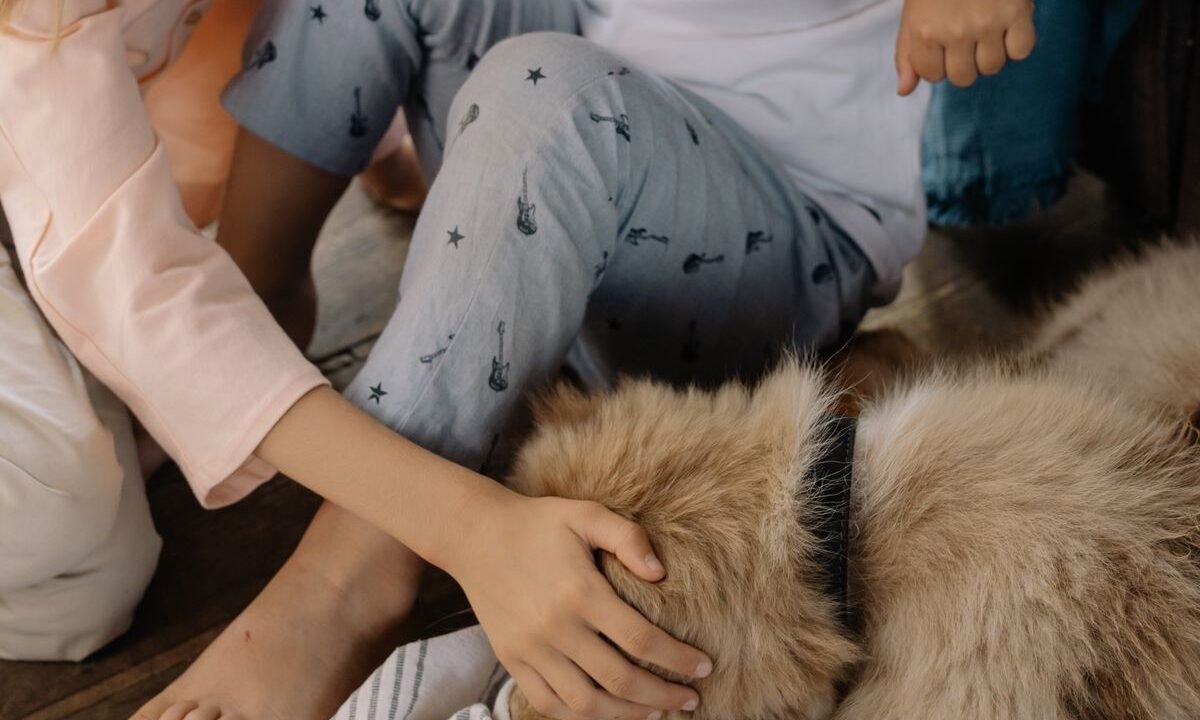
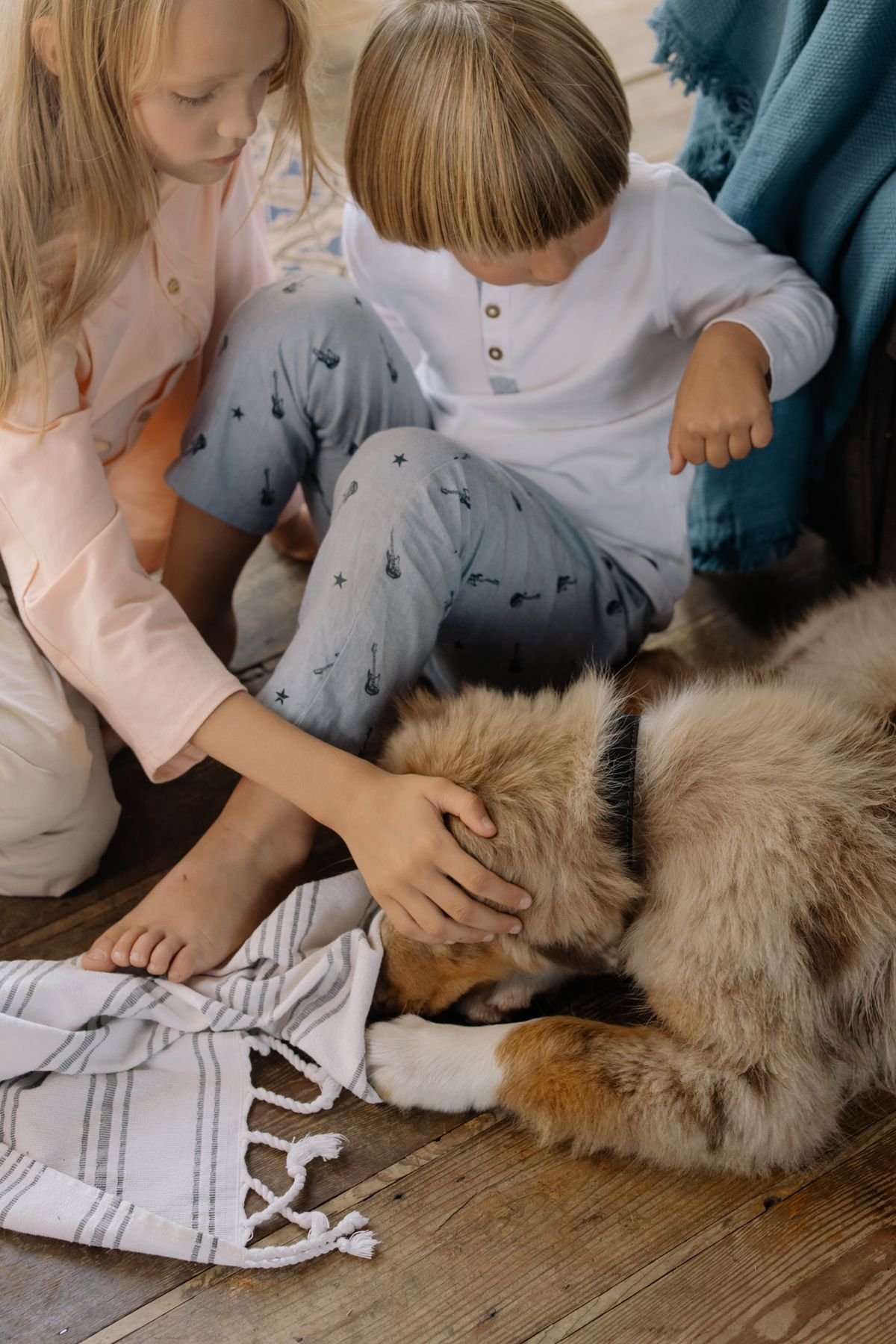
Introducing a rescue dog to children needs more planning than simply bringing everyone into the same room and hoping they connect. Rescue dogs can arrive with unknown experiences, limited exposure to children or stress from transport and a new environment. Children, meanwhile, can move quickly, speak loudly and show affection through hugs or close face-to-face contact. A safe introduction gives the dog room to observe and teaches the children how to behave before excitement takes over.
Confirm that the dog is a suitable match for the household
If you are adopting through a rescue, be open about the children’s ages, behavior and previous experience with dogs. The RSPCA notes that suitability depends on the individual dog’s temperament as well as the ages and experience of the children. A dog that is comfortable with calm teenagers may not be suitable for a home with toddlers.
Prepare the children before the dog arrives
Explain that the first meeting is not a party. Children should use quiet voices, walk rather than run and allow the dog to approach. Agree in advance that nobody will hug, climb on, chase or corner the dog. Those rules are easier to enforce before the dog is standing in the room.
Create a dog-only safe retreat
Set up a bed, crate, gated area or quiet room where the dog can rest without being followed. The RSPCA rescue-dog guidance stresses that dogs need somewhere safe to go and that children should leave them alone there.
Keep the first meeting short and calm
A long first interaction can turn a good start into an exhausted dog. Let the dog enter, explore and observe while an adult supervises. If the dog chooses to move away, allow it. You do not need a photograph of the child hugging the new dog on day one.
Let the dog choose whether to approach
Children can sit sideways or focus on a quiet activity rather than staring at the dog. An adult may reward calm behavior. Do not lure a fearful dog close enough to be touched if they are trying to maintain distance.
Avoid hugs and face-to-face contact
Many children naturally want to hug a dog around the neck or bring their face close. Dogs may find this threatening or restrictive. Teach children to stroke the shoulder or side only when the dog is actively seeking contact and an adult is supervising.
Never disturb eating, sleeping or high-value items
The RSPCA’s child-safety rules specifically advise children not to approach dogs that are eating, holding something valuable, sleeping, unwell, injured or tired. Feed the rescue dog in a quiet area and make chews or prized toys an adult-managed activity.
Supervision means active supervision
An adult in the same house is not enough if the dog and child are together in another room. The RSPCA advises never leaving a child alone in the same room as a dog, even a familiar family dog. Stay close enough to notice body language and intervene before either the child or dog becomes overwhelmed.
Teach children the dog’s early discomfort signals
Turning away, freezing, lip licking, tucked posture, trying to leave or refusing food can all indicate discomfort. Children do not need to become behavior experts, but they can learn one simple rule: if the dog walks away or looks worried, stop interacting and tell an adult.
Keep the dog’s first week predictable
Meals, toilet breaks, walks and rest should follow a simple pattern. Our rescue dog confidence guide explains why predictability and choice can help a nervous dog settle without being flooded with new experiences.
Use barriers before behavior becomes difficult
Baby gates and separate rooms are useful when children are playing loudly, friends visit or the dog needs uninterrupted rest. Management is not a sign the introduction has failed. It is how you prevent a stressed dog from being asked to cope with more than they can handle.
Do not punish growling around children
A growl is a warning. Move the child away and increase safety rather than correcting the dog for communicating. If growling, snapping, guarding or chasing occurs, stop informal introductions and seek help from your veterinarian and a qualified reward-based behavior professional.
Give children safe ways to participate
Older children can help scatter part of a meal into a food puzzle, refill water under supervision or toss treats away from themselves during training. Fishing for closeness is not the goal; calm shared routines can build a better relationship.
Use the broader child-and-pet rules throughout the household
Our new pet to children guide covers everyday rules that apply across dogs, cats and other pets. A rescue dog’s background may require extra caution, but the basics remain consistent: supervision, boundaries and respect for the animal’s space.
Trust is built after the first meeting
A safe introduction is only the beginning. The dog learns about the children through hundreds of ordinary moments: quiet mornings, predictable meals, supervised play and being allowed to rest undisturbed. Those repetitions matter more than forcing instant affection.


0 comments