
How to Calm a Scared Cat Without Forcing Interaction
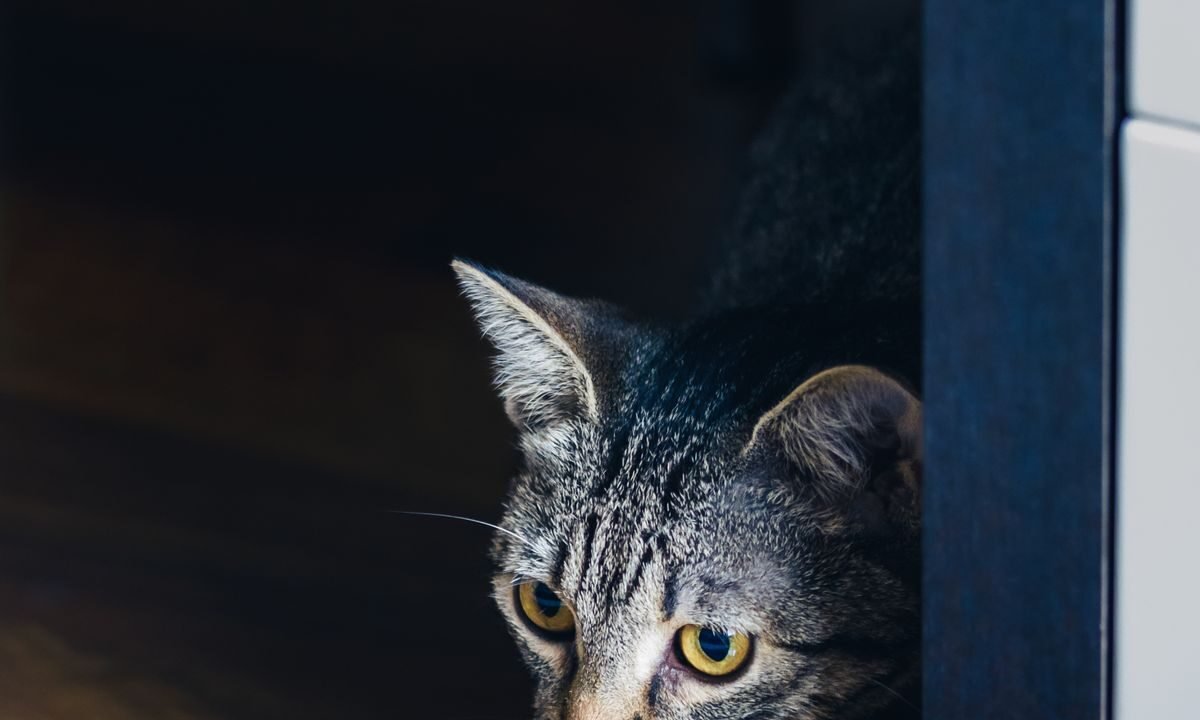
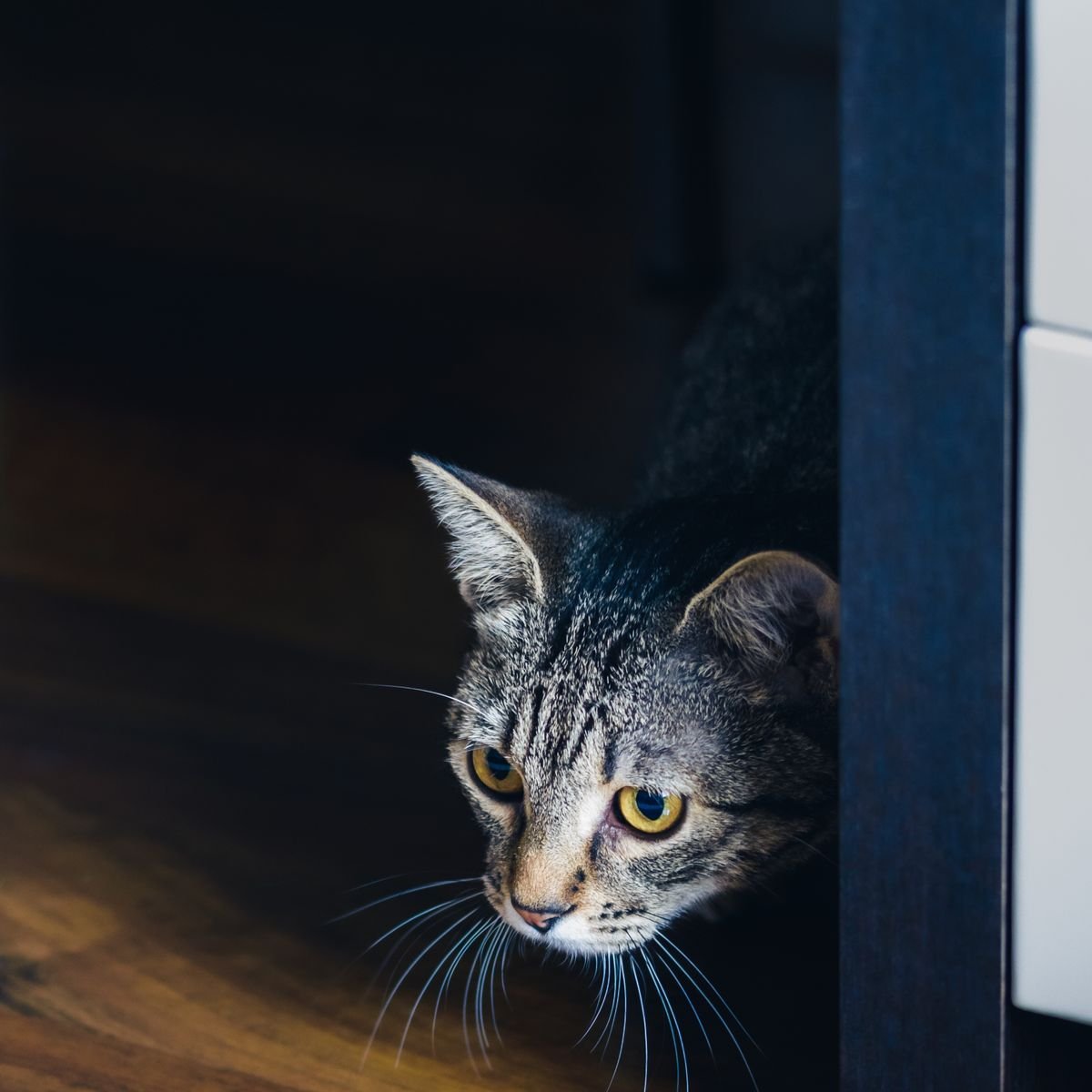
A scared cat does not need to be convinced that nothing is wrong. They need enough control and distance to discover that they are safe. If your cat is hiding, freezing, crouching, avoiding eye contact or running away, the most useful first step is usually to reduce pressure rather than increase attention.
Give the cat somewhere safe to hide
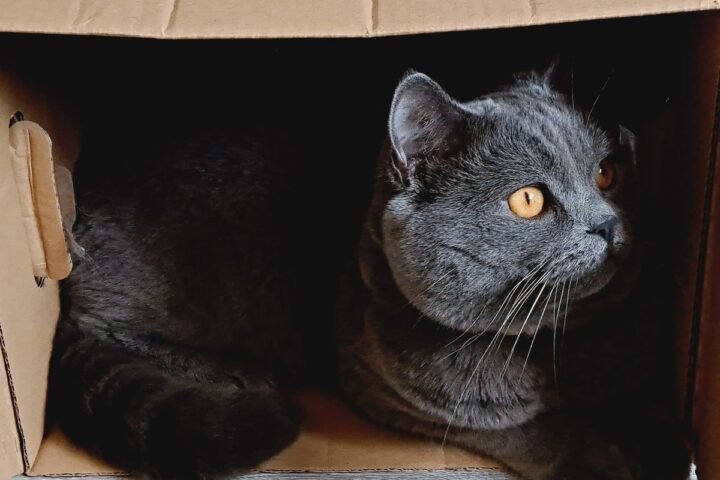
A cardboard box, covered bed, open carrier or high shelf can give a frightened cat a secure retreat. The Cats Protection guide to shy cats recommends providing refuges where cats can hide and allowing them to come out in their own time.
Do not pull a cat out of hiding
Hiding is a coping strategy. Reaching under furniture, blocking exits or repeatedly coaxing the cat can increase fear. Keep food, water and a litter box accessible, but let the cat choose when to emerge.
Keep your body language quiet
Sit sideways rather than facing the cat directly, avoid looming over them and keep movements slow. A frightened cat may find direct staring threatening, so look away frequently and let the cat watch you without pressure.
Use routine to make the day predictable
Feed, clean the litter box and interact at roughly consistent times. Predictability reduces the number of surprises a nervous cat has to process. Cats Protection also recommends routine as one of the main ways to help a shy cat settle.
Let the cat approach you
Instead of reaching toward the cat, sit quietly nearby and allow them to decide whether to move closer. If they approach, keep your first interactions brief. A small food reward can help create a positive association without trapping the cat beside you.
Use play only when the cat is ready
A wand toy can allow interaction at a comfortable distance, but do not wave it toward a cat that is still frozen or trying to hide. Play is useful only when the cat is curious enough to engage.
Reduce the trigger where possible
If the fear is linked to visitors, construction noise, another cat, a new pet or a recent move, change the environment before trying to train through it. Close curtains, create a quiet room, separate pets or give the cat more vertical space.
Do not punish fear
Hissing, hiding or swatting can be defensive responses. Scolding does not make the cat feel safer and may add another reason to avoid people. Give space, then work on reducing the situation that caused the reaction.
Know when hiding may be medical
A cat that suddenly hides more than usual may be stressed, but illness or pain can cause the same change. Our guide to sudden hiding in cats explains why a new hiding pattern deserves closer attention.
Make the home easier to navigate
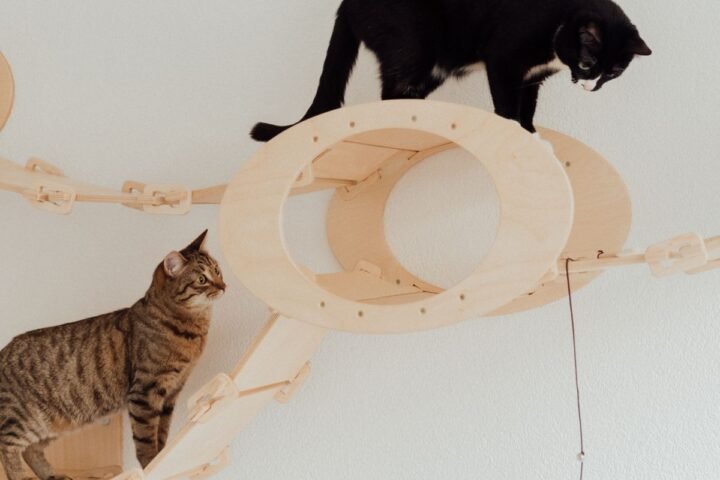
Provide separate resting places, elevated spaces, quiet litter areas and safe escape routes. Our cat-friendly home setup guide explains how resource placement and hiding spaces can reduce tension indoors.
Watch for gradual progress
Improvement may look small at first: eating while you are in the room, choosing a less-hidden resting place, blinking slowly, exploring at night or approaching for a treat. Those changes matter more than trying to force physical affection.
Get veterinary help if fear appears suddenly
If a previously confident cat suddenly becomes withdrawn, stops eating, changes litter habits, seems painful or remains unusually fearful, contact your veterinarian. A medical cause should be ruled out before treating the change as a behavior problem.
Manage visitors before they arrive
If your cat is frightened by unfamiliar people, prepare a quiet room or hiding area before the doorbell rings. Ask visitors not to follow, reach for or stare at the cat. Letting the cat remain hidden is often more helpful than trying to prove that the visitor is friendly.
Check whether another cat is causing the fear
Outdoor cats visible through windows or conflict with another household cat can keep a nervous cat on alert. Block the view temporarily, add separate resources and watch whether the cat relaxes when social pressure is reduced.
Safety and choice come before affection
To calm a scared cat, create safety first. Give them hiding places, predictable routines, quiet body language and the freedom to approach on their own terms. Confidence usually grows faster when the cat does not feel chased, trapped or pressured.
0 comments