
Understanding Dog Aggression: Warning Signs, Triggers and Safer Next Steps
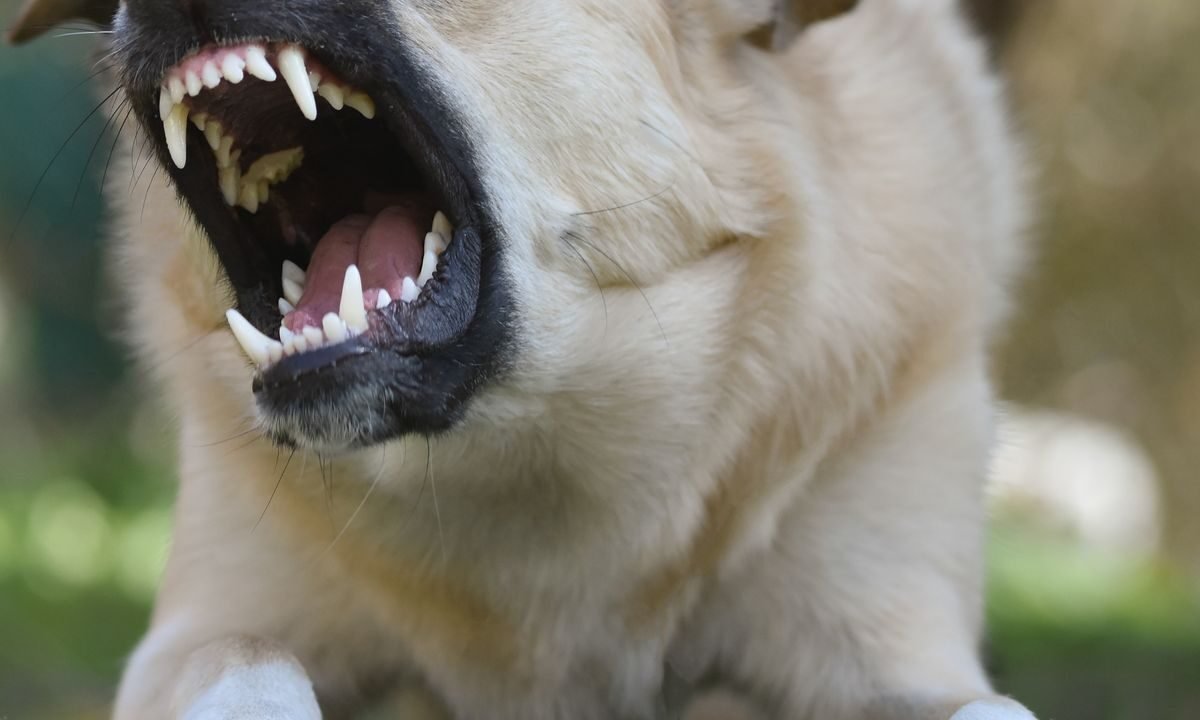
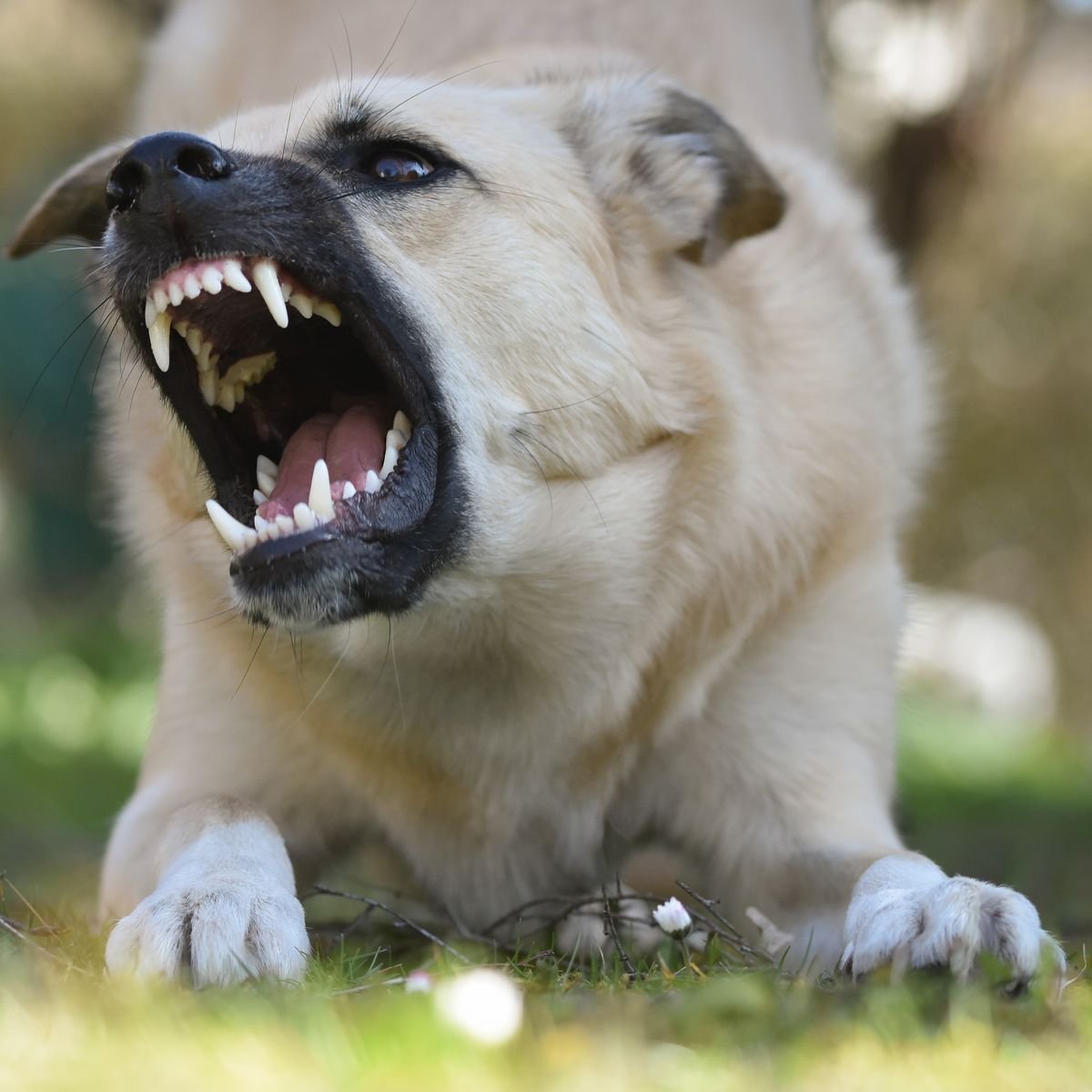
Aggression is not a personality label. It is behavior that can include growling, snapping, lunging or biting, and it usually happens in a particular context. Understanding what happens before the behavior is more useful than calling a dog dominant, bad or unpredictable.
Aggression often has a trigger
Common triggers include fear, pain, handling, guarding food or toys, frustration behind a barrier, conflict with another dog, unfamiliar people, territorial situations and protection of puppies. More than one trigger can exist in the same dog.
Watch the earlier warning signs
Many bites are preceded by subtler signals such as freezing, hard staring, closing the mouth suddenly, turning the head away, showing the whites of the eyes, stiffening, moving away, growling or raising the lip. Not every dog shows every sign, but recognizing discomfort earlier gives you more time to create distance.
Pain can change behavior
A dog with arthritis, dental pain, ear disease, injury or another medical problem may react when approached or touched. Sudden aggression in a dog with no previous history deserves a veterinary examination before assuming the problem is purely behavioral.
Resource guarding is one specific pattern
Dogs may guard food, toys, resting places or even access to people. Taking items by force can escalate the problem. Our resource guarding guide explains management and reward-based training in more detail.
Fear-based aggression needs more safety, not more pressure
A frightened dog may lunge because earlier attempts to move away were ignored. Forcing greetings or trapping the dog near the trigger can increase the chance of a bite.
Punishment can make aggression more dangerous
The American Veterinary Society of Animal Behavior’s current humane training position recommends reward-based methods for behavior problems and advises against aversive tools and punishment. Punishing a growl can remove a useful warning while leaving the underlying fear or conflict unchanged.
Management comes before training
Use gates, leashes, distance, closed doors, separate feeding and predictable routines to prevent situations that repeatedly trigger aggression. Training is harder when the dog rehearses the same high-intensity behavior every day.
Do not test the dog
If you know the dog guards a bowl, do not keep reaching toward it to see whether the behavior has improved. Progress should be measured through controlled training, not by provoking the response.
Children need strict separation from risky situations
Children should not approach a dog while the dog is eating, sleeping, chewing something valuable or trying to move away. If a dog has shown aggression around children, use physical separation and professional guidance rather than relying on supervision alone.
A basket muzzle can add safety in some plans
A well-fitted basket muzzle can reduce bite risk during necessary situations when it has been introduced positively. It is not a punishment and it does not replace distance, management or behavior treatment.
Keep a trigger record
Write down where the incident happened, who was present, what occurred immediately before it, how close the trigger was, what the dog did and how the situation ended. Patterns often become clearer after several entries.
When to get professional help
Seek veterinary and qualified behavior help after a bite, repeated lunging, aggression that is increasing, aggression without a clear trigger or any situation where household safety is difficult to maintain. A professional plan should address both the dog’s emotional state and practical risk management.
Separate safety management from training
Practical management reduces the chance of another difficult incident, while behavior work focuses on changing the dog’s response gradually. Both matter, and neither should depend on provoking the dog to see what happens.
Do not assume breed explains the behavior
Breed can influence tendencies, but aggression cannot be understood from breed name alone. Health, learning history, environment, social experience and the specific situation all matter. Focus on the individual dog and the pattern around the behavior.
Know when outside help is needed
If incidents are becoming more frequent, if people or animals are being injured or if the household cannot maintain safe routines, involve a veterinarian or qualified behavior professional rather than continuing to experiment at home.
Treat aggression as information, not a label
Dog aggression is behavior with causes and context. Identify triggers, rule out pain, prevent rehearsals and use reward-based behavior work rather than punishment. Safety for people and the dog comes first.

0 comments