
Resource Guarding Signs in Dogs: Early Clues Before Growling or Snapping
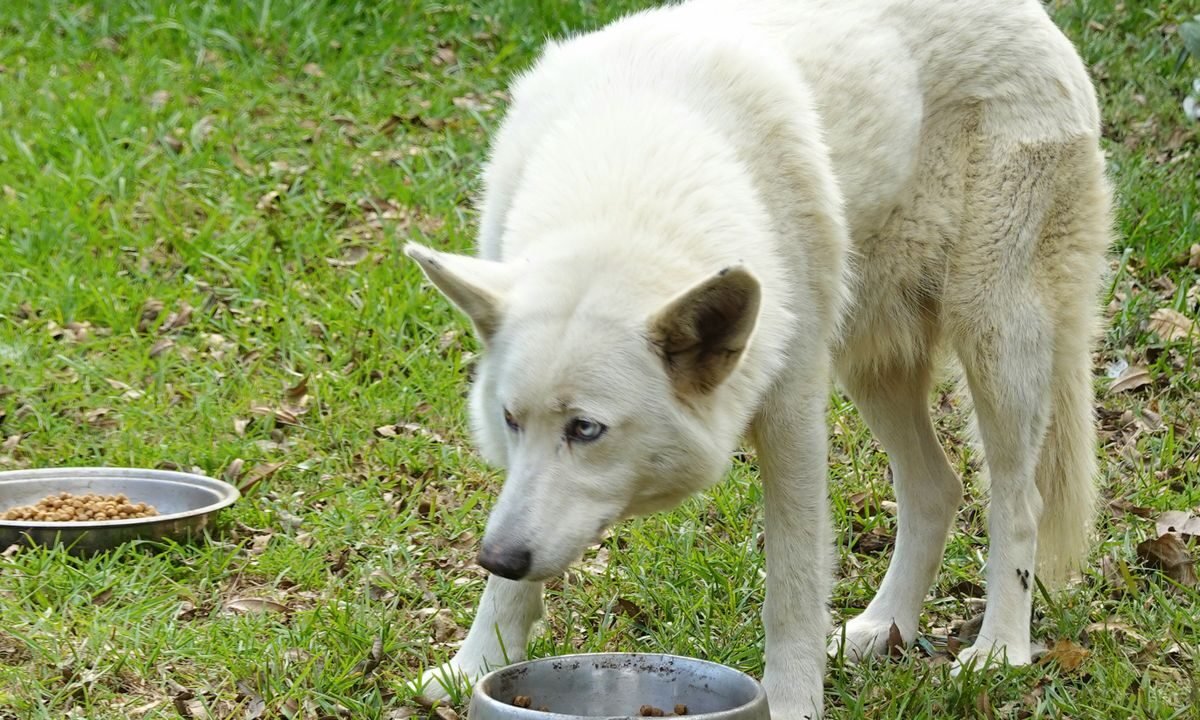
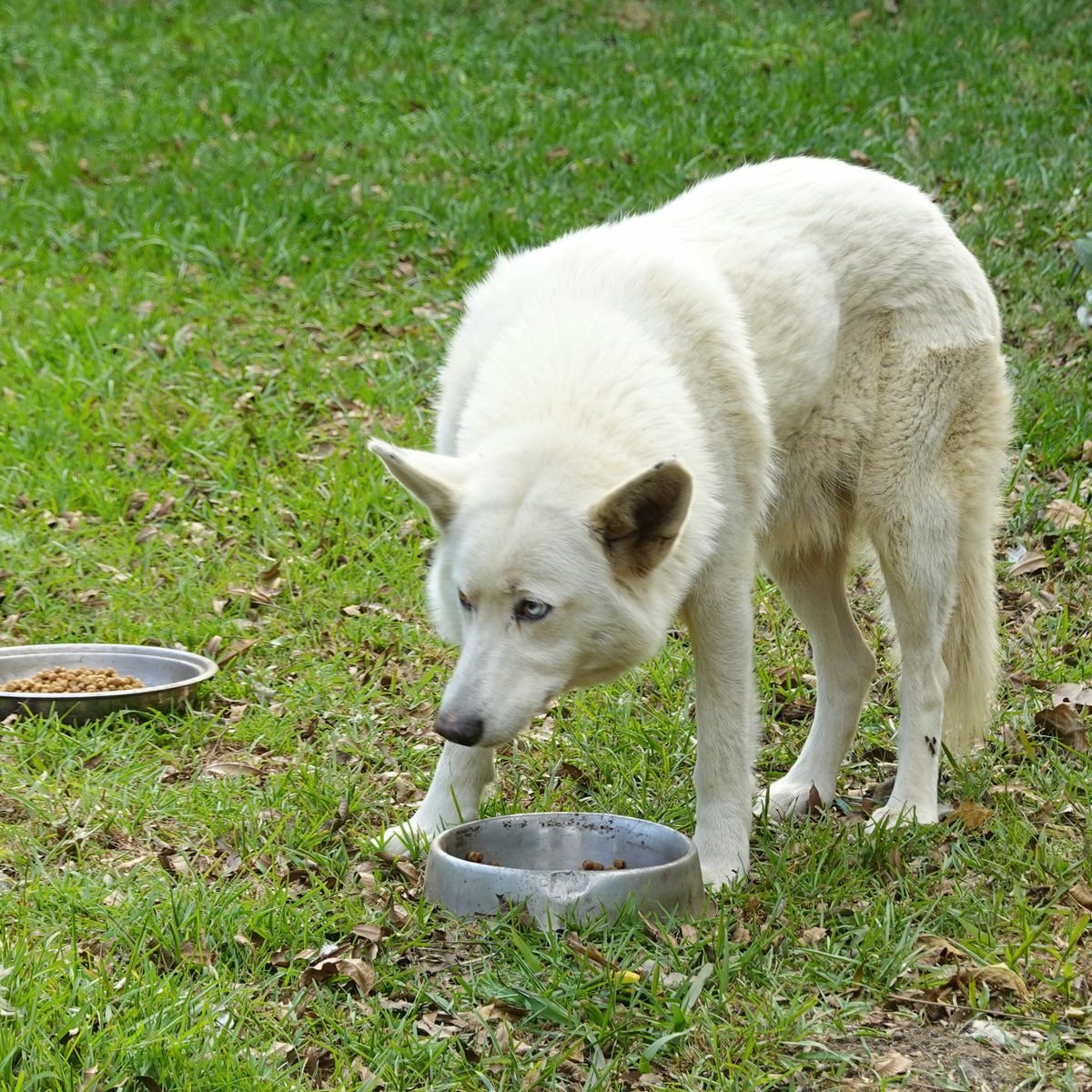
Resource guarding signs in dogs are not limited to growling over a food bowl. Guarding can begin much earlier, with body stiffness, hovering over an item, blocking another dog, eating faster when someone approaches or carrying an object away. Recognizing those quieter signs gives you more room to respond safely before the dog feels pushed into stronger warnings.
Guarding is about access to something valuable
Food is common, but dogs can guard toys, beds, stolen objects, resting places, doorways or even proximity to a person. The important question is not whether the item seems valuable to you. It is whether the dog behaves as if losing access matters.
Freezing can be an early warning
A dog that suddenly becomes still when another dog or person approaches a resource may be signaling discomfort. That pause can be easy to miss because it is quiet, but it often matters more than the obvious growl that may come later.
Watch for body blocking and hovering
Some dogs position themselves between another individual and the item, lower their head over it or move their body to prevent access. In multi-dog homes, one dog repeatedly controlling pathways to food or resting areas can also be part of a guarding pattern.
Eating faster can be information too
A dog that speeds up, gulps food or carries it away when someone approaches may be worried about losing it. Do not repeatedly reach into the bowl to “prove” you can take food away. That can make the approach itself predict loss.
Growling is a warning, not a challenge
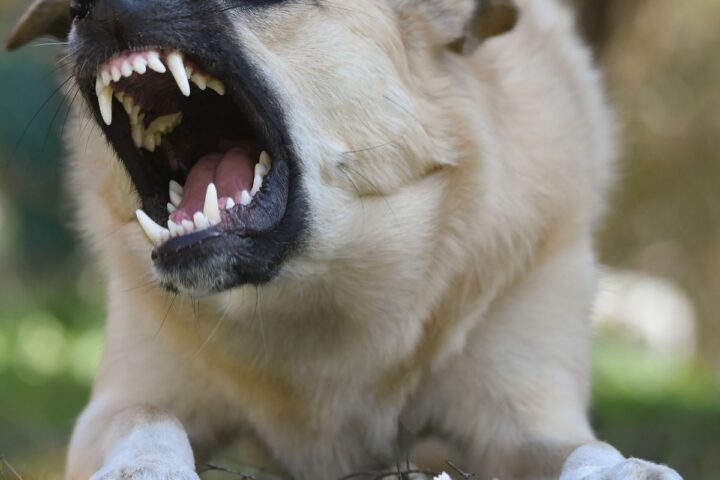
The RSPCA explains that dogs often escalate from subtle discomfort signals to growling, snarling or snapping when earlier attempts to reduce a perceived threat do not work. Its aggression guidance is useful for reading that progression.
Do not punish the warning
Punishing growling can make a dog less likely to warn next time without making them feel safer about the resource. AVSAB recommends reward-based training and management rather than aversive methods for behavior problems.
Separate dogs around high-value items when needed
Feed separately, pick up long-lasting chews if they cause conflict and provide enough resting areas that one dog does not need to defend access. Management is not a failure; it prevents rehearsing the behavior while you work on the underlying problem.
Children should never test a guarding dog
Do not ask a child to take food, toys or chews from a dog. If guarding happens around children, use physical separation and get professional advice. The safety margin needs to be larger because children can move unpredictably and miss warning signals.
Some guarding is subtle until another dog is involved
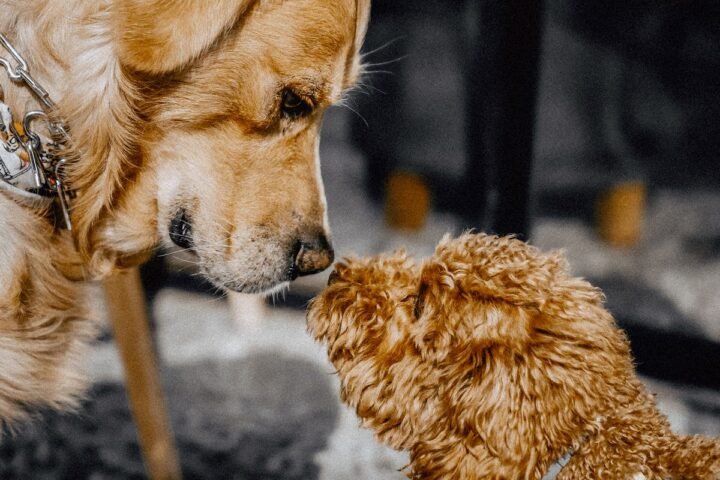
A dog may be relaxed with people but tense around another dog near food or toys. Our guide to sudden aggression toward another dog explains why new conflict between familiar dogs deserves a broader look at health, stress and resources.
Use a full training plan for the behavior itself
This article focuses on recognizing the signs. Our resource guarding management and training guide goes deeper into safer handling and reward-based behavior change.
Early recognition gives you more options
The quieter the warning you notice, the less pressure the dog has had to endure. Seeing a freeze, hover or hard stare and giving space is safer than waiting until teeth are involved.

0 comments