
Dog Suddenly Aggressive Toward Another Dog: Why a New Change Needs Attention
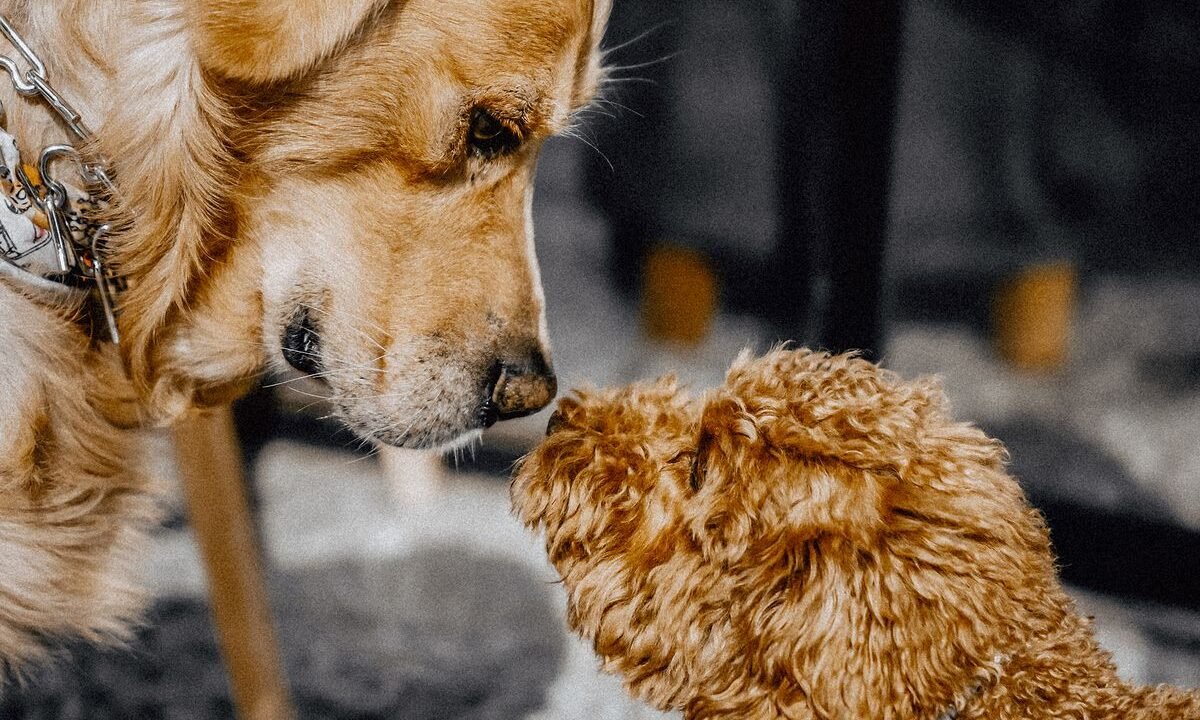
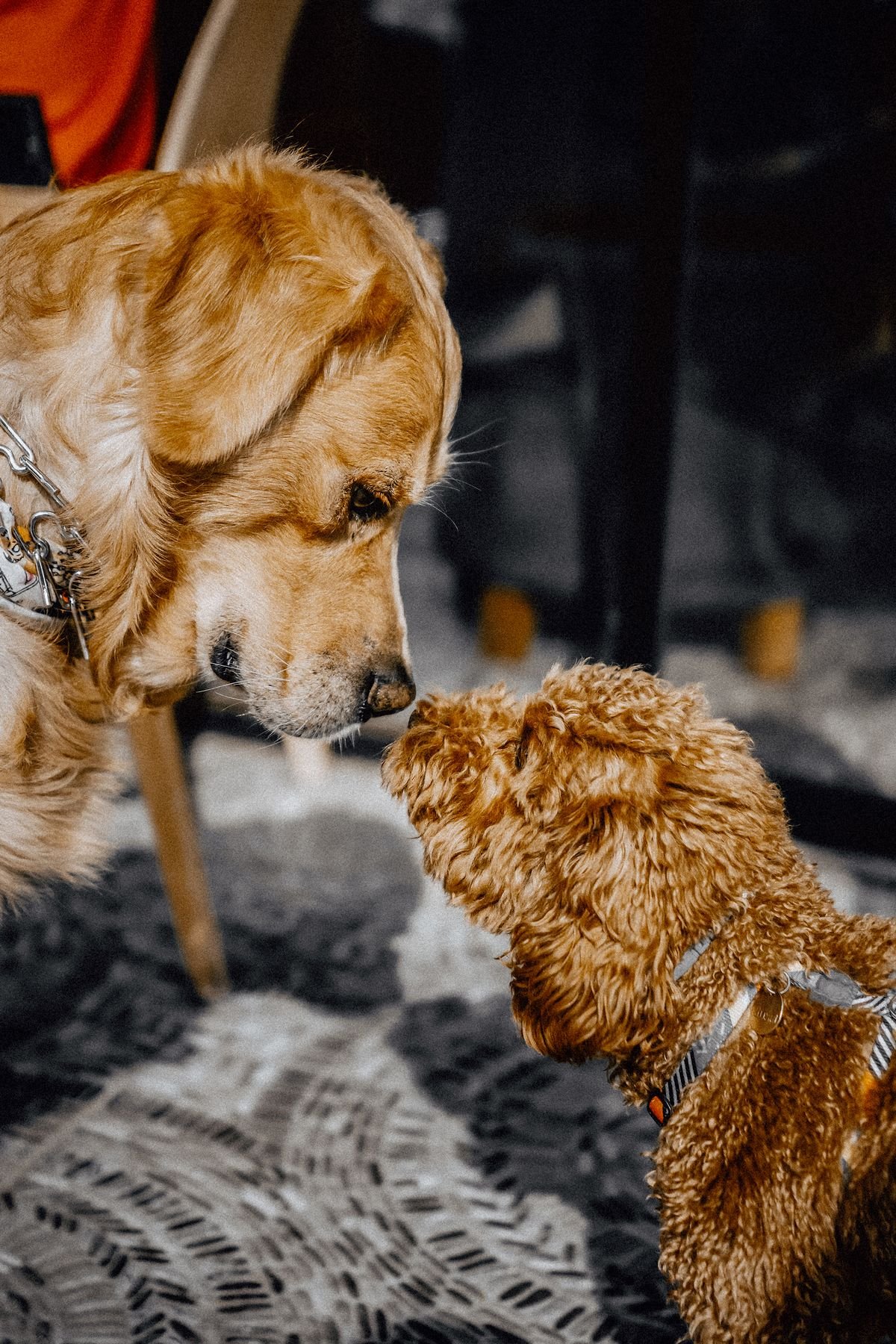
A dog suddenly aggressive toward another dog deserves more attention than a simple label such as “jealous” or “dominant.” A new behavior change can follow pain, illness, fear, resource conflict, a frightening encounter or changes in the relationship between the dogs. The safest first step is to prevent another confrontation while you work out what changed.
Separate first if another fight is possible
Use doors, gates, crates or separate rooms so the dogs can eat, rest and move around without being forced into contact. Do not keep placing them together to see whether the problem has disappeared.
A sudden change should prompt a veterinary check
Pain can reduce tolerance and make normal social contact feel threatening. Ear infections, dental pain, arthritis and other conditions may contribute to irritability. If aggression appears without a clear history, rule out medical causes early.
Look at the exact context
Does conflict happen around food, doorways, beds, toys, attention or when one dog is resting? Patterns matter. “Aggressive toward the other dog” is too broad to tell you what the trigger is.
Do not punish either dog after a confrontation
AVSAB recommends reward-based methods rather than aversive punishment for behavior modification. Punishment can add fear and arousal to an already tense relationship. Their humane training statement specifically supports management and reward-based approaches.
Resource conflict is common but not the only explanation
Food, toys, resting areas and owner attention can trigger competition. Our resource guarding guide explains what guarding looks like and how to reduce conflict around valuable items.
Age can change the relationship
A puppy reaching adolescence, an older dog becoming less tolerant or a dog developing mobility problems can alter interactions that used to be easy. Previous friendliness does not guarantee the relationship will stay identical throughout life.
Watch the quieter warning signs
Hard staring, freezing, blocking access, standing over another dog, repeatedly following them away from resources or one dog avoiding rooms can matter before growling or fighting begins. The RSPCA notes that aggression often follows earlier attempts to reduce a perceived threat.
Do not force reconciliation
Putting the dogs nose-to-nose, making them share a bed or holding both leads tightly while they “work it out” can increase pressure. Give them space and rebuild controlled exposure only when you have a safe plan.
Keep a record of incidents
Write down the location, people present, resources nearby, what each dog was doing and how the interaction ended. Patterns that feel random can become obvious after several observations.
Repeated aggression needs qualified help
If fights recur, injuries occur or one dog lives in constant avoidance, speak with your veterinarian and a qualified clinical animal behavior professional. Our dog aggression guide covers warning signs and safer next steps.
Treat the new behavior as a change worth investigating
The useful question is not which dog is “the problem.” It is what changed in health, environment, resources or social pressure—and how to make the home safer while you address it.
Do not assume “dominance” explains everything
Labels such as dominance can hide the actual trigger. One dog may be guarding access to a bed, another may be painful when bumped, or both may be reacting to a narrow doorway or exciting event. Focus on observable patterns rather than assigning a personality label.
Check whether conflict follows specific resources
Feed dogs separately if meals create tension. Put away chews, toys or food puzzles that trigger staring or guarding. If conflict happens around owner attention, manage greetings and resting arrangements so the dogs do not have to compete for access.
Interrupt pressure before a fight starts
Watch for one dog repeatedly blocking another, following them away from a resource, freezing, staring or standing over them. Calm separation at this stage is safer than waiting for growling, lunging or a fight.
Do not grab collars during a fight
People are often bitten when they reach between fighting dogs. If a serious fight occurs, prioritize human safety and use barriers or other separation methods rather than putting hands near mouths. Afterward, keep the dogs apart until injuries and triggers have been assessed.
One fight does not automatically predict the future
A single conflict around a very specific trigger can sometimes be managed successfully, while repeated unprovoked attacks or escalating injury require a much more cautious plan. The severity, predictability and recovery of both dogs matter.
Reintroductions should be structured
Do not move directly from complete separation to free access. Start with lower-pressure situations, adequate distance and brief calm exposure. Parallel walking may help some dog pairs, but it is not appropriate for every case and should never be used to force proximity.
Behavior medication may sometimes be part of treatment
For serious fear, anxiety or aggression, a veterinarian may discuss medication alongside management and behavior modification. Medication is not a substitute for safety planning, but it can reduce distress enough for learning to occur in appropriate cases.
The household may need a long-term management plan
Some dogs return to comfortable shared living. Others are safest with permanent separation around food, toys or unsupervised time. Success should be measured by safety and quality of life, not by forcing the dogs to share every space.
Check whether one dog is avoiding normal resources
One dog may stop entering a room, wait to drink until the other dog leaves or refuse to rest in a preferred area. Those avoidance patterns can reveal social pressure even when obvious fights are rare.
Doorways and excitement can be flashpoints
Greeting owners, rushing outside or hearing a doorbell can raise arousal quickly. Separate the dogs or use structured routines during predictable high-energy moments rather than assuming conflict only happens over food.
Hormones and maturity can change social behavior
As dogs move through adolescence and social maturity, relationships can shift. This does not mean neutering or spaying will automatically resolve aggression, but age-related changes are worth discussing with your veterinarian when timing matches a new pattern.
Do not punish the dog that appears to start it
The first visible lunge may come after subtler pressure from the other dog. Punishing one dog without understanding the sequence can increase anxiety and leave the real trigger unchanged.
Injury severity matters
Punctures, repeated bites, shaking or attacks that continue after the other dog retreats raise the level of concern. Seek veterinary care for injuries and professional behavior assessment before attempting another direct interaction.
Do not overlook environmental changes
A move, construction noise, a new baby, house guests, altered work schedules or reduced exercise can raise stress across the household. These changes do not “cause dominance”; they can simply reduce tolerance and make existing friction more likely to surface.
Separate during unsupervised time
Until the pattern is understood, do not leave the dogs together when nobody can intervene. Doors, gates and rotation schedules can prevent another incident while you work through medical and behavioral causes.
Also review whether either dog is sleeping poorly, recovering from illness or being repeatedly disturbed. Reduced rest can lower tolerance and make ordinary interactions harder. A calmer routine for several days can sometimes reveal whether general stress is contributing to the change. That pattern can be useful evidence when discussing the case with your veterinarian or behavior professional.


0 comments