
Resource Guarding in Dogs: Safe Management and Reward-Based Training
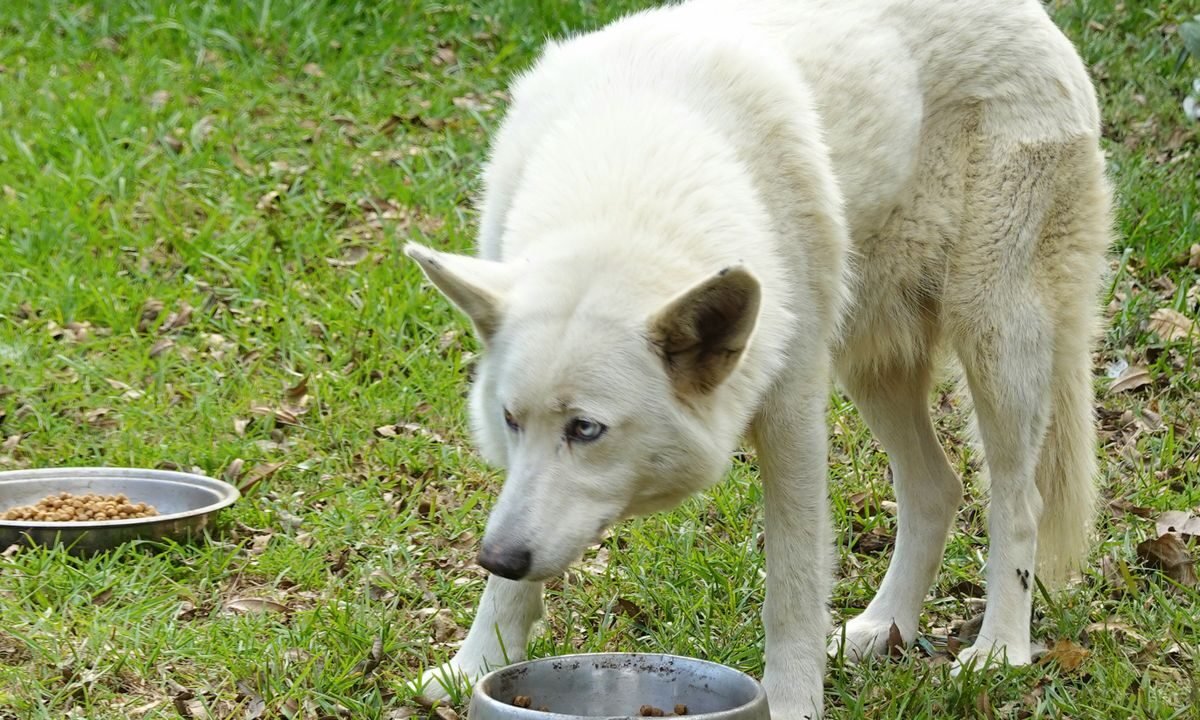
Resource guarding happens when a dog tries to keep control of something they value. That “something” may be food, a chew, a toy, a bed, a doorway, a person, or even a stolen object. The behavior can be subtle—freezing, eating faster, turning the body over an item—or obvious, such as growling, snapping or biting.
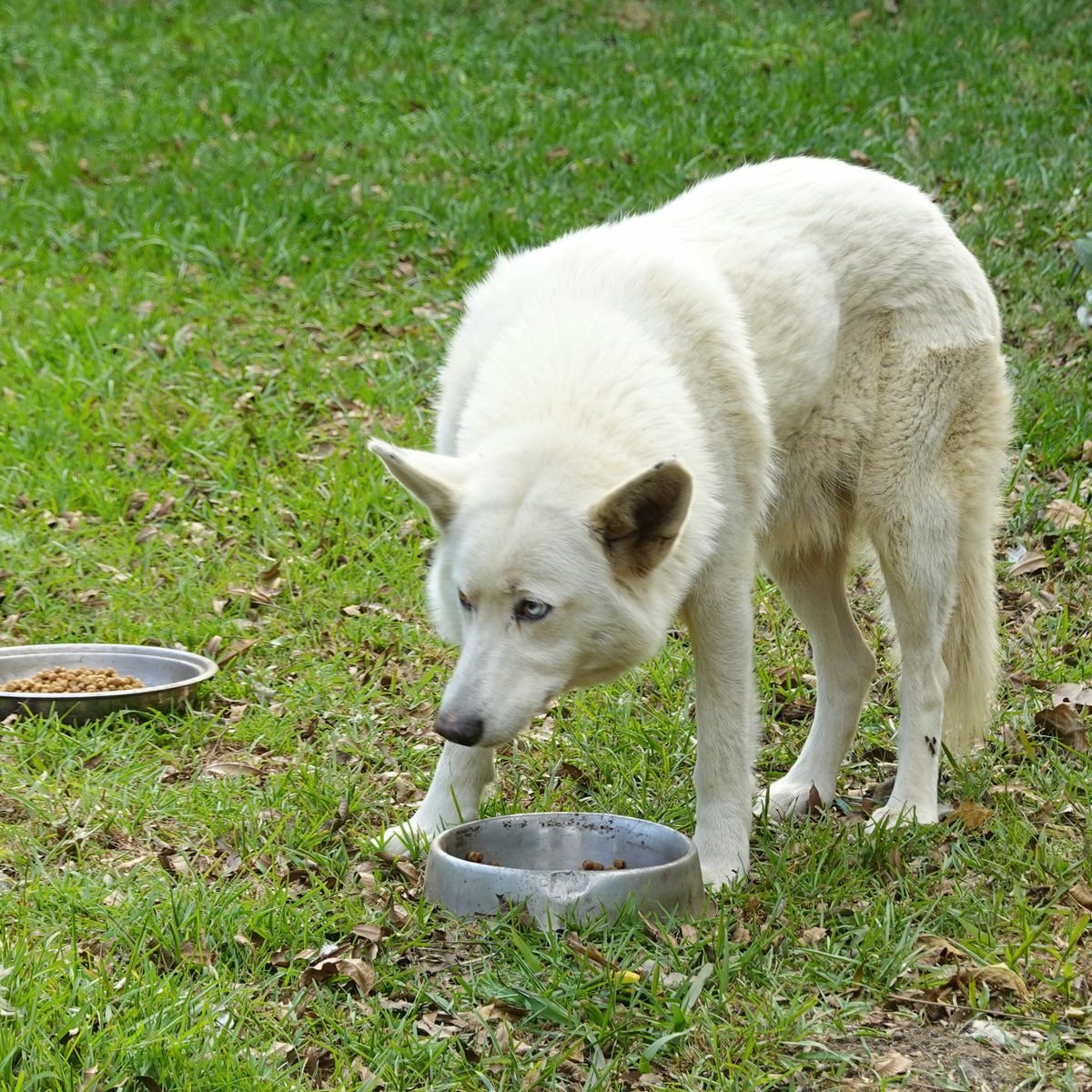
The safest way to respond is not to prove that the human “owns” the resource. It is to reduce conflict, stop repeated rehearsals, and teach the dog that human approach predicts something good rather than loss or confrontation.
Start by identifying exactly what the dog guards
Guarding can be very specific. A dog may eat normal meals calmly but guard a marrow bone. Another dog may share toys yet become tense on the couch. A third may guard one person from another dog.
Write down the resource, location, who approached, distance, body language and what happened next. That helps distinguish a narrow problem from a broader pattern.
The early signs matter most
Many incidents begin before the growl. Watch for freezing, hard staring, lowering the head over an object, turning the body away, carrying an item to another room, eating faster, stiffening, lip lifting or stopping chewing when someone approaches.
Our resource guarding signs guide focuses on those subtle warnings in more detail.
Do not punish the warning
A growl is useful information. Punishing it may stop the sound without changing the dog’s discomfort. That can make future escalation feel more sudden because the warning has been suppressed.
The American Veterinary Society of Animal Behavior recommends reward-based training and advises against aversive methods. That matters especially in guarding cases, where confrontation can intensify the dog’s expectation that people near resources are dangerous.
Taking food away repeatedly can make the problem worse
AVSAB specifically warns against repeatedly taking food away in an attempt to prevent guarding. If every approach predicts loss, the dog has a reason to become more defensive.
A better long-term goal is for approach to predict added value or a safe exchange.
Management comes before training
Until the pattern is safer, prevent situations that are likely to trigger it. Feed the dog in a quiet area. Use gates or closed doors around high-value chews. Pick up unfinished items before dogs are reunited. Keep laundry, trash and unsafe stolen objects out of reach so you are not constantly chasing the dog to retrieve them.
Management is not giving up. It reduces the number of conflicts the dog gets to practise.
Children need physical separation from guarded resources
Children should not be asked to touch the bowl, practise trades, reach for toys or test whether training has worked. Use doors, gates or separate rooms during meals and chew time.
Adult management must carry the safety responsibility. A child cannot be expected to interpret subtle freezing or hard staring reliably.
Teach trading when nothing important is at stake
Start with an item the dog is comfortable releasing. Offer something better, wait for the dog to let go, then reward. In easy situations, sometimes return the original item so releasing does not always mean permanent loss.
This is different from waving food at a dog only after a serious threat. The goal is to build a predictable skill in low-pressure situations before you need it.
“Drop” and “leave it” are different skills
“Drop” means release something already in the mouth. “Leave it” means do not take the item in the first place. Both can be useful, but neither should be taught through intimidation.
Our positive-reinforcement dog training guide covers foundation skills that support safer household management.
Approach can be retrained to predict gain
In mild food-guarding cases, a qualified professional may use counterconditioning: the person approaches only to a distance where the dog stays relaxed, adds a high-value treat, and leaves.
The important detail is that the dog remains under threshold. If the dog freezes, growls or eats faster, the person is too close or the exercise is advancing too quickly.
Do not reach into the bowl as a training exercise
Repeated hand-in-bowl practice is not necessary and can create conflict. The dog does not need to learn that people can interfere with food at any time. The dog needs to learn that people around food are predictable and safe.
Multi-dog households need separate rules
Dogs that normally play well can still compete over food, chews or resting places. Feed separately when there is tension. Pick up high-value items before dogs share space again.
Watch doorways and narrow areas too. One dog may guard access to a room or person rather than a physical object.
Guarding a person is still resource guarding
A dog may wedge between a person and another dog, block approach, stare, growl or snap when someone comes close. Avoid reinforcing the pattern by soothing or petting the dog while they actively block access.
Use distance, teach an alternative resting place and work with a professional if the dog is escalating around people.
Furniture guarding needs a practical plan
If the dog guards the couch or bed, avoid dragging the dog off physically. Teach an “off” cue in easy situations using rewards, provide an appealing alternative bed, and manage access until the cue is reliable.
If the guarding is intense or the dog has bitten, professional guidance is safer than experimenting at home.
Stolen-object guarding is often accidentally reinforced
When a dog grabs a sock and the whole household chases, the object becomes more valuable. The dog may learn both that stealing starts a game and that people approaching means loss.
Prevent access to common stolen items, practise trading with safe objects, and avoid dramatic pursuit whenever possible.
What if the object is dangerous?
Human safety comes first. If the dog has a bite history and is guarding medication, sharp objects or toxic material, do not reach into the mouth impulsively.
Use a high-value trade if that can be done safely. If the item presents an immediate medical risk, contact a veterinarian or emergency service while keeping people out of bite range.
Pain can make guarding worse
A dog with dental disease may guard food differently. A dog with arthritis may guard a bed or become defensive when asked to move. Sudden new guarding deserves a veterinary check, particularly when mobility, appetite or handling tolerance has also changed.
Anxiety can lower the dog’s tolerance
Dogs under chronic stress may react more quickly around valued items. Sleep disruption, household conflict, fear of other dogs, unpredictable handling and repeated punishment can all add pressure.
If broader anxiety is part of the picture, use our dog anxiety guide as a starting point, but involve a veterinarian when anxiety is significant.
Basket muzzles can add safety in serious cases
A positively conditioned basket muzzle can provide an additional layer of protection during professional behavior work. It should not be used to force the dog into close contact with guarded resources.
If muzzle training is appropriate, introduce it gradually so the dog chooses to put the nose inside rather than being restrained into it.
Track body language, not just the absence of growling
Improvement means softer posture, slower eating when someone passes, easier release of items, and less need to move away with resources.
If the growl disappears but the dog still freezes, stares or guards with the body, the underlying discomfort may still be present.
Progress is not linear
A dog may do well with one person and struggle with another, or guard only when tired or in a crowded room. That does not mean training has failed. It means context still matters.
Use the trigger log to identify which situations remain difficult and adjust management accordingly.
What not to do
- Do not punish growling.
- Do not repeatedly take food away to prove control.
- Do not reach into the bowl as a test.
- Do not ask children to practise trades.
- Do not corner a dog over a stolen object.
- Do not use alpha rolls, pinning or physical intimidation.
- Do not leave high-value items around multiple dogs with a guarding history.
When professional help is the right next step
Seek qualified help if the dog has bitten, snapped repeatedly, guards multiple resources, lives with children, guards people, or becomes difficult to manage safely.
A veterinary behaviorist or experienced reward-based behavior professional can assess the pattern, design management and decide whether medical or anxiety factors need attention too.
What a useful professional plan should include
You should come away with clear management steps, a defined training starting point, criteria for increasing difficulty and an emergency plan for setbacks. The plan should reduce risk immediately rather than relying on repeated exposure to see what happens.
A practical household routine
- List the resources and situations the dog guards.
- Prevent easy access to common conflict items.
- Feed and give high-value chews in a protected area.
- Keep children physically separated from guarded resources.
- Practise trading with low-value items when the dog is relaxed.
- Reward voluntary release and disengagement.
- Track body language rather than waiting for a growl.
- Rule out pain when guarding is new or changing.
- Get professional help when there is bite risk.
Resource guarding is not solved by winning a contest over the object. The safer goal is to reduce competition, prevent rehearsals and teach the dog that people near valuable things are predictable, non-threatening and often a source of something better.
Guarding can change as the dog matures
A puppy that tolerated people around food may become more selective during adolescence or after a frightening experience. Do not assume early tolerance guarantees lifelong comfort. Keep mealtime routines respectful and predictable even when the dog has never guarded before.
Prevention is easier than treating a developed pattern
For dogs without guarding behavior, avoid creating unnecessary competition. Feed separately in multi-dog homes when needed, let the dog eat in peace, trade rather than snatch, and teach that people approaching can add value.
Prevention does not mean constantly handling the bowl. It means building trust around resources.
Household consistency matters
If one person trades calmly while another grabs objects by force, the dog receives conflicting information. Agree on the same rules: no chasing, no forced removal, no child-led testing, and the same cues for exchange.
Guarding can spread when conflict keeps working
A dog that successfully protects one resource through growling may begin using the same strategy around other valuable items. That is another reason to intervene early with management rather than waiting for the behavior to become broad.
Watch what happens after the resource is gone
Some dogs relax immediately after a chew is removed; others remain tense or follow people closely. Recovery time helps show how emotionally charged the situation was.
A dog that stays highly aroused after a low-value event may need a slower training plan than a dog that disengages quickly.
Use distance before using cues
If the dog is already frozen over an item, asking for a cue from inches away can put the person at bite range. Step back first. Once the dog is able to think and move normally, use the trained exchange routine.
Do not make every valuable item a training session
The dog needs opportunities to enjoy food and chews without interruption. Constant practice can itself create vigilance. Train in planned, easy sessions and let ordinary meals remain ordinary.
When another dog is the trigger
Do not expect verbal obedience to override competition around food. Physical separation is more reliable. Feed in separate rooms, wait until bowls are picked up, and remove high-value chews before dogs share space.
If dogs have already fought, professional assessment is safer than repeated experiments.
When the dog guards resting places
Give the dog comfortable alternatives and teach movement away from furniture in low-pressure moments. Reward the dog for going to a mat or bed. Avoid grabbing collars or physically pushing the dog from a guarded space.
When the dog guards a person
Reduce opportunities to rehearse blocking and hovering. Reinforce settling at a separate station and reward calm behavior when another person or pet approaches. If the dog has threatened or bitten over access to a person, get professional help.
Medication may be part of a broader behavior plan
If guarding occurs alongside severe anxiety, a veterinarian may discuss medication as one part of treatment. Medication does not teach trading or management skills, but it can reduce overall arousal enough for learning to become easier.
Use progress criteria before increasing difficulty
Do not move from a low-value toy to a bone simply because several days have passed. Increase difficulty only when the dog remains relaxed, releases easily and shows no early guarding signs at the current level.
Know what a setback means
A setback usually means the context changed or the exercise became too difficult. Return to an easier level rather than punishing the dog or trying to “finish” the session.
Review the environment, not just the dog
Ask whether narrow hallways, shared feeding areas, crowded furniture or inconsistent household rules are creating repeated competition. Sometimes changing the environment removes a large part of the conflict before formal training even begins.
The long-term goal
A good outcome is not a dog that tolerates anyone taking anything at any time. It is a dog that can live around people and animals with predictable rules, low conflict, safe exchanges and clear management where needed.


0 comments