
Fear Aggression in Dogs: Signs, Triggers and Safer Ways to Respond
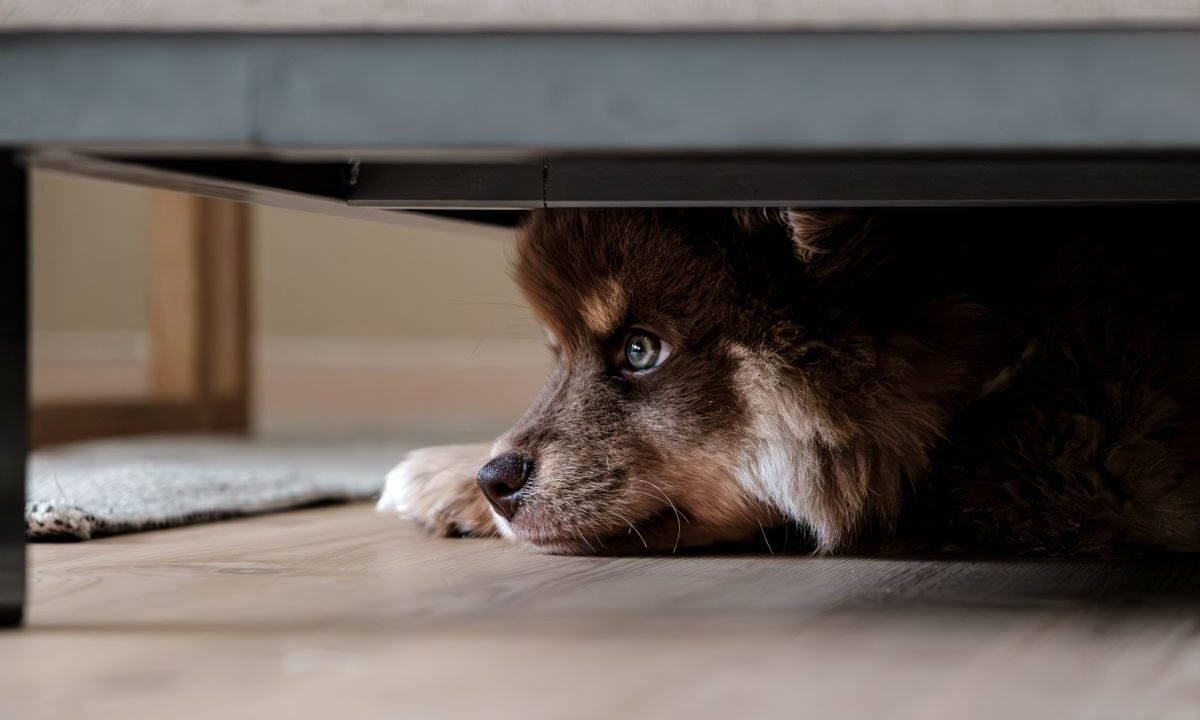
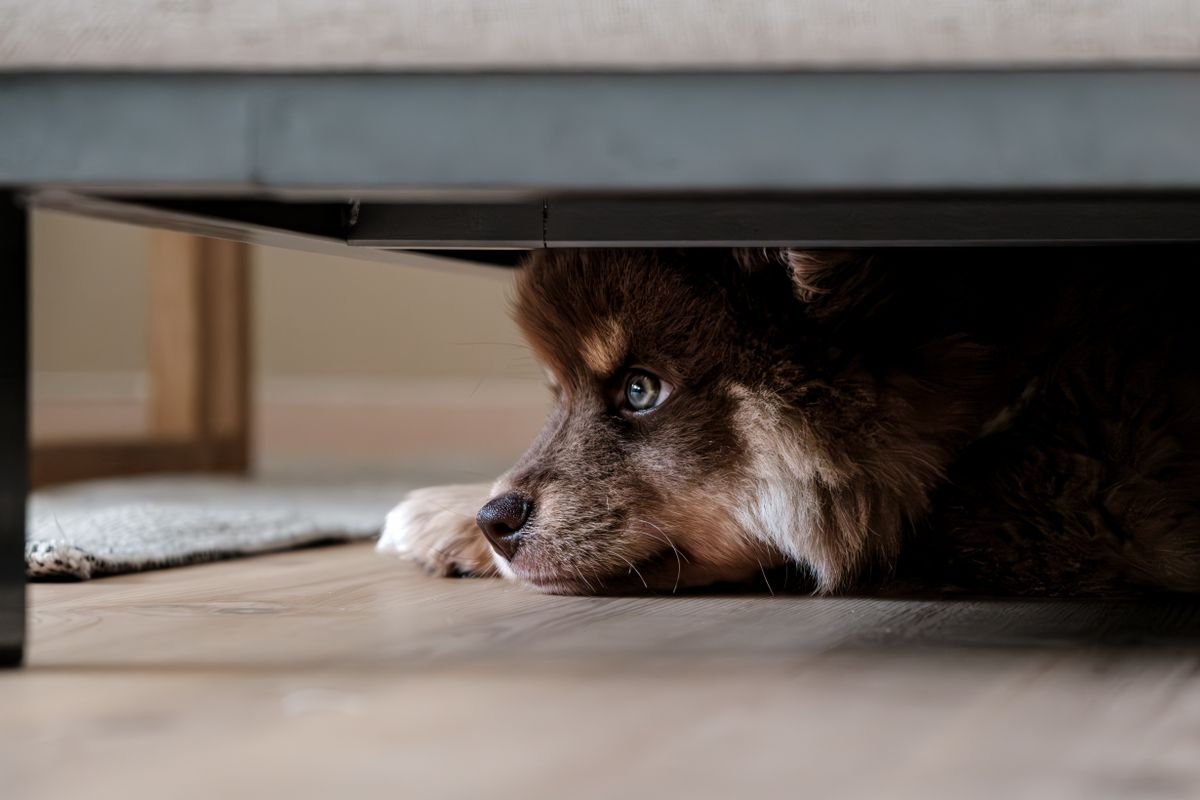
Fear aggression in dogs is not a separate personality type. It describes aggressive behavior that appears when a dog feels threatened and is trying to make the threat go away. A fearful dog may growl, bark, lunge, snap or bite, especially when escape feels difficult. The safest response is to reduce pressure and address the fear rather than trying to punish the outward behavior.
Fear usually shows itself before aggression
Dogs may turn their head away, crouch, tuck the tail, freeze, lick their lips or try to move away before they growl. The RSPCA describes these lower-level threat-reduction signals in its dog aggression guidance.
Aggression can be an attempt to create distance
If moving away or showing subtle discomfort has not worked, a dog may discover that barking, lunging or snapping makes people or dogs back off. From the dog’s point of view, the behavior has solved a problem.
Do not corner a frightened dog
Give the dog a route away from the trigger whenever possible. Tight leads, blocked doorways and people leaning over the dog can remove that option and increase the chance of escalation.
Punishment can make fear worse
The American Veterinary Society of Animal Behavior states that reward-based methods should be used for dog training and behavior modification and advises against aversive methods. Adding pain or intimidation to a fearful situation can strengthen the association that the trigger predicts something bad.
Identify the trigger as precisely as you can
“People” may be too broad. The real trigger might be men wearing hats, people reaching over the dog, visitors entering the house or strangers approaching while the dog is on leash. Better definition leads to safer management.
Distance is part of treatment, not avoidance forever
Work at a distance where the dog can notice the trigger and still eat, respond and recover. If the dog is already barking or lunging, move farther away before trying to teach anything.
Use gradual, reward-based exposure
Pairing a manageable version of the trigger with food or another reward can help change the dog’s emotional response over time. Do not lure the dog closer than they want to go.
Medical problems can lower tolerance
Pain, sensory changes and illness can make a dog more defensive. If fear aggression appears suddenly or becomes worse without a clear environmental reason, arrange a veterinary assessment.
Visitor fear and dog-dog fear need different setups
A dog frightened by visitors may need gates and quiet retreat space, while a dog fearful of other dogs may need distance outdoors and carefully controlled exposure. Our dog scared of visitors guide covers the home setup, while our dog aggression guide explains broader warning signs and triggers.
A bite history calls for professional support
If the dog has bitten, repeatedly snapped or is difficult to manage safely, involve your veterinarian and a qualified reward-based behavior professional. Management may include barriers, distance and, in some cases, properly conditioned muzzle use.
The goal is safety and a different emotional response
Success is not a dog that is forced to tolerate everything quietly. It is a dog that can encounter previously frightening situations with less fear because the environment and training plan make those situations more predictable and manageable.

0 comments