
Dog Scared of Visitors: A Calm Home Setup That Reduces Pressure
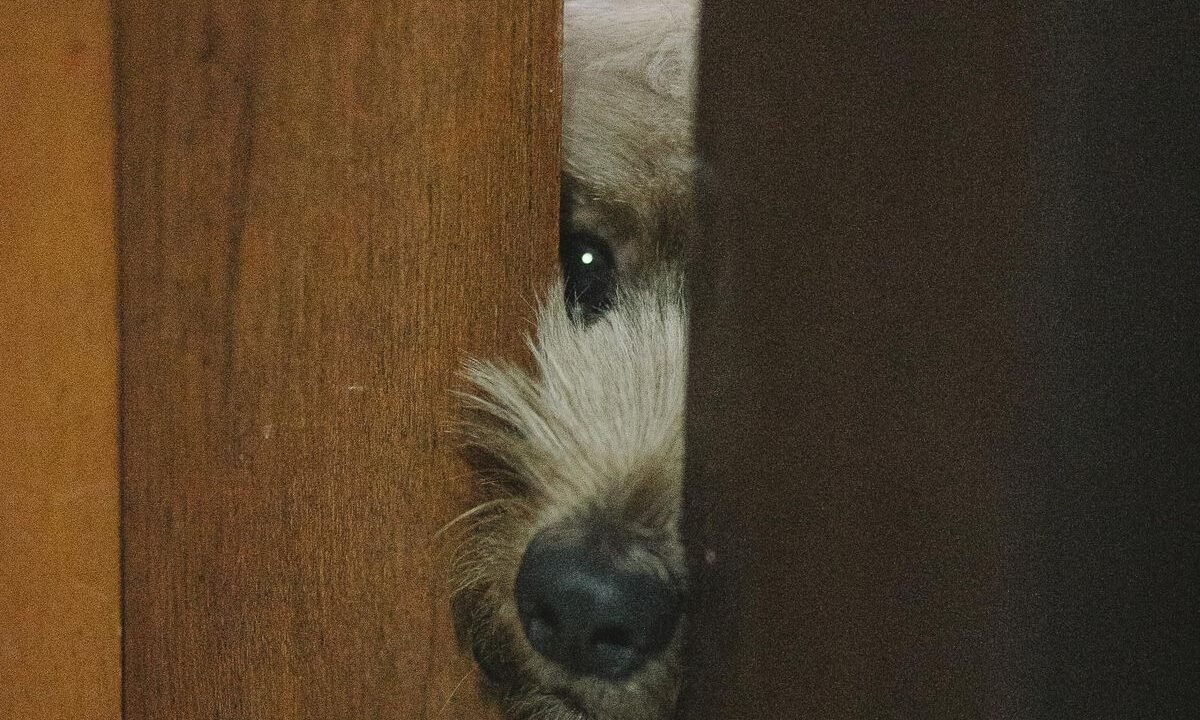
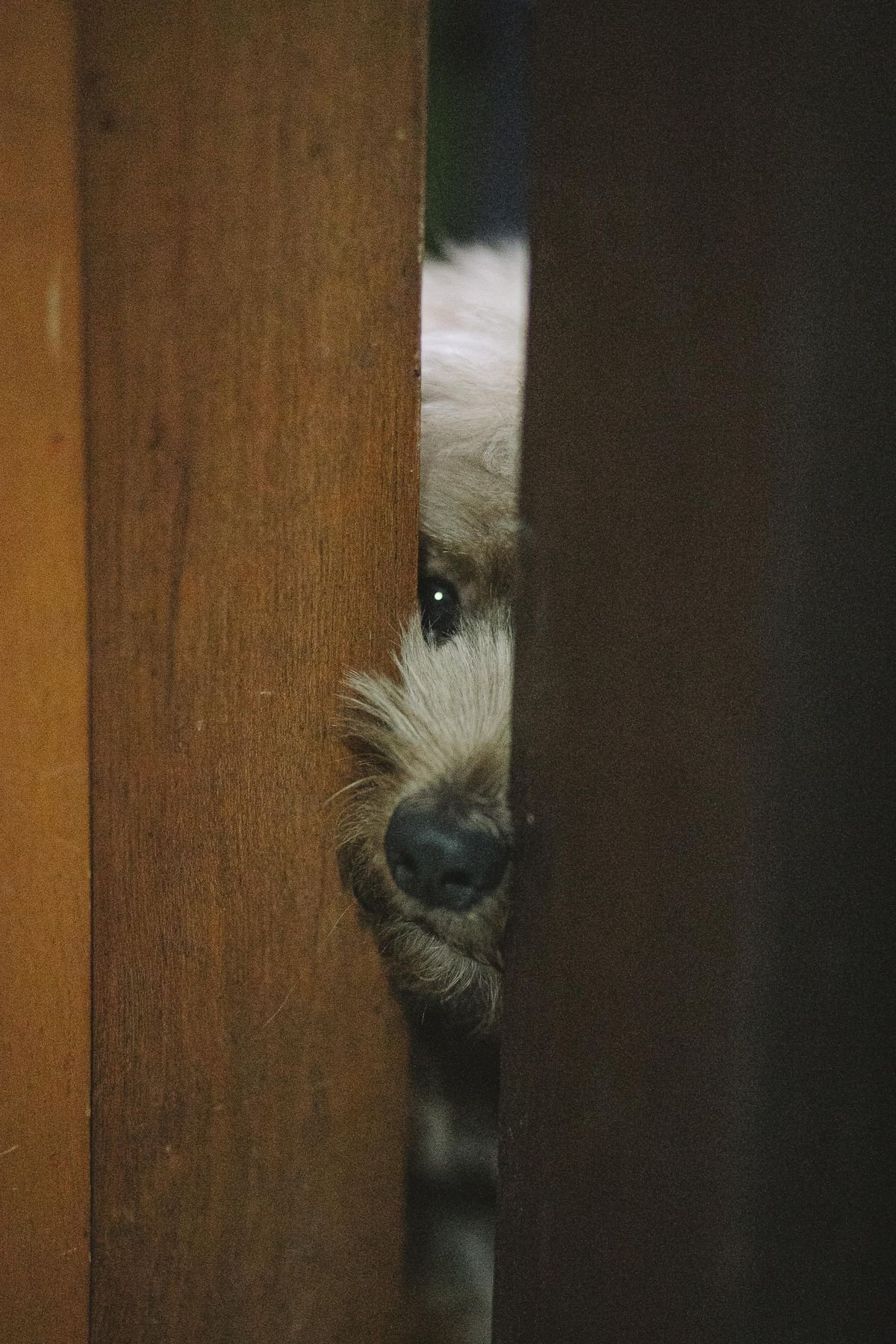
If your dog is scared of visitors, the most useful change often happens before anyone rings the bell. A nervous dog can struggle with the sound of arrival, unfamiliar movement, direct eye contact and people reaching toward them all at once. The goal is not to make your dog greet every guest. It is to make visitors predictable enough that the dog can stay safe and recover.
Set up a quiet place before the visitor arrives
Use a room, gate, pen or comfortable resting area where your dog can settle without being approached. Give them water, bedding and something appropriate to chew if that helps them relax. The safe area should not become punishment; it is simply a place where the dog does not have to manage a stranger at close range.
Ask visitors to ignore the dog at first
No leaning over, staring, calling the dog’s name repeatedly or reaching out a hand. The RSPCA advises not to pressure a worried dog to say hello and to allow them to move away. Its pre-adoption dog guidance also warns that punishment can make fear worse.
Use distance before treats
If your dog cannot take food, keeps barking or stays frozen, they may be too close to the visitor. Increase distance first. Once the dog can observe without escalating, calmly reward that behavior. Do not lure the dog toward a person they are trying to avoid.
Manage the doorway separately from the visit
The doorbell, knocking and people entering can be the hardest part. Put the dog behind a barrier before opening the door, let the guest sit down, then decide whether the dog should see them at all. A successful visit can happen with the dog resting in another room.
Reduce window rehearsals when possible
Dogs that spend the day barking at people outside may arrive at visitor time already highly aroused. The RSPCA suggests reducing access to windows or gardens when passers-by trigger barking. Curtains, privacy film or moving the resting area can reduce repeated practice.
Watch the subtle signs before a growl
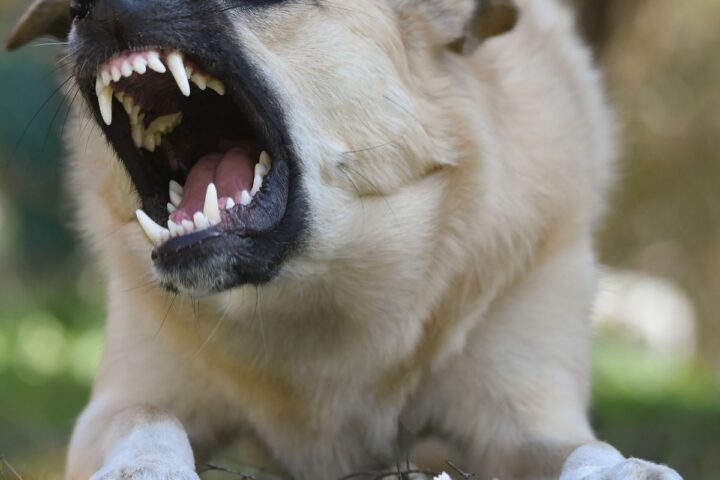
Turning the head away, lip licking, crouching, tucked posture, freezing and refusing treats can all signal discomfort. Do not wait for barking or growling before giving the dog more space. Our shy dog and strangers guide explains how to structure low-pressure greetings when the dog is ready.
Do not punish barking at visitors
Punishment can suppress the noise without changing the emotion underneath it. The American Veterinary Society of Animal Behavior recommends reward-based methods rather than aversive tools for fear and behavior problems.
One calm visitor is better than a crowded practice session
If you are working on visitor fear, choose one cooperative person who can follow instructions. A group of people talking, moving and trying to help can overwhelm the dog and make the next visit harder.
Give the dog permission not to interact
Some dogs may eventually approach guests. Others may be happier resting behind a gate. Calm neutrality is a valid goal. Your dog does not need to become a social host to be successful.
Get professional help before the behavior escalates
If your dog lunges, snaps, has bitten, cannot settle after visitors leave or becomes progressively more fearful, speak with your veterinarian and a qualified reward-based behavior professional. Our dog aggression warning-sign guide can help you recognize when management needs to become more cautious.
A quieter visit can be the better visit
Progress may look unimpressive from the outside: the visitor sits down, the dog watches from a distance and nobody forces an introduction. That is often exactly how trust begins.
0 comments