
Dog Growling at Visitors: What the Warning Means and What to Do Next
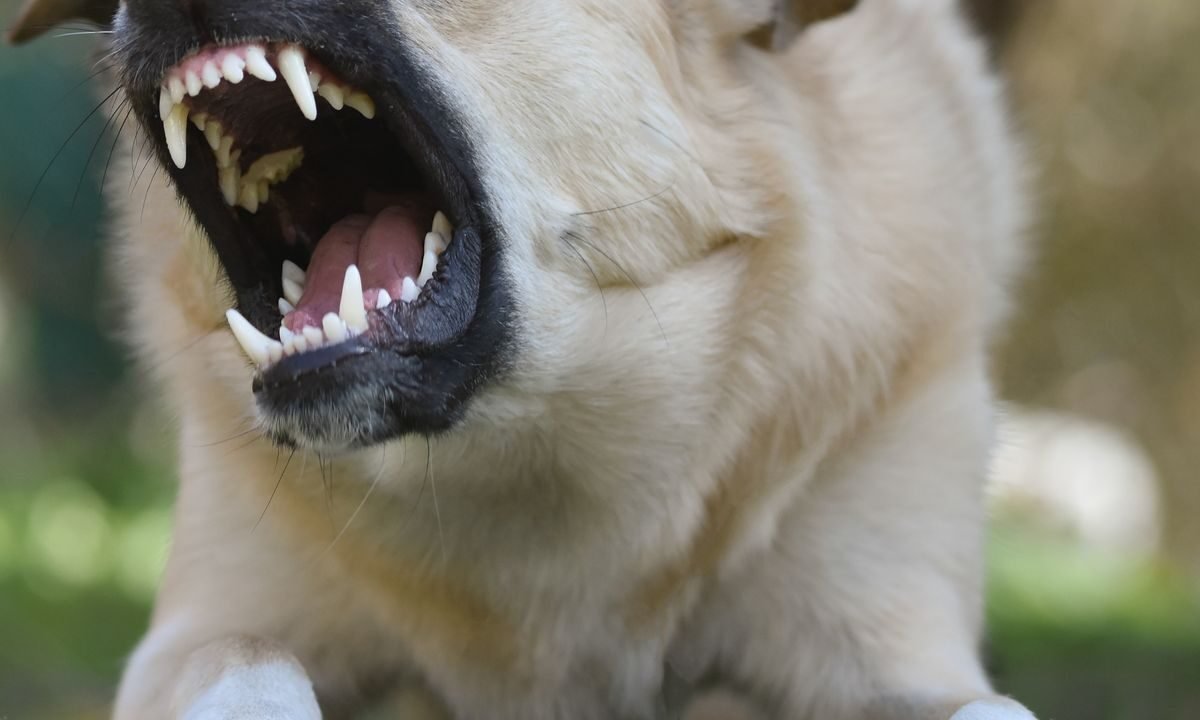
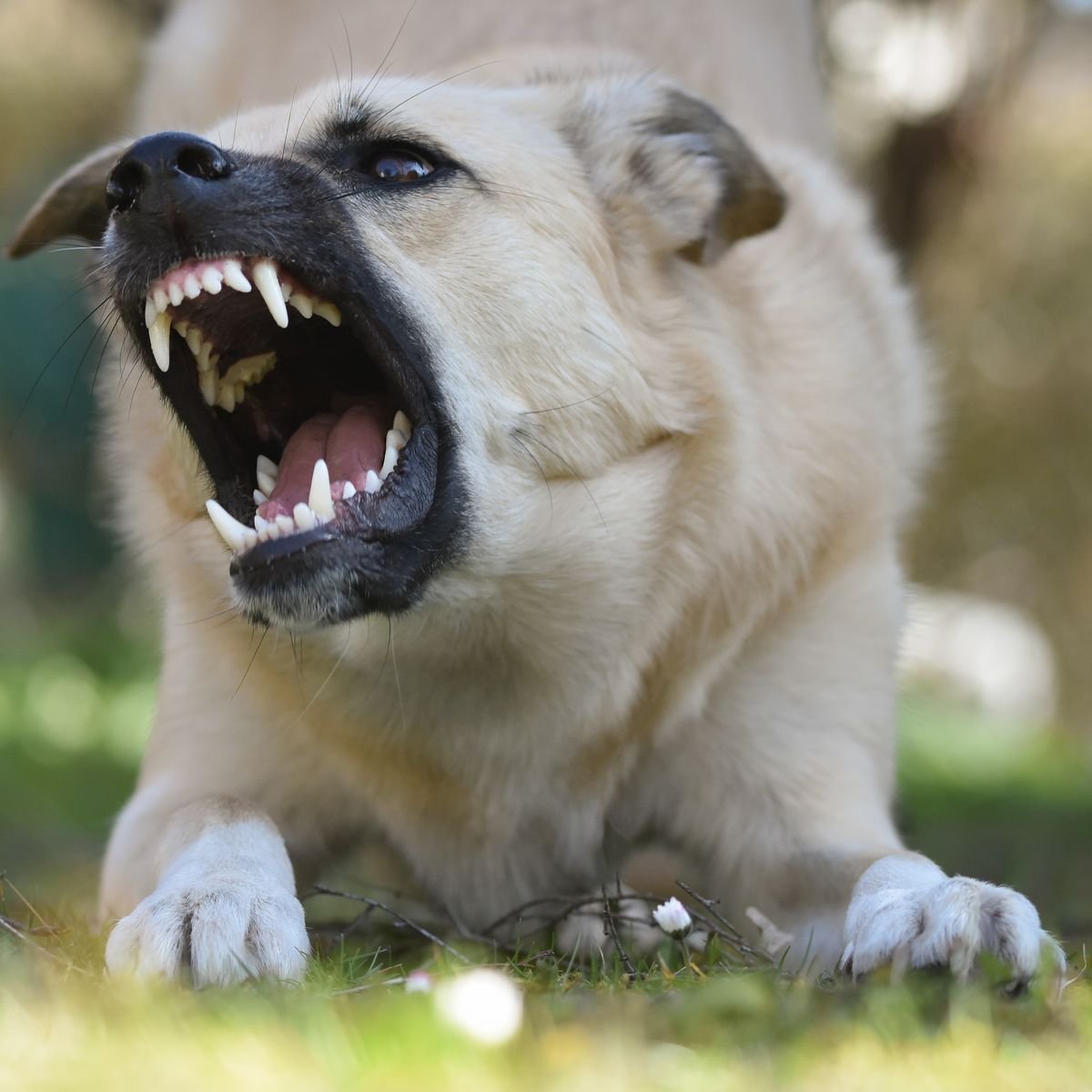
A dog growling at visitors is not being rude or trying to embarrass you. Growling is a warning that the dog is uncomfortable enough to ask for distance. Treating that warning seriously is safer than punishing it away and being surprised later by a snap or bite.
The growl is information
Dogs communicate discomfort through a sequence of body-language signals. The RSPCA describes softer signals such as turning away, lip licking and crouching, followed by more active warnings such as growling, snarling or snapping when the perceived threat does not reduce. Its dog aggression guidance explains this escalation.
Do not punish the growl
Shouting, leash corrections or physical punishment may stop the sound without making the visitor feel safer to the dog. AVSAB recommends reward-based methods and management rather than aversive techniques for behavior problems. Removing a warning can make future behavior harder to predict.
Increase distance immediately
Ask the visitor to stop approaching. Move the dog behind a gate or into another room if that can be done safely. The first priority is preventing the dog from feeling forced to escalate.
Look at what happened just before the growl
Did the visitor stand up suddenly, lean over the dog, reach toward a bed, approach food or make direct eye contact? The context helps identify what the dog is trying to avoid.
Manage the next visit before it starts
Use a barrier, quiet room or leash setup that keeps everyone safe. Our dog scared of visitors guide covers a lower-pressure home setup that can prevent the dog reaching the growling stage.
Do not make the visitor prove they are friendly
Offering a hand to sniff, leaning closer or trying to pet the dog can increase pressure. It is often better for the visitor to ignore the dog completely while the dog watches from a comfortable distance.
Consider pain or illness if the behavior is new
A dog that suddenly starts growling when touched or approached may be protecting a painful area or feeling generally unwell. Arrange a veterinary check when the change is new or unexplained.
Resource guarding can look like visitor aggression
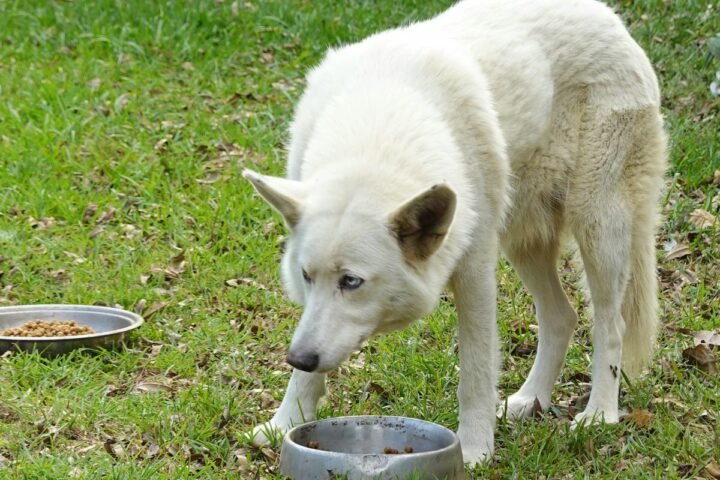
If growling happens only near food, toys, furniture or a particular person, the dog may be guarding access to something valuable. Our resource guarding guide explains safer management and reward-based training.
Do not test the dog repeatedly
Once you know a visitor situation triggers growling, recreating it again and again to see whether the dog still reacts is not useful practice. Change the setup instead.
A bite history changes the level of caution
If the dog has bitten, snapped repeatedly or rushes visitors, use physical separation and get professional help. Our dog aggression warning-sign guide explains when behavior deserves a structured safety plan.
Preserve the warning while changing the emotion
The aim is not a dog that never growls. It is a dog that feels less threatened because visitors are managed predictably and training happens at a distance where the dog can still think.

0 comments