
Shy Dog Afraid of Strangers: How to Help Without Forcing Greetings
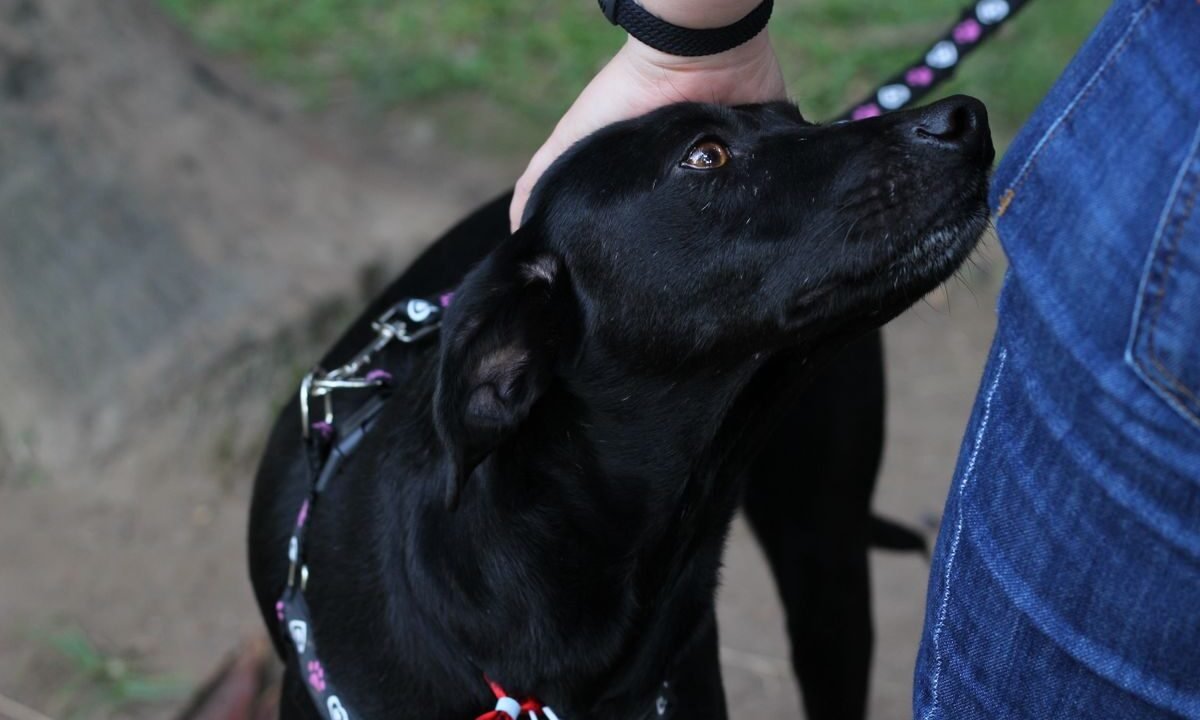
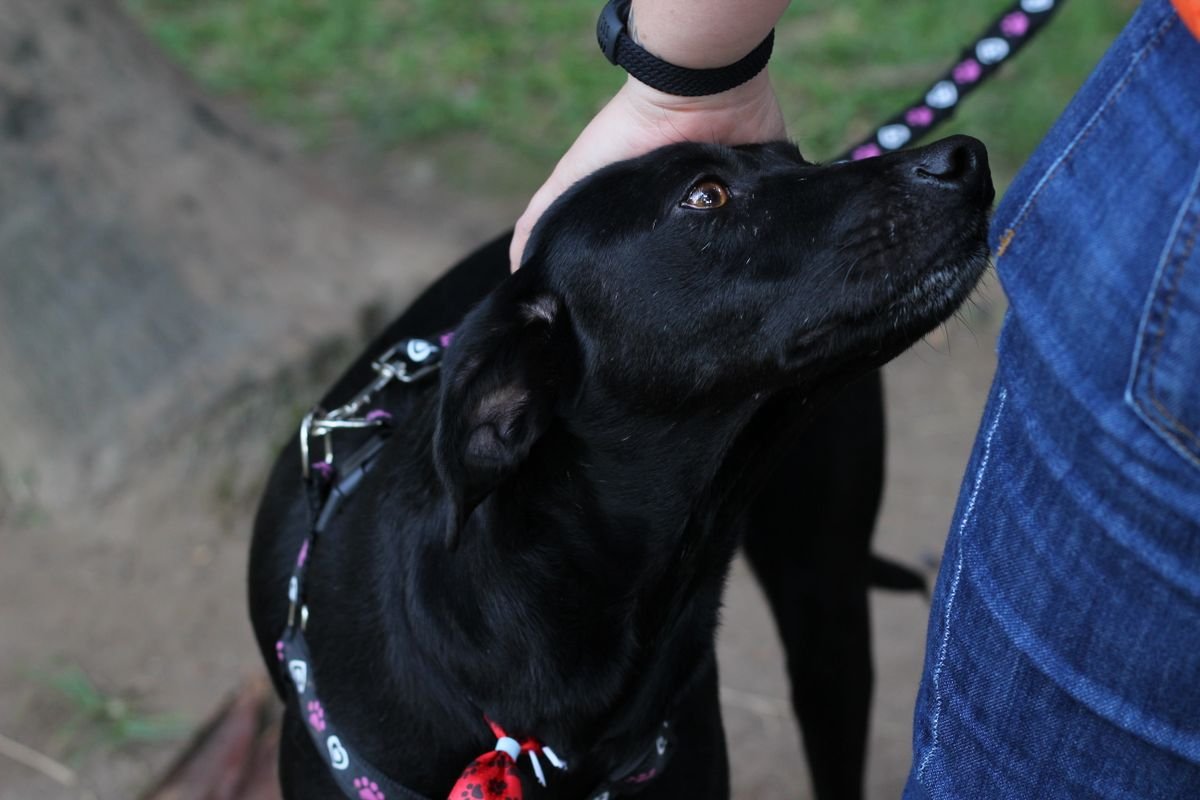
A shy dog afraid of strangers does not need more people reaching toward them until they “get used to it.” Fear usually improves when the dog can observe strangers at a manageable distance, predict what will happen and discover that they are not forced into contact.
Stop asking strangers to pet the dog
If your dog hides, backs away or freezes when someone approaches, remove the expectation of a greeting. Tell people clearly that the dog does not want to be touched. Protecting that boundary is part of helping the dog feel safer around people.
Use more distance before trying more training
A dog that barks, lunges or refuses food may be too close to the stranger to learn effectively. Move farther away until the dog can look at the person and still respond to you. Distance is not avoidance forever; it is how you create a workable starting point.
Ask visitors to ignore the dog
Visitors can turn their body slightly away, avoid staring and keep hands to themselves. Let the dog decide whether to approach. Reaching over the head or leaning forward can make a worried dog feel trapped.
Pair the presence of strangers with something good
At a comfortable distance, feed small treats when the dog notices a person and remains able to eat. The goal is not to lure the dog closer than they want to go. The stranger can toss treats away from themselves so the dog is rewarded without being drawn into contact.
Do not punish barking or growling
Those behaviors tell you the dog is uncomfortable. Punishment can suppress a warning while leaving the fear intact. The AVSAB humane training guidance recommends reward-based methods and specifically advises against aversive techniques for fear and behavior problems.
Create a visitor routine before the door opens
Set up a gate, mat or quiet room before guests arrive. Give the dog something predictable to do and make sure they can retreat. This is much easier than trying to calm a frightened dog after several people are already standing in the hallway.
Practice with one calm person before a group
Choose someone who can follow instructions and does not need to win the dog over. One quiet visitor is easier to manage than several people talking, moving and reaching at once.
Watch the dog’s recovery, not just the greeting
If the dog stays tense for an hour after a two-minute interaction, the session was probably too difficult. Successful exposure should allow the dog to settle again reasonably quickly.
Separate stranger fear from general confidence
A dog can be playful and relaxed at home but still fear unfamiliar people. Our rescue dog confidence guide covers broader routines and choice-building, while our shy dog socialization guide focuses on gradual exposure without force.
For the broader anxiety framework behind stranger fear, avoidance and recovery, see the Dog Anxiety Guide.
Get help before fear turns into a bite
If the dog snaps, bites, repeatedly lunges or cannot recover around visitors, speak with your veterinarian and a qualified reward-based behavior professional. Do not wait for a serious incident to make the plan safer.
Use ordinary walks as low-pressure practice
Confidence work does not need to look like a formal lesson. A quiet walk where the dog notices one or two people at a comfortable distance can be more useful than a crowded event. Let the dog look, then move on before tension builds. Repeating manageable experiences is usually easier to generalize than occasional overwhelming exposure.
Teach an easy retreat cue
Practice a simple “this way” turn when nothing is happening. Reward the dog for turning with you and moving away. Later, that familiar pattern gives you a calm way to create distance before a stranger gets too close.
Choose wide spaces before narrow paths
Early practice is easier in places where you can cross the street, step into a driveway or move behind a parked car. Narrow sidewalks and busy entrances remove those options and can force the dog into closer contact than it can handle.
Do not let strangers set the training plan
Well-meaning people may insist that dogs love them or that the dog only needs to sniff their hand. You are allowed to decline. Protecting the dog from unwanted contact is part of responsible handling and helps the dog learn that subtle avoidance signals work.
Expect progress to vary by day
A dog may cope well after a restful day and struggle after travel, a veterinary visit or another stressful event. Weather, pain, fatigue and recent scares can all change tolerance. Judge progress over weeks, not by whether every walk looks identical.
Protect recovery time after a difficult encounter
If a stranger appears too close and the dog reacts, give the dog time to recover instead of immediately adding another training challenge. A quieter route home, sniffing and rest can be more useful than trying to “fix” the reaction on the spot.
Build confidence outside stranger training too
Confidence can grow through ordinary success: sniffing new surfaces, learning simple cues, finding food in grass, exploring quiet places and solving easy enrichment tasks. These activities do not directly teach the dog to like strangers, but they give the dog more opportunities to make choices and succeed.
Use one variable at a time
A stranger wearing a hat, moving quickly and approaching directly may be far harder than a still person at the same distance. Change one feature at a time so you can tell what the dog actually finds difficult.
Do not chase a greeting milestone
A dog can make excellent progress without ever taking food from a stranger or accepting touch. The meaningful milestones are lower tension, more choice, easier recovery and safer movement through everyday environments.
Keep training sessions short enough to stay useful
Five successful minutes can be better than twenty minutes that end in repeated reactions. Stop while the dog is still able to think and recover. The next session can begin from a stronger place instead of repairing a bad ending.
Use familiar people to practice consent
With people the dog already trusts, practice brief interactions where the person pauses and waits for the dog to re-approach. This teaches that moving away works and that social contact is not forced. That sense of control can support confidence more generally.
Protect the dog from surprise handling
Do not let strangers reach over fences, lean into a car, corner the dog in an elevator, or touch the dog while it is trapped beside furniture. These are avoidable situations that can turn caution into defensive behavior.
Know when neutrality is enough
If the dog can pass people on a walk, remain relaxed while a stranger talks to you, and recover quickly after an unexpected encounter, you may already have a successful outcome. There is no welfare requirement that every dog enjoy petting from unfamiliar people.
If the dog is improving, keep the environment predictable enough that success can continue. Confidence usually grows from repeated safe experiences, not from one dramatic breakthrough.
A successful dog does not have to love strangers
The goal can simply be calm neutrality: the dog notices a person, stays under control and is allowed not to interact. That is a realistic and humane outcome for many shy dogs.


0 comments