
Feather Plucking in Birds: Medical, Environmental and Behavioral Causes
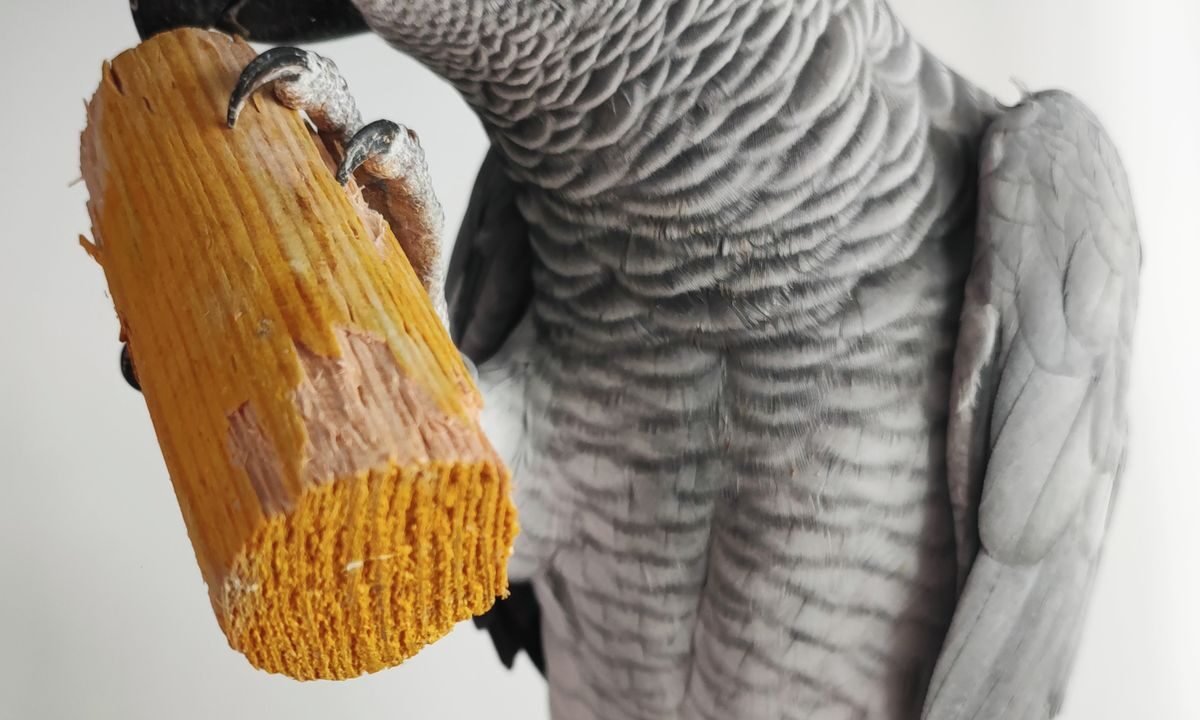
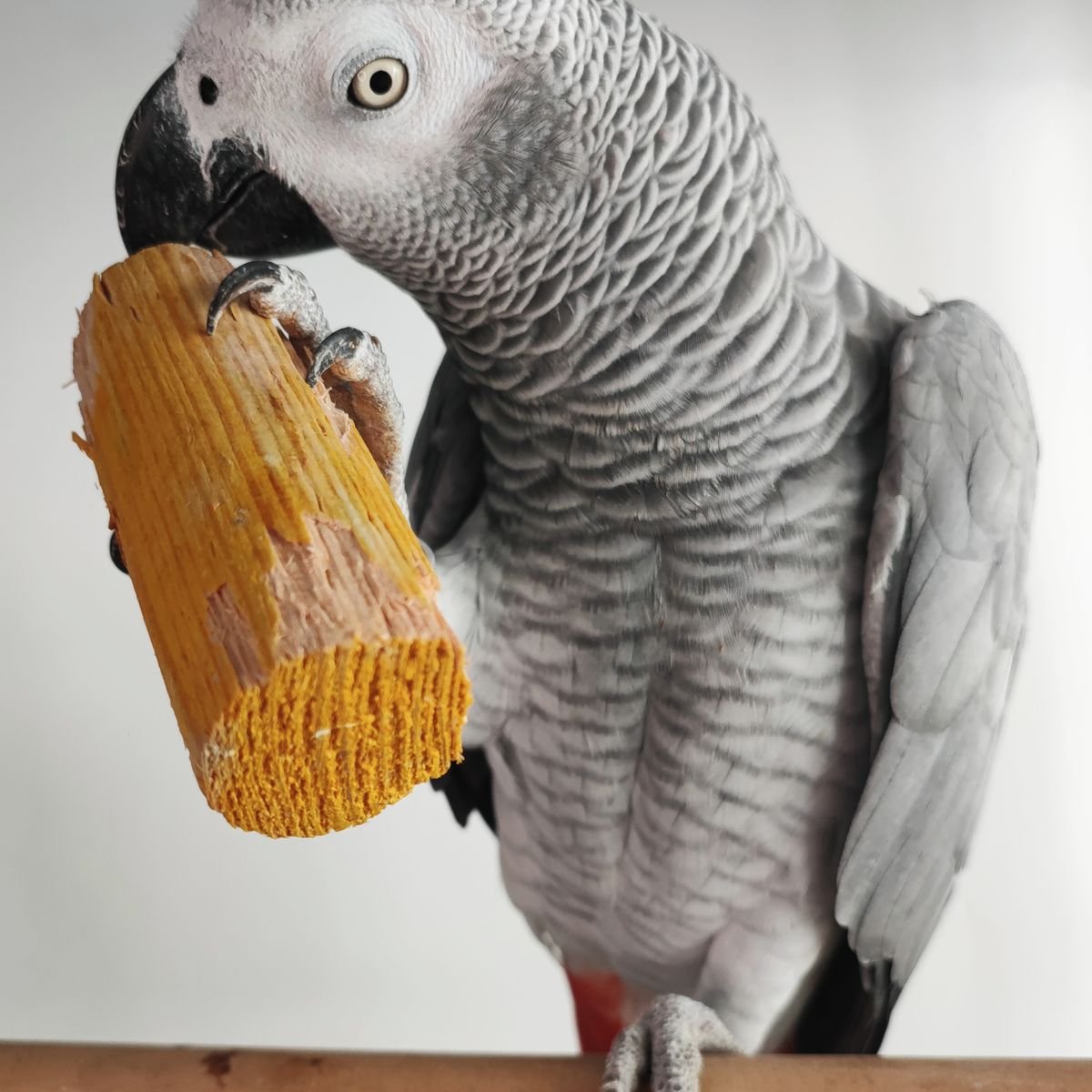
A bird that starts chewing, stripping, or pulling feathers is not automatically bored or anxious. Feather-destructive behavior can have medical, environmental, and behavioral causes, and more than one factor may be involved at the same time.
What feather plucking can look like
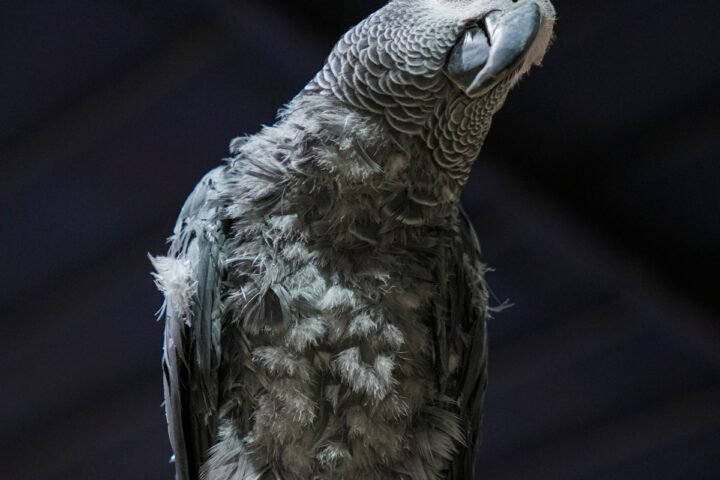
- Broken or chewed feathers
- Bare skin on areas the bird can reach
- Damaged feather shafts
- Repeated over-preening
- Picking that worsens during certain routines or times of day
Medical causes need to be ruled out first
VCA notes that feather loss and feather-destructive behavior can be associated with infection, parasites, pain, internal disease, abnormal feather growth, or behavioral causes. See VCA’s feather-problem guide.
Normal molting is different
During a normal molt, new feathers replace old ones in a fairly organized pattern. Bald areas, damaged skin, bleeding, or repeated chewing of new feathers are not typical molting signs.
Environmental factors can contribute
Poor sleep, lack of foraging, little opportunity to move, social frustration, repetitive routines, dry air, smoke, and an unstimulating environment can contribute to feather problems in some birds.
Do not punish picking
Shouting, covering the cage as punishment, spraying water, or physically interrupting the bird repeatedly can increase stress. Instead, record when picking happens and improve the bird’s environment while arranging an avian veterinary assessment.
What your veterinarian may investigate
The work-up can include examination of skin and feathers, blood tests, infectious-disease testing, parasite evaluation, imaging, diet review, and discussion of behavior and housing.
Enrichment should be practical
Use foraging opportunities, destructible bird-safe materials, rotation of toys, training sessions, and predictable social time. Our bird foraging and enrichment guide covers ways to support natural behavior.
When picking becomes urgent
Bleeding, open wounds, self-mutilation, weakness, appetite loss, breathing changes, or rapid worsening should prompt urgent avian veterinary care.
Look at which feathers are affected
Birds can only directly damage feathers they can physically reach. Feather loss on the head may therefore suggest a different process, such as a cage mate, disease, or abnormal molt, rather than self-plucking. Photos from several angles can help your avian veterinarian assess the pattern.
Diet can affect feather quality
A nutritionally incomplete diet can contribute to poor feather growth and skin health. This does not mean diet alone explains every plucking case, but reviewing the bird’s actual intake—not just what is offered—is an important part of the work-up.
Sleep and light cycles matter
Many parrots benefit from a predictable dark, quiet sleep period. Constant late-night activity, televisions, or household lighting can disrupt rest and may worsen stress-related behavior in some birds.
Use a behavior log
Record when picking occurs, what happened immediately before it, where the bird was, whether people were present, and what response followed. Patterns can help separate boredom, attention-seeking, environmental triggers, and discomfort.
Do not assume a collar is the first answer
Protective collars or garments may sometimes be used for severe self-trauma, but they can also interfere with balance, eating, preening, and movement. Use them only under avian-veterinary guidance rather than as a default response to feather damage.
Measure progress with photographs and weight
Take clear photos from the same angles every week and track body weight in grams. New feather growth, changes in skin condition, and stable weight are more useful than relying on memory.
Give the bird jobs to do
Foraging can be as simple as hiding part of the daily food ration in paper cups, cardboard, safe leafy vegetables, or commercial foraging toys. Start easy so the bird learns how to succeed, then increase difficulty gradually.
Social needs vary by individual
Some birds need more interaction; others become overstimulated by constant attention. A useful plan looks at when the bird is alone, how people respond to picking, whether other pets are stressful, and whether the bird has predictable independent activities.
Expect improvement to take time
Even after the original trigger is corrected, damaged feathers may not look normal until a future molt, and a learned picking habit can persist. Judge progress by reduced damage, healthier new growth, improved behavior, and medical findings rather than expecting an instant cosmetic change.
The bottom line
Feather plucking is a sign, not a diagnosis. Medical causes should be assessed first, then diet, environment, sleep, enrichment, and behavior can be addressed as part of a broader plan.
0 comments