
Bird Foraging and Enrichment: Reduce Boredom and Support Natural Behavior
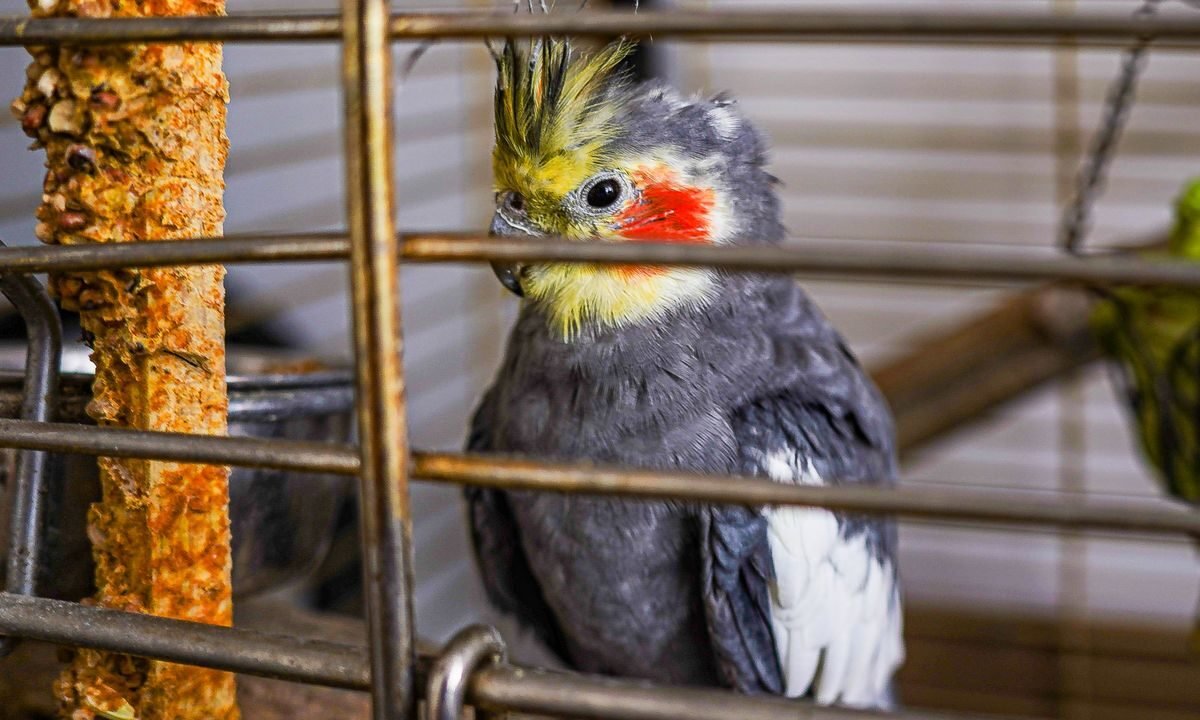
Foraging gives pet birds something productive to do with the same curiosity they would use to search for food in a more complex environment. It can reduce idle time, encourage movement and make meals more mentally engaging, but the challenge has to match the bird’s confidence and experience.
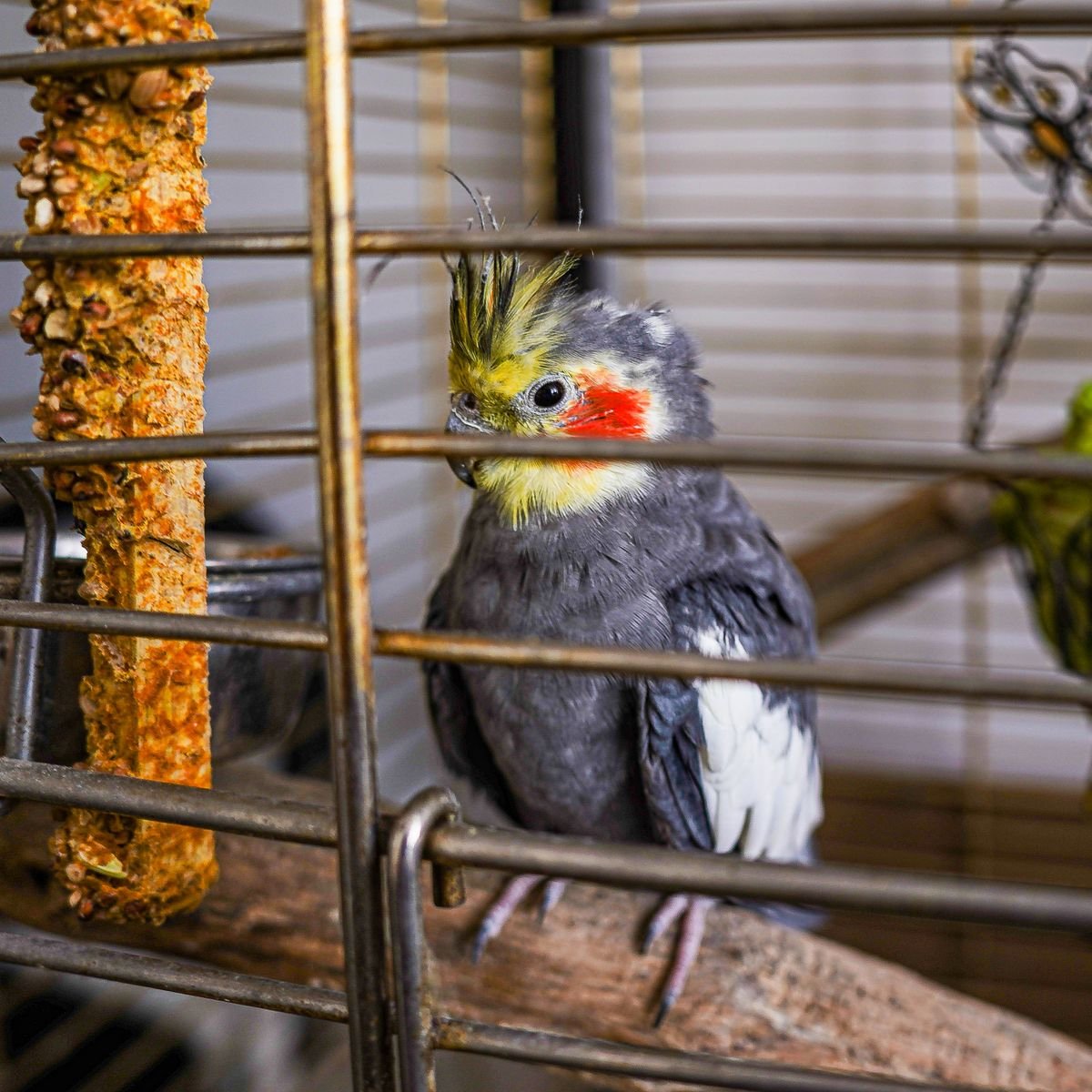
Start with very easy foraging
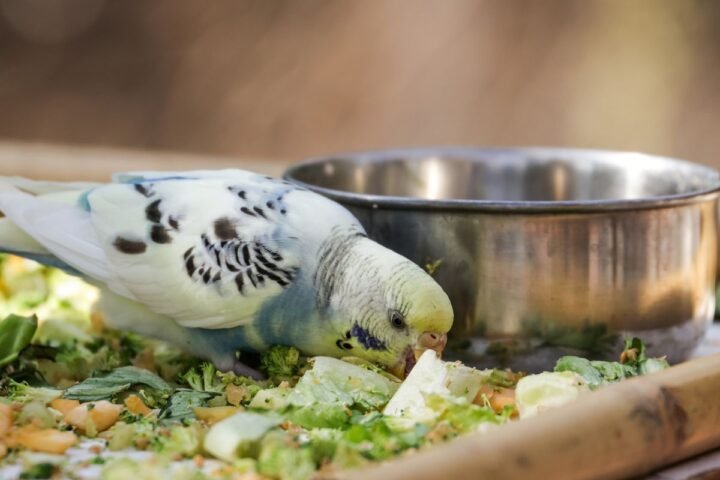
Hide a favorite food under a small piece of paper, place a treat in a loosely folded paper cup or scatter part of the daily ration through bird-safe material. The first goal is success, not difficulty.
Increase challenge gradually
Once the bird confidently solves a simple task, add layers, movement or different locations. If the bird stops eating or becomes frightened, the task is too difficult or too novel and should be simplified.
Use more than food puzzles
Enrichment can be nutritional, sensory, manipulative, environmental or behavioral. Safe shredding materials, varied perches, training, bathing choices, social interaction and supervised flight can all contribute.
Let body language set the pace
A bird that leans away, freezes, retreats or refuses to approach a new object is giving useful information. Place unfamiliar items farther away and move them closer over time rather than forcing them into the cage.
Safety-check every object
Inspect for frayed rope, loose bells, sharp metal, small pieces, toxic paint, long loops and gaps that could trap toes or heads. Natural branches and browse must be nontoxic, pesticide-free and clean.
Count treats as part of the diet
High-value seeds and nuts can make excellent training or foraging rewards, but they still contribute calories. Use part of the normal ration where possible so enrichment does not quietly become overfeeding.
When to contact an avian veterinarian
A sudden loss of interest in normal foraging, chewing or social activity can be an illness sign rather than boredom. Contact an avian veterinarian when reduced activity occurs with appetite change, weight loss, fluffing, breathing change or abnormal droppings.
Bottom line
Good enrichment gives a bird control: choices to search, shred, climb, solve and interact. Start easy, watch body language and make safety more important than novelty.
Avian-care reference: Association of Avian Veterinarians — Enrichment Tips.
Related PetsFilled guides: bird-safe home setup and first-time bird owner guide.
Start easy enough that the bird succeeds
A bird that has never foraged should not have its entire meal hidden in a complicated puzzle. Begin with food partly visible under paper, in a shallow box or tucked into an easy-to-open container. Once the bird understands the game, increase the difficulty gradually and keep safety in mind with every material used.
0 comments