
Canary Care Guide: Housing, Diet, Song, Molting and Health
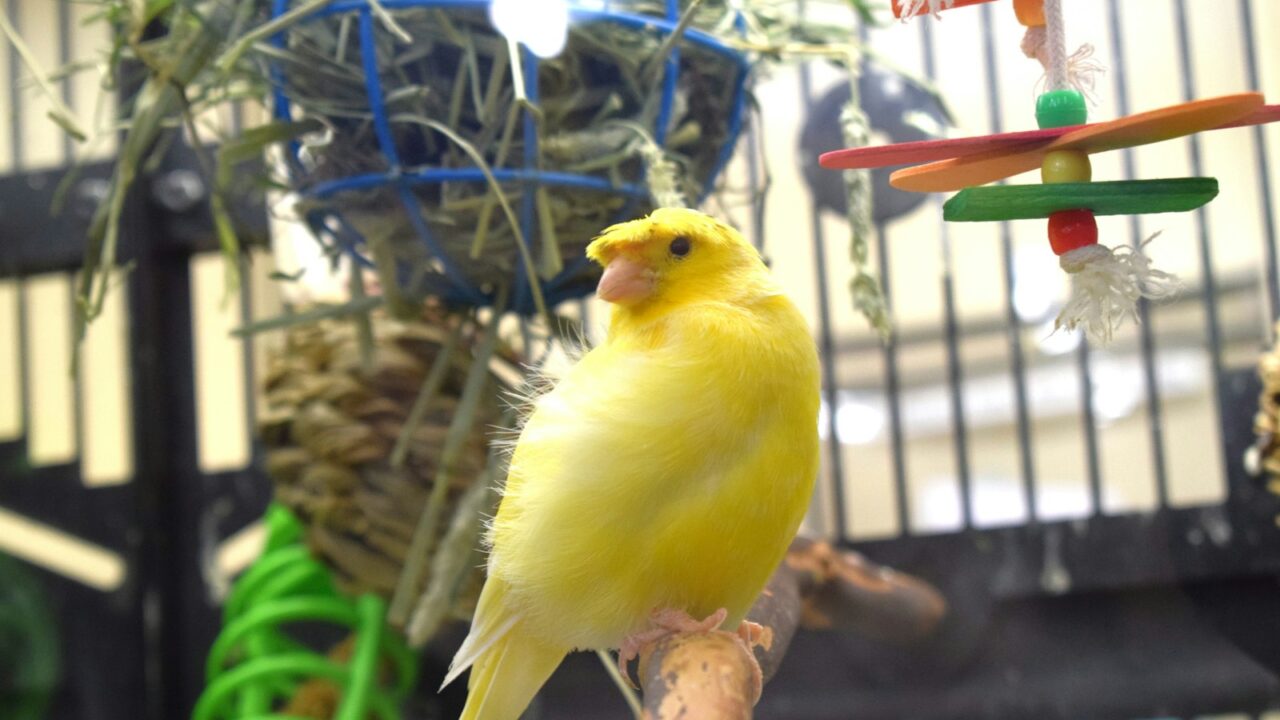
Canaries are often chosen for their song, but their day-to-day needs are broader than that. They need enough space to move, varied perches, a balanced diet, clean air, predictable sleep and an environment that lets them behave like active small birds rather than decorations.
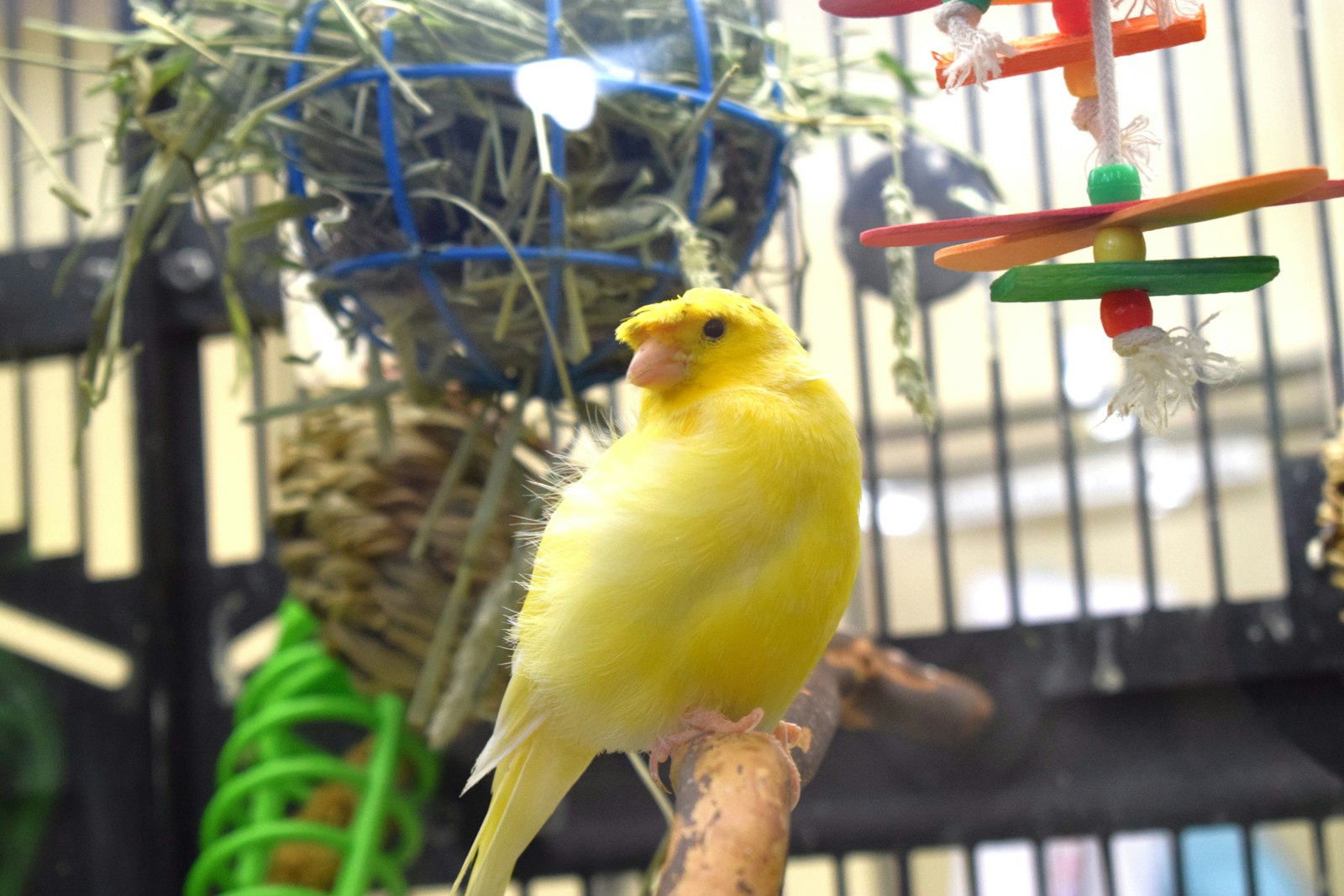
Set the cage up for flight
Canaries benefit from a cage that allows horizontal movement between perches. Place perches at opposite ends to encourage short flights rather than filling the middle with obstacles.
Use varied perches and easy-to-clean placement
Different safe diameters help distribute pressure on the feet. Keep food and water out from under favorite perches and clean dishes every day.
Offer a balanced species-appropriate diet
Seed may be part of some canary feeding plans, but it should not automatically be the entire diet. Ask an avian veterinarian about formulated foods, fresh greens and other suitable items for your bird and life stage.
Song can change for normal and medical reasons
Male canaries often change singing intensity with season, molt and environment. A sudden drop in song combined with fluffing, lethargy, breathing changes or appetite loss should be treated as a health clue rather than merely a mood change.
Molting increases care demands
During molt, keep routines steady, provide good nutrition and avoid unnecessary stress. Feather growth uses resources, and the bird may be quieter while replacing plumage.
Enrichment does not have to look like parrot toys
Swings, safe leafy greens, varied perch placement, bathing opportunities and supervised flight can provide meaningful enrichment. Observe what the canary voluntarily uses rather than crowding the enclosure.
When to contact an avian veterinarian
Arrange avian veterinary care for labored breathing, tail bobbing with respiration, persistent fluffing, weakness, weight loss, markedly reduced appetite, abnormal droppings or a sustained unexplained decline in song and activity.
A change in song can be information
A canary may sing less during molting, seasonal change or after a move, so silence is not automatically illness. What matters is the combination of signs. Reduced song together with fluffed feathers, poor appetite, breathing changes or low activity deserves an avian veterinary check.
Flight space is more useful than a decorative tall cage
Canaries move horizontally and benefit from clear routes between perches. Keep the central flight path open instead of filling every level with toys.
Use perch variety without turning the cage into clutter
Different safe diameters help vary foot pressure. Our bird perch guide explains how to build useful routes while protecting food and water from droppings.
Seed mixtures should not be treated as automatically complete
Merck notes that traditional canary seed mixtures can be deficient in several vitamins, amino acids and minerals. Ask an avian veterinarian about an appropriate formulated or mixed feeding plan.
Fresh greens can add useful variety
Offer safe washed greens in small quantities and remove leftovers before they wilt or become contaminated. Do not let fresh foods replace the balanced base diet.
Molting is normal, but severe decline is not
Canaries can sing less and appear quieter during molt. Marked weight loss, prolonged fluffing, weakness or breathing change still warrants veterinary attention.
Bathing can support normal grooming
Offer a shallow clean bath if the bird enjoys it, then remove and wash the dish when soiled. Do not add soaps or sprays.
Air quality is especially important
Bird respiratory systems are highly sensitive. Keep the cage away from smoke, aerosols, overheated nonstick cookware and strong cleaning fumes. Our bird-safe home guide covers these household hazards in detail.
Sleep should be predictable
A stable quiet night period supports normal behavior and seasonal rhythm. The cage placement and sleep guide can help you choose a location that avoids constant late-night traffic and drafts.
Use a gram scale for objective monitoring
Feathers can hide body-condition change. A consistent home weight log can help catch gradual loss before the bird looks obviously thin.
Watch droppings alongside song
Song is useful behavioral information, but appetite, droppings, posture and activity make the picture stronger. One quiet morning means less than several days of reduced song plus physical changes.
Do not treat song as the only health measure
A singing bird can still develop disease, and a quiet bird can be healthy during molt or seasonal change. Use song together with weight, appetite, droppings, posture and breathing.
Male and female canaries can have different expectations
Song intensity is especially associated with males, while females may vocalize differently. Avoid judging a female canary’s wellbeing against male song behavior.
Breeding conditions should be intentional
Long daylight hours, nesting material and pairing can trigger reproductive behavior. If breeding is not your goal, do not create nest-like environments by accident.
New birds should not join immediately
Use quarantine before housing a new canary near established birds. Our new bird quarantine guide covers the health and introduction steps separately.
Foot comfort matters in a singing bird too
A canary that avoids one perch or repeatedly lifts the same foot may be dealing with pressure or pain. Inspect perch diameter, cleanliness and the foot itself.
Claw overgrowth can affect perching
Do not rely on abrasive surfaces to grind nails down. If nails snag or alter grip, use appropriate professional grooming and review perch setup.
Use a simple daily observation routine
Each day, check whether the canary is eating, moving between perches, producing normal droppings and breathing quietly at rest. This takes less than a minute and makes subtle change easier to spot.
Canaries need room to move horizontally
A cage that encourages short flights between well-placed perches is more useful than one that is mostly vertical. Leave open space instead of filling the middle with toys.
Keep the song environment calm
Constant television, loud music or repeated disturbance can change vocal behavior. Provide normal household sound without making the cage the center of nonstop noise.
Do not interpret every quiet period as loneliness
Molting, seasonal rhythm and individual temperament all affect song. Look at appetite, posture, droppings and activity before deciding the bird needs more stimulation.
Use bathing as a choice
Offer a shallow stable bath when the bird is active, then remove it when dirty. Some canaries bathe frequently; others use it only occasionally.
Inspect feet and nails during routine observation
Overgrown nails, pressure sores or repeated lifting of one foot can affect perching. Address perch setup and seek professional grooming or veterinary care where needed.
Watch for respiratory effort at rest
Tail bobbing with each breath, open-mouth breathing or audible respiratory noise is not a normal song-related behavior. Seek avian-veterinary care promptly.
Use weight to add objectivity
A gram scale can show gradual loss that feathers hide. Record weight under similar conditions rather than relying on visual impressions.
Fresh food should not sit all day
Remove moist greens and cooked foods before they spoil, especially in warm rooms. Clean bowls regularly and keep the main diet consistent.
Bottom line
Canary care is active husbandry: protect flight space, diet, air quality and daily routines, and use changes in behavior or song as information about the bird’s condition. A quieter bird should always be judged alongside appetite, posture, droppings and breathing, not song alone. Persistent physical changes matter more than one quiet day. Record unusual changes if they continue for more than a day.
0 comments