PetsFilled Us
You Are Reading
Black Belgian Malinois: Rare Beauty, Traits, and 100 Facts to Know
0
Dog, Dogs

Black Belgian Malinois: Rare Beauty, Traits, and 100 Facts to Know

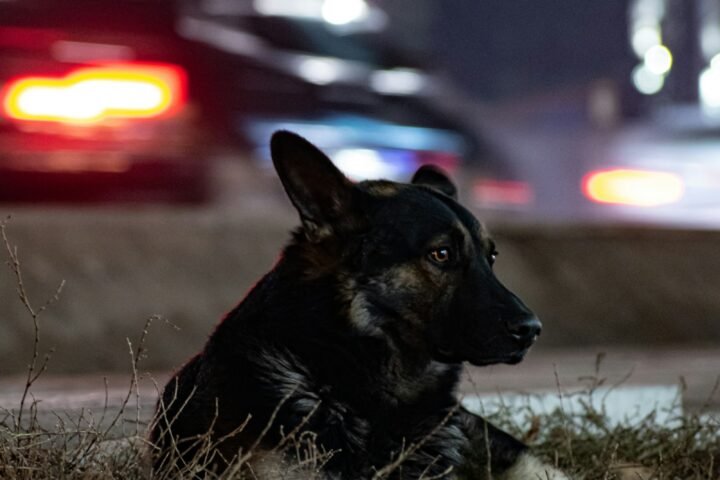
black belgian mali image
📑

What's in This Dog Guide

• What is a Black Belgian Malinois? Understanding This Rare Coat Color  ◦ How Rare is a Black Belgian Malinois?  ◦ Physical Traits of a Black Belgian Malinois• Black Belgian Malinois vs. Standard Belgian Malinois: Key Differences  ◦ Are Black Belgian Malinois Different in Personality?  ◦ Working Ability: Do They Perform Differently?• The Genetics Behind the Black Belgian Malinois Coat• Are Black Belgian Malinois Purebred? Myths vs. Facts  ◦ Myth: Black Malinois are mixed with German Shepherds.  ◦ Myth: Black Malinois are more aggressive or harder to train.• Black Belgian Malinois Temperament: What to Expect  ◦ What Makes Them Unique (And Challenging)?  ◦ Is a Black Belgian Malinois Right for You?• Training a Black Belgian Malinois: Best Practices for Obedience & Protection  ◦ Best Training Techniques (From Experience)• Black Belgian Malinois Care Guide: Diet, Exercise, and Grooming Needs  ◦ Best Diet for Optimal Health and Performance  ◦ Exercise Needs: The Non-Negotiable Daily Requirement  ◦ Grooming Tips to Maintain That Sleek Black Coat• Common Health Issues in Black Belgian Malinois and How to Prevent Them  ◦ Hip & Elbow Dysplasia  ◦ Progressive Retinal Atrophy (PRA) & Cataracts  ◦ General Maintenance• Are Black Belgian Malinois Good Family Dogs? Compatibility with Kids & Pets• How to Find and Adopt a Black Belgian Malinois: Breeders vs. Rescues  ◦ What to Look for in a Reputable Breeder (My Checklist)  ◦ Adopting from a Rescue: The Reality• Final Thoughts

Tip: Click any section to jump directly there.

🔄 Updated: This guide was last reviewed on January 9, 2026 for accuracy.

Let me tell you about the first time I saw a Black Belgian Malinois in person. I was at a K9 demonstration, and while all the working dogs were impressive, this sleek, jet-black Malinois moving through the course commanded attention in a way I hadn’t expected. It wasn’t just the striking coat—though that definitely turned heads, it was the intense focus and fluid power that made everyone stop and watch.

In my years working with high-drive breeds, I’ve learned that appearance is just the surface. What truly matters with these dogs is what lies beneath: their incredible intelligence, near-boundless energy, and a loyalty that runs so deep it’s almost tangible. The black coat makes them visually distinct from the more common fawn Malinois, but it doesn’t change who they are at their core—some of the most versatile and capable working dogs on the planet.

I’ve trained Malinois for police work, consulted with search-and-rescue teams, and helped families navigate life with these intense companions. The black variation always sparks the same questions: Are they different? Are they harder to train? Are they even purebred? And the most important one: Is this incredibly demanding dog right for your life?

In this guide, I’ll walk you through everything I’ve learned about Black Belgian Malinois—not just from research, but from hands-on experience with their training, their quirks, and their care. We’ll cover genetics, temperament, the realities of ownership, and whether you’re truly prepared for what this breed requires (including their specific health concerns and what to know before adoption). Whether you’re an experienced handler or just fascinated by this rare variation, let’s get into the real story behind these remarkable dogs.

What is a Black Belgian Malinois? Understanding This Rare Coat Color

Black Belgian Malinois: Rare Beauty, Traits, and 100 Facts to Know


When most people picture a Belgian Malinois, they see the classic fawn coat with a black mask—the “look” that’s become famous through military and police work. But occasionally, you’ll see one that stops you in your tracks: completely black, from nose to tail.

I remember evaluating a black Malinois for police work a few years back. The handler joked that the dog was “stealth mode” compared to the others. But once we started working, the color faded into the background. What mattered was the drive, the intelligence, and the work ethic—all 100% Malinois.

The solid black coat comes from specific genetics (which we’ll get into), but it doesn’t change the dog’s fundamental abilities. These are still the same incredibly driven, intelligent animals that excel in protection work, detection, agility, and any task that challenges both mind and body.

How Rare is a Black Belgian Malinois?

In my experience visiting breeders and working with Malinois organizations, true, solid black Malinois are uncommon. They’re not a separate breed—just a color variation within the breed standard. The black gene is recessive, meaning both parents need to carry it for a puppy to be born black.

Here’s the practical reality: most serious Malinois breeders prioritize working ability, health, and temperament over coat color. So while you might find breeders who occasionally produce black puppies, they’re not typically “bred for color” in the way some other breeds might be. This makes finding one a matter of timing and sometimes luck.

Physical Traits of a Black Belgian Malinois

Beyond the striking coat, they’re physically identical to any other well-bred Malinois. What I look for—and what you should too—are the hallmarks of the breed:

  • That intense, athletic build – Every line should suggest speed and power. I’ve seen black Malinois clear obstacles that made experienced handlers shake their heads in amazement.
  • The sharp, assessing expression – Their eyes miss nothing. This isn’t just a “look”—it’s a window into a mind that’s constantly processing.
  • The effortless movement – Whether working or playing, they move with an economy of motion that speaks to generations of breeding for function.
  • The double coat – Yes, even the black ones have the weather-resistant double coat. It might show dust more visibly, but it serves the same protective function.

The bottom line? The color is cosmetic. The substance is all Malinois.

Black Belgian Malinois vs. Standard Belgian Malinois: Key Differences

This is the question I get most often: “Is the black one different?” Let me be direct: No. Not in any way that matters for training, work, or companionship.

I’ve worked alongside both colors in high-stakes environments. The fawn Malinois doesn’t work harder. The black Malinois isn’t smarter. They’re individuals first, their color a distant second in terms of what actually matters.

Are Black Belgian Malinois Different in Personality?

Not at all. Temperament varies dog to dog, not color to color. I’ve known easy-going black Malinois and intense fawn ones. I’ve also known the reverse. Any perceived difference is usually projection—we see a black dog as more “serious” or “intimidating,” so we interpret their behavior through that lens.

That said, I’ve observed that the black coat can have a psychological effect on people. In protection work, a black Malinois can appear more imposing, which can be a deterrent in itself. But the dog’s actual disposition? That comes from genetics, upbringing, and training.

Working Ability: Do They Perform Differently?

Absolutely not. The military, police, and search-and-rescue teams use Malinois for their capabilities, not their color. I’ve seen black Malinois excel in scent detection, apprehension work, and agility competitions right alongside their fawn counterparts.

If you’re considering a Malinois for serious work, focus on the individual dog’s drives and the breeder’s proven lines, not the coat color.

The Genetics Behind the Black Belgian Malinois Coat

Let’s get technical for a moment, because understanding the genetics helps dispel myths. The solid black coat in Malinois is caused by a recessive gene combination. Both parents must carry the recessive allele for black for it to express in their offspring.

In practical terms, this means:

  • Two fawn Malinois that both carry the recessive black gene can produce black puppies.
  • A black Malinois bred to a fawn Malinois (that doesn’t carry the black gene) will produce only fawn puppies (though they may carry the black gene).
  • For a guaranteed black litter, both parents need to be black or at least visibly carry the gene.

This genetic reality is why black Malinois are less common—it requires specific pairings, and most breeders aren’t selecting for color.

Are Black Belgian Malinois Purebred? Myths vs. Facts

This myth frustrates me because it often leads good dogs to be unfairly judged. Let me set the record straight from my professional experience:

Myth: Black Malinois are mixed with German Shepherds.

Fact: A well-bred black Malinois is 100% purebred Belgian Malinois. Yes, they might resemble a black German Shepherd to the untrained eye, but the structure, movement, and breed characteristics are distinct. I’ve reviewed pedigrees for black Malinois that trace back generations within verified Malinois lines. The color is a natural, if uncommon, variation within the breed.

Myth: Black Malinois are more aggressive or harder to train.

Fact: Coat color has zero correlation with temperament or trainability. I’ve trained incredibly biddable black Malinois and stubborn fawn ones. Aggression, reactivity, or difficulty in training stem from genetics (poor breeding), lack of socialization, improper training methods, or mismatched expectations—not from whether the dog is black or fawn.

Black Belgian Malinois: Rare Beauty, Traits, and 100 Facts to Know

Black Belgian Malinois Temperament: What to Expect

Now let’s talk about the reality of living with one of these dogs. I need to be brutally honest here: A Black Belgian Malinois is not a pet in the conventional sense. They’re a commitment, a lifestyle, and a full-time job.

I’ve consulted with too many families who fell in love with the “look” of a Malinois without understanding the “reality.” These dogs have been bred for generations to work—to think, to solve problems, to act with intensity and purpose. Asking them to be couch companions is like asking a Ferrari to be a grocery getter. It can do it, but it’s wasted potential and frustration for everyone involved.

What Makes Them Unique (And Challenging)?

The Intelligence That Demands Engagement – This isn’t just “smart dog” intelligence. It’s a need to use their brain. I’ve seen Malinois become destructive not out of malice, but out of sheer boredom. They need jobs, puzzles, training sessions that challenge them. Daily.

The Energy That Doesn’t Quit – A 30-minute walk? That’s a warm-up. These dogs need rigorous physical and mental exercise. We’re talking running, agility, bite work, obedience drills, scent work—varied, demanding activities that drain both body and mind.

The Loyalty That Borders on Obsession – Malinois often bond intensely with one person. This can be beautiful, but it can also lead to separation anxiety, protectiveness, and difficulty with other handlers if not managed correctly from the start.

Is a Black Belgian Malinois Right for You?

Ask yourself these questions honestly:

  • Do you have 2+ hours daily to dedicate to exercise and training?
  • Do you have experience with high-drive working breeds?
  • Are you looking for a working partner, not just a companion?
  • Is your lifestyle active and structured?
  • Are you prepared for potential dog aggression (common in the breed) and the need for careful management?

If you answered “no” to any of these, please reconsider. Many wonderful dogs would be happier in your home, and you’d be happier with them.

Training a Black Belgian Malinois: Best Practices for Obedience & Protection

Training a Malinois isn’t like training a Labrador. It’s a conversation, a partnership built on mutual respect and clear communication. Here’s what I’ve found works:

Best Training Techniques (From Experience)

  • Start Yesterday – Socialization and foundational obedience should begin the day you bring your puppy home. The critical window closes fast.
  • Clarity Over Kindness – These dogs respect clear, consistent rules. “Maybe” and “sometimes” confuse them. Be fair, be firm, be consistent.
  • Channel the Drive – Don’t try to suppress their natural drives (prey, hunt, pack). Channel them into appropriate activities. Bite work, tracking, agility—give them a legal outlet for their instincts.
  • Mental Exhaustion is Key – A physically tired Malinois is still a mentally alert Malinois. Use training games, puzzles, and problem-solving tasks to truly tire them out.

For protection work specifically: Do not attempt this without professional guidance. A poorly trained protection dog is a danger. Find a reputable trainer with Malinois experience.

Black Belgian Malinois Care Guide: Diet, Exercise, and Grooming Needs

Best Diet for Optimal Health and Performance

These athletes need fuel. I recommend high-quality, high-protein diets (30%+ protein) from reputable brands. Look for named meat sources (chicken, beef, fish) as the first ingredients. I’ve seen skin and coat issues improve dramatically with the addition of omega-3 supplements, especially for keeping that black coat shiny.

Avoid: Fillers like corn and wheat, and be cautious with high-fat content if your dog isn’t working at an extreme level—pancreatitis is a real risk.

Exercise Needs: The Non-Negotiable Daily Requirement

Here’s a typical day for a Malinois in my care:

  • ✔ Morning: 45-60 minutes of running, fetch, or hiking
  • ✔ Mid-day: 20-30 minute training session (obedience, scent work, agility drills)
  • ✔ Evening: 30-45 minutes of mental work (puzzle toys, calm training, another walk)

Weekends involve longer adventures: hiking, swimming, or intensive training workshops. This isn’t optional. It’s the price of admission for owning this breed.

Grooming Tips to Maintain That Sleek Black Coat

The good news: Malinois are relatively low-maintenance groomers. The black coat does show dust and loose hair, so weekly brushing with a slicker brush helps. Bath only when necessary to preserve natural oils. Pay special attention to ears (clean weekly) and nails (trim regularly—long nails affect their athletic stance).

Common Health Issues in Black Belgian Malinois and How to Prevent Them

Color doesn’t affect health predisposition. They share the same concerns as all Malinois:

Hip & Elbow Dysplasia

This is the big one. I cannot stress enough: only buy from breeders who do OFA or PennHIP certifications on both parents. No exceptions. Even with clear parents, maintain a healthy weight and avoid excessive jumping on hard surfaces during growth periods.

Progressive Retinal Atrophy (PRA) & Cataracts

Reputable breeders test for these. Ask to see the results.

General Maintenance

  • ✔ Annual vet checks with a vet familiar with athletic breeds
  • ✔ Consider joint supplements (glucosamine/chondroitin) as a preventative, especially for working dogs
  • ✔ Dental care—tartar builds quickly. Daily brushing or dental chews are a must.

Are Black Belgian Malinois Good Family Dogs? Compatibility with Kids & Pets

This depends entirely on the individual dog and your family dynamics. In general:

With Kids: Best with older, dog-savvy children who understand boundaries. A Malinois’s herding instinct can manifest as nipping at running children. Their high energy can accidentally knock over little ones. Constant supervision is mandatory.

With Other Pets: Can be tricky. Dog aggression (same-sex, especially) is not uncommon. Early, positive socialization is critical. With cats, it’s a huge risk due to high prey drive. Many Malinois cannot safely live with small animals.

The Verdict: They can be wonderful in active, experienced families where the dog is integrated into structured activities. They are poor choices for families with very young children, frequent visitors, or a desire for a relaxed household.

How to Find and Adopt a Black Belgian Malinois: Breeders vs. Rescues

Finding a black Malinois requires patience. More importantly, it requires diligence to avoid bad sources.

Black Belgian Malinois: Rare Beauty, Traits, and 100 Facts to Know

What to Look for in a Reputable Breeder (My Checklist)

I’ve visited dozens of breeders. The good ones share these traits:

  • Health Testing Transparency – They willingly show OFA/PennHIP scores for hips/elbows, eye certification (CERF), and DNA tests for PRA. They don’t just say “the parents are healthy.”
  • Focus on Temperament & Work – They talk about the parents’ drives, achievements in work or sport, and stability. Color is a footnote, not the headline.
  • They Interview YOU – A good breeder will grill you about your experience, lifestyle, and plans for the dog. They have a waiting list and turn away unsuitable homes. Be wary of anyone who just takes your money.
  • Lifelong Support – They offer a take-back guarantee and want to be a resource for the dog’s life. Check references from past puppy buyers.

Start with the American Belgian Malinois Club breeder referral. Avoid online marketplaces and anyone with multiple litters available at once.

Adopting from a Rescue: The Reality

There are many Malinois in rescues because people underestimated the breed. Adoption can be incredibly rewarding, but go in with eyes wide open:

  • Expect Baggage – Many have behavioral issues: reactivity, separation anxiety, poor socialization. The rescue should be honest about known issues.
  • Use Foster-Based Rescues – A dog in a foster home gives you much better information about real-world behavior than a dog in a kennel. Organizations like Malinois Rescue League are excellent.
  • Be Prepared to Invest in Training – Assume you’ll need professional help. Budget for it from the start.

Whether adopting or buying, have a trainer lined up before you bring the dog home.

Final Thoughts

The Black Belgian Malinois is a breathtaking animal—all sharp angles, focused intelligence, and potent capability wrapped in a sleek black coat. But they are not an accessory. They are a profound responsibility.

In my career, I’ve seen the best and worst of Malinois ownership. The best: a deep, communicative partnership that achieves remarkable things. The worst: a mismatched home leading to a frustrated dog and a overwhelmed owner, often ending in rehoming.

If after reading this, you’re more excited than ever—if you see the challenge as the appeal—then start your search with care and integrity. Find the right individual dog, not just the right color. Commit to the training, the exercise, the lifestyle.

Do that, and you won’t just own a Black Belgian Malinois. You’ll partner with one of the most capable minds in the canine world.

Have questions based on your own experience? Thinking about taking the plunge? Share your thoughts below—I read every comment and love discussing this incredible breed.

Leave a Reply

Your email address will not be published. Required fields are marked *

This site uses Akismet to reduce spam. Learn how your comment data is processed.