
African Grey Parrot Care: Enrichment, Diet, Housing and Long-Term Commitment
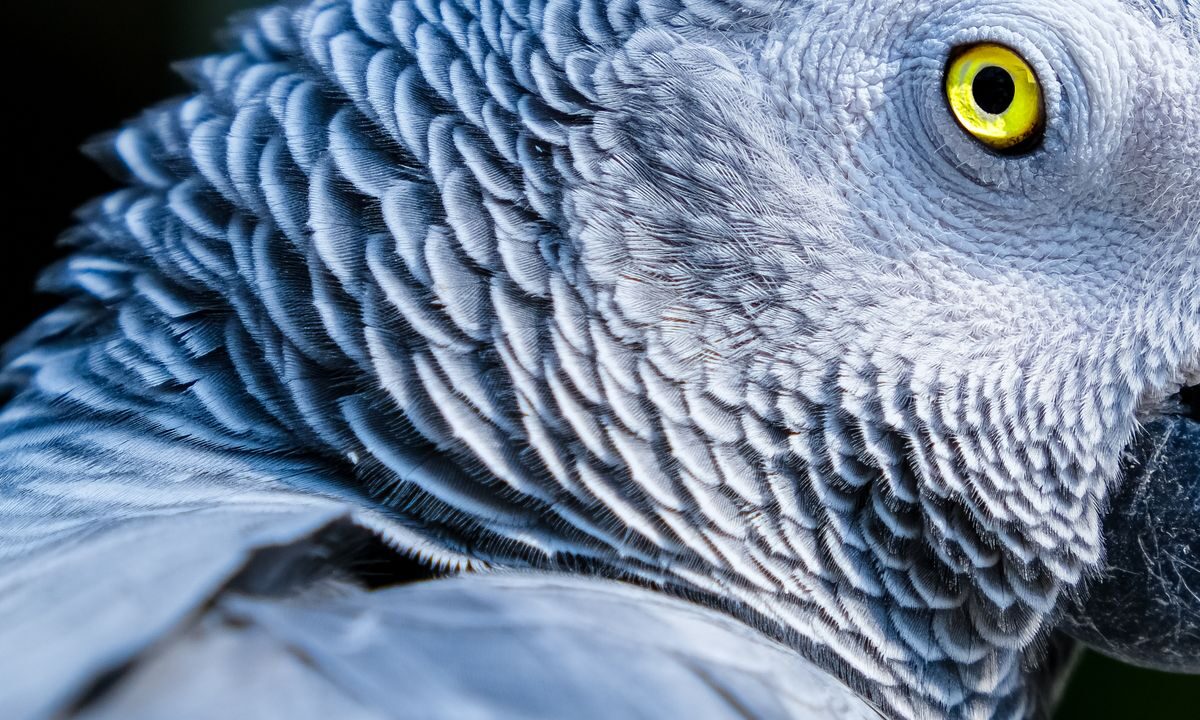
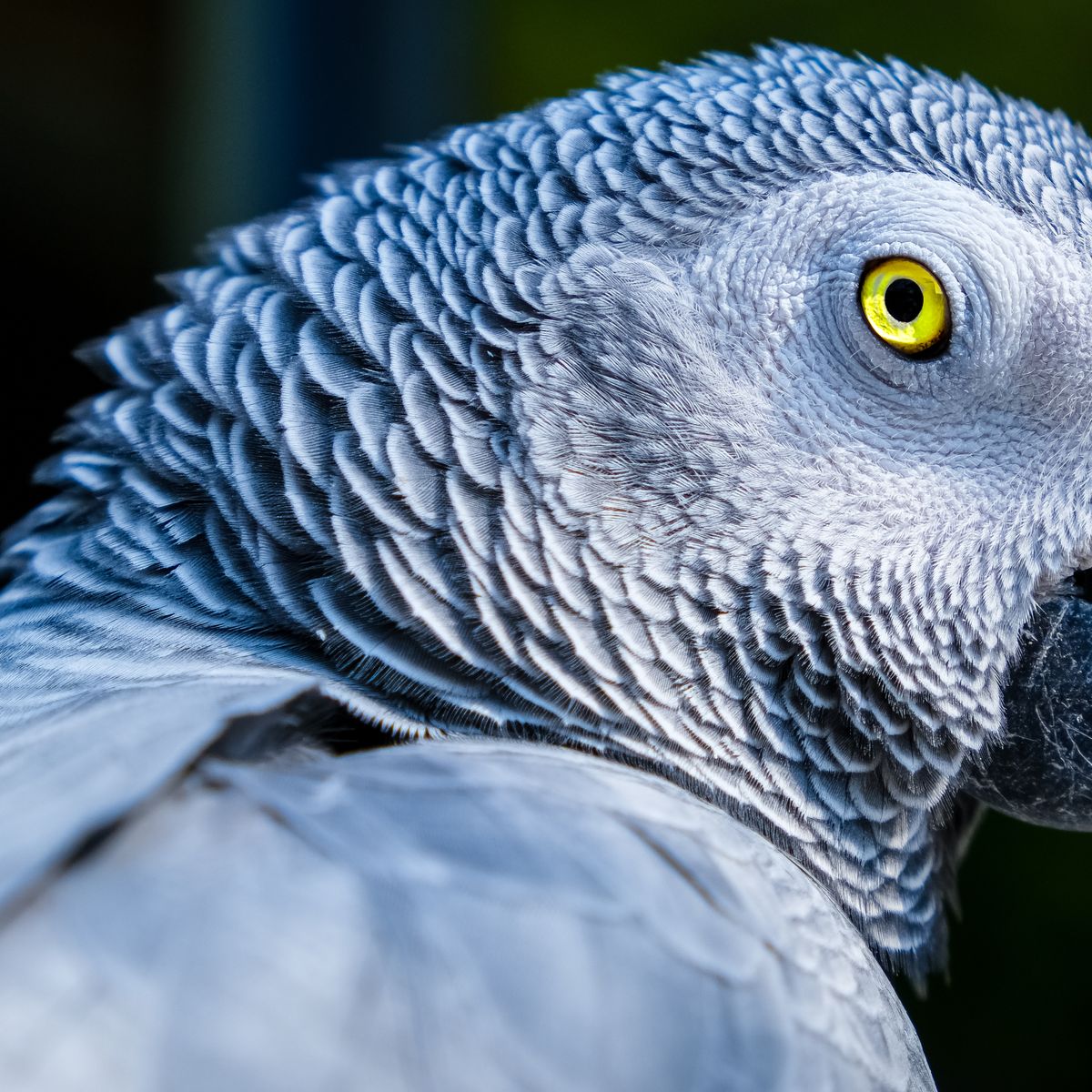
African Grey parrots are celebrated for vocal learning and cognitive ability, but that reputation can hide the practical reality of ownership. These birds require daily social contact, complex enrichment, careful nutrition and a long-term care plan.
Intelligence creates work for the caregiver
An African Grey that spends most of the day with little to manipulate or explore can develop behavior and welfare problems. Rotate chewing, shredding, climbing and foraging opportunities and teach simple cooperative behaviors using positive reinforcement.
The Association of Avian Veterinarians provides a dedicated Grey Parrot care handout in its companion-bird resource series.
Housing should support movement
Choose the largest safe cage practical, with appropriate bar spacing and room for the bird to climb, turn and extend the wings without striking toys or furnishings. Daily supervised activity outside the cage remains important.
Seed-only diets are a poor foundation
African Greys can selectively eat high-fat seeds while missing essential nutrients. A balanced formulated diet plus appropriate vegetables and other fresh foods is safer than relying on seed mix alone.
Calcium and vitamin balance deserve attention
African Greys are among parrots in which poor seed-heavy diets are associated with nutritional deficiencies. Discuss diet and any supplements with an avian veterinarian rather than adding calcium indiscriminately.
Socialization should not create one-person dependence
Encourage calm interaction with more than one trusted household member when the bird is comfortable. Avoid forcing contact with unfamiliar people.
Foraging is useful mental work
Hide part of the normal diet in paper parcels, safe puzzle feeders or simple search setups. Increase difficulty gradually so the bird succeeds.
Feather damaging behavior needs a medical workup
Feather picking can involve medical, environmental and behavioral factors. Do not assume boredom is the only cause; an avian veterinarian should assess new feather damage.
Plan for noise, dust and household change
African Greys produce feather dust and can be vocal. Housing, air filtration and cleaning routines need to fit the actual household, including people with respiratory sensitivity.
Preventive avian veterinary care
Establish care before an emergency. Weight trends, diet review, physical examination and appropriate testing can detect problems earlier than waiting for obvious illness.
For airborne household hazards, see our bird-safe home guide. For broader parrot biology and behavior, use our parrot facts guide.
Talking ability should never be the reason to buy one
Some African Greys develop large vocal repertoires while others prefer whistles, household sounds or limited speech. A bird that never talks still has the same need for enrichment, veterinary care and social interaction.
Predictable routines can reduce unnecessary stress
Greys can be observant and sensitive to household change. Keep feeding, sleep and major interaction periods reasonably predictable while still teaching the bird to tolerate normal variation.
Teach independent activity
A bird that receives attention every moment a person is home may struggle when the household routine changes. Reward calm foraging and play away from direct human interaction so independence becomes part of normal life.
Use a gram scale as an early-warning tool
Weekly or otherwise veterinarian-recommended weighing can reveal a trend before dramatic body-condition change becomes visible. Record values rather than relying on memory.
Dust management matters
African Greys produce powder down. Regular cleaning and appropriate air filtration can improve household comfort, but avoid ionizing or ozone-producing devices around birds.
Be cautious with reproductive triggers
Dark enclosed cavities, excessive petting over the body and very long daylight periods can encourage hormonal behavior in some parrots. Ask an avian veterinarian or qualified parrot behavior professional how to adjust the environment when reproductive behavior becomes persistent.
Long-term planning is part of welfare
Because these parrots can live for decades, guardianship plans, future housing and financial provision deserve attention before acquisition—not only when an owner becomes unable to provide care.
Choose housing for movement, not just standing space
An African Grey needs room to stretch, climb and move between useful perches without constantly brushing the cage walls or tail against furniture. A larger enclosure also makes it easier to separate feeding, resting and enrichment areas rather than forcing every activity into the same corner.
Perches should vary in diameter and texture
Natural, bird-safe branches can provide more foot variation than identical dowels. Inspect surfaces for roughness, splinters, contamination and instability, and replace perches that become difficult to clean.
Build daily foraging into the routine
Association of Avian Veterinarians enrichment guidance groups enrichment into sensory, nutritional, manipulative, environmental and behavioral categories. For a Grey, that can mean hiding part of the normal ration, rotating destructible materials and teaching simple problem-solving tasks instead of relying on static toys.
Use food rewards strategically
Training rewards should be tiny and counted within the overall diet. Large handfuls of nuts can add significant calories quickly. The value of a reinforcer is behavioral, not nutritional quantity.
Do not build the diet around seeds and nuts
Merck recommends nutritionally complete formulated foods with appropriate fresh produce rather than a high-fat seed-based diet. African Greys are one of the parrot groups in which poor nutrition can contribute to serious long-term disease.
Calcium balance deserves special attention
Merck’s current nutritional guidance notes that African Greys are among parrots at risk of calcium-related disorders. Do not solve this by adding random supplements; diet and supplementation should be reviewed with an avian veterinarian because excess can also cause harm.
UVB and sunlight claims need nuance
Natural daylight and safe outdoor exposure can support normal behavior, but glass filters part of the ultraviolet spectrum and unsupervised outdoor cages introduce heat, predator and escape risks. Ask your avian veterinarian whether artificial UVB is appropriate for your housing situation.
Sleep should be predictable and protected
Household television, late-night lighting and irregular schedules can interfere with rest. Give the bird a consistent quiet, dark sleep period appropriate to its individual routine.
Teach the bird to tolerate practical handling
Step-up, carrier entry, scale training and brief towel familiarity can make veterinary care less stressful. These skills are more useful than tricks that have no care function.
Do not force social contact
A Grey that turns away, leans back, pins the eyes intensely or moves from the hand is giving information. Respecting distance early can prevent biting from becoming the only reliable way to end contact.
Independent play protects both bird and owner
Constant one-to-one attention can create an unsustainable routine. Schedule periods when the bird forages, chews or explores safely without direct human interaction so independence becomes normal rather than a sudden deprivation.
Household air quality is non-negotiable
Keep the bird away from smoke, aerosols, strong fragrance, overheated non-stick cookware and other airborne irritants. Birds have highly efficient respiratory systems and can be harmed by exposures that seem minor to people.
Use body weight as a health trend, not a single score
Weigh under similar conditions and record the result. A consistent downward trend, especially with reduced eating, fluffed posture or behavior change, warrants veterinary attention.
Know the signs that should not wait
Open-mouth breathing, persistent tail bobbing, sitting on the cage floor, collapse, major appetite loss, repeated vomiting, active bleeding or sudden severe weakness need prompt avian-veterinary assessment.
A practical African Grey care framework
- large secure enclosure with usable movement space;
- varied safe perches;
- balanced formulated diet plus appropriate produce;
- daily foraging and destructible enrichment;
- predictable sleep;
- independent activity as well as social time;
- regular gram-scale weight tracking;
- established avian-veterinary care;
- long-term guardianship planning.
0 comments