
Hamster Not Using Wheel: Normal Variation, Poor Fit, Pain or Illness?
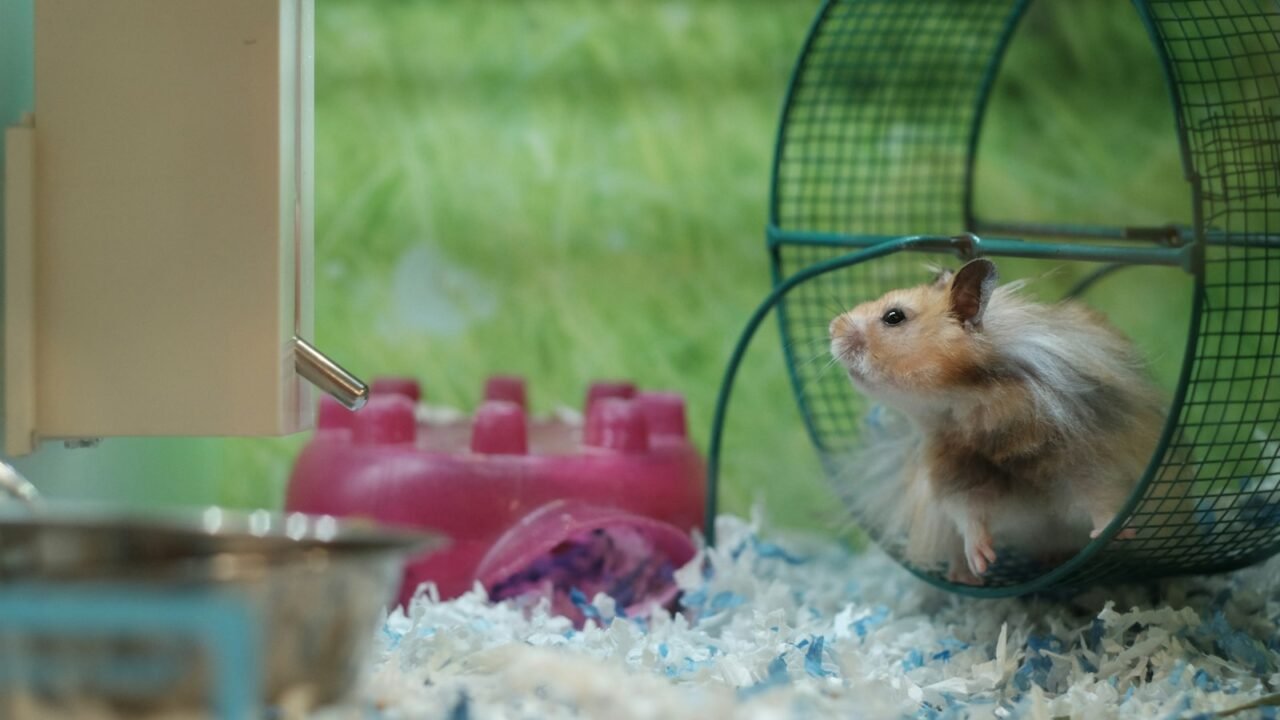
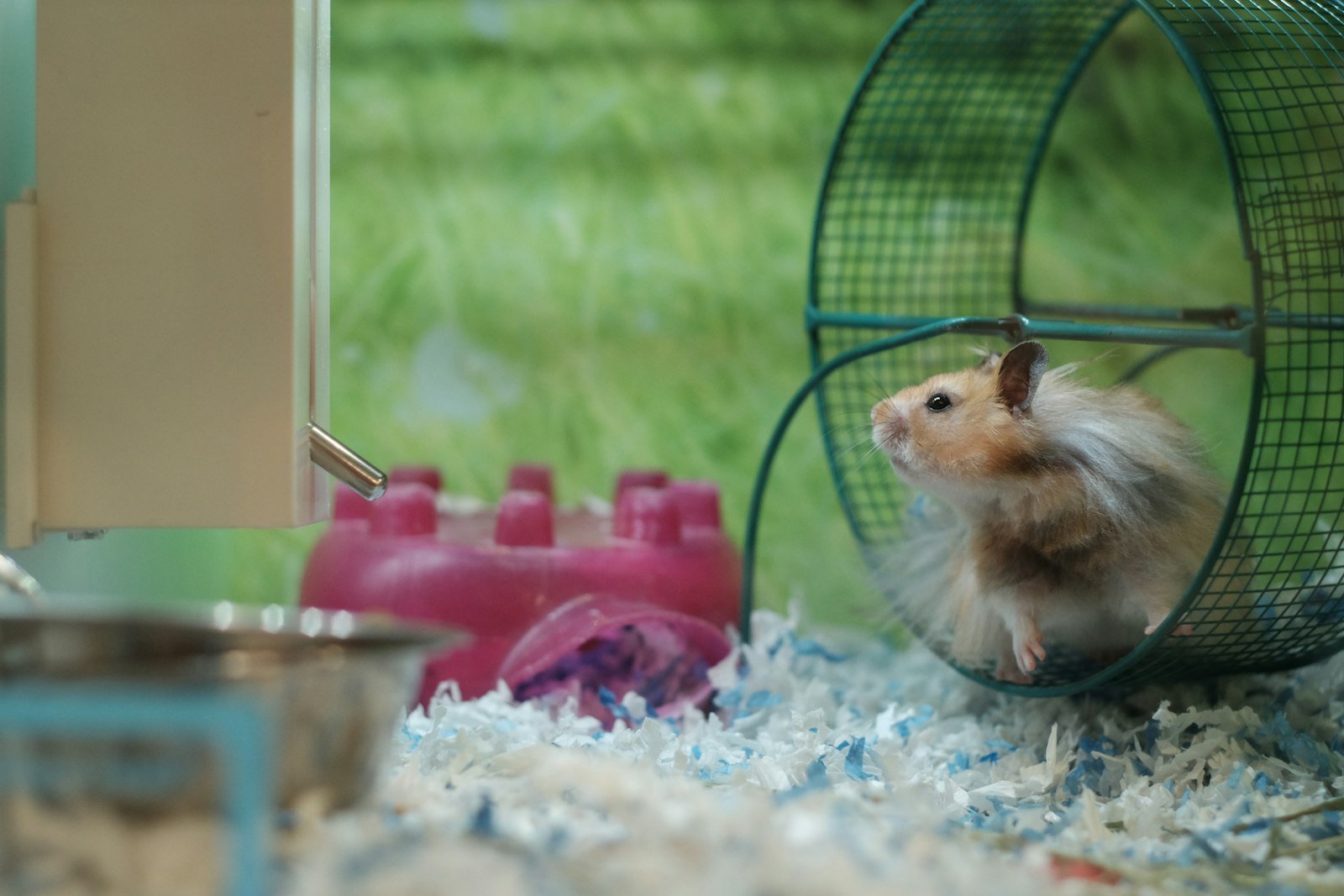
A hamster that stops using its wheel can worry an owner because wheel running is such a visible part of normal hamster activity. But the useful question is not simply “Why is my hamster not running?” It is whether the change is new, whether the wheel itself still works for the hamster, and whether other signs of pain or illness are present.
Some hamsters use the wheel mainly late at night when nobody is watching. Others reduce wheel use as they age while still exploring, foraging and behaving normally. A sudden stop in a hamster that previously ran every night deserves more attention than a hamster that has never been especially wheel-focused.
First confirm the wheel is actually not being used
Check for small clues before assuming the hamster stopped completely. Bedding may shift around the base, droppings may appear nearby, or the wheel may be in a different position in the morning.
A simple piece of removable tape placed lightly across the outside of the wheel can show whether it rotated overnight. Remove it immediately after checking so it cannot become a chewing hazard.
Make sure the wheel still turns freely
Bedding can jam the base, a stand can tilt, or the wheel can rub against the enclosure wall. Spin it by hand and check that it moves smoothly without scraping.
If the wheel suddenly became harder to turn, the hamster may simply have stopped using an uncomfortable piece of equipment.
Wheel size matters
A wheel that forces the hamster’s back into a strong curve can become uncomfortable. The animal should be able to run with the spine close to neutral.
Our hamster wheel size guide explains how to judge fit by body posture rather than by a product label alone.
Use a solid running surface
Open wire or rung-style wheels can be difficult on the feet and may catch toes. A continuous solid surface is safer and easier to clean.
Older hamsters may naturally slow down
Senior hamsters often become less active and may spend more time resting. A gradual reduction in wheel use can be part of ageing.
Age should not be used to explain a sudden stop if the hamster is also losing weight, limping, drinking more, eating less or sleeping through the normal active period.
Arthritis and pain can make running uncomfortable
Joint pain, a sore foot, nail problems or a previous injury can reduce wheel use. Watch how the hamster walks on a flat surface.
Our hamster signs of pain guide covers hunched posture, reduced activity and new handling sensitivity.
Limping is an important clue
If the hamster avoids one leg, walks unevenly or cannot bear weight normally, stop focusing on the wheel and focus on the injury.
See our hamster limping guide for practical red flags and safe transport advice.
Overgrown nails can change gait
Long nails can snag, alter toe position and make running less comfortable.
Our hamster nail guide explains what overgrowth looks like and when professional trimming is safer.
Weight gain can make the wheel harder to use
An overweight hamster may tire faster or avoid a wheel that feels cramped. Weigh the hamster rather than judging only by fur and body shape.
Do not respond by restricting food sharply. Review diet quality, portions and enclosure activity with a veterinarian if body condition is a concern.
Weight loss is more concerning than simple wheel avoidance
A hamster that stops running and is also losing weight may be unwell.
Our hamster weight-loss guide explains how to track a trend consistently.
Sleeping more can overlap with reduced wheel use
If the hamster is missing the normal active period rather than simply ignoring the wheel, the change is broader than exercise preference.
Use our hamster sleeping more than usual guide to compare normal rest with possible lethargy.
A new enclosure can temporarily change the routine
Moving the wheel, changing bedding or replacing familiar hides can make a hamster spend more time investigating the new setup and less time running for a few nights.
Give the hamster time to settle while keeping the core environment stable.
Some hamsters prefer other forms of activity
A hamster may spend more time burrowing, foraging or exploring than running. That is not automatically a welfare problem if the enclosure offers deep bedding, space and enrichment.
Our hamster enclosure guide explains why a wheel should be one part of the habitat rather than the whole exercise plan.
Do not remove the wheel just because it is temporarily unused
If the wheel is safe and correctly sized, leave it available while you investigate the change. The hamster may return to it once stress, pain or environmental disruption resolves.
Check whether the wheel is too exposed
Some hamsters prefer running in a location with nearby cover. A wheel placed in the most exposed part of the enclosure may be used less than one positioned beside bedding or a hide.
Do not add more handling to “exercise” the hamster
Forced handling or exercise balls do not replace normal voluntary movement. Blue Cross advises against hamster exercise balls because they limit choice and can create collision risk.
Appetite gives the wheel change more context
A hamster that is still eating normally and exploring is different from one that leaves food untouched and stops all activity.
Our hamster not eating guide explains how to check food stores and droppings.
Breathing changes make reduced activity more urgent
A hamster may stop running because breathing has become difficult. Open-mouth breathing, obvious abdominal effort, clicking or wheezing deserves prompt veterinary attention.
See our hamster breathing guide.
What short-term monitoring should include
- whether the wheel rotates overnight;
- wheel size and freedom of movement;
- normal walking and weight-bearing;
- appetite and droppings;
- body weight trend;
- usual wake time;
- breathing and general posture.
When to call a veterinarian
Arrange a veterinary check when wheel use stops suddenly and the hamster also appears painful, sleeps through the normal active period, loses weight, eats less or moves abnormally.
When it is urgent
Collapse, severe weakness, open-mouth breathing, inability to walk, seizure-like activity or obvious trauma requires urgent veterinary care.
A hamster not using its wheel is not automatically sick. Check whether the wheel still fits and works, then compare the change with the hamster’s normal activity, appetite, weight and movement. The wider pattern tells you whether this is preference, equipment, ageing, pain or illness.
Check whether the hamster has simply shifted activity
Hamsters do not divide exercise evenly between the wheel, tunnels, burrowing and foraging. A hamster that is digging more, exploring a new layout or spending longer carrying food may temporarily run less without being unwell.
Night cameras can answer the question without disturbing sleep
If you are unsure whether the wheel is used after you go to bed, a simple motion camera can show the real pattern without waking the hamster. That is more reliable than repeatedly opening the enclosure during the night.
Check for wheel noise or vibration
A loose bearing, wobble or squeak can make a previously acceptable wheel less comfortable. Tighten or replace unstable parts and make sure the stand sits level.
Wheel placement can change after deep bedding shifts
Burrowing can tilt a stand or bury the wheel edge. Re-seat the wheel on a stable platform so the hamster can enter and run without climbing over a high bedding ridge.
Do not use wheel running as the only health measure
A hamster can still be ill while using the wheel, and a healthy hamster can sometimes run less. Appetite, weight, posture, breathing, gait and normal evening activity together give a much better health picture.
Recovery should look like normal voluntary activity
If the problem was equipment or a temporary disruption, the hamster should gradually return to its own normal activity pattern. If reduced wheel use persists alongside other changes, arrange veterinary assessment rather than buying more exercise equipment.



0 comments