
Hamster Breathing Fast: Normal After Activity or a Sign of Respiratory Trouble?


A hamster can breathe faster after running, handling or a stressful event. The important distinction is whether breathing settles when the hamster rests—or remains fast, effortful or noisy.
Merck notes that respiratory disease in hamsters can become serious quickly and advises veterinary care for wheezing or trouble breathing.
Observe without picking the hamster up
If the hamster is already distressed, repeated handling can make breathing harder to interpret. Let the hamster rest in the enclosure and watch the chest and sides from a short distance.
Ask what happened immediately before
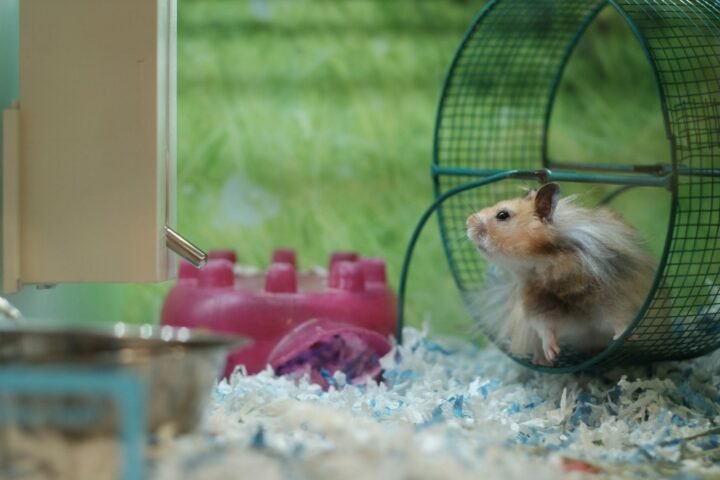
Running hard on the wheel, escape attempts or being startled can temporarily raise breathing rate. If the hamster settles within a short period and otherwise looks normal, that is different from fast breathing at rest.
Red flags are about effort, not only speed
Open-mouth breathing, obvious abdominal effort, stretched posture, clicking or wheezing, blue-grey discoloration, weakness or collapse should be treated as urgent.
Look for nose or eye discharge
Respiratory infections may come with discharge, reduced appetite and low activity. Merck lists nasal or eye secretions alongside breathing difficulty as illness signs.
Check the room temperature
Overheating can increase respiratory effort. Move the enclosure away from direct sun, heaters and poorly ventilated hot rooms. Do not cool a distressed hamster abruptly with ice or cold water.
Dust can irritate the airway
Very dusty bedding or a poorly ventilated enclosure can aggravate respiratory irritation, though environmental improvement should not replace veterinary care when breathing is abnormal.
Heart disease is also possible
Older Syrian hamsters can develop cardiovascular disease. Merck describes fast breathing among the possible signs associated with atrial thrombosis and heart failure in older animals.
Do not give leftover antibiotics
Some antibiotics are dangerous to hamsters, and respiratory signs can have different causes. Treatment needs an appropriate veterinary diagnosis.
Transport with as little stress as possible
Use a secure carrier with familiar bedding and stable temperature. Our hamster vet transport guide explains the setup.
If breathing is persistently fast at rest, laboured, noisy or paired with weakness, poor appetite or discharge, treat it as a health problem—not a behaviour quirk.
Count effort before trying to count breaths
For a small hamster, an exact home respiratory rate can be difficult to measure accurately. What matters most is whether breathing looks easy. Watch the sides of the body, nostrils and posture. A hamster that is resting quietly should not look as if every breath requires visible effort.
Fast breathing after exercise should settle
A hamster may breathe faster after running on the wheel or being startled. Give the animal quiet time without handling. If breathing returns to the hamster’s usual pattern and there are no other illness signs, the episode may have been activity-related.
Persistent fast breathing at rest is different and deserves more concern.
Open-mouth breathing is a red flag
Hamsters normally breathe through the nose. Open-mouth breathing, gasping or a stretched-neck posture suggests significant respiratory distress and needs urgent veterinary attention.
Listen for abnormal sounds
Clicking, wheezing, squeaking associated with breaths or wet respiratory sounds can accompany airway or lung disease. Normal hamster vocalisation should not be confused with a repetitive sound that occurs in time with breathing.
Check for nasal discharge
Moisture, crusting or discharge around the nostrils can support concern about respiratory disease. Eye discharge may occur too. Do not put human decongestants, essential oils or vapor products in the enclosure.
Reduced appetite makes the situation more serious
Hamsters with respiratory illness may eat less because they feel unwell or because breathing is difficult. Our hamster appetite guide explains what to monitor when normal intake drops.
Weight loss can reveal a longer problem
If the hamster has been breathing differently for several days, weigh on a gram scale if this can be done without extra stress. A downward trend suggests the illness is affecting the whole animal.
Dust and ammonia can worsen irritation
Very dusty bedding and a dirty, poorly ventilated enclosure can irritate the respiratory tract. Keep bedding clean and low-dust, but do not assume an environmental change alone will treat an established infection or heart problem.
Ventilation matters without creating a draft
The enclosure should allow good air exchange while remaining protected from strong cold drafts. Solid-sided tanks need enough open ventilation above; barred enclosures should not sit directly in the path of air conditioning or fans.
Room temperature can change breathing
Excess heat can increase respiratory rate. Move the enclosure away from direct sunlight, radiators or hot appliances. Do not place a distressed hamster on ice or in very cold air, because abrupt cooling adds stress.
Heart disease is more likely in some older hamsters
Merck describes cardiovascular disease in older Syrian hamsters and notes that breathing difficulty can be part of that picture. A veterinarian may need to distinguish heart disease from respiratory infection or other causes.
Do not use leftover antibiotics
Some antibiotics are unsafe for hamsters, and even a safe drug may be inappropriate for the actual problem. Giving leftover medication can delay diagnosis and make the situation harder to interpret.
Do not use steam, menthol or essential oils
Home respiratory remedies designed for people are not automatically safe for hamsters. Strong vapours can irritate sensitive airways. Supportive care should focus on quiet, clean air and veterinary assessment.
Minimise handling when breathing is difficult
Repeatedly picking up a distressed hamster can increase oxygen demand. Observe from outside the enclosure and prepare transport before handling the animal.
Set up the travel carrier simply
Use familiar bedding, stable temperature and no wheel or high climbing equipment. Keep the carrier level. Our hamster vet travel guide covers safe transport.
When to seek urgent care
- open-mouth breathing;
- obvious abdominal effort;
- blue-grey coloration;
- collapse or severe weakness;
- persistent wheezing or clicking;
- fast breathing at rest that does not settle;
- breathing change plus poor appetite or discharge.
What to tell the veterinarian
Note when the change began, whether it followed exercise or heat exposure, any nasal or eye discharge, appetite, recent weight and enclosure conditions. A short video of breathing at rest can be useful if recording does not delay care.
Monitor the direction of change after treatment
If the hamster has already been examined, breathing should move toward easier, quieter rest according to the treatment plan. Worsening effort, new weakness or continued poor appetite should prompt another call to the clinic.
Merck’s hamster disease guidance notes that respiratory disease can become serious quickly. Persistent fast or laboured breathing is therefore a symptom to take seriously rather than a behaviour to watch indefinitely.
Do not keep the hamster near scented products
Perfume, aerosol sprays, smoke and strong cleaning fumes can irritate the respiratory tract. Keep the enclosure in a clean-air area and use unscented cleaning products appropriately. If exposure preceded breathing trouble, tell the veterinarian exactly what product was involved.
Normal activity should return without prolonged breathlessness
After ordinary running, breathing should settle as the hamster rests. Repeated episodes in which mild activity produces prolonged fast breathing can be useful evidence of an underlying respiratory or cardiovascular problem and should be discussed with a veterinarian.
Sleep does not explain laboured breathing
A resting hamster may breathe quietly while asleep, but visible abdominal effort, open-mouth breathing or persistent noise is not normal sleep behaviour. If you are unsure, record a short video from outside the enclosure and contact a veterinarian rather than waking and handling the hamster repeatedly.


0 comments