
Pet Bird Diet Guide: Pellets, Vegetables, Seeds and Toxic Foods
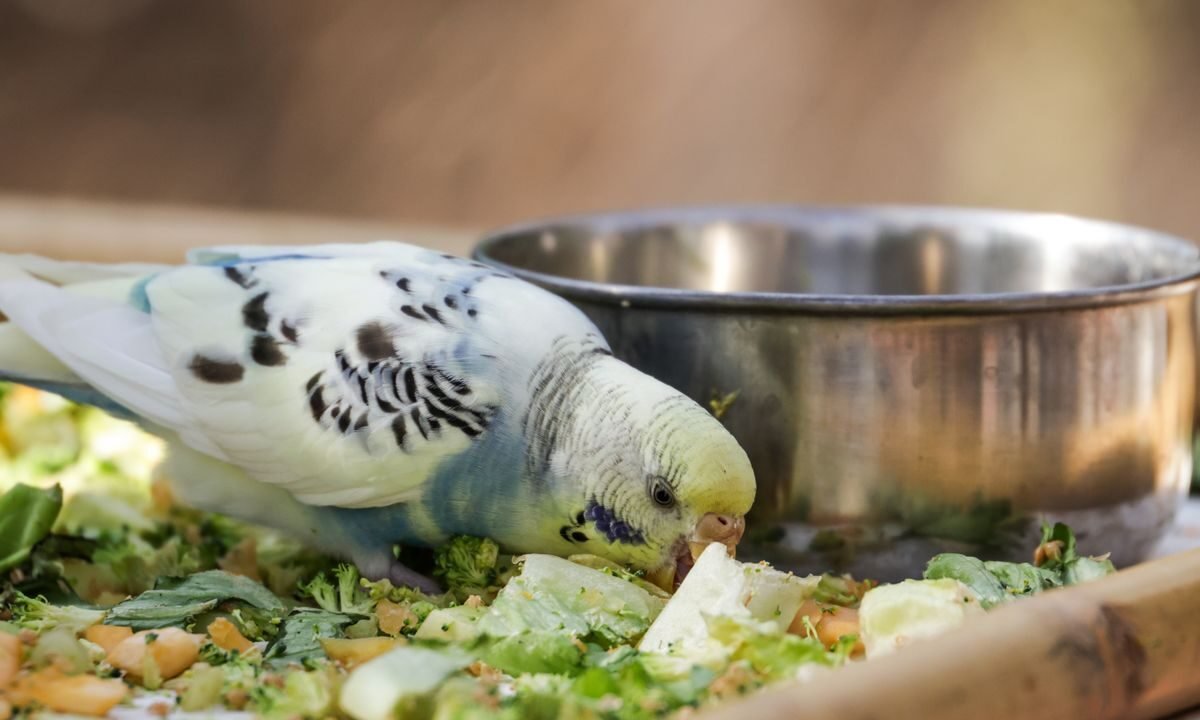
A pet bird diet should provide more than calories. Seed-heavy feeding can look varied while still leaving nutritional gaps, so many companion birds benefit from a balanced base diet plus appropriate vegetables and other species-suitable foods. The exact plan depends on the bird, its health and what it has learned to eat.
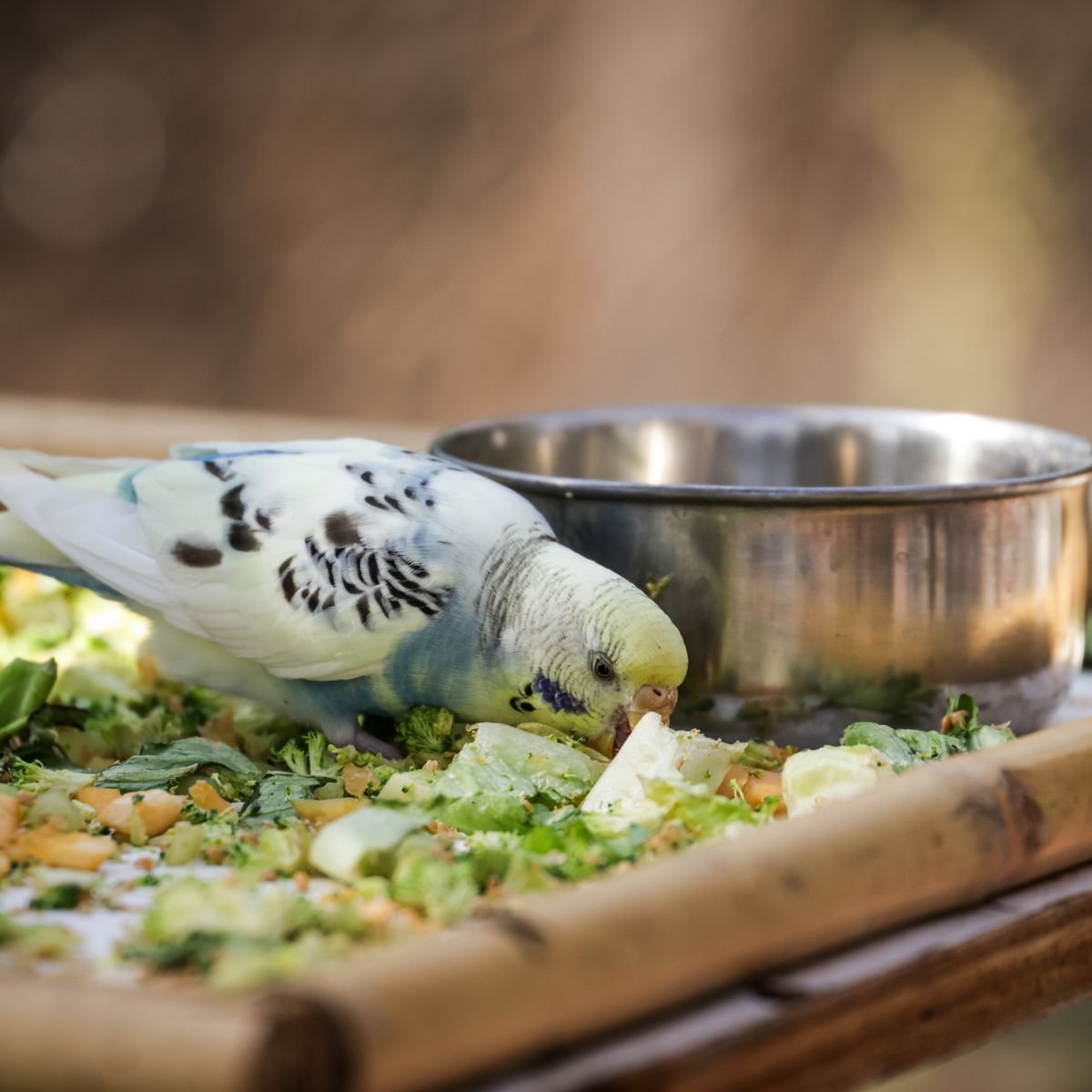
Start with the species, not a generic parrot rule
Budgies, lovebirds, cockatiels, African greys, canaries, finches, lories and other birds do not all have identical nutritional needs. Ask an avian veterinarian what proportion of formulated food, seed and fresh items fits your species and health status.
Formulated diets can reduce nutritional guesswork
Quality pellets are designed to provide a more consistent nutrient profile than selective seed eating. Some small parrots may still receive measured seed as part of a balanced plan, so avoid turning a general recommendation into an absolute rule.
Use vegetables and other fresh foods thoughtfully
Dark leafy greens and other bird-safe vegetables add variety and can double as enrichment. Wash produce carefully and remove fresh food before it spoils, especially in warm rooms.
Seeds and nuts work well as high-value rewards
Many parrots strongly prefer fatty seeds or nuts. Using small amounts for training can preserve their value without allowing them to displace balanced daily food.
Know common toxic or unsafe foods
Avoid alcohol, caffeine, chocolate, avocado and heavily salted foods. Also prevent access to spoiled food, moldy items and non-food household substances.
Diet conversion must be monitored
Do not remove the familiar food and assume hunger will force a bird to accept pellets. Track body weight and actual eating, and make changes gradually with avian veterinary guidance—especially in small birds that can lose weight quickly.
When to contact an avian veterinarian
Contact an avian veterinarian if a diet change is followed by reduced intake, weight loss, weakness, abnormal droppings or a bird that appears hungry but refuses the new food. A gram scale can be valuable for monitoring trends.
Change the menu gradually, not overnight
A bird that has eaten seed for years may not recognize pellets or vegetables as food straight away. Introduce new foods patiently while making sure the bird continues to eat enough overall. Weighing a small bird regularly on a gram scale is a practical way to catch unintended weight loss during a diet transition.
Pellets reduce selective eating, but one formula does not fit every species
Merck explains that formulated pellets combine ingredients so birds cannot simply pick out favorite seeds. The correct product still needs to match species, size and life stage.
Seed-only diets can create nutritional gaps
Seeds are palatable and useful in moderation, but they can be high in fat and incomplete as a sole diet for many pet birds. The risk is not that every seed is “bad”; it is the imbalance created when seeds dominate the whole menu.
Fresh vegetables add variety and micronutrients
Offer small amounts of bird-safe vegetables and greens, remove leftovers before they spoil and introduce new foods gradually. Fresh produce complements the main diet rather than replacing it.
Fruit is usually the smaller part of the fresh-food picture
Many fruits are higher in sugar than vegetables. Use them as variety rather than the default fresh item, particularly in birds prone to obesity.
Finches and canaries need species-specific plans
Merck notes that traditional seed mixtures for passerines such as finches and canaries can be deficient in several vitamins, amino acids and minerals. Their diets should not simply copy a parrot feeding plan.
Treats count toward the day’s calories
Nuts, sunflower seeds and other favorites are useful training rewards because they are valuable to many birds. Use small pieces rather than allowing the reward food to displace balanced daily intake.
Do not hide every supplement in the water
Adding vitamins to drinking water can change taste, degrade unpredictably and make dose difficult to judge. Use supplements only when an avian veterinarian recommends them for a specific reason.
Fresh food has a hygiene clock
Cooked grains, sprouts, egg foods and moist produce spoil faster than dry pellets. Remove them promptly, especially in warm rooms.
Avocado, chocolate, alcohol and caffeine should stay out of reach
Do not rely on the bird to avoid unsafe foods. Household access prevention is more reliable than trying to remember every risk after the bird lands on a plate.
Diet conversion should be monitored with weight and droppings
A bird can appear to peck at new food while consuming too little. Weight trend and normal droppings provide better evidence that intake remains adequate.
Do not diagnose nutrition problems from feather color alone
Poor feathers, obesity, weight loss and beak changes can have nutritional causes, but disease can look similar. Use veterinary examination rather than trying to correct every change with supplements.
Use one feeding change at a time
If you change pellets, add several vegetables and reduce seeds all in one week, a drop in intake becomes harder to interpret. Make deliberate changes and track what the bird actually consumes.
Food presentation can affect acceptance
Some birds investigate chopped vegetables, others prefer larger leaves or pieces clipped near a favorite perch. Safe presentation can improve acceptance without disguising food in sugary mixtures.
Do not let a full bowl create false reassurance
Seed hulls can make bowls look full, and birds can selectively remove favorite items. Check the actual remaining food rather than judging by bowl volume alone.
Sprouts require especially careful hygiene
Moist conditions that encourage sprouting can also support microbial growth. If sprouts are used, prepare them with rigorous hygiene and discard anything with an unusual smell or appearance.
Cooked foods spoil faster than dry foods
Warm grains, legumes or egg-containing foods should not remain in the cage for long periods. Remove leftovers promptly, especially in warm rooms.
Obesity can coexist with nutrient deficiency
A bird can consume excess calories from seed-heavy foods while still missing important nutrients. Body weight alone therefore does not prove a diet is balanced.
Breeding, growth and illness may change requirements
A young bird, breeding hen or patient recovering from illness may need a different feeding plan from a healthy adult companion bird. These situations deserve species-specific veterinary guidance.
Do not copy another species’ diet percentages blindly
Parrots, finches and canaries have different feeding biology. The goal is not to hit a universal pellet/seed/vegetable ratio but to use an appropriate plan for the bird in front of you.
Use body condition alongside the scale
Weight alone cannot show whether a bird is carrying excess fat or losing muscle. Avian veterinarians use body-condition assessment alongside grams to judge whether the feeding plan is working.
Do not compensate for poor diet with constant supplements
Powders and drops can create new imbalances if added without a reason. Improving the underlying diet is usually more useful than layering multiple products onto an unbalanced menu.
Bottom line
The safest bird diet is species-appropriate, nutritionally balanced and actually eaten. Improve variety gradually, use treats strategically and involve an avian veterinarian rather than relying on one universal percentage for every bird. Monitor weight and droppings whenever you make a meaningful feeding change, especially during diet conversion. Keep the familiar food available until you are sure the bird is actually eating the replacement. For the broader ownership framework covering species choice, housing, routine care and veterinary planning, continue with the First-Time Bird Owner Guide.
0 comments