
Cat Not Eating: When Appetite Loss Needs Veterinary Care
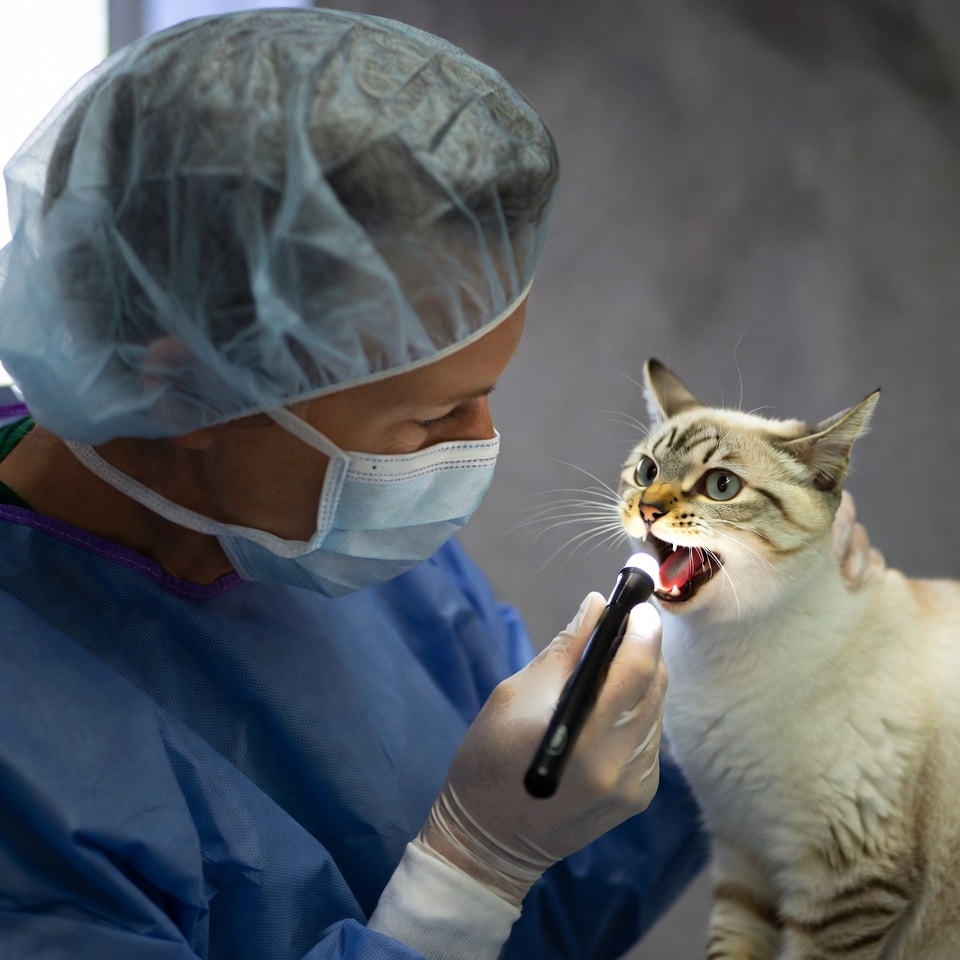
When a cat stops eating, the cause can be as simple as stress or a food change, but appetite loss can also be an early sign of dental pain, nausea or disease. Cats are not a species that should go without food for long, so it helps to pay attention to the whole picture rather than waiting several days to see what happens.
Do not assume a cat is simply being picky
Cats can be selective, but a meaningful change from an individual’s normal appetite should be taken seriously. Note whether the cat refuses everything or only one food, whether treats are still accepted, and whether chewing appears painful.
For the broader warning-sign framework around feline illness, use the Common Cat Health Problems guide. Appetite loss is one clue among several and becomes more meaningful when considered with weight, hydration, litter-box changes and behavior.
Why sustained appetite loss matters
Cats are vulnerable to complications when they consume too few calories, especially if they are overweight or already ill. Do not use prolonged fasting as a way to force acceptance of a new diet. A cat that is not eating and is losing weight needs veterinary assessment.
Look for other clues
Vomiting, diarrhea, drooling, bad breath, hiding, fever, weight loss, jaundice, increased thirst, reduced urination, nasal congestion or trouble breathing can help narrow the problem. Difficulty breathing is an emergency.
Make food easier to approach—but do not force-feed
Offer the cat’s familiar food in a quiet location away from litter boxes and competing animals. Warming wet food slightly can increase aroma. Force-feeding a resistant cat can worsen food aversion and may be unsafe in some medical situations.
Dental and mouth pain are easy to miss
Cats may approach food, sniff it and then walk away when eating hurts. Dropping food, chewing oddly, pawing at the mouth or strong odor deserve an oral examination.
Call sooner for kittens or sick cats
Young kittens, diabetic cats, cats with kidney disease and cats already receiving treatment have less room for prolonged appetite loss. Contact the veterinary team promptly rather than waiting for a fixed number of missed meals.
What to tell your veterinarian
Note when the cat last ate a normal meal, what foods were offered, vomiting or diarrhea, water intake, urination, medications, recent diet changes, dental signs, weight changes and any household stressor.
Bottom line
A sustained decrease in appetite is not a diagnosis and should not be managed only by changing flavors. Contact a veterinarian promptly when a cat stops eating, especially when other signs of illness are present.
Veterinary reference: Cornell Feline Health Center — Anorexia.
Related PetsFilled guides: cat nutrition and cat carrier training for lower-stress veterinary trips.
Smell, nausea and pain can all suppress eating
Cats use smell heavily when deciding whether to eat. Nasal congestion can make familiar food less interesting, while nausea may cause a cat to approach food and then turn away. Oral pain can create a similar pattern. That is why the behavior around the bowl—sniffing, licking, chewing, dropping food or walking away—can be as informative as the amount eaten.
Do not keep changing foods so quickly that the pattern becomes confusing
Offering many new foods in rapid succession can make it difficult to know whether appetite is improving or the cat is simply sampling novelty. Keep notes on what was offered and how much was actually consumed. If a veterinary diet has been prescribed, ask before replacing it with unrelated foods.
Body weight provides an objective measure
If you have a safe scale, record the cat’s weight rather than relying only on visual appearance. A small but consistent downward trend can confirm that reduced intake is clinically meaningful, particularly in long-haired cats where weight loss may be hidden.
Recovery should include normal voluntary eating
After treatment, improvement means more than accepting one favorite treat. The cat should return toward a normal pattern of voluntary meals, hydration and behavior. If appetite only improves briefly or the cat continues to lose weight, contact the veterinary team again.
Build a useful 24-hour picture
Practically, write down what your cat actually ate rather than whether the bowl “looks touched.” Also note drinking, urination, stool, vomiting and hiding. If you have more than one cat, feed separately for a short period so you know which cat is eating. That information often makes the veterinary conversation faster and clearer.
Complete refusal is more important than pickiness
A cat that sniffs one food and walks away but eats another may have a preference issue. A cat refusing all food, especially with lethargy, vomiting or hiding, needs more urgent attention.
Overweight cats have a special risk
Prolonged appetite loss can contribute to hepatic lipidosis, particularly in overweight cats. That is one reason “waiting for hunger to win” is not a safe strategy.
Congestion can reduce appetite
Cats depend heavily on smell. Respiratory infection can make food less appealing, but poor appetite in a congested cat still needs monitoring because dehydration and weakness can develop.
Dental pain can look like indecision
A cat may approach food, chew once, drop it or prefer soft textures. That pattern can be more informative than simply noting that some food remains in the bowl.
Nausea can look like interest followed by retreat
Some nauseated cats approach the bowl, lick their lips, swallow repeatedly and then turn away. Record what happens around mealtime rather than only the final amount eaten.
Do not syringe-feed without guidance
Force-feeding can cause aspiration and can make food aversion worse. If intake is inadequate, ask the veterinary team for a safe plan rather than improvising.
Warmth and smell can sometimes improve interest
For a medically stable cat, slightly warming wet food can increase aroma. Offer small fresh portions rather than leaving food out until it dries. If the cat still refuses food, the problem is no longer simply presentation.
Separate feeding helps in multi-cat homes
Feed the affected cat alone for a short period so you know what it actually eats. Shared bowls can hide appetite loss because another cat may finish the food.
Medication can affect appetite
If reduced eating starts after a new prescription or dose change, contact the prescribing veterinarian. Do not stop medication abruptly unless you have been told to do so.
Weight trend is more useful than appearance alone
Long-haired cats can lose significant weight before the change is obvious. Use the same scale where possible and record dates so you can show the trend at the appointment.
Appetite recovery should be sustained
One enthusiastic snack is encouraging but does not prove the underlying problem is resolved. Watch whether normal meals, hydration and behavior return over the next day or two according to your veterinary plan.
Complete refusal is more concerning than selective eating
A cat that rejects one flavor but willingly eats another is different from a cat refusing all food. The second pattern deserves faster attention, especially if the cat is overweight, vomiting or lethargic.
Observe what happens at the bowl
A cat may seem hungry but walk away because of dental pain, nausea or difficulty smelling food. Note whether the cat approaches, sniffs, chews, drops food or swallows normally.
Weight loss can make the problem more urgent
If appetite has been reduced for several days and body weight is falling, do not keep experimenting with toppers indefinitely. Arrange veterinary assessment so the reason for poor intake can be identified.
Keep water available while appetite is poor
Dehydration can worsen weakness and nausea. Fresh water should remain easy to reach, but do not force water by syringe unless your veterinary team has shown you a safe method for that individual cat.
0 comments