
How to Change Cat Food Without Causing Digestive Upset
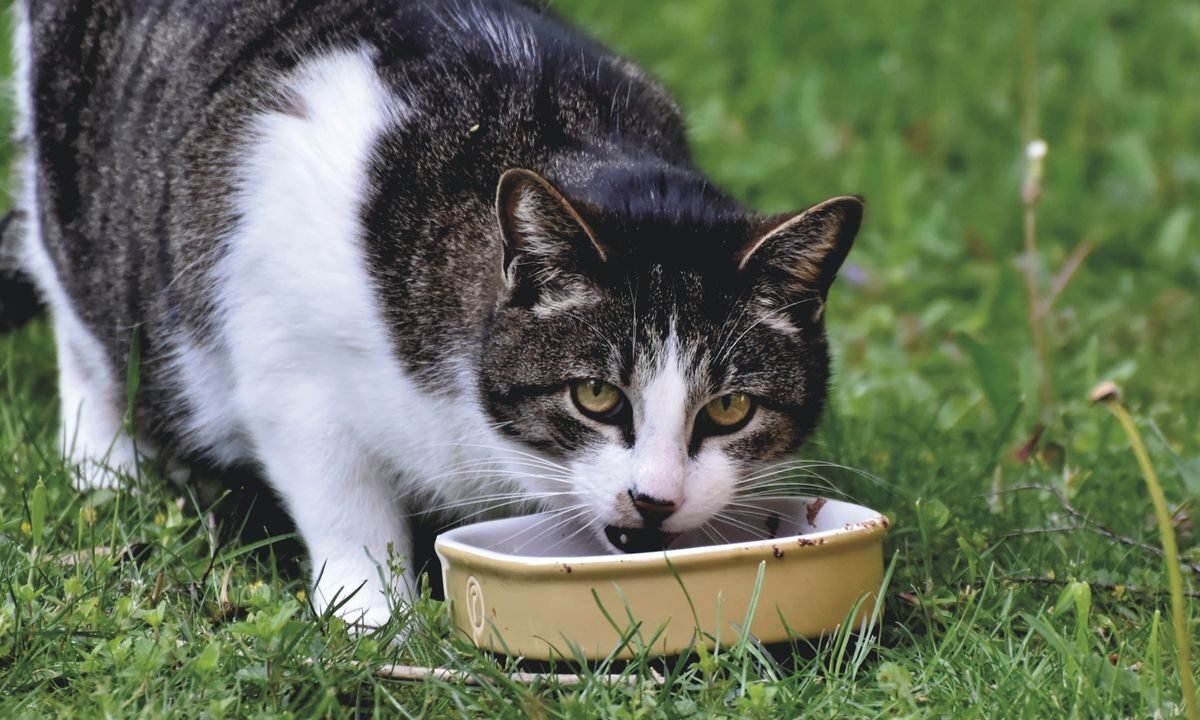
Cats can be surprisingly sensitive to food changes. Some accept a new diet immediately, while others refuse it or develop vomiting, loose stool, or appetite changes if the transition is too fast.
A gradual switch helps the digestive system and gives a cautious cat time to accept a new smell, texture, and taste.
A simple gradual transition
A common starting plan is:
- Days 1–2: about 25% new food and 75% old food
- Days 3–4: about 50% new and 50% old
- Days 5–6: about 75% new and 25% old
- Day 7 onward: 100% new food if your cat is doing well
Some cats need longer. VCA notes that picky cats or cats with previous gastrointestinal upset may need a much slower transition. See VCA’s diet-transition guidance.
Do not let a cat stop eating just to force a diet change
Cats should not be starved into accepting a new food. If your cat is refusing meals, especially for a full day or more, contact your veterinarian. Appetite loss can become medically important in cats.
Introduce texture changes gradually too
Switching from dry to wet, pâté to chunks, or one protein source to another can be as significant as changing brands. Offer small amounts beside the familiar food if mixing the textures causes rejection.
Keep feeding times predictable
Regular meals make it easier to notice whether your cat is eating less. VCA notes that feeding routines help owners detect changes in food intake that may signal illness.
Watch stool, vomiting and appetite
A mild temporary stool change can occur, but repeated vomiting, significant diarrhea, lethargy, or refusal to eat should not be dismissed as “just the new food.” Slow the transition and contact your veterinarian if signs persist.
Prescription diets are different
If your veterinarian prescribed a diet for urinary disease, kidney disease, diabetes, food allergy, or another medical condition, ask how quickly the switch needs to happen. Some situations require a tailored plan rather than a standard seven-day transition.
Multi-cat homes need extra planning
If only one cat is changing food, separate feeding areas, timed meals, or microchip feeders may prevent cats from eating each other’s diets.
Choose a complete diet, not just a new flavor
Our cat nutrition guide explains how to look for a complete and balanced diet appropriate for life stage.
When to transition even more slowly
Cats with a history of vomiting, diarrhea, food aversion, inflammatory bowel disease, pancreatitis, or very strong texture preferences may need a transition lasting two or three weeks. There is no benefit to completing the switch quickly if the cat is eating less or developing digestive upset.
Measure portions instead of topping up the bowl
During a transition it is easy to overfeed because two foods are being mixed. Use the feeding amounts or calorie targets recommended for your cat rather than adding a full portion of each diet.
Do not introduce several changes at once
Changing brand, protein, texture, feeding schedule, bowl location, and treats in the same week makes it difficult to tell what caused a problem. Keep other parts of the routine stable while the new food is introduced.
What if your cat picks out only the old food?
Some cats sort mixed food. In that case, offer a small amount of the new food in a separate dish beside the familiar meal and reward investigation without forcing it. Warming wet food slightly can improve aroma, but avoid unapproved toppers if your cat is on a medical diet.
Keep an eye on calorie density
Two foods can have very different calories per cup, pouch, or can. If you replace the old portion gram-for-gram without checking energy density, your cat may accidentally receive too many or too few calories. Use the label and your veterinarian’s feeding target rather than volume alone.
Transitioning a kitten or senior cat
Life-stage changes deserve extra care. Kittens need a complete growth diet, while older cats may have kidney, dental, weight, or appetite issues that affect food choice. If the new diet is intended to manage a medical problem, confirm the plan with your veterinarian before beginning the switch.
When digestive upset means stop and reassess
A soft stool once may not be alarming, but repeated vomiting, significant diarrhea, blood, marked lethargy, or appetite loss means the issue is no longer simply a routine transition. Return to the last well-tolerated stage if advised and contact your veterinarian.
The bottom line
Most food changes are easier when they are gradual. Let your cat’s appetite and digestion set the pace, and never use hunger as a training method. If your cat stops eating or becomes unwell, veterinary advice matters more than finishing the transition schedule.


0 comments