
Common Cat Health Problems: Warning Signs Owners Should Know
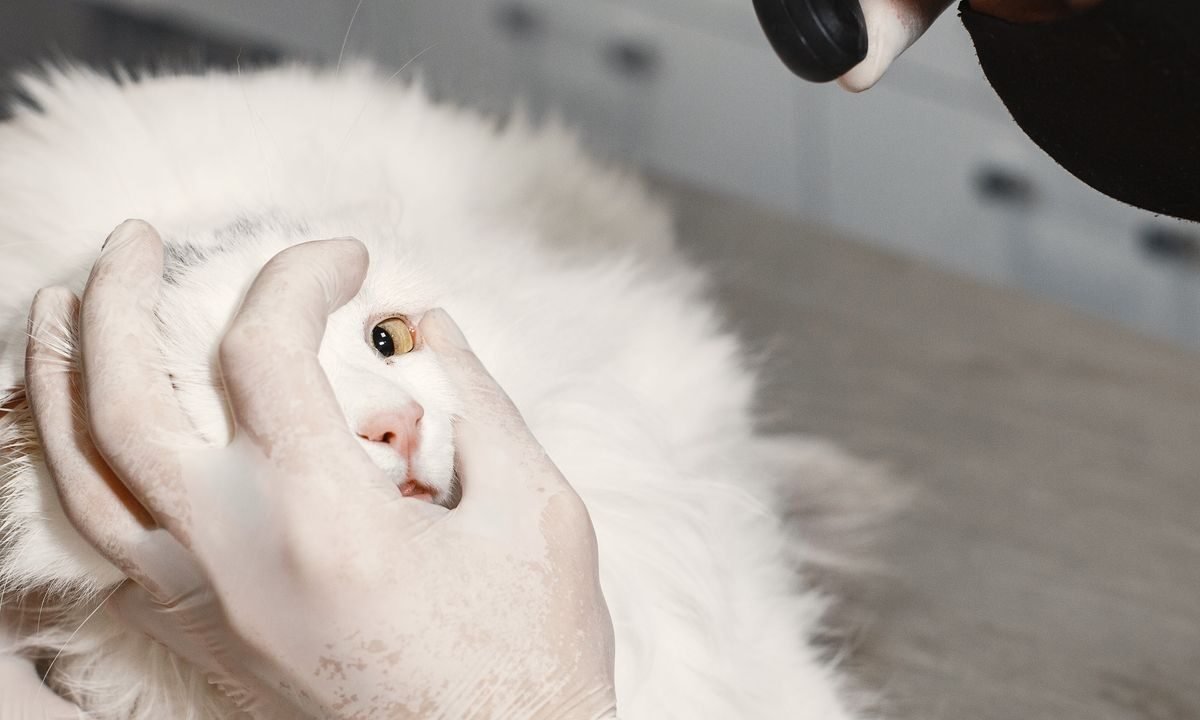
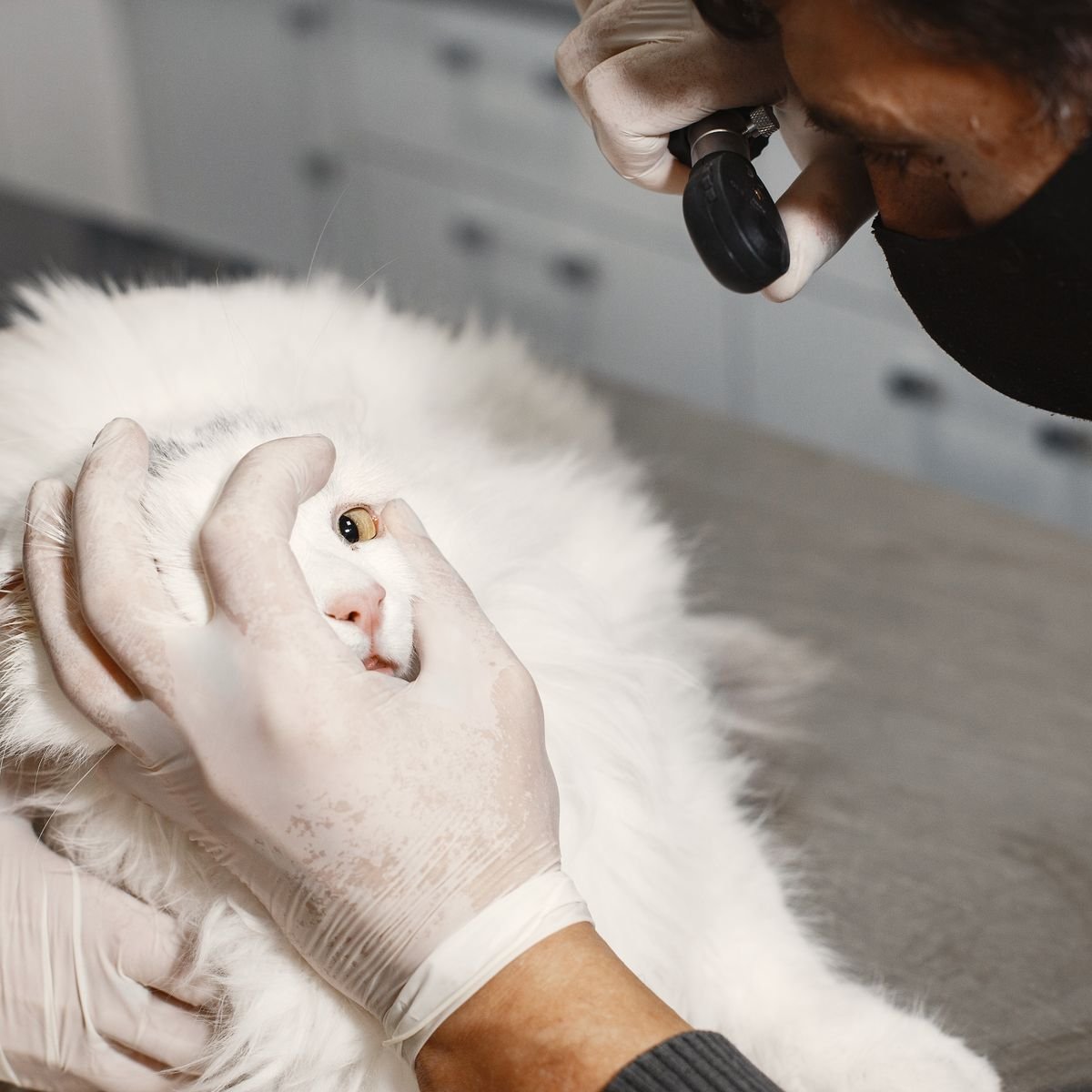
Cats often hide illness well. That makes owner observations especially important because the first clue may be subtle: eating a little less, sleeping somewhere unusual, producing smaller urine clumps or stopping a normal jump.
Urinary tract problems
Frequent litter-box trips, straining, blood in urine, crying while urinating or passing only tiny amounts can signal urinary disease. A cat that cannot pass urine needs emergency veterinary care, especially a male cat. Our cat urinary blockage guide explains the emergency signs in more detail.
Dental disease
Bad breath, dropping food, chewing on one side, pawing at the mouth and reduced appetite can indicate painful dental disease. Tooth resorption and periodontal disease are common feline problems. See our cat dental disease guide for home signs and veterinary care.
Vomiting and digestive disease
An occasional isolated vomit may not always be an emergency, but repeated vomiting, blood, weakness, pain, dehydration or vomiting alongside appetite loss deserves veterinary attention. Our cat vomiting guide covers what owners should record.
Appetite loss
Cats should not be allowed to go for long periods without eating. Dental pain, nausea, kidney disease, infection, stress and many other conditions can reduce appetite. If your cat refuses food, our guide to appetite loss in cats explains when veterinary care becomes important.
Kidney disease
Chronic kidney disease is especially important in older cats. Owners may first notice increased thirst, larger urine clumps, weight loss, reduced appetite, vomiting or poor coat condition. Blood and urine tests are needed for diagnosis.
Hyperthyroidism
An older cat that loses weight despite eating well may have hyperthyroidism. Increased activity, vomiting, thirst or vocalization can also occur. The Cornell Feline Health Center’s hyperthyroidism overview explains that the disease is common in middle-aged and older cats.
Diabetes
Increased thirst and urination, weight loss and appetite changes can occur with diabetes. Some cats develop weakness in the hind legs. Early diagnosis matters because untreated diabetes can progress to serious metabolic illness.
Respiratory disease
Sneezing and nasal discharge can occur with upper respiratory infections, while coughing or wheezing may be associated with asthma or other lung disease. Open-mouth breathing or obvious breathing effort in a cat is an emergency.
Parasites
Fleas, ear mites and intestinal parasites can cause itching, hair loss, digestive signs or anemia. Cornell notes that gastrointestinal parasites can cause vomiting, diarrhea, poor coat condition, appetite changes and other nonspecific signs.
Arthritis and chronic pain
Cats with arthritis do not always limp. They may stop jumping, sleep more, hesitate on stairs, groom less or become irritable when handled. Changes in normal movement deserve attention.
Cancer and unexplained lumps
A new lump is not automatically cancer, but rapid enlargement, ulceration, unexplained weight loss or persistent swelling needs evaluation. The same applies to changes inside the mouth or around mammary tissue.
What general illness can look like
The Cornell Feline Health Center’s cat-care guidance lists appetite loss, persistent vomiting, diarrhea, discharge, weight loss, urinary changes, excessive thirst, breathing difficulty, lethargy and rapidly growing swelling among signs that warrant veterinary attention.
Know your cat’s normal baseline
Track appetite, water intake, litter-box output, body weight, grooming, movement and social behavior. A small change is easier to interpret when you know what normal looks like for that individual cat.
Skin and coat changes are worth noticing
Persistent itching, bald patches, scabs, dandruff, greasy fur or a coat that suddenly looks dull can point to parasites, allergy, pain or systemic disease. Overgrooming can also be a response to discomfort rather than a purely behavioral problem.
Eye and ear problems can become painful quickly
Squinting, redness, cloudiness, eye discharge, head shaking, ear odor or dark debris should not be ignored. Eye disease in particular can progress quickly, so a cat that keeps an eye closed or seems painful deserves prompt assessment.
Weight change is one of the best home clues
Slow weight loss can be easy to miss under fur. Weighing your cat periodically can reveal trends linked with dental disease, hyperthyroidism, kidney disease, diabetes or other illness before the body looks obviously thin.
Preventive care still matters when a cat looks healthy
Regular veterinary exams, parasite prevention where appropriate, vaccination, dental assessment and weight monitoring can identify problems before they become emergencies. Cats that appear normal at home can still have early disease that only becomes obvious on examination or testing.
Small changes are worth noticing
Common cat health problems often announce themselves through changes in everyday behavior rather than dramatic symptoms. If eating, drinking, urination, breathing, movement or social behavior changes and does not quickly return to normal, contact your veterinarian.
This article is for general education and does not replace veterinary diagnosis.

0 comments