
Cat Dental Disease: Bad Breath, Tooth Resorption and Home Care
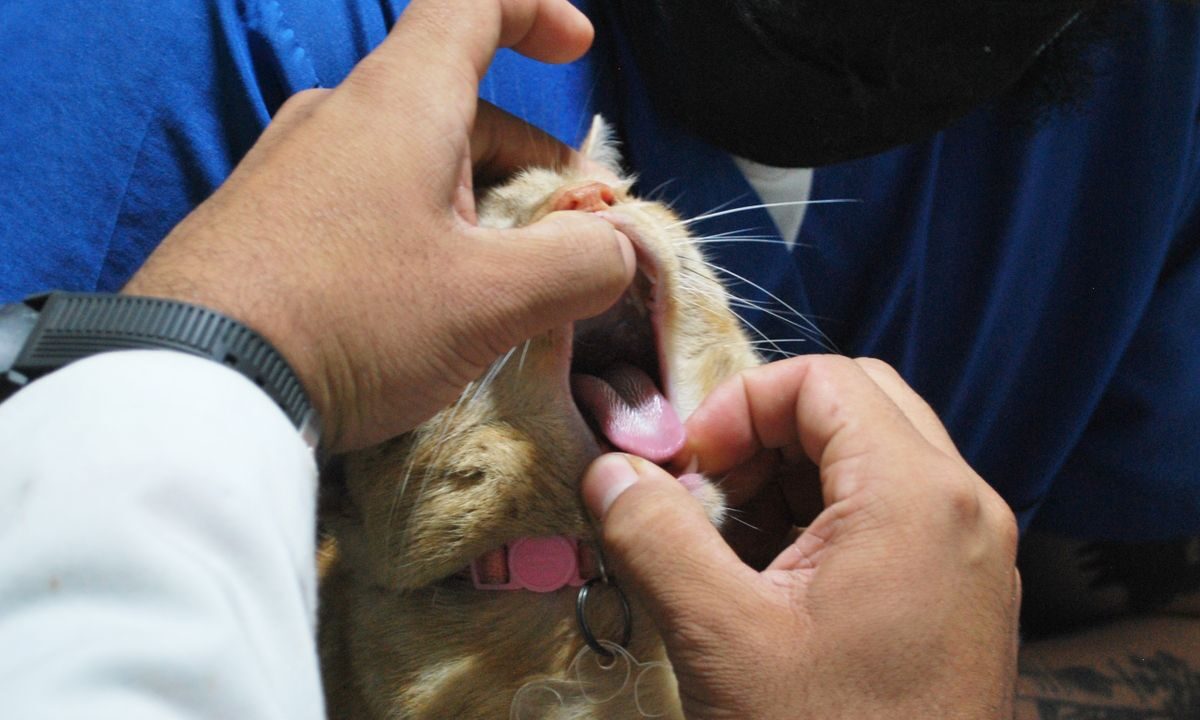
Dental disease in cats can be painful long before an owner sees an obviously broken tooth. Cats may continue eating despite discomfort, so subtle changes—chewing on one side, dropping food or preferring softer food—deserve attention.
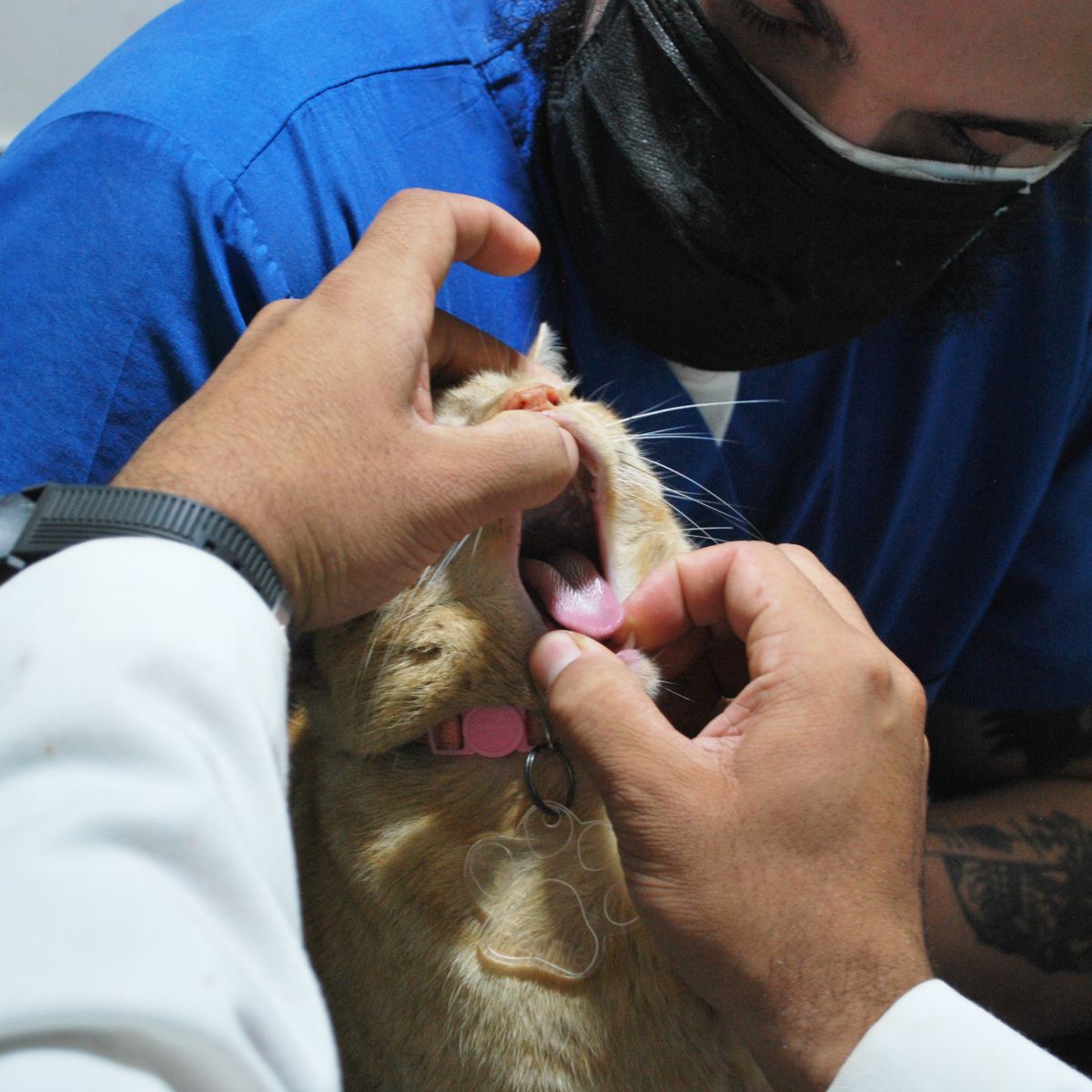
Bad breath is not “normal cat breath”
Persistent foul breath often accompanies periodontal disease. The Cornell Feline Health Center reports that dental disease is common in cats over four years old.
Gingivitis
Red, swollen gums around the tooth margin can be painful and may bleed. Early gingivitis can improve with appropriate professional and home care.
Periodontitis
When inflammation damages the supporting tissues around teeth, the disease becomes more serious and can lead to loose teeth and bone loss.
Tooth resorption
Feline tooth resorption occurs when tooth structure breaks down. It can be intensely painful even when the visible defect is small. Cornell’s tooth-resorption guide explains that veterinary dental examination and radiographs are often needed to determine treatment.
Signs of oral pain
- drooling;
- dropping food;
- turning the head while chewing;
- pawing at the mouth;
- reduced appetite;
- irritability during face handling;
- bad breath.
Home brushing
Daily brushing with cat-safe toothpaste is one of the most useful plaque-control tools when introduced gradually. Do not use human toothpaste.
Do not brush a severely painful mouth
If gums are bleeding, the cat cries when chewing or a tooth looks damaged, arrange a veterinary exam before starting home brushing.
Professional dentistry
Complete diagnosis may require anesthesia, dental probing and dental radiographs. “Anesthesia-free cleaning” cannot examine or treat disease below the gumline properly.
For cooperative handling, see our cat training guide. For broader grooming and oral hygiene, use our cat hygiene guide.
Dental disease can be hidden below the gumline
A tooth can look relatively normal above the gum while disease affects its root or surrounding bone. That is why dental radiographs are important when a cat undergoes a complete professional dental procedure.
Start brushing in tiny steps
Begin by rewarding the cat for allowing lip or cheek touches, then progress to briefly touching the outer tooth surface. A soft pet toothbrush or finger brush can be introduced later. The goal is routine plaque control, not scrubbing a painful mouth.
Choose dental products carefully
The Veterinary Oral Health Council maintains a list of products that have met its standards for plaque or tartar control. A dental treat can support home care, but it does not replace brushing or professional treatment when disease is already present.
Watch for weight and food-texture changes
A cat that begins swallowing kibble whole, dropping food, avoiding one side of the mouth or suddenly preferring soft food may be compensating for pain. These changes are worth reporting even if appetite remains strong.
After dental treatment
Follow feeding, medication and recheck instructions closely. Extraction sites need time to heal, and home brushing may need to pause until your veterinarian says the mouth is ready.
Do not rely on breath alone
Some painful dental problems cause surprisingly little odor. Regular oral examinations matter even when the cat’s breath seems normal.
Dental disease can be invisible above the gumline
AAHA notes that a complete dental assessment requires anesthesia, probing and dental radiographs. Disease affecting tooth roots or surrounding bone can be missed by looking only at the visible crown.
Anesthesia-free cleaning is not equivalent
AAHA specifically warns that anesthesia-free dentistry cannot safely provide full radiographs, probing or cleaning below the gumline and may give a false impression that disease has been treated.
Cosmetic removal of visible tartar is not the same as diagnosing and treating dental disease.
Tooth resorption can be extremely painful
Feline tooth resorption destroys tooth structure and may not be obvious until the lesion is advanced. Cats can continue eating despite pain, which is why oral examination and radiographs matter.
Brushing prevents plaque; it does not cure established disease
Daily brushing is valuable when the mouth is comfortable and the cat accepts it gradually. It cannot repair resorptive lesions, extract diseased teeth or treat deep periodontal pockets.
Start brushing before the mouth hurts
Introduce lip lifting and touching the outer tooth surfaces in short rewarded steps. Use pet-safe toothpaste only. Human toothpaste should not be used.
VOHC-accepted products can support home care
Dental diets, treats, water additives and other products may help reduce plaque or tartar when they have evidence behind their claims. The Veterinary Oral Health Council maintains an accepted-product list.
These products support home care but do not replace professional treatment when disease is present.
Eating does not prove the mouth is comfortable
Cats can compensate by swallowing kibble with little chewing, preferring one side, licking gravy or choosing softer foods. Dropping food, drooling, pawing at the mouth or reduced grooming are useful clues.
Dental pain can affect body weight and behavior
A painful mouth can reduce calorie intake, change food preference and make a cat irritable during face handling. Unexplained weight loss deserves oral assessment as part of the broader workup.
After extractions, follow the recovery plan
Use the prescribed medication and feeding instructions, monitor appetite and bleeding, and attend rechecks. Do not restart brushing until the veterinarian confirms the mouth has healed sufficiently.
Dental prevention is lifelong
AAHA recommends proactive dental care beginning early in life. Regular oral checks plus home plaque control make it easier to identify problems before severe pain or tooth loss develops.
Visible tartar is only part of the problem
AAHA explains that the most important cleaning occurs below the gum line, where visible scraping cannot reach. That is why cosmetic “anesthesia-free” scaling does not substitute for a complete veterinary dental procedure.
Dental radiographs matter in cats
Tooth resorption often begins below the gum line. AAHA notes that dental radiographs are needed to identify the extent of resorptive disease and guide treatment.
Bad breath should not be normalized
Persistent strong odor can be associated with periodontal disease, infected teeth or oral inflammation. It is not simply an inevitable feature of an older cat.
Eating can continue despite severe pain
Cats may keep eating by swallowing food with little chewing or using the less painful side of the mouth. Watch for dropping food, head tilting, jaw chattering, drooling or sudden preference for softer textures.
Home care works best before advanced disease develops
Tooth brushing, dental diets and accepted plaque-control products can reduce future buildup, but they cannot reverse advanced periodontal pockets or repair a resorbing tooth.
Senior cats need oral checks at routine visits
AAHA senior-care guidance recommends oral examination at every veterinary visit, especially when chewing, swallowing or food pickup changes.
Watch for changes after meals
Pawing at the mouth, jaw chattering, sudden retreat from the bowl or hiding after eating can all be clues to oral pain. A short video can help your veterinarian see behavior that may not occur in the clinic.
Dental disease can affect grooming
Cats use their mouths during normal coat care. A painful mouth can lead to a greasy coat, mats or reduced grooming, so coat change and oral health can be connected.
Do not wait for a cat to stop eating completely
Many cats adapt around dental pain for a long time. Smaller bites, slower eating, head tilting, food dropping or choosing softer textures can appear before complete refusal.
After dental treatment, appetite should be monitored closely
Follow the discharge instructions for food texture, medication and activity. If the cat refuses food, develops facial swelling, has persistent bleeding or seems increasingly painful, contact the veterinary team rather than waiting for the scheduled recheck.

0 comments