
Rabbit GI Stasis: Early Signs, Emergency Care and Prevention
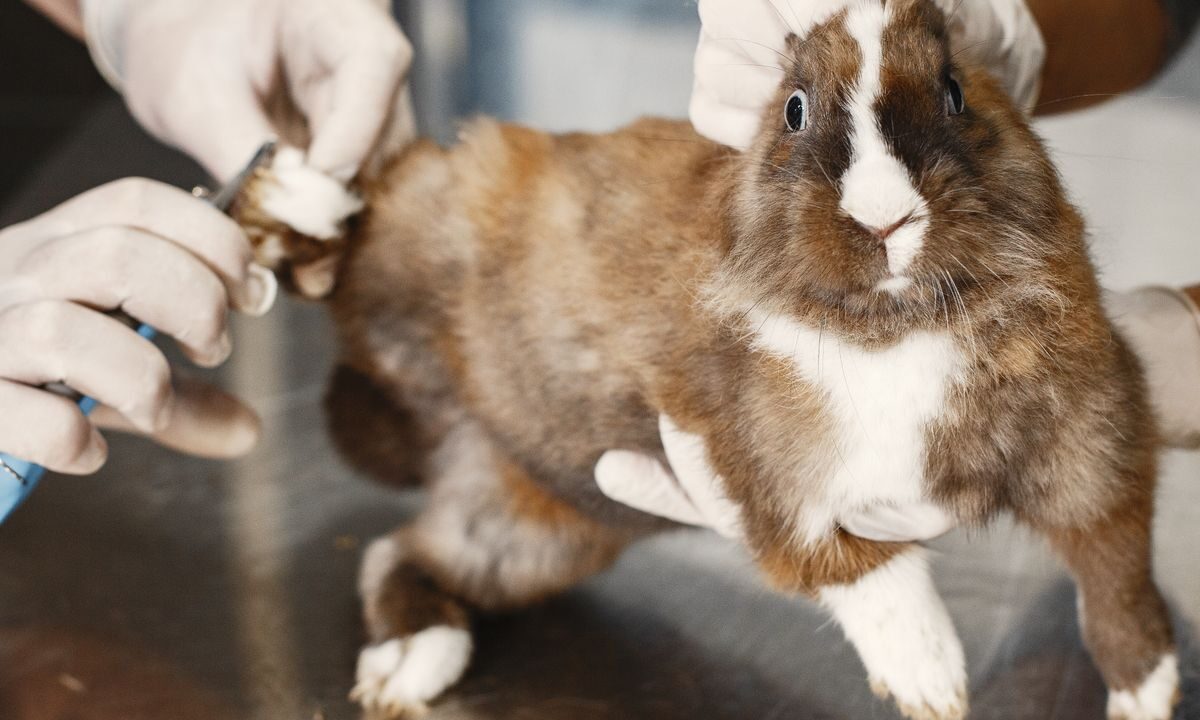
Rabbits are designed to eat and move fiber through the digestive tract for much of the day. When appetite drops and fecal output becomes very small or stops, the problem can become serious quickly. GI stasis is not something to watch casually overnight.
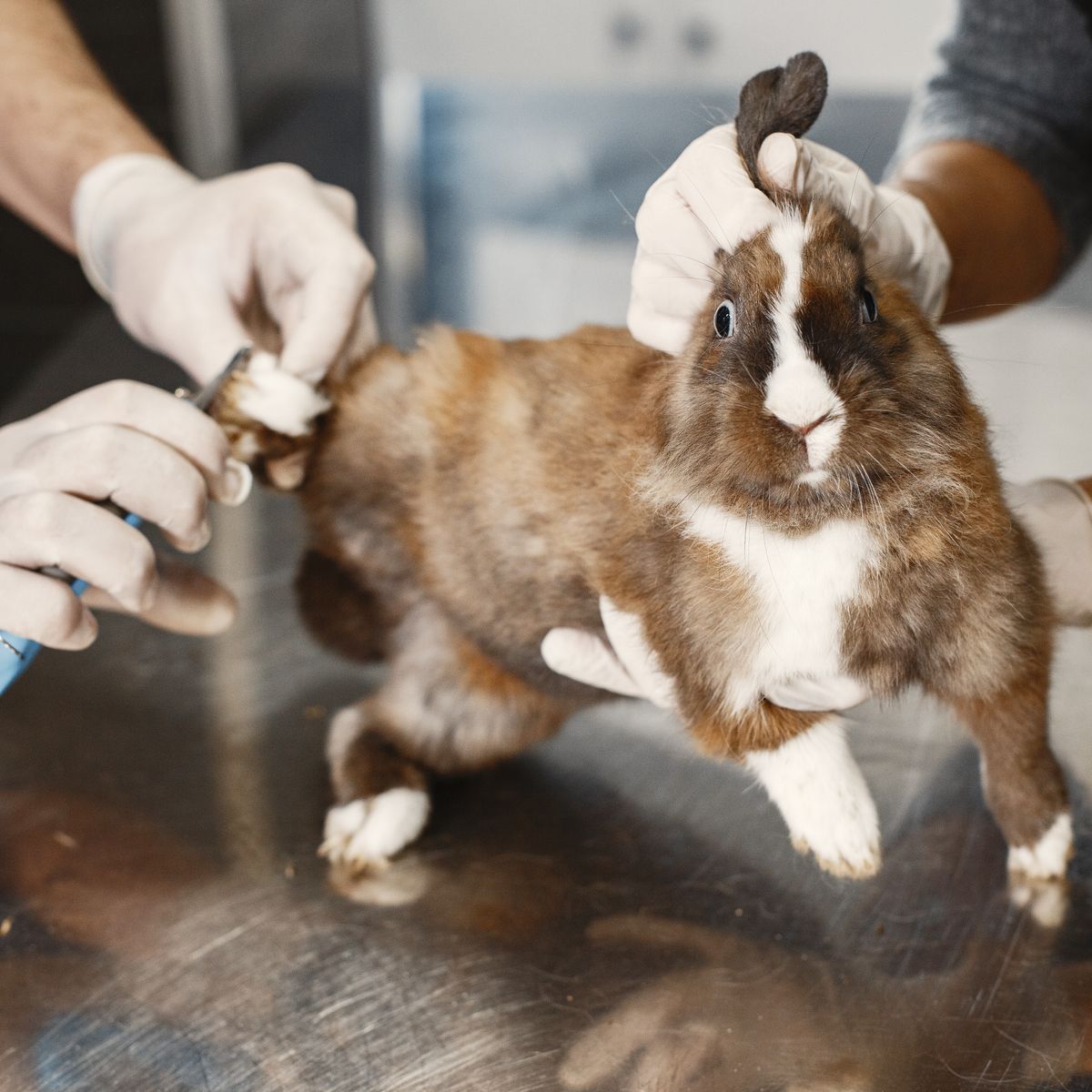
Early warning signs
- eating less or refusing favorite foods;
- very small, dry or absent fecal pellets;
- sitting hunched or unusually still;
- tooth grinding from pain;
- reduced interest in normal activity;
- abdominal discomfort or bloating.
Rabbit.org advises treating a rabbit that stops eating or producing feces as an emergency. The same signs can also occur with a true intestinal obstruction, which changes treatment.
GI stasis is often secondary to another problem
Pain, dental disease, dehydration, stress, urinary disease, inadequate fiber and intestinal obstruction can all slow gastrointestinal movement. Treating only the slowdown without finding the cause can lead to recurrence.
Do not force-feed a rabbit with possible obstruction without veterinary advice
A severely bloated, painful rabbit may have an obstruction. Syringe feeding or motility medication can be inappropriate until a veterinarian assesses the abdomen and, when needed, takes radiographs.
What a rabbit-savvy veterinarian may evaluate
The exam may include temperature, hydration, dental assessment, abdominal palpation and imaging. Treatment can involve fluids, pain relief, nutritional support and other medication based on the diagnosis.
Prevention starts with fiber
A hay-rich diet supports normal gut movement and chewing. Rabbit.org places unlimited grass hay at the center of the adult rabbit diet.
Know your rabbit’s normal
Daily observation of appetite, water use, droppings and activity makes it easier to recognize an early change.
Reduce avoidable stress
Keep feeding routines predictable, avoid abrupt diet changes and provide hiding places and companionship appropriate to the rabbit’s social needs.
For daily feeding proportions, see our rabbit diet guide. For breed-specific care, our Holland Lop guide and Lionhead Rabbit guide cover grooming and housing differences.
Know what normal droppings look like
Healthy rabbits produce many round, dry fecal pellets through the day. A gradual change toward smaller, fewer or misshapen pellets can be an early clue that intake or gut movement is changing before output stops completely.
Pain can start the slowdown
Dental disease, arthritis, urinary discomfort and other painful conditions can reduce eating. A rabbit with recurring stasis-like episodes needs investigation for the trigger rather than repeated treatment of the gut alone.
Temperature matters
A rabbit that becomes cold, weak or minimally responsive is seriously ill. Keep transport safe and warm without overheating while heading to a rabbit-experienced veterinarian.
Recovery is more than producing one dropping
After treatment, appetite, fecal size, hydration and normal activity should steadily improve. Continue medications and nutritional support exactly as instructed and contact the clinic if progress stalls.
Movement supports normal behavior—but forced exercise is not treatment
Once a rabbit is medically stable, normal space to move can support eating and routine activity. Do not force a painful or weak rabbit to exercise as a substitute for veterinary care.
GI stasis is a syndrome, not one single disease
Reduced gut movement can follow pain, dental disease, dehydration, stress, poor intake or another underlying problem. The veterinary goal is not only to restart eating but to identify why the slowdown happened so the same pattern is less likely to recur.
Small changes can appear before complete appetite loss
A rabbit may first eat more slowly, choose softer foods, leave favorite hay or produce smaller droppings. Those subtle changes are worth acting on because waiting until all food and fecal output stop can mean the rabbit is already significantly ill.
Bloating and severe pain raise concern for obstruction
A distended abdomen, repeated position changes, tooth grinding, collapse or inability to get comfortable can indicate a more serious emergency. Do not force-feed or give motility drugs without veterinary guidance when obstruction has not been ruled out.
Hydration is part of treatment, but home syringing is not always enough
Dehydrated rabbits may need professional fluid therapy. Offering water and wet greens can support a stable rabbit, but a weak rabbit or one refusing all intake still needs veterinary assessment.
Pain control can be central to recovery
Rabbits in pain often eat less, which can worsen gastrointestinal slowdown. Appropriate veterinary pain relief may therefore be part of restoring appetite and movement, especially when dental, urinary or musculoskeletal disease is involved.
Monitor droppings after treatment, not just appetite
A rabbit eating a little but still producing almost no feces may not be recovering normally. Track the amount and size of droppings, hay intake and activity together rather than relying on one sign.
Recurrence deserves a deeper workup
If a rabbit has repeated stasis episodes, ask about dental imaging, diet, mobility, urinary pain, chronic disease and stress. Repeated emergency treatment without understanding the trigger can leave the underlying problem unresolved.
Track hay intake, not just pellets
A rabbit that still eats a few pellets but stops chewing hay may already be developing a significant problem. Hay takes more chewing and is often one of the first foods abandoned when dental pain or gut discomfort starts.
Small droppings can be an early warning
Do not wait for complete absence of feces. A clear reduction in size or number can signal reduced intake or slowing gut movement and is worth discussing with a rabbit-experienced veterinarian.
Do not rely on belly massage as treatment
Gentle handling may comfort some rabbits, but massage cannot diagnose obstruction or replace fluids, pain relief and other veterinary care. Avoid pressing on a painful or distended abdomen.
Temperature changes can signal serious illness
A rabbit that becomes cold, weak or minimally responsive is unstable. Keep transport warm and quiet while seeking urgent care, but avoid direct heat sources that could burn or overheat the rabbit.
Recovery should show a trend
After treatment, the rabbit should gradually return toward normal eating, droppings, posture and activity. One small meal or a few droppings is encouraging, but stalled recovery still needs follow-up.
Track hay intake, water use, droppings and activity during recovery so a stalled improvement is easier to recognize.
If appetite falls again, droppings shrink or the rabbit becomes weak after seeming better, contact the clinic promptly.
Prepare for recurrence before it happens
If a rabbit has had a previous episode, keep the clinic number, carrier and recent medical history easy to reach. Ask which early changes should trigger a same-day call so you are not deciding from scratch during the next event.
Do not rely on one normal meal
Recovery should continue across several hours: hay intake, droppings, posture and activity should all move toward the rabbit’s usual pattern. A single snack followed by renewed withdrawal is not a full recovery.
Keep a recent weight and a note of normal appetite and droppings so early changes are easier to recognize during future episodes.
Keep recent notes on normal appetite, droppings and weight so a subtle decline is easier to recognize early, especially after stress, illness or a diet change at home over time too.
Keep records current.
Keep an emergency baseline
Know where the nearest rabbit-savvy clinic is before illness occurs, and keep the carrier ready. Delay is much more likely when owners start searching for an exotic-animal veterinarian only after the rabbit stops eating.
0 comments