
Why the Robin Became a British Cultural Icon
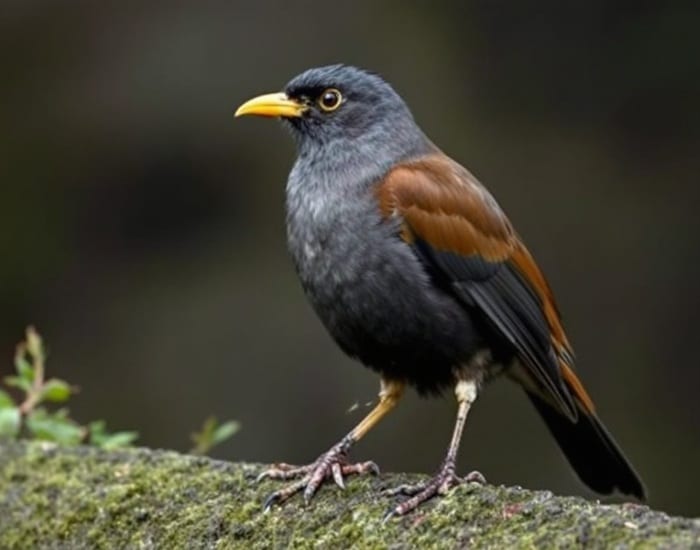
The European Robin (Erithacus rubecula) occupies an unusually large place in British culture for such a small bird. Its red-orange breast, year-round presence and habit of appearing close to gardeners helped turn a common territorial songbird into a national symbol.

“Ruddock” is an old name for the Robin
Older English writing uses names such as ruddock for the bird we now call the European Robin. Today, Robin or European Robin is the clearer modern name, especially because “robin” is also used for unrelated birds elsewhere in the world.
Why Robins seem unusually close to people
Gardeners often notice Robins following digging or soil disturbance. The behavior is practical: turned earth can expose worms and invertebrates. A Robin approaching a gardener is not necessarily “asking for friendship”; it may have learned that human activity predicts feeding opportunities.
The Christmas connection
The RSPB notes that the Robin is especially associated with Christmas in Britain. Victorian-era imagery helped strengthen that connection, including the popular visual link between red-breasted Robins and red-uniformed postal workers.
They sing through much of the year
Unlike many birds whose song is concentrated in spring, Robins can be heard through much of the year. Autumn and winter singing is linked to territory defense as well as breeding-season behavior.
Cute appearance, territorial behavior
The same RSPB profile describes Robins as aggressively territorial. That contrast—small, round and familiar, yet willing to chase rivals—has probably contributed to their cultural appeal.
Why gardens matter
Dense shrubs, leaf litter, insect-rich soil and safe nesting cover can support Robins better than a sterile garden. Pesticide reduction and habitat structure often matter more than decorative “bird-friendly” products.
Feeding Robins
Supplementary food can be offered responsibly, but feeding should support rather than replace natural habitat. Keep feeders and feeding areas clean and avoid foods that are unsuitable for wild birds.
A symbol is not a personality test
Robins have been associated with hope, remembrance and winter warmth, but those meanings are cultural. They should not be presented as scientific evidence that the species is inherently “spiritual” or unusually affectionate toward humans.
Why the red breast became visually powerful
The Robin’s orange-red face and breast stand out against winter gardens and bare branches. That visual contrast made the species easy to use in cards, illustrations and seasonal decorations long before modern wildlife photography.
Postal history strengthened the Christmas link
Victorian postmen were nicknamed “robins” because of their red uniforms. Christmas cards that showed both the bird and postal imagery helped fuse the species with seasonal mail and winter celebration.
Garden familiarity matters
Robins are seen close to homes through the year, unlike many migrants or shy woodland species. A cultural icon is more likely to form around a bird people encounter repeatedly in ordinary life.
Boldness is learned and individual
Some Robins approach gardeners closely while others remain wary. Birds that learn that digging exposes worms may become especially confident around people, but this should not be generalized as a fixed personality of the entire species.
Territorial song changes the winter soundscape
Robins can hold territories outside the breeding season, so song continues when many other garden birds are quiet. Hearing a Robin in winter reinforces its cultural association with that season.
Folklore changes through time
Stories connecting Robins with fire, blood, Christ, death or remembrance come from different periods and traditions. They are part of cultural history, not one universal explanation for why people value the bird.
Modern remembrance symbolism is cultural, not behavioral
Some people associate a Robin sighting with a deceased loved one. That can be personally meaningful, but the interpretation should be described as belief or symbolism rather than a biological fact about the bird.
Why the bird survives well in gardens
Gardens can offer shrubs, nesting sites, invertebrates and year-round feeding opportunities. The same ecological flexibility that makes Robins common around people also keeps them visible in culture.
How cultural popularity can help conservation
Familiar species can motivate interest in habitat-friendly gardening, pesticide reduction and bird monitoring. Cultural affection is most useful when it encourages practical care for the environments birds need.
The Robin is not Britain’s only “robin” globally
Birds called robins in North America and Australia belong to different families. Using “European Robin” is clearer in international writing and avoids treating a common name as a sign of close relationship.
Christmas popularity can hide the year-round bird
The Robin is not a seasonal visitor to Britain. Its cultural peak is winter, but many individuals remain in gardens and territories throughout the year, breeding and feeding long after Christmas imagery disappears.
Familiarity can create false assumptions
Because people know the Robin visually, they may assume its biology is equally simple. Territorial aggression, juvenile plumage, year-round song and seasonal diet all complicate the postcard version.
Citizen science benefits from common species too
Recording familiar birds matters because changes in widespread species can reveal broader environmental shifts. A common bird is not an unimportant bird.
Garden decisions shape cultural encounters
Dense shrubs, leaf litter and fewer pesticides make gardens more usable to Robins. The cultural connection survives because ecological conditions continue to bring the birds close to people.
Responsible feeding protects the relationship
Small amounts of appropriate food and good hygiene are better than creating dependence or attracting large numbers of birds to dirty feeding areas.
Popular symbolism can change conservation attention
Familiar species often receive more public sympathy than less recognizable birds. That can be helpful, but conservation priorities still need evidence about population trends and habitat need.
Garden culture keeps the Robin visible
Bird tables, gardening, allotments and winter feeding all create repeated human contact. Cultural familiarity is reinforced because the bird remains part of everyday domestic landscapes.
The bird’s image is often more peaceful than its behavior
Christmas cards show still, solitary Robins, while real birds may be actively defending territories nearby. Cultural imagery selects the qualities people want to emphasize.
Modern photography strengthened the icon
Close-up images of a small red-breasted bird on frosty branches reinforce the winter association, even though the species occupies the same landscapes in spring and summer.
Cultural stories are strongest when clearly sourced
Robin folklore varies across regions and periods. Naming the source or tradition is more accurate than presenting every story as a timeless British belief.
Ordinary garden behavior helped build extraordinary symbolism
The species became iconic not because it behaves magically, but because people see it often, hear it in winter and notice it close to home.
That familiarity can support wider bird interest
For many people, noticing a Robin is a first step toward paying attention to migration, nesting and habitat in other species too.
Cultural familiarity can hide ecological vulnerability
A species can feel common and permanent because it appears in art and gardens, yet local abundance can still change with weather, habitat and food availability. Familiarity is not a substitute for monitoring.
The Robin image is selective
Cards emphasize snow, red breast and quiet branches, while real Robin life includes territorial fights, nesting, molt and year-round foraging. The icon is a cultural edit of a much more complex bird.
Responsible gardening keeps the connection real
Leaf litter, shrubs, clean water and fewer pesticides support the ecological conditions that allow people to keep encountering Robins naturally.
For species identification, diet and nesting rather than cultural history, see our separate European Robin natural-history guide.
0 comments