
Rabbit Hydration: Water Bowls, Bottles and Signs of Dehydration
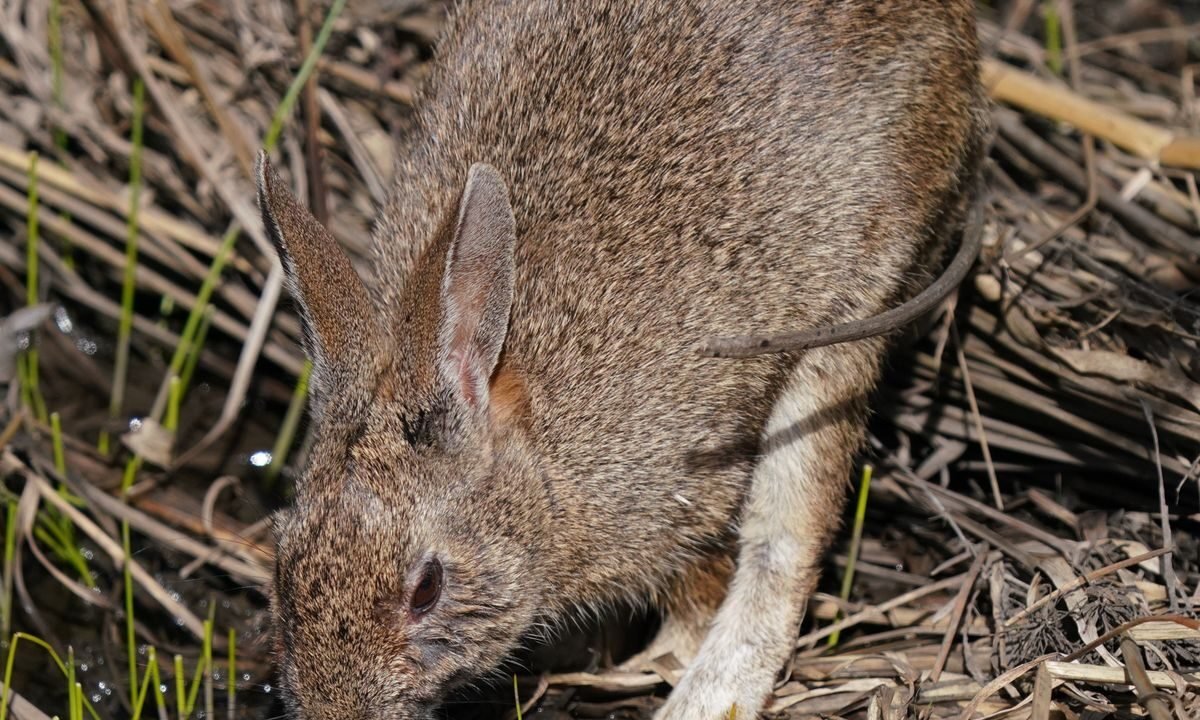
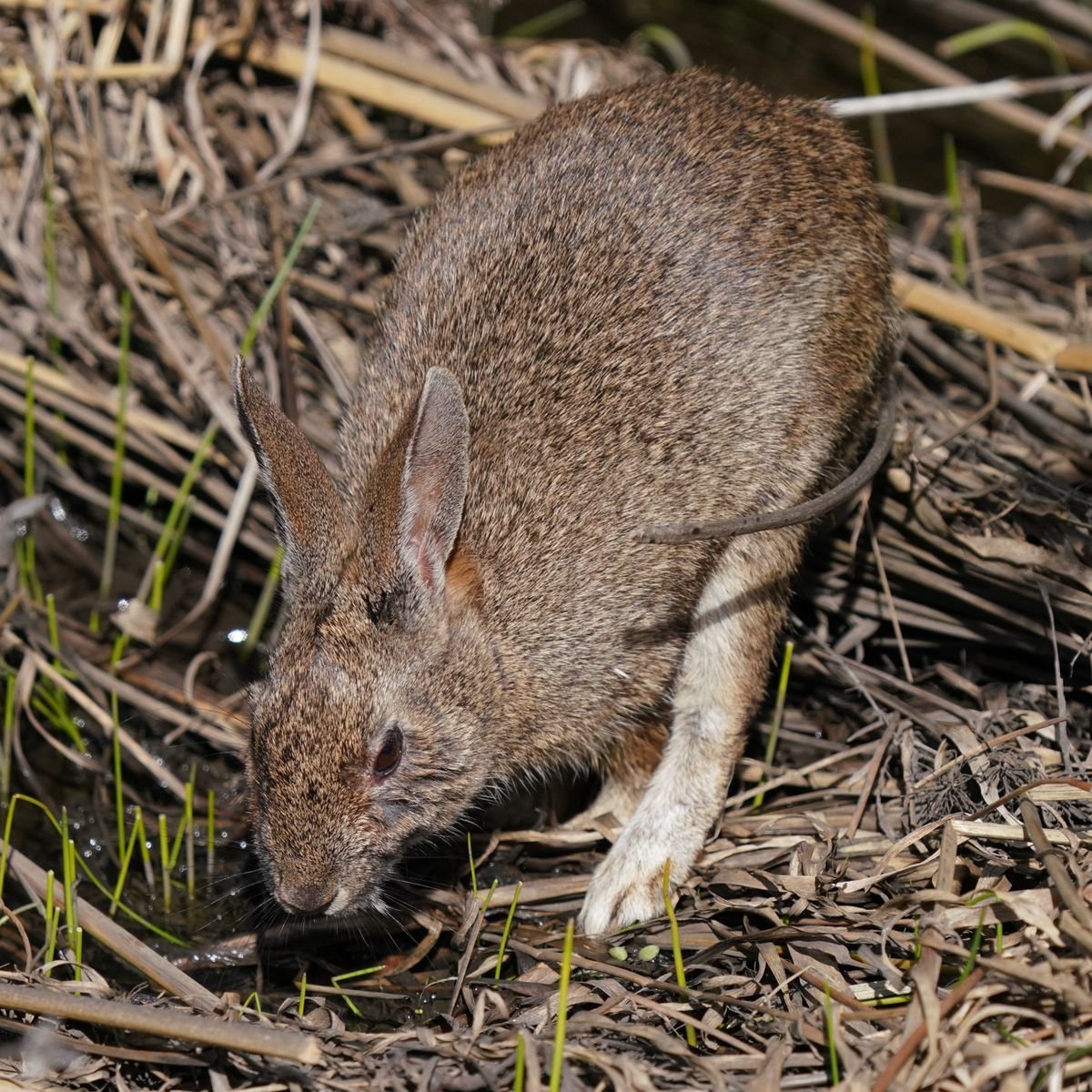
Rabbits get water from both drinking and fresh foods, but they still need constant access to clean drinking water. Some rabbits prefer a heavy bowl, some are accustomed to bottles, and the most practical setup is the one that reliably keeps water available and encourages normal intake.
A heavy bowl is often easy to use
Many rabbits drink naturally from a stable crock or ceramic bowl. Choose one that cannot be tipped easily, place it where bedding and litter will not contaminate it and wash it daily.
If you use a bottle, test it every day
Bottle valves can clog, leak or become difficult to operate. Confirm water flows freely and consider offering a bowl as well so a mechanical failure does not leave the rabbit without water.
Fresh greens add moisture but do not replace water
Leafy greens contribute fluid, yet the rabbit should still have unrestricted drinking water. Sudden changes in diet can upset digestion, so introduce appropriate greens gradually.
Watch both intake and output
A rabbit drinking much more or much less than usual, producing very little urine or showing major changes in urine output needs assessment. The pattern can reflect environmental heat, pain, dental disease, kidney or urinary problems and other illness.
Dehydration can accompany poor appetite
A rabbit that stops eating often drinks less as well. Reduced appetite plus small or absent droppings is an urgent combination because gastrointestinal slowdown can become serious quickly.
Older and disabled rabbits need accessible water
Place water where the rabbit can reach it without climbing or stretching painfully. During hot weather, check high-risk rabbits frequently because limited mobility can make it harder for them to seek water.
When to contact a rabbit-experienced veterinarian
Contact a rabbit-experienced veterinarian for a meaningful drop in drinking accompanied by reduced appetite or fecal output, weakness, very low urine output, or a sudden sustained increase in thirst.
Bottom line
Offer reliable, clean water and learn your rabbit’s normal drinking pattern. A change in hydration is often most useful when interpreted together with appetite, urine and droppings.
Rabbit-care reference: Rabbit.org — Essential House Rabbit Supplies.
Related PetsFilled guides: rabbit diet and rabbit GI stasis guide.
Make water easy to use and easy to monitor
Check bowls and bottles at least daily for contamination, blockage or spills. If you use a bottle, test that water actually flows. If you use a bowl, choose one that is difficult to tip. A sudden change in drinking, appetite or urine output is more important than whether your rabbit prefers one container style.
0 comments