
Rabbit Grooming: Shedding, Mats and Why Rabbits Should Not Be Bathed
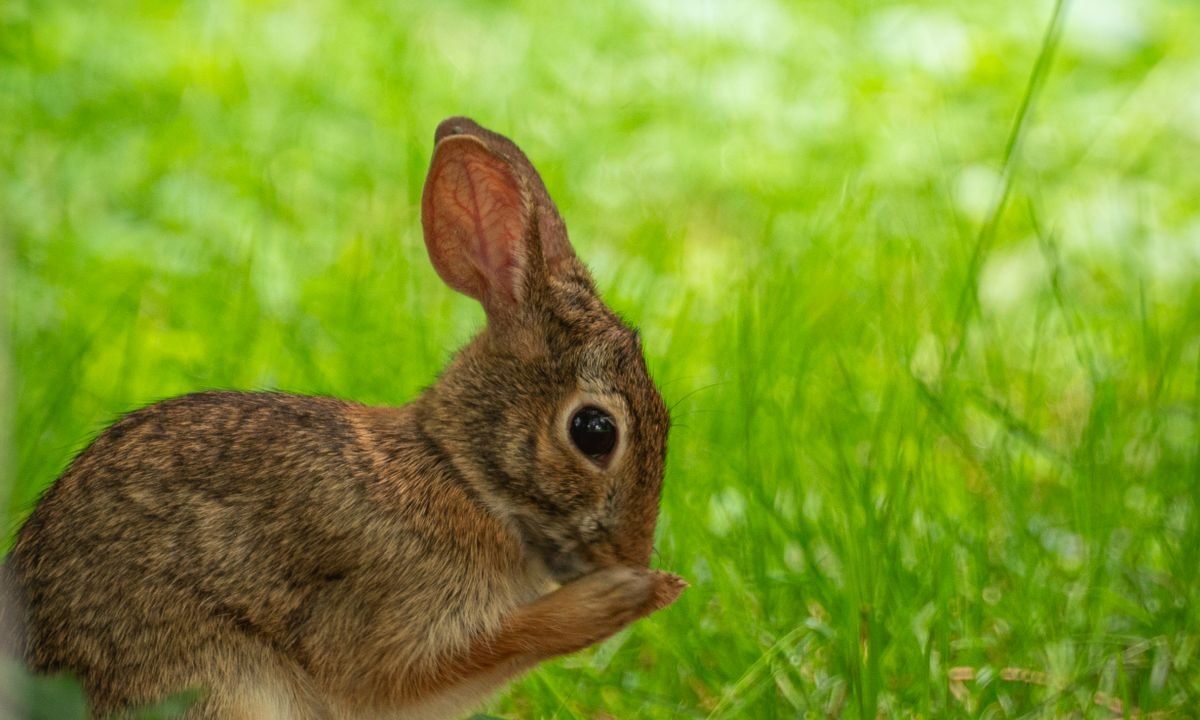
Rabbit grooming is mostly about removing loose fur, preventing mats and checking the skin while keeping stress low. Rabbits groom themselves, but they still need help during heavy shedding, and long-coated rabbits may need much more frequent attention.
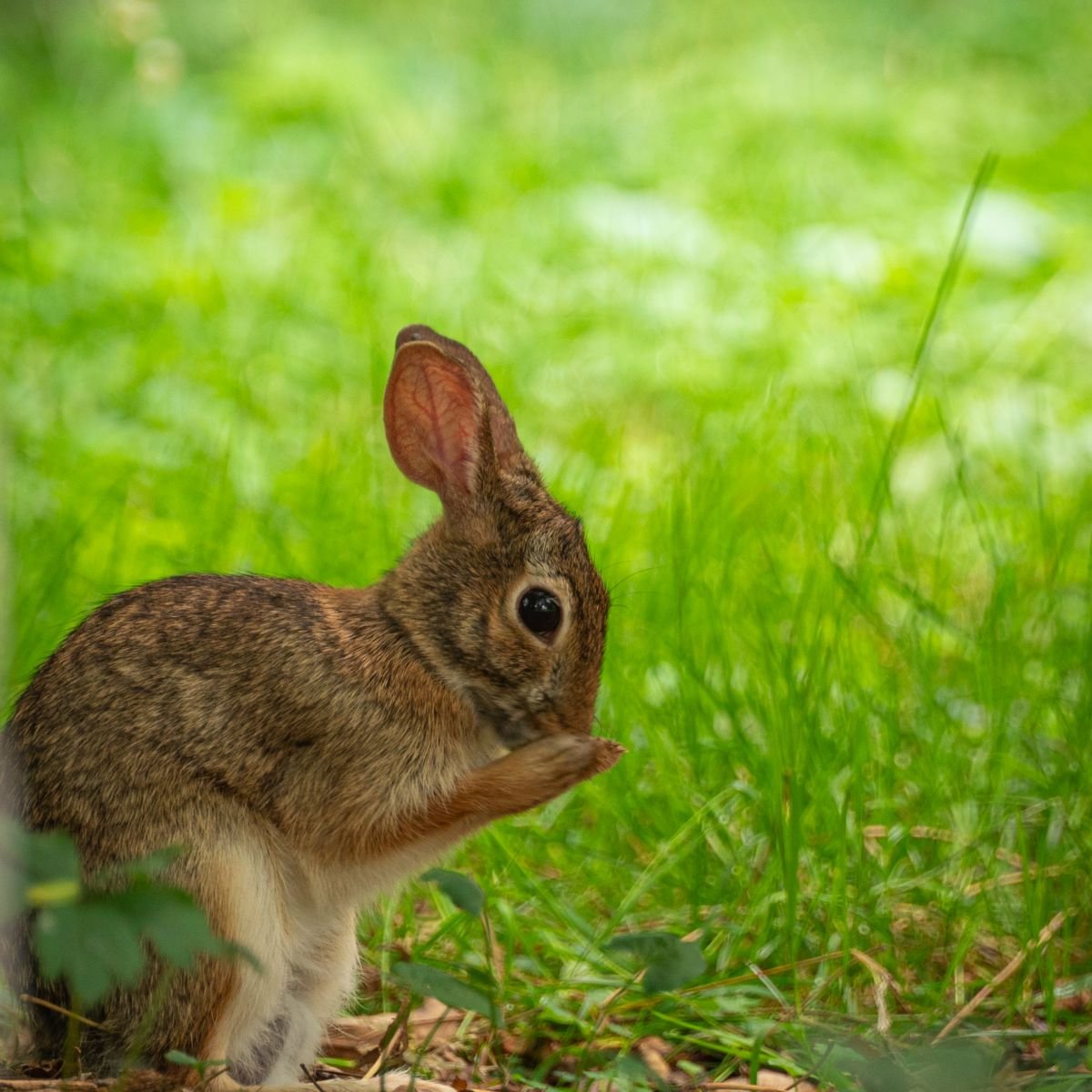
Brush more during heavy shedding
Regular brushing removes loose fur before the rabbit swallows large amounts during self-grooming. Long-haired rabbits need more frequent coat care and mat prevention than short-haired rabbits.
Do not cut tight mats with scissors
Rabbit skin is thin and can be pulled up into a mat where it is easy to cut accidentally. Severe mats are safer to address with rabbit-experienced veterinary or grooming help and appropriate tools.
Avoid routine full-body baths
Soaking a rabbit can cause profound stress, chilling and prolonged wetness in the dense coat. Local cleaning is usually safer when it is needed, and the medical reason for persistent urine or fecal soiling should be investigated.
Keep the hindquarters clean and dry
Urine scald and fecal contamination can inflame skin and attract flies. Obesity, arthritis, dental disease or urinary problems may be the reason a rabbit cannot keep itself clean.
Use grooming time as a health check
Feel for new lumps, look for dandruff, bald patches, wounds and parasites, and examine the feet for thinning fur or redness. Changes caught early are easier to discuss with a veterinarian.
Do not confuse reduced grooming with laziness
A rabbit that suddenly stops grooming may be painful or ill. Dental disease, arthritis and systemic illness can all reduce normal self-care.
When to contact a rabbit-experienced veterinarian
Open sores, chronic wet skin, severe mats close to the skin, parasite signs, sudden coat deterioration or an inability to stay clean should be evaluated by a rabbit-experienced veterinarian.
Bottom line
Brush routinely, keep skin and hindquarters dry and avoid full baths unless a veterinarian specifically directs a controlled medical cleaning method. Grooming is also a valuable opportunity to detect health changes.
Rabbit-care reference: Rabbit.org — Grooming.
Related PetsFilled guides: rabbit diet and GI stasis warning guide.
Heavy shedding needs a little more attention
During a major shed, check the coat daily and remove loose fur gently rather than pulling at skin. Pay particular attention around the hindquarters, chest and areas where mats form. Rabbits should not be routinely bathed; a wet, stressed rabbit can become chilled, and skin problems need proper assessment rather than repeated washing.
0 comments