
Quiet Cat Water Fountain Guide: Noise, Cleaning, Placement and Whether Your Cat Will Use It
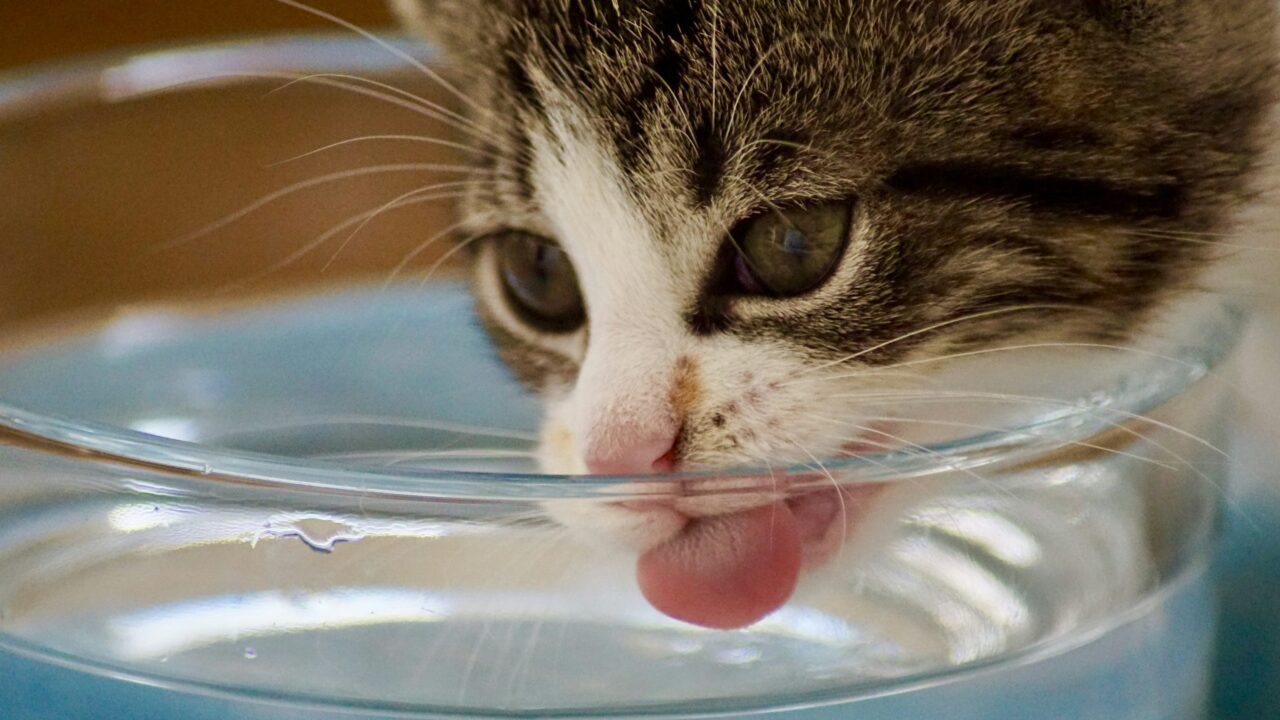
A quiet cat water fountain can be useful when your cat likes moving water but you do not want a motor humming through the kitchen all day. Noise, though, is only one part of the decision. A fountain that is whisper-quiet but difficult to clean, easy to tip, or ignored by the cat is not a good hydration tool.
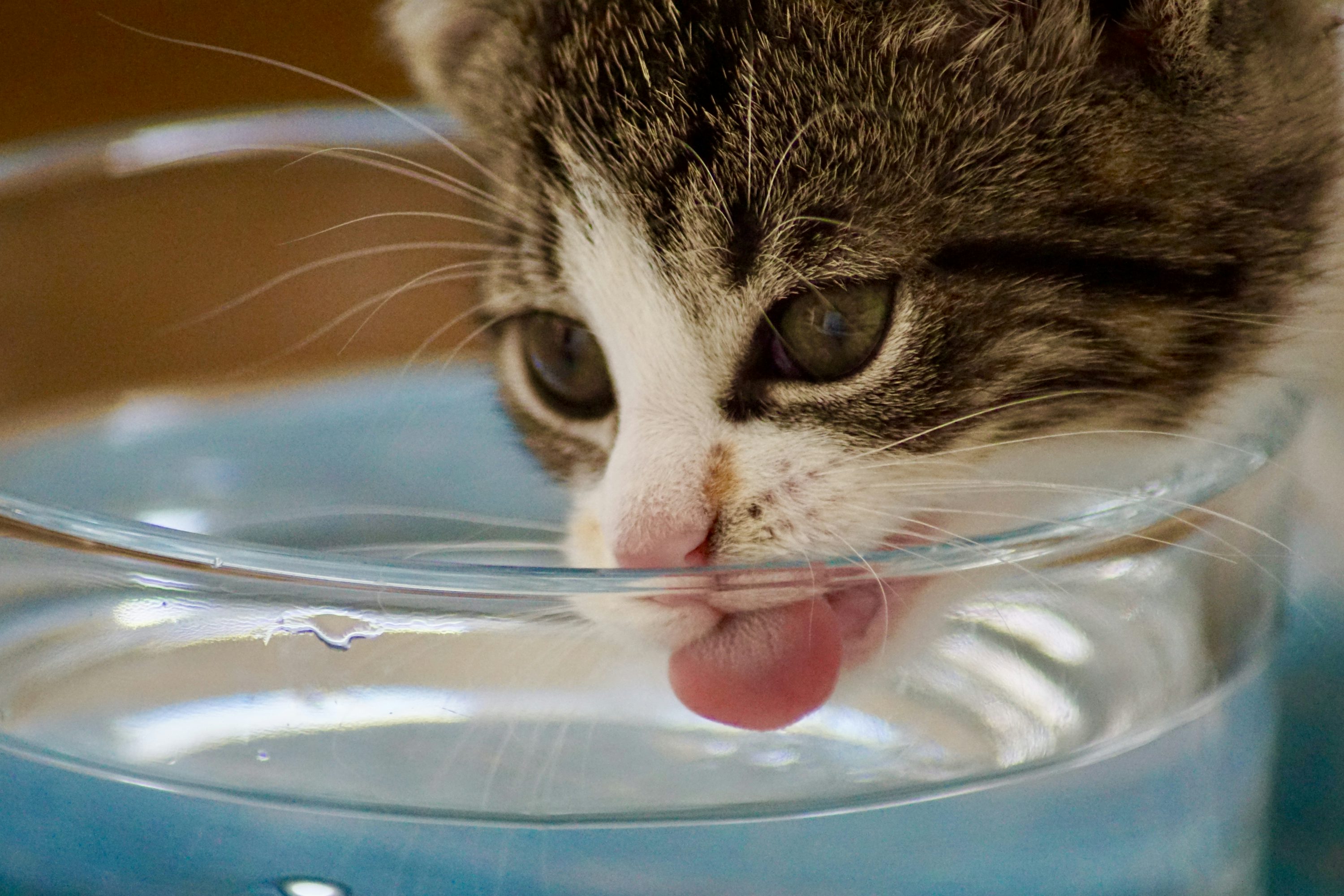
The better way to choose one is to start with the cat: how does your cat already drink, where do they feel comfortable, and what type of bowl or water source do they approach without hesitation?
Fountains help some cats, not every cat
Cats differ in their preferences. Some seek dripping taps or running water. Others are perfectly comfortable with a still bowl. Cornell Feline Health Center notes that some cats increase water intake when offered a fountain, but preferences vary.
That means a fountain is an option, not a requirement. If your cat already drinks well from bowls and eats moisture-rich food, there may be no reason to force a change.
What makes a fountain quiet?
Most fountain noise comes from one of three places: the pump itself, vibration against the fountain body, or water falling farther than necessary. A well-designed fountain keeps the pump submerged, isolates vibration and allows water to move gently rather than splash from height.
Noise usually increases when the water level drops because the pump begins drawing air or water falls farther. A fountain that starts quietly may become noisy several days later if it is not topped up.
Look for a stable base
A lightweight fountain that shifts every time the cat touches it can create vibration and spill noise. Stability matters even more in homes with large cats, energetic kittens or dogs that share the room.
Place the fountain on a firm, level surface. A thin waterproof mat can protect the floor, but avoid soft padding that makes the unit wobble.
Pump access matters more than people expect
The pump should be easy to remove and clean. Hair, slime and mineral deposits can build up around the impeller and intake. That can make the pump louder, reduce flow and shorten its working life.
If a product requires several tools or awkward clips just to reach the pump, routine maintenance is more likely to be delayed. Quiet operation depends on cleaning as much as design.
Choose a fountain you can take apart completely
Water-contact surfaces need regular washing. A pretty housing with narrow channels or inaccessible corners can trap biofilm. Smooth components that separate easily are usually simpler to maintain.
Check whether the manufacturer sells replacement pumps and filters before you buy. A fountain that becomes unusable because one small part is unavailable creates unnecessary cost and waste.
Stainless steel and ceramic have practical advantages
Many owners prefer stainless steel or glazed ceramic because the surfaces are easy to inspect and clean. Plastic can also work, but heavily scratched plastic is harder to clean thoroughly and may retain odors.
The material should not make the unit unstable. A heavy ceramic fountain may be difficult to move for cleaning, while a very light plastic one may slide. Choose the balance that works in your home.
Do not place the fountain beside the litter box
Water should be easy to access in a location where the cat feels relaxed. A fountain next to a litter tray may be avoided because food, water and toileting areas are different resources from the cat’s perspective.
Our litter-box location guide explains why quiet access and separation from busy household traffic matter for toileting. The same principle of low-pressure access applies to water.
Multi-cat homes need more than one water option
A single attractive fountain can become a bottleneck if one cat guards it. Cornell recommends providing fresh water in places cats can access without social conflict. In a multi-cat home, keep multiple water stations even if one of them is a fountain.
Place them in separate areas rather than clustering every bowl around the fountain.
How to introduce a new fountain
Do not remove the cat’s familiar bowl on day one. Put the fountain nearby or in another suitable location and let the cat investigate. Run it at a low flow if the unit allows adjustment.
Some cats approach immediately. Others need days. Keep the old bowl available until you know the cat is confidently using the fountain.
If the motor sound worries your cat
Turn the fountain off and let the cat drink from it as a still basin first. Once the shape is familiar, run it briefly while the cat is elsewhere, then allow calm exploration. Do not carry the cat to the fountain or place their face near the moving water.
Fear around a water source defeats the purpose of offering it.
Cleaning frequency depends on use
There is no single schedule that fits every fountain. A home with several cats, long-haired cats, warm room temperatures or heavy dust may need more frequent cleaning. Check the water daily for hair, food debris and slime.
Wash the basin and channels regularly according to the manufacturer’s instructions, and clean the pump separately. Filters do not replace washing.
Filters are not a substitute for fresh water
A filter may trap hair and some debris, but the fountain still needs fresh water and routine cleaning. Replace filters on the schedule recommended for the specific product and your water conditions.
If tap water is safe for you to drink locally, it is generally the starting point for the cat as well unless your veterinarian has given specific medical advice.
Wet food can contribute more water than a fountain
Do not judge hydration only by how often your cat drinks. Cats get water from food too. Cornell notes that wet cat food can contain up to about 80% water, so a cat eating wet food may drink less visibly than a cat eating dry food.
Our cat hydration guide explains total water intake, wet food and dehydration signs in more detail.
When increased drinking is a warning sign
A cat suddenly spending much more time at the fountain may not simply “love the new water.” Increased thirst and urination can occur with conditions such as kidney disease, diabetes and hyperthyroidism.
If drinking changes noticeably, especially with weight loss, appetite changes, vomiting or larger urine clumps, arrange a veterinary assessment.
When reduced drinking is a concern
Likewise, a cat that stops drinking and is eating poorly, vomiting, weak or lethargic may become dehydrated. Cornell lists poor appetite, weakness and dry or tacky gums among dehydration signs. Do not rely on a fountain to solve illness-related dehydration at home.
How to judge a fountain after two weeks
Ask practical questions. Does the cat use it voluntarily? Is it still quiet at normal water levels? Can you clean it without dreading the job? Are replacement parts available? Does it stay stable? Has it made water access easier rather than more complicated?
If the answers are mostly no, a wide, easy-to-clean bowl in a good location may be the better hydration setup.
The best fountain is the one your cat actually uses
A quiet pump is pleasant for people, but the cat’s comfort comes first. Offer choices, keep water clean, separate stations in multi-cat homes and maintain the device properly. A fountain should support hydration without creating noise, stress or another difficult cleaning chore.
0 comments