
Cat Hydration: Water Intake, Wet Food and Dehydration Signs
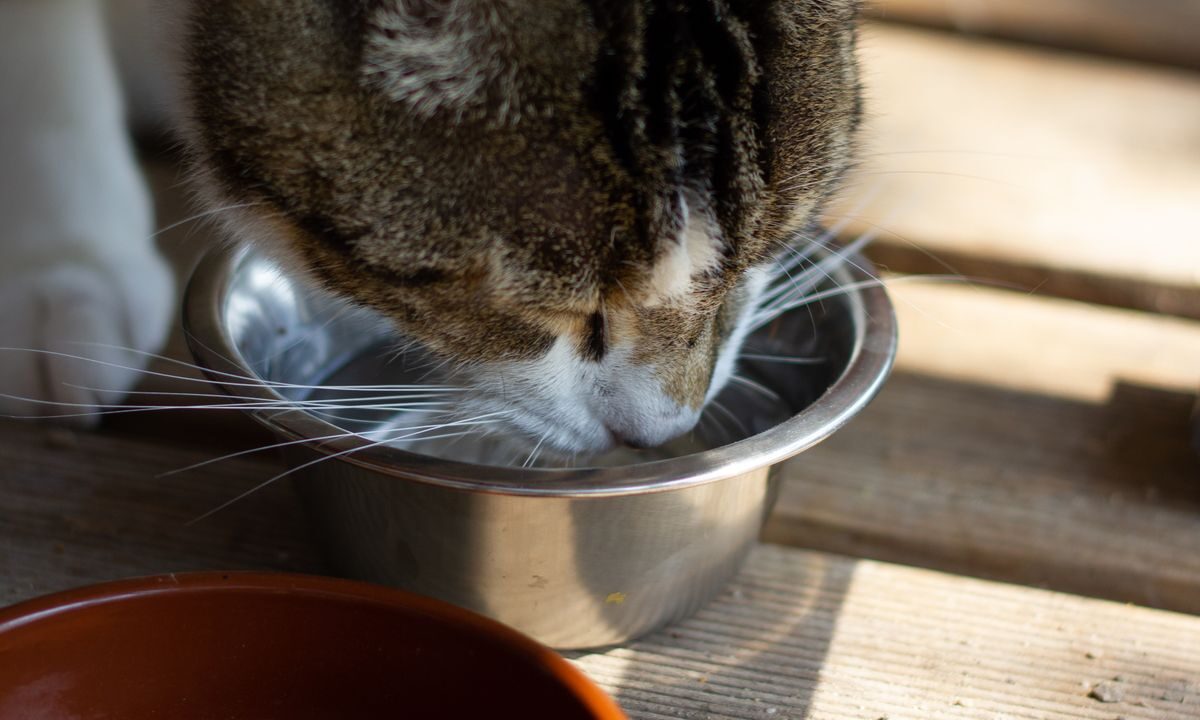
Cats obtain water both by drinking and through food. A cat eating wet food may visit the water bowl less often than a cat eating dry food, which is why bowl observation alone does not tell you total water intake.
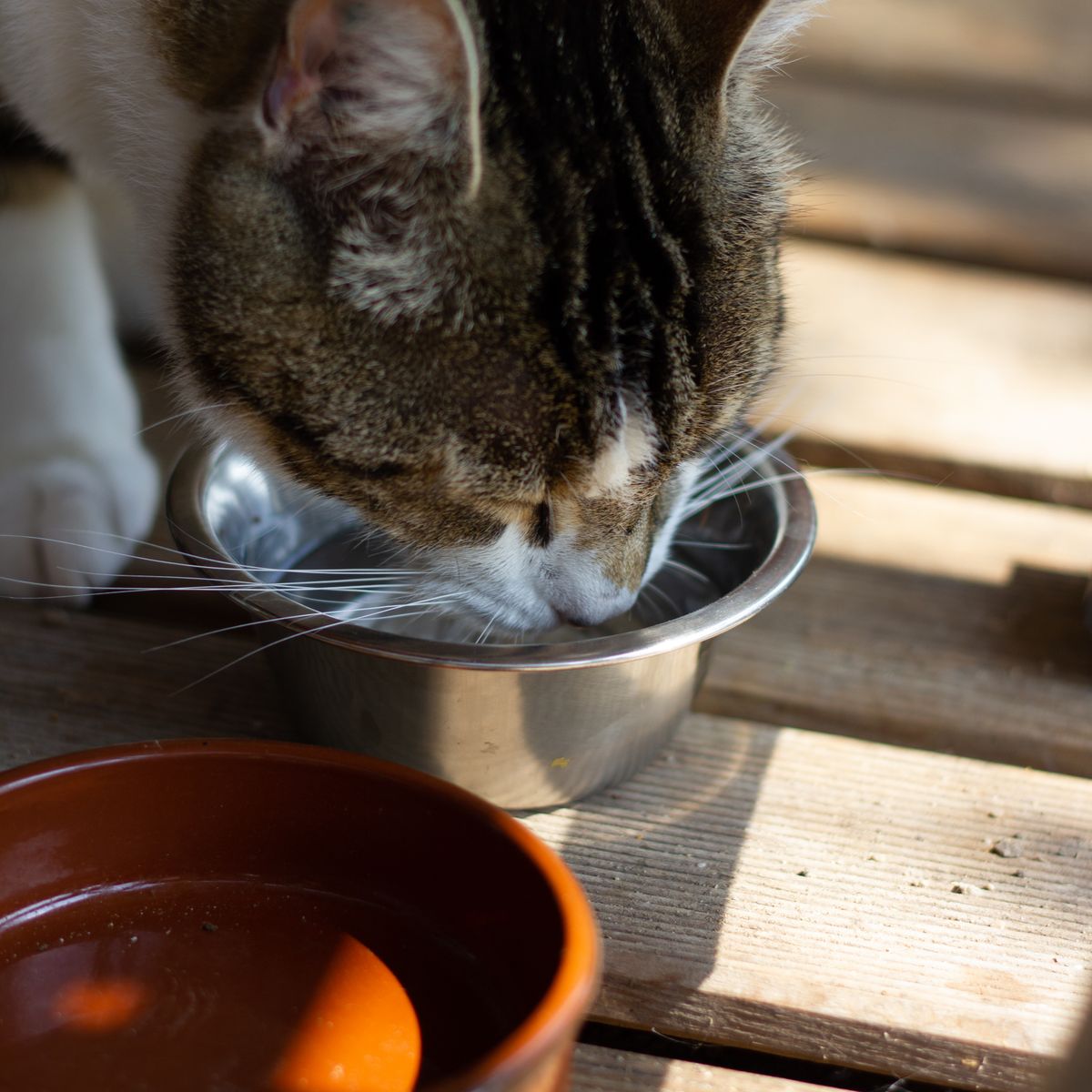
Wet food adds dietary moisture
Cornell Feline Health Center notes that wet cat food can contain up to about 80% water. Moisture in food contributes to total intake, so a cat eating mostly wet food may visit the bowl less than one eating dry food without necessarily being dehydrated. The diet still needs to be complete, balanced and suitable for the cat’s health.
Cornell explains that cats obtain water both by drinking and from food. Compare your cat’s own pattern; bowl visits alone are not a measurement of total hydration.
Offer fresh water in several places
Offer fresh water in separate quiet locations, away from noisy appliances and busy routes. In multi-cat homes, avoid placing every bowl in one narrow hallway or beside a resource one cat controls. Some cats prefer water away from food and others favor a familiar feeding area. Try an additional station rather than abruptly changing every location.
Try bowl shapes and locations
Some cats prefer wide bowls that do not touch the whiskers; others care more about distance from food or litter. Experiment without making abrupt changes to every station at once.
Fountains help some cats, not all
A fountain is optional: some cats use moving water, while others prefer a still bowl. Choose according to observed use, not marketing. Disassemble and wash the fountain regularly; topping it up alone does not remove biofilm. Our quiet cat water-fountain guide covers noise, cleaning and placement.
Adding water to food
If your cat accepts it, a small amount of water mixed into food can add moisture. Make changes gradually and do not leave heavily diluted food at room temperature for long periods. Ask your veterinarian first if heart disease, kidney disease or another condition requires a particular diet or fluid plan.
Signs of possible dehydration
Dry or tacky gums, weakness, lethargy, poor appetite or sunken eyes can occur with dehydration. Skin tenting is an imperfect home test, particularly in older cats whose skin elasticity has changed. These observations can help you describe a problem, but they do not establish how dehydrated a cat is or replace an examination.
Why dehydration happens
Vomiting, diarrhea, kidney disease, diabetes, hyperthyroidism, fever and reduced intake can all contribute. The important question is often why the cat is dehydrated.
When to call the veterinarian
Contact your veterinarian promptly for weakness, suspected dehydration, repeated vomiting, persistent diarrhea, a large sustained increase in thirst, major urine changes or a cat not eating or drinking. Inability to urinate is an emergency.
For diet selection, see the cat nutrition guide. For urinary warning signs, use the urinary blockage guide; extra water cannot resolve an obstruction.
Measure trends when hydration is medically important
If your veterinarian is monitoring kidney disease, urinary disease or another condition, ask whether body weight, urine output or bloodwork should be tracked. Home water-bowl volume alone is rarely precise because evaporation, spills and multiple pets distort the number.
Use a dated note with food type and amount eaten, water sources refilled, visible spills, litter changes and activity. In a multi-cat home, mark observations you cannot attribute to one cat. This gives the clinic context without pretending a shared bowl measures individual intake.
Ceramic, glass and stainless steel are easier to keep clean
Whichever material you use, wash bowls frequently. Biofilm can build up even when water looks clear, and fountains require regular disassembly and cleaning rather than simple top-ups.
Warm weather and illness can change needs
Heat, fever, vomiting and diarrhea can increase fluid losses. A sick cat that cannot keep water down or is weak may need veterinary fluid therapy. Repeated attempts to persuade it to drink at home should not delay assessment.
Do not flavor water indiscriminately
Tuna water, broth or other flavorings can add salt, calories or unsafe ingredients. If plain water intake is poor, ask your veterinarian which additions are appropriate for that specific cat.
Hydration is one part of urinary care
Increasing moisture may support some urinary plans, but it does not diagnose stones, infection, cystitis or obstruction. Straining, pain or absent urine output still requires veterinary assessment.
A sudden increase in drinking can be important
A sudden rise in drinking or urine-clump size can be a disease clue rather than evidence of better hydration. Kidney disease, diabetes and hyperthyroidism can increase thirst and urine production. Note when the change began and whether appetite, weight or energy changed, then share the pattern with your veterinarian.
A sudden drop in intake matters too
Pain, nausea, weakness, dental disease and illness can reduce drinking. A cat that is not eating much may also be taking in far less water than usual, especially if wet food normally contributes a large part of total intake.
Do not force large amounts of water by syringe
Forcing water into a resistant cat’s mouth can cause stress and carries an aspiration risk if liquid is inhaled. If a cat is not drinking because it is ill, the safer next step is veterinary advice.
A practical hydration checklist
- fresh water available at all times;
- more than one station in multi-cat homes;
- clean bowls or fountain parts;
- note changes in thirst and urine output;
- use wet food or added water only if appropriate for the cat;
- seek help for ongoing vomiting, diarrhea, weakness or poor intake.
0 comments