Save for reference or share with pet sitters
What’s in This Dog Guide
Tip: Click any section to jump directly there.
🔄 Updated: This guide was last reviewed on December 18, 2025 for accuracy.
Breeds Of Pitbulls: The Complete 2025 Guide & Extensive List
The term “Pitbull” is one of the most commonly used—and misunderstood—in the canine world. It is not a single breed but a broad category that encompasses several distinct, purebred dogs and countless popular mixes. This confusion often leads to misinformation about their temperament, needs, and suitability as family pets. Our comprehensive guide cuts through the noise to provide a definitive, expert-backed look at every major Pitbull breed, from the foundational American Pit Bull Terrier to modern designer mixes. We’ll explore their unique histories, key characteristics, and the realities of ownership to help you understand which powerful, loyal companion might be right for your home.
Defining the “Pitbull”: More Than Just One Dog
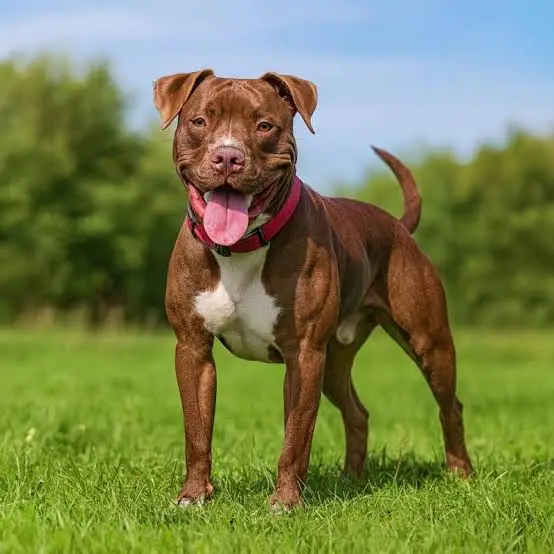
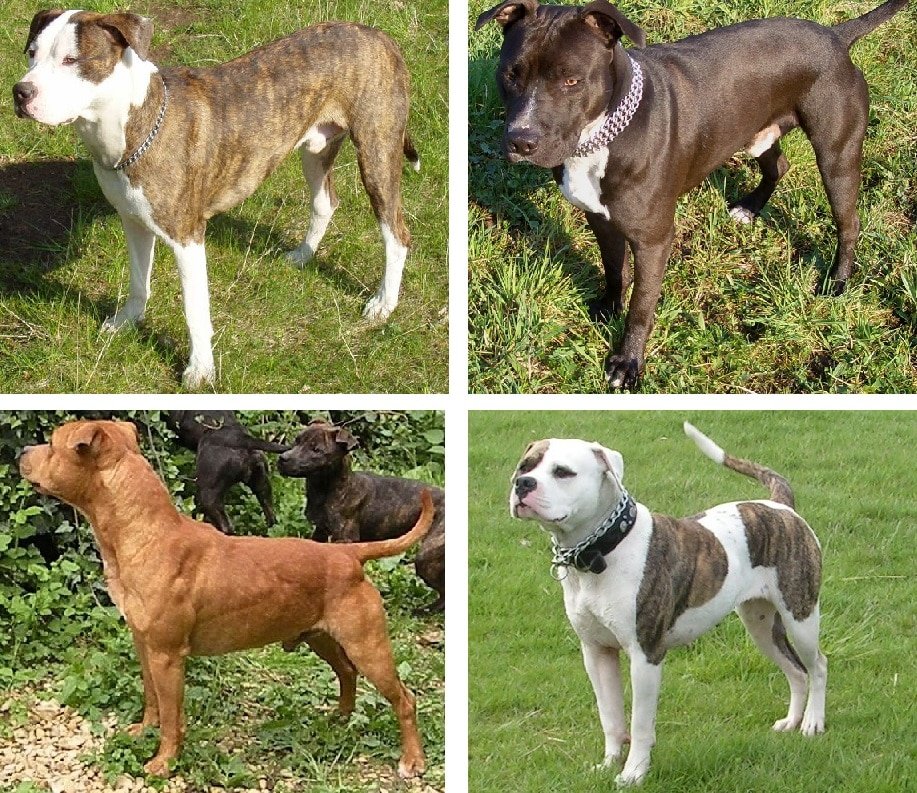
Before listing specific breeds, it’s crucial to understand what “Pitbull” actually means. In a technical sense, it correctly refers to the American Pit Bull Terrier (APBT), a specific breed recognized by the United Kennel Club (UKC). However, in common usage and media, “pitbull” has become an umbrella term for a group of breeds with shared physical traits—a muscular build, broad head, and short coat that descend from original bulldog and terrier crosses.
This group, often called “bully breeds,” includes several separate breeds recognized by major kennel clubs. The core breeds universally accepted as “Pitbull-type” dogs are:
- American Pit Bull Terrier (APBT): The original namesake, known for athleticism and tenacity.
- American Staffordshire Terrier (AmStaff): An AKC-recognized breed closely related to the APBT, often bred for a slightly stockier conformation and show ring.
- Staffordshire Bull Terrier (Staffy): The smaller, English-origin “nanny dog,” beloved for its affection toward people.
- American Bully: A modern breed developed in the 1990s, explicitly bred for a companionable temperament and extreme muscular structure.
Important Clarification: The American Bulldog is a separate, distinct breed and is not included in this core group of four, though it shares some ancestral roots. The American Bully, a modern companion breed, is sometimes incorrectly called the “American Bulldog,” leading to significant confusion.
It’s a myth that these breeds are inherently human-aggressive. When bred responsibly, raised with care, and properly socialized, they are famously loyal, people-oriented companions. However, their strength, energy, and potential for dog selectivity demand responsible, informed ownership. For a deeper look at training these intelligent but strong-willed dogs, see our foundational guide on how to train a dog.
Pitbull-Type Dogs in Society: Statistics & Legislation
Understanding the real-world context is crucial for any prospective owner.
- Population & Identification: Dogs labeled as “pitbull-type” constitute a significant portion of the pet population. Crucially, peer-reviewed research published in The Veterinary Journal found that over 60% of dogs visually identified as pitbull-type shelter dogs had less than 50% DNA from the APBT, AmStaff, or Staffy breeds. This highlights that visual identification is highly unreliable and many “pitbulls” are actually mixed-breed dogs.
- Breed-Specific Legislation (BSL): This is a major factor for owners. Over 12 European countries, as well as numerous cities, counties, and military bases across the U.S., Canada, and Australia, have laws that ban or restrict the ownership of “pitbull-type” dogs. These laws can range from outright bans to mandatory muzzling, sterilization, special insurance, or containment requirements. It is the owner’s absolute responsibility to know and comply with local laws. Advocacy organizations like the American Veterinary Medical Association (AVMA) oppose BSL, citing its ineffectiveness and the importance of individual dog behavior.
- Insurance & Housing: Many homeowners and renters insurance companies maintain breed restrictions lists that include pitbull-type dogs, which can affect your ability to secure coverage or find housing. Always disclose your dog’s breed and check policies thoroughly.
The 4 Core Purebred Pitbull Breeds: A Detailed Comparison
The following table provides a clear, side-by-side breakdown of the four primary purebred Pitbull breeds, highlighting their key distinctions for prospective owners.
| Breed | Recognized By | Size & Build | Key Temperament Traits | Best Suited For |
|---|---|---|---|---|
| American Pit Bull Terrier (APBT) | United Kennel Club (UKC), American Dog Breeders Assoc. (ADBA) | Medium (30-65 lbs). Athletic, agile, with leaner muscle definition. | High-energy, driven, tenacious (“gameness”), eager to please. Requires an experienced owner. | Active singles/couples, experienced handlers, homes with a job/sport for the dog (agility, weight pull). |
| American Staffordshire Terrier (AmStaff) | American Kennel Club (AKC), UKC | Medium-Large (40-70 lbs). Stockier and more powerfully built than the APBT. | Confident, courageous, good-natured, and loyal. Slightly less intense drive than the APBT. | Active families, owners wanting a show-quality purebred, and those who can provide firm, loving leadership. |
| Staffordshire Bull Terrier (Staffy) | AKC, UKC, The Kennel Club (UK) | Small-Medium (24-38 lbs). Compact, “broad-chested,” remarkably strong for size. | Affectionate, courageous, intelligent. Famous “nanny dog” reputation with children. People-focused. | Families with older children, first-time bully breed owners (with dedication), and apartment living (with sufficient exercise). |
| American Bully | UKC, ABKC (American Bully Kennel Club) | Varies by class: Pocket (under 17″), Standard (17″-20″), XL (over 20″). Extremely muscular, broad, heavy-boned. | Bred explicitly for a stable, gentle temperament. Confident, social, lower energy drive. A “companion breed.” | Owners seeking a less energetic, more imposing-looking companion. Requires awareness of potential health issues due to the structure. |
In-Depth Breed Profiles
1. American Pit Bull Terrier (APBT): The Original Athlete
The American Pit Bull Terrier is the foundation of the category. Bred from bulldog and terrier stock in 19th-century Britain for bull-baiting and later as all-purpose farm dogs, they were refined in America. They are not recognized by the AKC but are the cornerstone breed of the UKC.
- Color & “Nose” Variations: They come in all colors and patterns. “Red Nose” and “Blue Nose” are not separate breeds but color variations (coat, nose, eye rims) that result from specific recessive genes. Unfortunately, these lines are often irresponsibly bred for color alone, which can lead to a higher prevalence of skin, immune, and other health issues. Always prioritize health testing over color.
- Reality Check: Their high prey drive and historical “gameness” mean they require extensive socialization, secure containment, and an outlet for their physical and mental energy. They are not a dog for a passive owner.
2. American Staffordshire Terrier (AmStaff): The Show Contender
In the early 20th century, some APBTs were registered with the AKC under the new name “Staffordshire Terrier” (the “American” was added later). While sharing a direct lineage with the APBT, the AmStaff has been selectively bred for decades under the AKC standard, emphasizing a slightly stockier build and a stable temperament suitable for the show ring and family life.
- The Great Debate: Many experts and enthusiasts consider the APBT and AmStaff to be the same breed with different breeding goals—one for performance, one for conformation. The lines can be blurry, but reputable breeders specialize in one or the other.
- Modern Role: They excel as loving family pets, therapy dogs, and in dog sports like obedience and agility, balancing the strength of a Pitbull with a dependable, people-pleasing nature.
3. Staffordshire Bull Terrier: The Charming Compact Companion
Hailing from England, the Staffordshire Bull Terrier is the smallest of the group. Bred for the cruel sport of dogfighting initially, they were later refined into the beloved family companion known today, earning the nickname “nanny dog” for their noted patience and affection with children.
- Size & Spirit: Don’t let their size fool you. They possess immense strength and a bold, courageous spirit packed into a manageable frame. They are intense cuddlers and thrive on being part of all family activities.
- Considerations: They are energetic and require daily exercise and mental stimulation. Their strong attachment can lead to separation anxiety if not managed. For a complete profile, see our dedicated Staffordshire Bull Terrier breed guide.
4. American Bully: The Modern “Companion Bully.”
The American Bully is a distinct 1990s creation, developed primarily from APBT and AmStaff lines, with infusions from other bulldog breeds. The explicit goal was to create a dog with the intimidating presence of a classic bully breed but with an exaggerated, heavy-boned structure and, most importantly, a reliably gentle, stable, and low-drive temperament.
- Controversy & Health: The breed is controversial due to its extreme physical structure (very short muzzle, heavy build), which can lead to breathing difficulties (brachycephalic syndrome), joint problems, and difficulty with natural birth. Prospective owners must seek breeders who prioritize health and longevity over extreme looks.
- Temperament is Key: A well-bred American Bully should be a confident, social, and affectionate companion with minimal dog-to-dog aggression, making them suitable for a wider range of owners than the high-drive APBT.
Popular Pitbull Mixes & Hybrid Breeds
Crossbreeding Pitbull-type dogs with other purebreds has created several popular “designer mixes.” These dogs can inherit any combination of traits from their parents, so predictability varies. Here are some of the most sought-after mixes:
- Bullador / Pitador (Pitbull x Labrador Retriever): Aims to blend the Pitbull’s loyalty with the Lab’s famously biddable and friendly nature. Typically high-energy, intelligent, and food-motivated, making them trainable but requiring lots of activity.
- Pitsky (Pitbull x Siberian Husky): A striking, often high-energy mix that can inherit the Husky’s independence, vocalizations (talking/howling), and stunning blue eyes alongside the Pitbull’s strength. They require immense exercise and a secure yard (Huskies are famed escape artists).
- Pitweiler (Pitbull x Rottweiler): A powerful, intelligent guardian mix. They can be deeply loyal and protective, requiring extensive, early socialization and consistent, confident leadership. Not for novice owners.
- Box-A-Pit / Bullboxer (Pitbull x Boxer): Combines two playful, energetic, and people-oriented breeds. The result is often a clownish, affectionate dog that retains a high energy level well into adulthood and requires active management.
- Chamuco (“Mexican Pitbull”): Not a standardized mix but a term often used for dogs in Mexico that are a complex blend of various bully breeds, sometimes with Mastiff or other influences. They are typically powerful, loyal, and protective farm or guard dogs.
Critical Note on Mixes: Always meet at least one parent (preferably both) to gauge temperament. Reputable rescues and breeders will be transparent about a mix’s origins and challenges. Be wary of breeders selling “rare” or “exotic” mixes at premium prices.
Health, Lifespan & Responsible Breeding: A Proactive Guide
Generally healthy, but prone to certain conditions. Proactive knowledge is key to a long, healthy life for your dog.
Common & Breed-Specific Health Issues
- Shared Concerns: Hip/Elbow Dysplasia, skin allergies (often linked to environmental or food sensitivities), demodectic mange, and certain heart conditions like aortic stenosis.
- American Bully-Specific: Prone to brachycephalic obstructive airway syndrome (BOAS) due to short muzzles, severe hip dysplasia, and eyelid abnormalities.
- Staffordshire Bull Terrier-Specific: Can be prone to hereditary cataracts (HC), L-2-Hydroxyglutaric aciduria (L-2-HGA) (a metabolic disorder), and hereditary calcium oxalate urolithiasis (bladder stones).
- Color-Linked Issues: Dogs from lines bred for “blue” or other dilute coat colors have a higher incidence of Color Dilution Alopecia (hair loss, skin infections). Breeding for the merle pattern, which is disqualified by UKC/ADBA breed standards, is linked to blindness and deafness.
The Responsible Breeder Checklist & External Resources
A reputable breeder is your best defense against genetic health problems. They should:
- Conduct Health Testing: Provide clear documentation from the Orthopedic Foundation for Animals (OFA) or PennHIP for hips/elbows, a cardiac exam from a board-certified veterinary cardiologist, and breed-specific tests (e.g., L-2-HGA for Staffies). You can verify results on the OFA public website.
- Prioritize Temperament: Breed for stable, sound temperaments first, not extreme looks or size.
- Be Transparent: Welcome you to meet the puppy’s parents, ask you detailed questions, offer a health guarantee, and have a lifetime take-back clause.
AVOID backyard breeders and puppy mills advertising “blue,” “rare,” “exotic,” or “XL” dogs as their primary selling points.
Proactive care is vital. Understand the reasons why regular vet visits are crucial for catching issues early. Consider pet insurance early, as many companies will not cover pre-existing conditions.
Essential Considerations for Owning Any Pitbull-Type Dog
Advanced Training, Socialization & Mental Enrichment
All bully breeds are intelligent, but can be strong-willed. Positive reinforcement training is non-negotiable. Harsh methods will damage trust and can provoke defensiveness. Early and ongoing socialization—exposing your puppy positively to a wide variety of people, dogs, sights, and sounds—is critical to developing a well-adjusted adult.
Perhaps the most overlooked skill is teaching a solid “off-switch” or settle command. These energetic dogs must learn to relax calmly in the home. Engaging their minds is as important as physical exercise; consider unique tricks to teach your dog for mental stimulation.
Channel Drives Constructively: These dogs excel when given a job. Excellent outlets include:
- Weight Pull: A sanctioned sport that directly uses their strength and drive. Organizations like the International Weight Pull Association (IWPA) provide rules and events.
- Agility, Nose Work, & Barn Hunt: Fantastic for mental and physical exercise.
- Advanced Obedience & Rally: Builds focus and strengthens the human-animal bond.
Legal, Social & Housing Responsibility
Breed-Specific Legislation (BSL) bans or restricts ownership of “pitbull-type” dogs in many cities, counties, and countries. It is your responsibility to know your local laws. Resources like the Animal Legal & Historical Center can help you research.
Additionally, you represent the breed every time you go out. Responsible ownership—using a leash, ensuring a secure yard (consider the benefits of a wireless dog fence as part of a secure system), cleaning up after your dog, and training for good manners—helps combat negative stereotypes.
Frequently Asked Questions (FAQ)
What is the most accurate list of Pitbull breeds?
The four core, universally acknowledged purebred “Pitbull-type” breeds are the American Pit Bull Terrier, American Staffordshire Terrier, Staffordshire Bull Terrier, and American Bully. The term is also commonly applied to many mixed-breed dogs that share their physical characteristics.
What is the difference between an American Pit Bull Terrier and an American Staffordshire Terrier?
They share a direct common ancestor. The APBT is bred primarily for working ability, temperament, and athleticism (recognized by UKC). The AmStaff is bred to meet the AKC conformation standard, favoring a slightly stockier build and often a more uniform temperament. The lines between well-bred individuals can be very subtle.
Are Pitbulls naturally aggressive?
No. According to the American Temperament Test Society (ATTS), Pitbull-type breeds consistently score at or above average for temperament, often outperforming many popular breeds like Beagles and Cocker Spaniels. Aggression is not a breed trait but is far more influenced by individual genetics, upbringing, training, socialization, and owner responsibility. Human-directed aggression is a severe fault in any reputable breeding line.
Are Pitbulls good with children?
When properly bred, socialized, and supervised, many Pitbull-type breeds have a renowned affinity for people, including children. The Staffordshire Bull Terrier, in particular, has a historical “nanny dog” reputation. However, no dog of any breed should ever be left unsupervised with young children. Children must be taught to interact with dogs respectfully.
How much does a Pitbull puppy cost?
From a reputable breeder, expect to pay:
- American Pit Bull Terrier / AmStaff: $1,000 – $2,500+
- Staffordshire Bull Terrier: $1,500 – $3,000+
- American Bully: $2,000 – $5,000+ (with “XL” or exotic colors demanding higher, often unethical, prices)
Adoption fees from a rescue or shelter typically range from $50 to $400. Be fully prepared for the long-term commitment by understanding the real cost of adopting a pet.
What is the best Pitbull breed for a first-time owner?
The Staffordshire Bull Terrier is often the most recommended for novice owners who are dedicated to training and exercise, due to their smaller size and intensely people-focused nature. An American Bully from a breeder focusing on stable temperament can also be a good fit. First-time owners should generally avoid high-drive working lines of the American Pit Bull Terrier.
What’s the difference between a Staffordshire Bull Terrier and an American Bully?
They are distinct breeds. The Staffordshire Bull Terrier is an older, small-to-medium-sized breed (24-38 lbs) from England, known as the “nanny dog.” The American Bully is a modern breed from the U.S., developed in the 1990s from APBT and AmStaff lines to be a companion. It is larger, with a much more exaggerated, heavily muscled build, and comes in sizes from Pocket to XL. While both can be affectionate, the American Bully is explicitly bred for a calmer, more stable temperament.
Do pitbull-type dogs shed a lot?
They are moderate shedders with short, low-maintenance coats. They shed year-round, with heavier seasonal “blows” typically in spring and fall. Weekly brushing with a rubber curry brush or hound glove can effectively manage loose hair and distribute skin oils.
Can I keep a Staffordshire Bull Terrier in an apartment?
Yes, but with critical caveats. Staffords are intensely people-oriented and can adapt to apartments if and only if their substantial exercise needs are met daily. They require vigorous daily activity (60+ minutes of walking, play sessions) and mental stimulation to prevent restlessness and destructive behaviors. Their strong desire to be with their people also means they are prone to separation anxiety if left alone for long periods.
Are pitbull-type dogs good with other pets?
This is highly individual but requires careful management. Many pitbull-type dogs have a high prey drive and may be dog-selective or same-sex aggressive. Successful cohabitation with other pets is most likely with extensive, positive early socialization, proper introductions, and never leaving them unsupervised together. Many do best as the only pet in the household. Consulting with a professional dog trainer or behaviorist is highly recommended for multi-pet homes.
Why is the American Pit Bull Terrier not recognized by the AKC?
The AKC did not want to be associated with the breed’s historical use in dogfighting. When they chose to recognize a similar type in the 1930s, they registered them as the Staffordshire Terrier (later renamed the American Staffordshire Terrier), creating a separate breed line. This led enthusiasts to form the United Kennel Club (UKC) in 1898 specifically to recognize and register the American Pit Bull Terrier as a performance and working dog.
Final Verdict: A Family of Loyalty, Not a Monolith
The world of Pitbull breeds is rich and diverse. From the agile, driven American Pit Bull Terrier to the compact, affectionate Staffy, and the modern, gentle American Bully, there is a “bully” for many different lifestyles—but not for all. Success lies in choosing the breed whose energy, drive, and needs align with your own and committing to the lifelong responsibility of training, socialization, and advocacy. By looking beyond the stereotype and understanding the individual, you may find one of the most loyal, loving, and rewarding companions the canine world has to offer.