
Natural Dog Food: What the Label Means and How to Compare Diets
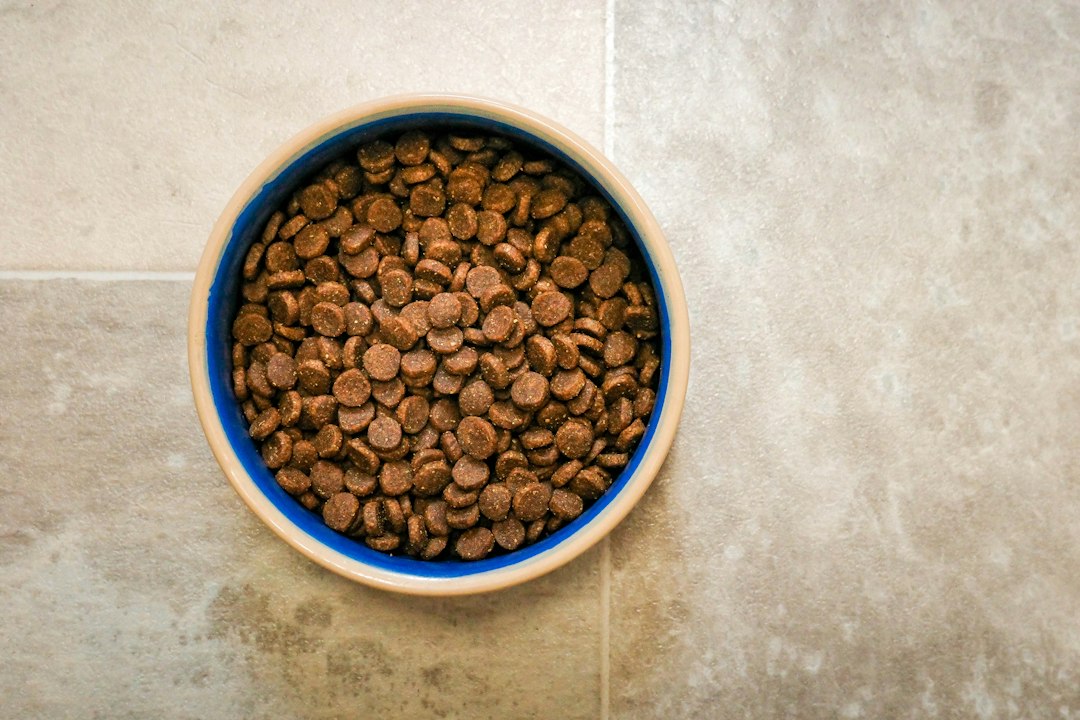
“Natural” sounds like a quality claim, but on dog-food labels it has a narrower meaning than many owners assume. It does not automatically mean safer, healthier, less processed or nutritionally superior.
This guide explains what natural means in pet-food labeling, why natural food can still contain added vitamins and minerals, and how to compare two diets without treating one marketing word as a quality score.

What does “natural” mean on pet food?
AAFCO defines “natural” around the source and processing of feed ingredients. The definition allows ingredients derived from plant, animal or mined sources and permits many physical and heat-processing methods.
Natural does not mean unprocessed
An ingredient can be heated, rendered, purified, extracted, hydrolyzed, enzymatically processed or fermented and still fit the AAFCO natural definition.
So a food labeled natural may still be highly processed in the everyday sense of that word.
Natural does not mean safer
AAFCO explicitly notes that the natural definition is not a statement that natural feeds or ingredients are safer than chemically synthesized ones.
Food safety depends on sourcing, manufacturing, contamination control, storage and handling—not on the presence of the word natural.
Natural does not mean complete and balanced
A food can be natural and still be nutritionally incomplete. Always check the nutritional-adequacy statement first.
Use our dog feeding guide for the complete framework.
Why do natural foods still contain added vitamins and minerals?
Complete diets often need concentrated vitamin and mineral sources to meet nutritional requirements. AAFCO labeling guidance allows qualifying language such as “natural with added vitamins, minerals and trace nutrients” when the base product otherwise fits the natural definition.
Synthetic does not automatically mean harmful
A synthetic vitamin or mineral source can serve a legitimate nutritional purpose. Judging a food as unsafe simply because the ingredient name sounds chemical is not evidence-based.
Natural versus organic
Natural and organic are different claims. Organic labeling is tied to agricultural production standards, while natural focuses more on ingredient source and processing under the feed definition.
Natural versus raw
Natural does not mean raw. A cooked kibble or canned food can use natural ingredients.
Raw feeding also introduces separate food-safety considerations. The FDA warns that raw pet foods can carry higher risk of contamination with pathogens such as Salmonella and Listeria.
Natural versus fresh
Fresh and natural are also different concepts. A refrigerated diet may use ingredients that fit the natural definition, but refrigeration does not make the food nutritionally superior.
See our fresh dog food guide for safety, storage and cost comparisons.
Ingredient lists can still mislead
A list full of recognizable ingredients can look reassuring while telling you little about nutrient balance, digestibility or manufacturer quality control.
Use the finished diet’s adequacy, calories and the company’s formulation expertise as stronger decision points.
Compare manufacturer expertise
The WSAVA nutrition resources encourage owners to ask who formulates the food, what qualified nutrition expertise is available and how quality is controlled.
Natural puppy food
If a puppy food is labeled natural, it still must be appropriate for growth. Large-breed puppies need the correct growth statement.
See our puppy food labels guide.
Natural food for small dogs
Small dogs need calorie precision regardless of ingredient philosophy. A calorie-dense natural food can still cause weight gain.
See our small-dog food guide.
Natural food and allergies
A natural label does not make a food hypoallergenic. Dogs can react to naturally derived proteins just as they can react to other ingredients.
Persistent skin or gastrointestinal signs need a structured diagnostic plan, not simply a switch to “natural.”
Natural food and sensitive stomachs
Digestibility depends on the finished formulation, fat, fiber, protein source and individual dog. A natural label cannot predict tolerance.
Our sensitive-stomach guide explains diet trials and red flags.
Calories still matter
Natural foods can be low or high in calorie density. Measure portions and use body condition rather than assuming a wholesome-looking ingredient panel protects against obesity.
See our body-condition score guide.
Natural foods can still be recalled
Any food can have a manufacturing, contamination or labeling problem. Check current recall information rather than assuming natural foods are exempt from ordinary food-safety risk.
Our dog food safety and brand-evaluation guide explains how to review recalls responsibly.
Price is not proof of quality
Natural positioning often carries a higher price. That can be acceptable if the food fits the dog and household, but price itself does not prove better nutrition.
Use our budget dog food guide to compare cost per day.
How to compare two “natural” foods
- Confirm both are complete for the correct life stage.
- Compare calories and daily portions.
- Review manufacturer expertise and quality control.
- Check current safety information.
- Consider the dog’s health and tolerance.
- Compare cost per day and availability.
Marketing words to separate from nutrition
Terms such as natural, holistic, premium, ancestral and clean can shape owner perception without telling you whether a food is better for a particular dog. Translate every claim into a practical question: what nutrient or safety benefit does this actually provide?
Bottom line
Natural dog food is not automatically safer, less processed or more nutritious. Treat “natural” as a labeling description, then make the real decision from life-stage adequacy, calories, manufacturer expertise, safety, cost and how the individual dog responds.
What “natural” does not tell you about calories
A natural food can be highly calorie-dense, moderate or relatively low in energy. Owners can still overfeed a natural diet. Always check calories per cup, can or gram and adjust from body condition.
Natural labels and preservatives
Preservation is necessary for food safety and shelf stability. A food using permitted natural preservation methods is not automatically safer than one using an approved synthetic preservative. Evaluate the finished product and storage requirements instead of assuming “preservative-free” is always better.
Natural food and environmental claims
Natural labeling is not the same as sustainable sourcing, low environmental impact or ethical production. Those are separate claims that require their own evidence. Do not infer environmental benefits from the word natural alone.
Natural treats are still treats
Single-ingredient or minimally processed treats can still add meaningful calories and may not be complete nutrition. Keep them within the dog’s calorie allowance just like conventional treats.
How to respond to a “chemical-sounding” ingredient
Do not judge safety from the length or familiarity of an ingredient name. Vitamins, minerals and preservatives often have technical names because labels identify specific compounds. Ask what function the ingredient serves and whether it is used appropriately in the complete food.
When natural food may make sense
If an owner prefers a diet that meets the AAFCO natural definition, fits the dog’s life stage, comes from a transparent manufacturer and is affordable long term, it can be a perfectly reasonable choice. The point is not to avoid natural foods—it is to avoid treating the word as proof of superiority.
Natural food still needs ordinary food-safety discipline
Store and handle natural pet food according to the same safety principles as any other diet. Keep dry food cool and dry, refrigerate opened high-moisture food promptly and retain package details in case a product problem or recall occurs.
What “natural” actually means on a dog-food label
The word sounds broad, but AAFCO gives “natural” a specific feed-label meaning. In simple terms, ingredients must come from plant, animal or mined sources and cannot have been produced by certain synthetic processes, apart from limited exceptions such as added vitamins, minerals and trace nutrients.
That definition says something about how an ingredient is sourced or processed. It does not say the finished food is automatically safer, more digestible, more nutritious or better suited to your dog.
“Natural” and “complete and balanced” answer different questions
The front of the bag may emphasize natural ingredients, but the more important nutrition question is whether the food is complete and balanced for the dog’s life stage. AAFCO recommends checking the nutritional adequacy statement because it tells you whether the product is intended to meet the nutritional needs of growth, maintenance, gestation/lactation or all life stages.
A natural treat, topper or supplemental food may be perfectly acceptable for its intended use while still being unsuitable as the main diet.
Do not rank brands from the ingredient list alone
The ingredient list is useful, but it is easy to overread. WSAVA’s nutrition guidance warns that ingredient lists do not reveal ingredient quality or the overall quality of the finished diet. Ingredients are listed by weight before processing, so fresh meat can appear high on the list partly because it contains substantial water.
Instead of treating the first five ingredients as a scorecard, combine the label with manufacturer information, calorie content, life-stage suitability and the dog’s actual response to the diet.
What to look for in a manufacturer
WSAVA’s pet-food selection guidance encourages owners to ask who formulates the food, what qualifications that person holds, how the manufacturer verifies nutrient content and what quality-control systems are used. Those questions are more useful than whether the packaging says “holistic,” “premium” or “ancestral.”
- Who formulates the diets?
- Does the company employ or consult qualified animal-nutrition professionals?
- Where is the food manufactured?
- How are finished products tested?
- Can the company provide typical nutrient and calorie information?
- How does it handle recalls and quality complaints?
Natural does not mean raw
A cooked kibble or canned diet can meet AAFCO’s natural definition. A raw diet can also be marketed as natural, but “natural” does not address microbial safety.
If you are considering raw feeding, discuss food-safety risks and nutritional completeness with your veterinarian. Raw diets can create a different set of concerns from conventional cooked foods, particularly in households with young children, older adults or immunocompromised people.
Natural does not mean grain-free
Grains can appear in natural diets, and grain-free formulas can still contain highly processed ingredients. Grain-free is a formulation choice, not a synonym for higher quality.
If your dog does not have a diagnosed reason to avoid a particular ingredient, there is no benefit in removing it solely because of a marketing category.
Natural does not mean limited ingredient
Limited-ingredient diets are designed around a narrower ingredient list, often to simplify food trials or reduce exposure to certain proteins. That is a different concept from natural labeling.
If your veterinarian is investigating a food reaction, a strict elimination diet usually needs tighter control than simply buying a product that looks “simple” on the front of the bag.
Natural does not mean organic
“Organic” is tied to agricultural production standards. “Natural” under AAFCO has a separate definition. A product can be natural without being organic, and an organic claim does not tell you whether the food is appropriate for your dog’s life stage.
Look at calorie density before comparing portions
Two foods can have very different calories per cup or per can. If you switch from one to another by keeping the same bowl volume, your dog may gain or lose weight even when both foods are nutritionally complete.
Check calories per cup, can, pouch or gram, then adjust based on body condition and veterinary advice rather than package portions alone.
Body condition is the reality check
A food can have an excellent formulation and still be fed in the wrong amount. Watch waist definition, rib coverage, muscle condition and body weight over time.
If the dog gains weight, the daily calorie intake is too high for current needs. If the dog loses weight unexpectedly, do not simply increase food without considering illness, dental disease or another medical cause.
Dogs with medical conditions need a diagnosis-first approach
Kidney disease, pancreatitis, urinary disease, obesity, diabetes and gastrointestinal disorders can all change the ideal nutrient profile. A “natural” retail food should not replace a therapeutic diet chosen for a diagnosed condition merely because the ingredients sound cleaner.
How to compare dry and wet natural diets
Dry food is convenient and usually easier to store after opening. Wet food contributes more moisture and can be easier for some dogs to eat. Neither format is automatically healthier.
Compare nutritional adequacy, calorie density, feeding practicality and the individual dog’s health rather than choosing by format alone.
What about fresh refrigerated or gently cooked foods?
Fresh and gently cooked commercial diets can be appropriate when they are complete and balanced, handled safely and suitable for the dog. The packaging should still provide a nutritional adequacy statement, feeding guidance and storage instructions.
Do not assume that visible pieces of meat and vegetables make a diet nutritionally complete. Micronutrients, fatty acids and mineral balance are not obvious by looking at the bowl.
Home-prepared natural diets need professional formulation
A recipe made from meat, rice and vegetables may look wholesome but can be deficient or unbalanced over time. Long-term home-prepared feeding should be formulated for the individual dog by a veterinarian with advanced nutrition expertise or a board-certified veterinary nutrition specialist.
Be cautious with “human-grade” impressions
Owners often interpret familiar ingredients as evidence of better nutrition. But dogs need nutrients, not a human-style menu. A technically named vitamin or mineral may be present because the finished diet needs it to be complete.
AAFCO’s label guidance is more useful for understanding what required information means than judging a food by whether every ingredient sounds appetizing to a person.
Preservatives have a job
Fat-containing foods can become rancid without appropriate preservation. A diet using naturally derived preservatives is not automatically safer than one using an approved synthetic preservative.
Check storage instructions, keep dry food cool and dry, seal the bag properly and refrigerate opened wet food promptly.
Keep the original packaging information
If there is a recall or quality problem, the lot number and best-before information can matter. If you transfer kibble into a container, keep the original bag or at least photograph the manufacturing details.
Transition gradually
Even when the new diet is well formulated, a sudden switch can cause digestive upset. Move gradually over several days unless your veterinarian gives a different schedule for medical reasons.
If repeated vomiting, diarrhea, blood in stool or appetite loss develops, stop treating the issue as an ordinary transition problem and contact your veterinarian.
A practical natural-dog-food checklist
- Confirm the food is complete and balanced for your dog’s life stage.
- Check calories per feeding unit.
- Understand what the word “natural” does—and does not—mean.
- Look beyond the ingredient list.
- Ask who formulates the diet and how quality is controlled.
- Consider the dog’s health, body condition and activity.
- Measure portions rather than free-pouring.
- Keep treats secondary.
- Store the food correctly.
- Reassess if weight, stool, appetite or coat condition changes.
So which natural dog-food brand is best?
There is no honest universal winner. The better choice is a diet that meets nutritional standards, is produced by a transparent manufacturer, fits your dog’s life stage and medical needs, is affordable enough to feed consistently, and maintains healthy body condition and digestion.
The word “natural” can be one preference in that decision. It should never be the only evidence.
That keeps the decision grounded in nutrition and evidence rather than in one appealing front-of-bag word.
Always compare the complete diet.


0 comments