
Low-Dust Cat Litter: What to Look For and How to Reduce Litter Dust
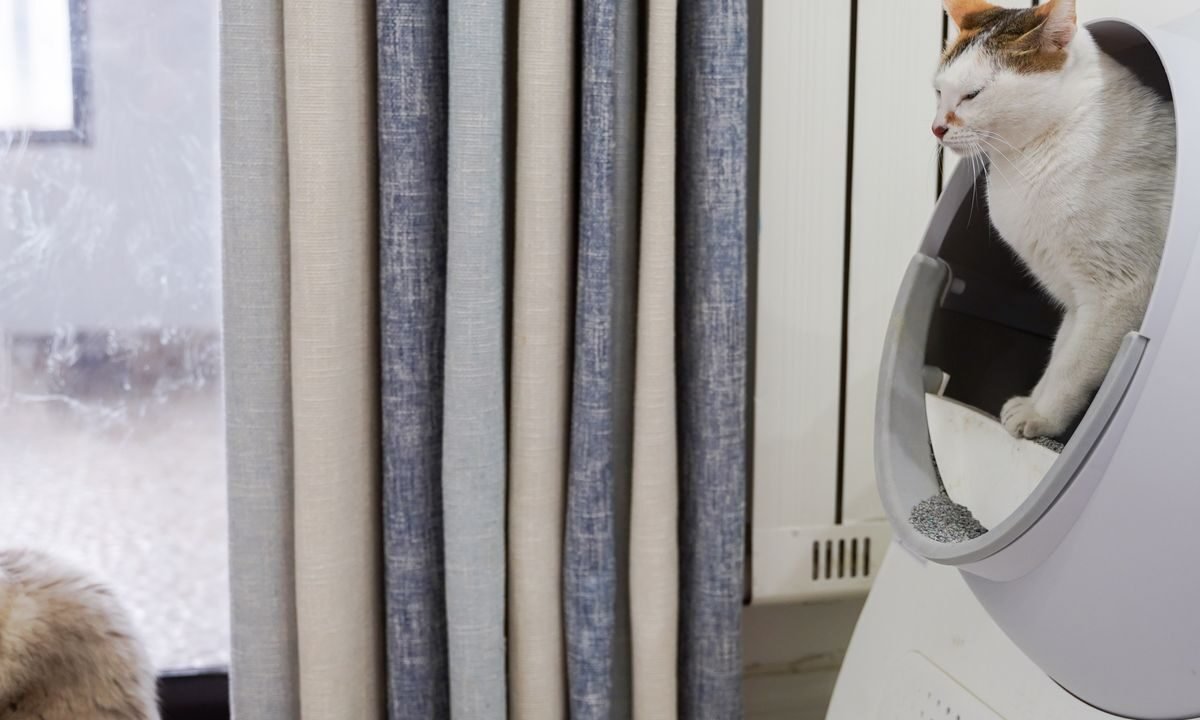
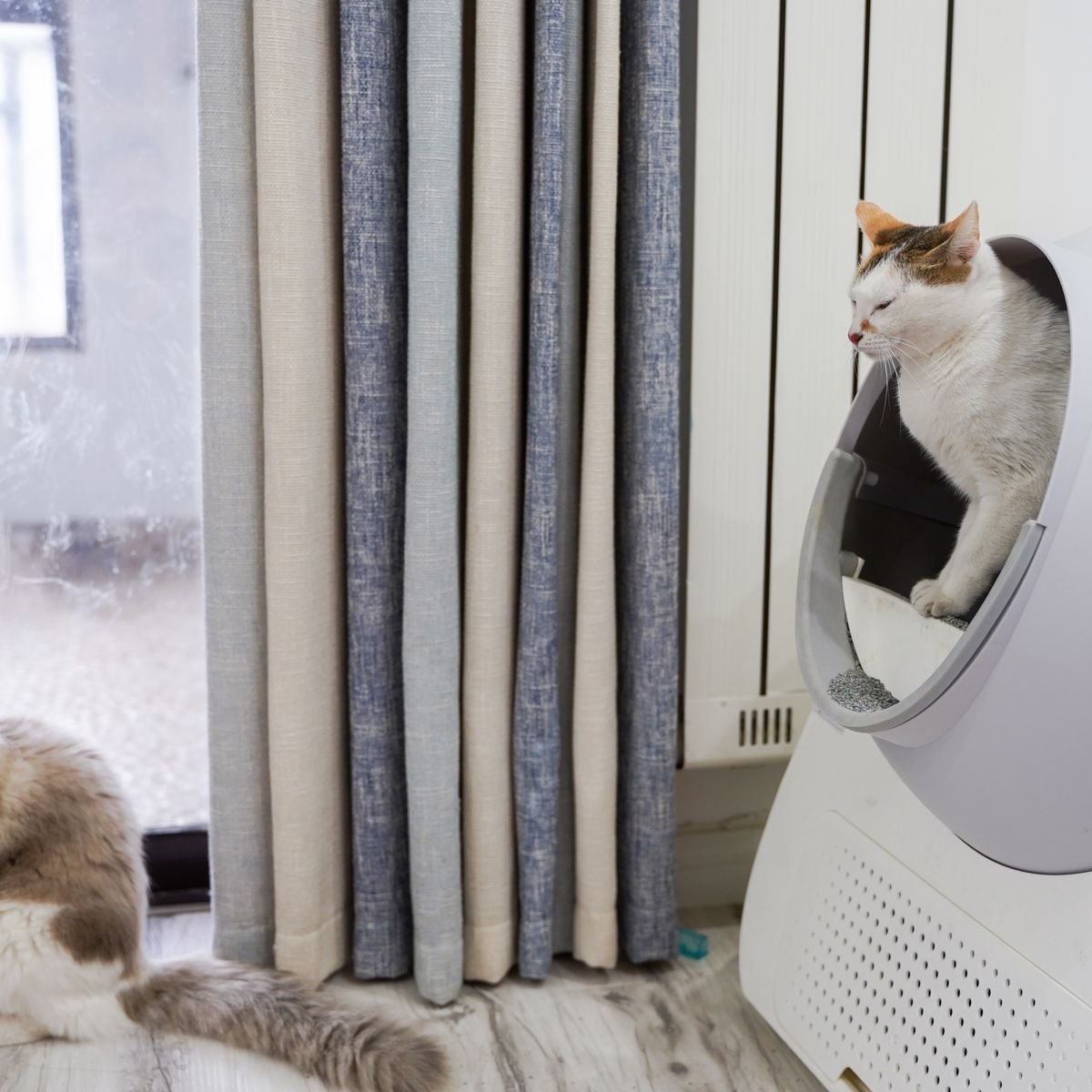
Low-dust cat litter can be useful when a litter tray leaves visible powder on the floor, furniture or in the air every time your cat digs. However, “low dust” on a package is not a complete measure of quality. Your cat still has to like the texture, use the box reliably and tolerate the product’s scent and ingredients.
Look at the litter after normal digging
One of the simplest tests is what happens when your cat actually uses the tray. If each digging session creates a visible cloud, the product may be dustier than you want. Compare brands under the same conditions rather than judging only from the unopened bag.
Low dust does not automatically mean your cat will prefer it
A pellet litter may create less fine powder than some mineral litters, but a cat accustomed to fine particles may dislike the new texture. Our cat litter alternatives guide compares clay, wood, paper, silica and plant-based options without assuming one material suits every cat.
Unscented is often a useful companion feature
Reducing dust while adding strong fragrance can solve one household annoyance and create another for the cat. The ASPCA notes that many cats prefer unscented litter and can develop aversion to a litter’s smell or feel. Their litter-box guidance is useful when evaluating both substrate and setup.
Pour litter slowly rather than from shoulder height
Even a lower-dust product can create airborne particles if the bag is dumped quickly from high above the tray. Pour close to the box and refill gently. This small change can reduce the amount of loose material stirred into the room.
Keep the litter area ventilated without making it drafty
A well-ventilated room is easier to keep fresh, but do not place the tray where a strong fan blows litter around or where the cat feels exposed. The box should still be quiet, accessible and easy to escape from.
Clean around the box before dust builds up
A litter mat and regular vacuuming can stop tracked particles from spreading through the home. Choose a mat your cat is comfortable stepping on. If they leap over it or avoid the box because the surface feels strange, the mat is not helping.
Do not assume every cough or sneeze is caused by litter
If your cat coughs, wheezes, has persistent nasal discharge or seems short of breath, do not keep switching litter and waiting for the problem to disappear. Respiratory signs can have many causes and deserve veterinary assessment. A low-dust litter may be one environmental change, not a diagnosis or treatment.
Change litter gradually if your cat is settled
A sudden full-box switch can lead to refusal even when the new litter seems objectively better. Mix increasing amounts of the new litter with the old over several days, or offer the new type in a second box so your cat can show a preference.
Fine texture and low dust can coexist
You do not necessarily have to choose between a cat-friendly fine texture and a cleaner room. Products vary substantially within the same material category. Cornell’s feline health guidance notes that many cats prefer fine-textured, unscented litter, so use your cat’s behavior as part of the comparison rather than chasing a single package claim.
Monitor the box after any change
Check whether your cat enters normally, digs, covers waste and continues using the tray consistently. If avoidance starts after the change, step back. Our cat litter-box troubleshooting guide covers box size, cleanliness, location, medical causes and substrate preference.
Choose for the cat first and the floor second
A litter that produces almost no dust but is repeatedly rejected is not a successful choice. Aim for a product your cat uses comfortably, with manageable dust and odor for the household. That balance matters more than any single label on the bag.
“Low dust” is not a regulated comfort guarantee
Two products carrying similar claims can behave very differently when poured or scooped. Judge the actual dust cloud, tracking and the cat’s response rather than assuming the front label tells the whole story.
Pouring technique can reduce airborne dust
Pour slowly and close to the tray instead of tipping a bag from height. Avoid shaking the bag over the box or vigorously stirring dry litter while the cat is nearby.
Use an open, ventilated area when practical
An enclosed cabinet can trap dust and odor around the cat. If the box is covered, watch whether the cat hesitates or whether airborne litter becomes more noticeable inside the enclosure.
Respiratory signs deserve more than a litter swap
Sneezing, coughing, wheezing or labored breathing can have many causes. Reducing dust is sensible, but persistent respiratory signs should be assessed rather than managed only by trying different substrates.
Tracking and dust are separate problems
A very fine litter may feel comfortable yet travel on paws. Use a large litter mat and adequate box depth rather than switching to a rougher texture the cat dislikes solely to reduce tracking.
Test one change at a time
If you change litter, box location and box style together, you will not know what caused acceptance or refusal. Keep everything else stable while you test the new substrate.
The best low-dust choice is the one the cat still uses normally
Comfort, reliable toileting and easy maintenance matter together. A lower-dust product is useful only if it does not create a new litter-box problem.
Material alone does not predict dust
Clay, plant-based, paper and silica products can all vary in particle size and manufacturing quality. Compare the actual product rather than assuming one material category is always cleaner.
Storage can affect performance
Keep litter dry and sealed. A damaged or damp bag can break down, clump poorly or create more fine particles during pouring and scooping.
Household cleaning can reduce secondary dust
Vacuum or wipe the area around the box regularly so tracked particles do not become airborne again when people or pets walk through the room.
A large litter mat can also catch particles at the exit. Shake or clean the mat away from the cat so collected dust is not simply redistributed back into the room.
Low dust does not mean fragrance-free
A product can produce little airborne dust while still using strong perfume. Evaluate dust and scent separately because some cats tolerate one but avoid the other.
Fine particles can increase as litter breaks down
A product that seems low-dust when new may create more powder after repeated digging and crushing. Watch how the litter behaves after several days, not only when first poured.
Use ventilation without creating drafts
The litter area should not trap dust in a tiny unventilated cabinet, but the box also should not sit in a cold or noisy airflow that discourages use.
Persistent coughing or wheezing needs medical assessment
Reducing litter dust can remove one irritant, but it should not delay veterinary evaluation of ongoing respiratory signs.
Compare the litter after a week, not after one pour
Notice dust during pouring, scooping and ordinary digging over several days. A product that starts clean but degrades rapidly may not remain low-dust in real use.
Also compare tracking and box acceptance, because a slightly dustier litter the cat uses reliably may still be a better overall choice than a perfectly low-dust product the cat avoids.
0 comments