
Hamster Eye Swollen or Watery: Dust, Injury, Infection and Dental Causes
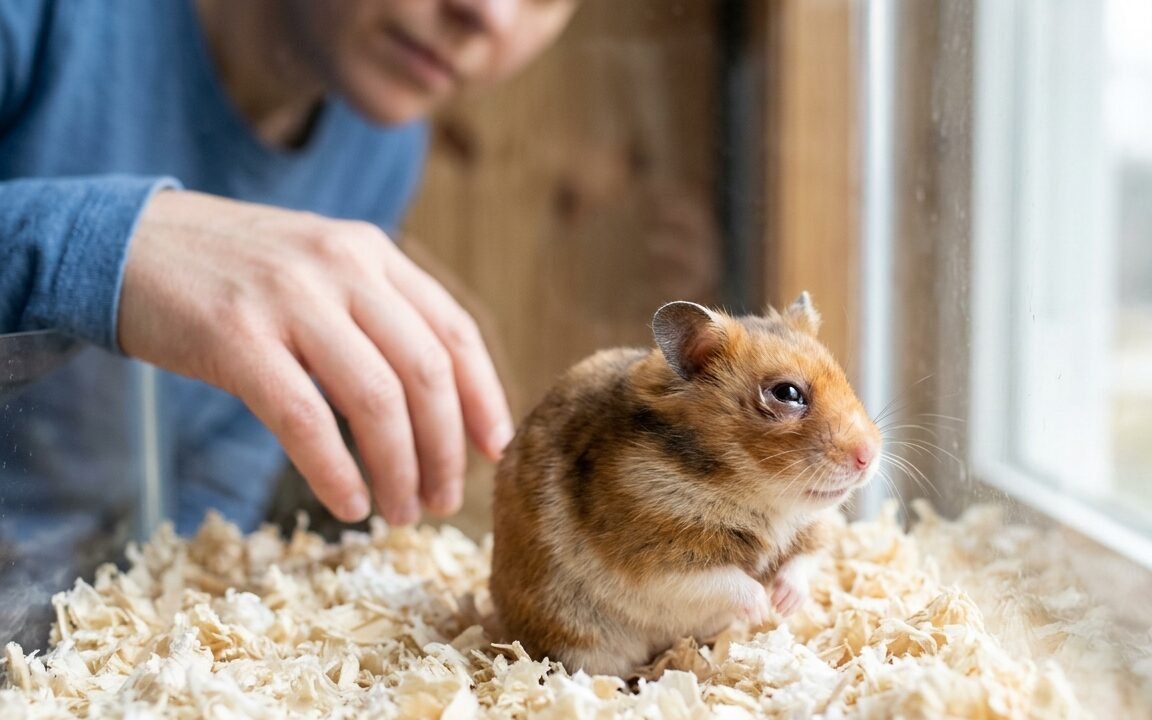
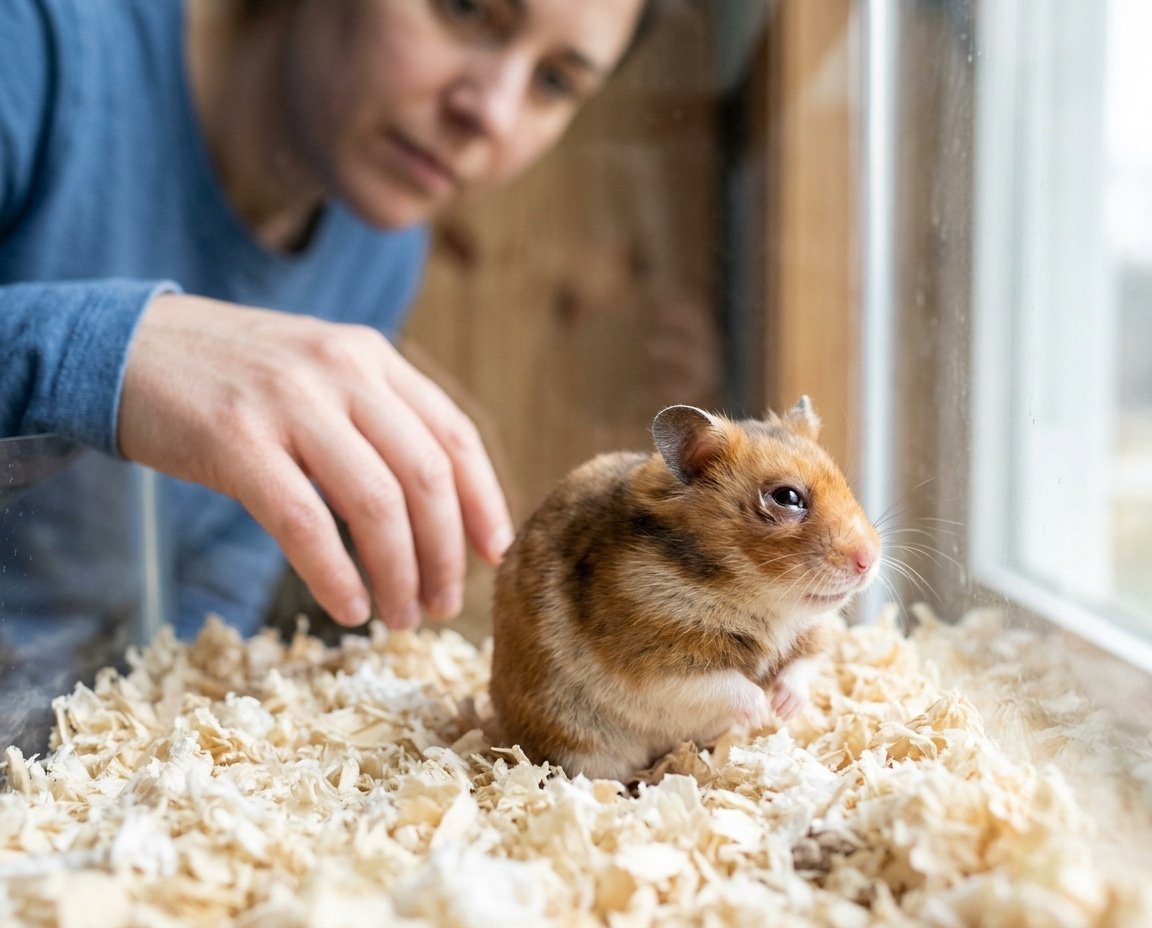
A hamster eye that suddenly looks swollen, watery or stuck partly closed deserves attention. The problem may begin with dust or minor irritation, but eye injuries and infections can worsen quickly—and facial swelling can sometimes be linked to dental disease.
Look before you clean
Check whether the eyelids are swollen, whether discharge is clear or thick, and whether the hamster is rubbing the face. Compare both eyes. Do not force the eyelids apart.
Dust is a plausible irritant
Very dusty bedding, sand or substrate can irritate the eye. If the enclosure is visibly dusty, replace the offending material with a low-dust option while arranging veterinary advice if swelling persists.
Injury can be easy to miss
A sharp piece of bedding, cage furniture or a fall can injure the eye. Squinting, keeping the eye closed or sudden sensitivity around the face is more concerning than a small amount of sleep crust.
Dental disease can show up around the eye
The teeth and face are closely connected. Merck notes that dental problems can contribute to facial swelling and conjunctivitis. Drooling, difficulty chewing or weight loss alongside eye swelling makes a dental cause more suspicious.
Warm water may loosen crusts—but it is not treatment
Merck notes that warm water can help remove crusting. Use a clean damp pad on the surrounding fur, not pressure on the eyeball. Do not use human eye drops unless a veterinarian specifically instructs you to.
A bulging eye is an emergency
If the eyeball appears pushed forward or out of the socket, seek veterinary care immediately. Trauma, infection or rough restraint can cause serious eye displacement.
Watch the rest of the hamster too
Eye problems paired with poor appetite, lethargy, breathing difficulty or weight loss suggest a broader illness. Our hamster pain-signs guide covers other subtle changes worth noting.
Do not keep waiting if swelling is increasing
An eye problem is difficult to diagnose from appearance alone. Veterinary examination may be needed to distinguish irritation from infection, trauma, dental disease or deeper swelling.
The safe home response is limited: remove obvious irritants, keep the enclosure clean, prevent further injury and get veterinary help when the eye remains swollen, painful, closed or abnormal.
Compare both eyes before deciding what changed
Look at the normal eye first. Is the affected eye more closed, wetter, redder or more prominent? Is the swelling in the eyelid or does the eyeball itself look pushed forward? This comparison can help you describe the problem to a veterinarian.
Clear tears and thick discharge are not the same
A small amount of clear moisture may follow mild irritation, while thick white, yellow or green discharge raises more concern for inflammation or infection. Do not try to diagnose the cause from discharge colour alone.
Crust can glue the eyelids together
If dried discharge has sealed the fur around the eye, soften the crust gently with a clean pad dampened with warm water. Do not pull the eyelids apart or rub directly on the eye.
Dust exposure is worth correcting immediately
Replace visibly dusty bedding or bathing material with a low-dust alternative and improve enclosure cleanliness. Environmental correction can reduce irritation, but persistent swelling still needs veterinary assessment.
Check nearby cage furniture
Sharp wooden splinters, broken plastic, wire ends or rough accessories can injure the face. Remove obvious hazards without completely dismantling the enclosure around a stressed hamster.
Scratching can make a minor irritation worse
A hamster with an itchy or painful eye may rub the face repeatedly. That can create additional skin injury around the eyelids. Frequent rubbing is useful information for the vet.
Dental disease can create facial swelling
Roots and oral structures sit close to the tissues of the face. Merck notes that conjunctivitis may accompany facial swelling caused by dental problems. Drooling, trouble chewing and weight loss make this connection more important.
See our hamster dental guide if eating has changed too.
One-sided facial swelling deserves attention
A swollen cheek, jaw or area below the eye may represent dental disease, infection, cheek-pouch trouble or another mass. Do not squeeze the swelling to see what comes out.
A bulging eye is different from a puffy eyelid
If the eyeball itself appears displaced forward, treat that as urgent. Trauma, infection or pressure behind the eye can cause serious damage. Keep handling minimal and arrange veterinary care immediately.
Do not use human eye drops
Redness-relief drops, antibiotic drops left from another pet and steroid eye medications can be inappropriate or harmful. Eye treatment depends on the cause and, in some injuries, the condition of the cornea.
Do not apply essential oils or herbal rinses
Products safe for human skin are not necessarily safe around a hamster’s eye. Keep home care limited to gentle removal of external crust with plain warm water unless a veterinarian directs otherwise.
Appetite and weight tell you whether the problem is staying local
An eye problem plus poor appetite, lethargy or weight loss suggests the hamster may be generally unwell. Track food intake and body weight if handling can be done without distress.
Breathing signs raise the urgency
Eye and nasal discharge together with sneezing, wheezing or fast breathing can accompany respiratory disease. Our hamster breathing guide covers warning signs.
What if the eye is only slightly sticky after sleep?
A small temporary amount of crust can sometimes occur, especially in older hamsters. The important distinction is whether the eye opens normally afterward and whether swelling, discharge or discomfort persists.
When to arrange veterinary care promptly
- the eye stays closed;
- swelling is increasing;
- discharge is persistent or thick;
- the hamster is rubbing the eye repeatedly;
- the eyeball looks bulged or injured;
- there is facial swelling;
- the hamster is not eating or is losing weight;
- breathing or activity has changed.
Transport without contaminating the eye
Use clean familiar bedding in the carrier and avoid dusty substrate. Do not place loose hay or sharp materials near the face during travel.
What information helps the veterinarian
Note when the eye first changed, whether one or both eyes are affected, the type of discharge, any recent fall or cage change, appetite and weight. A clear photo taken without flash close to the eye may help show how quickly swelling has progressed.
Recovery should look progressively more comfortable
If treatment has already started, the hamster should gradually open the eye more normally and show less discharge or swelling according to the vet’s expectations. Worsening swelling, reduced appetite or new breathing signs are reasons to contact the clinic again.
The eye is a delicate structure, and problems that look minor can have different causes. Remove obvious irritants, keep the enclosure clean and seek veterinary help when swelling, pain or discharge does not resolve promptly.
Do not delay because the other eye looks normal
Many injuries and local infections begin on one side. A one-sided problem is not automatically minor. Persistent closure, swelling or discharge from a single eye is enough reason to arrange veterinary assessment.
Recheck the enclosure after treatment
If dust or a sharp object contributed, treatment alone will not prevent recurrence. Replace irritating substrate, remove damaged accessories and keep the enclosure clean so the recovering eye is not exposed to the same problem again.
0 comments