
Guinea Pig Care Guide: Housing, Companionship, Diet and Health
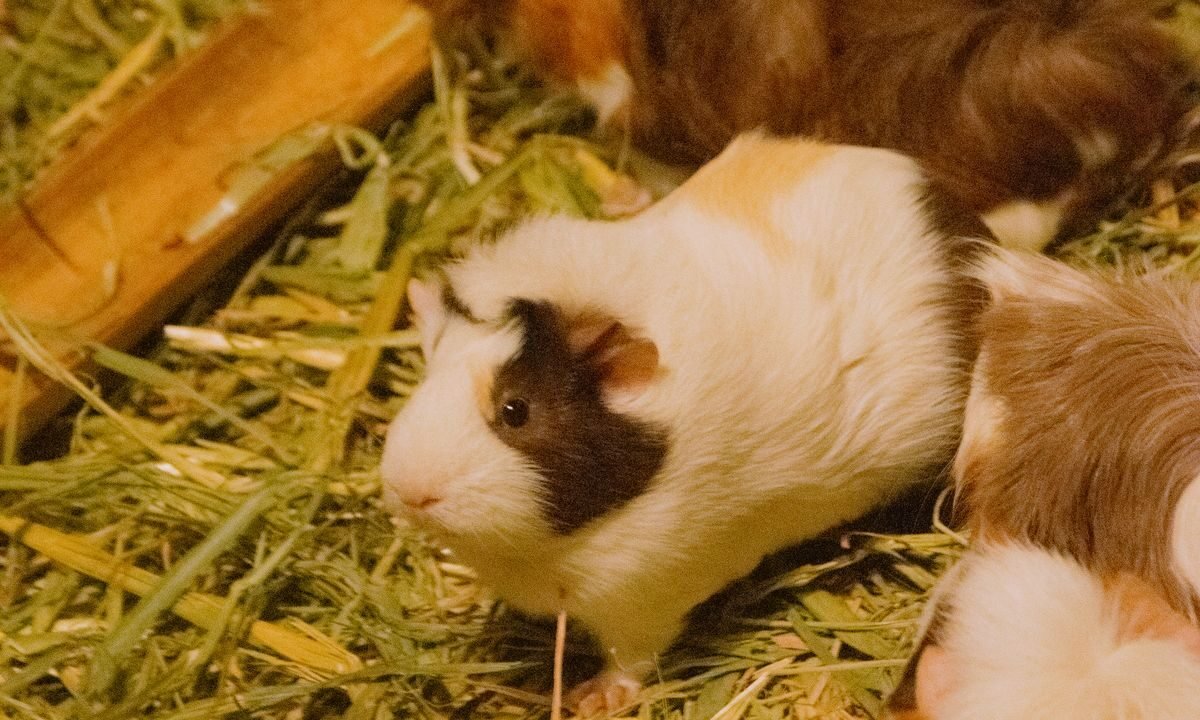
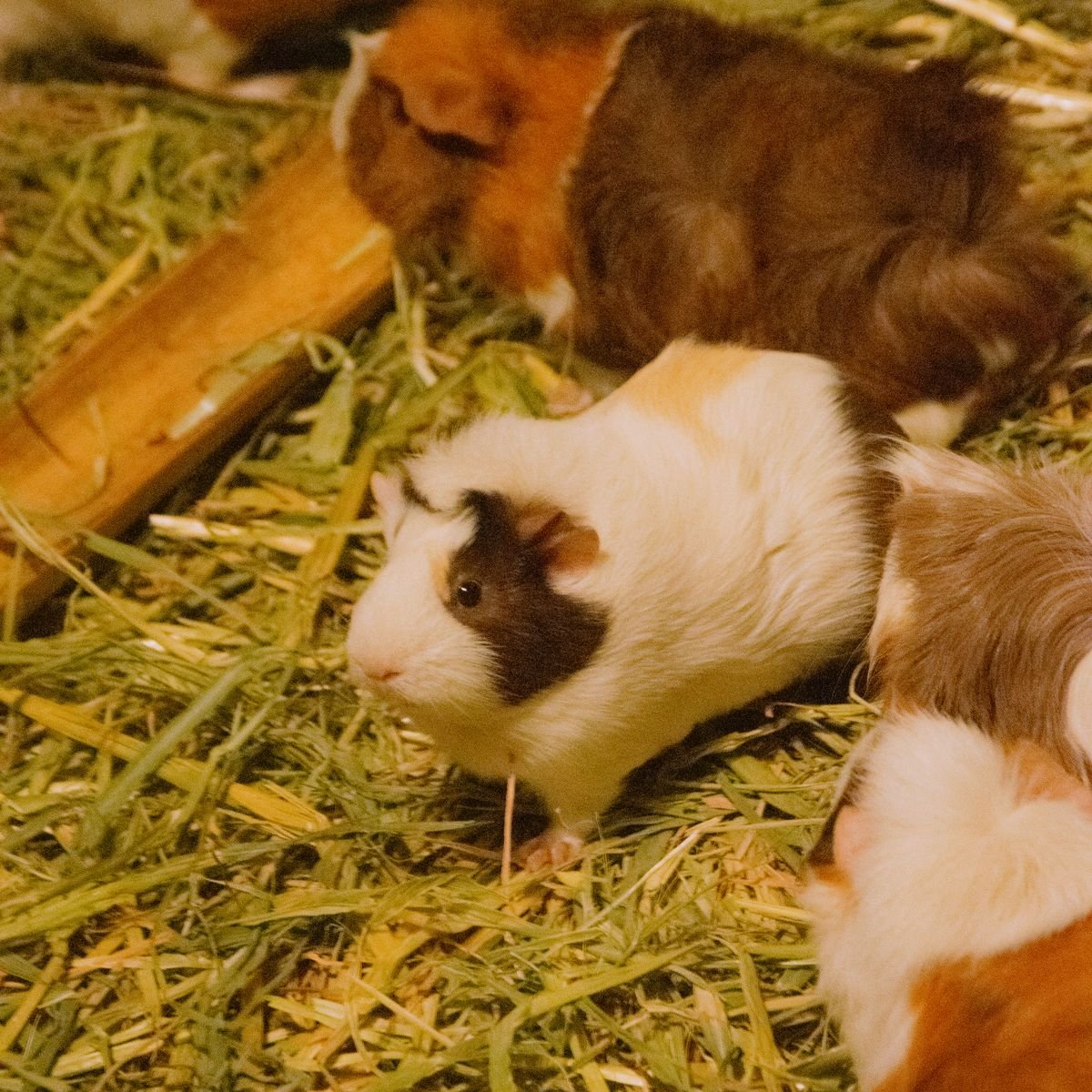
Guinea pigs can be gentle, social pets, but they are not low-maintenance cage animals. They need companionship from other guinea pigs, a large secure living space, constant access to hay, vitamin C in the diet and daily observation because prey animals often hide illness until they are quite unwell.
Guinea pigs need guinea-pig companions
The RSPCA guidance on guinea-pig companionship recommends keeping guinea pigs with at least one friendly guinea pig unless a veterinarian or qualified behavior professional advises otherwise. Human attention does not fully replace communication with their own species.
Choose a large secure enclosure
Guinea pigs need room to run, explore, forage and move away from one another. A small pet-shop cage is often too restrictive for long-term living. The enclosure should have a solid floor, good ventilation and enough height and floor space for normal movement.
Provide more hiding places than guinea pigs
Guinea pigs are prey animals and feel safer when they can retreat. Boxes, tunnels and shelters give them somewhere to hide from noise, people or companions. Having several options reduces competition over one favorite hide.
Keep temperature stable
RSPCA advises protecting guinea pigs from temperature extremes and drafts. Indoor housing should be dry, ventilated and away from radiators, direct sun and cold airflow. Outdoor housing needs extra weather protection and careful seasonal planning.
Hay should be available all the time
Guinea pigs need a high-fiber diet because their teeth grow continuously and their digestive systems depend on constant fiber intake. Fresh feeding hay or grass should form most of the diet and remain available day and night.
Vitamin C is essential
Unlike many mammals, guinea pigs cannot make their own vitamin C. They need it from an appropriate diet that combines constant hay access, suitable pellets and fresh foods that contribute vitamin C.
Fresh water must always be available
Use a clean bottle or bowl that the guinea pigs can access reliably. Check bottles every day because blocked nozzles can make a full bottle look functional when no water is actually coming out.
Clean without removing every familiar scent
Spot-clean wet or dirty areas daily and perform a more thorough clean regularly. RSPCA advises cleaning often enough to keep housing hygienic while avoiding unnecessary repeated disturbance.
Use safe bedding
Choose dry, absorbent and low-dust material suitable for guinea pigs. Avoid fluffy cotton-style nesting products that can tangle around limbs, and avoid materials that are sharp, strongly scented or unsafe to chew.
Approach from the front and support the body
Guinea pigs can be startled when hands descend from above because many natural predators attack from the air. Approach calmly at a lower level and support both the chest and hindquarters when lifting.
Give them daily enrichment
Cardboard boxes, tunnels, hay piles, safe chew items and scattered food can encourage exploration and foraging. Rotate some enrichment rather than leaving the same objects in place indefinitely.
Watch eating and droppings closely
A guinea pig that stops eating, produces far fewer droppings, becomes very quiet, struggles to breathe or appears bloated needs prompt veterinary attention. Gut slowdown can become serious quickly in small herbivores.
Check teeth, feet and weight
Monitor body weight regularly and watch for drooling, difficulty eating, overgrown nails, sore feet, skin changes or a dirty rear end. Small changes can be easier to catch if you know each guinea pig’s normal appearance and behavior.
Prepare for emergencies before they happen
Keep a secure carrier, veterinary contact details and basic supplies ready. Our pet emergency go-bag guide explains what owners can prepare for small pets as well as dogs, cats and birds.
Use a simple daily care checklist
Check hay, water, bedding, hiding areas and enclosure cleanliness at the same time each day. A short routine makes it easier to notice when something in the environment has changed or needs attention.
Keep duplicate resources in shared housing
More than one hay area, hide and water point can reduce crowding in pairs or groups. This gives each guinea pig more choice about where to eat, rest and move away from a companion.
Good guinea pig care is social as well as practical
Good guinea pig care is built around companionship, space, hay, vitamin C, clean housing and careful daily observation. If you meet those needs consistently, guinea pigs have far more opportunity to express normal behavior and stay healthy.
0 comments