
Guinea Pig Bedding Alternatives: Paper, Hay, Vet Bedding and Safe Floor Systems Compared
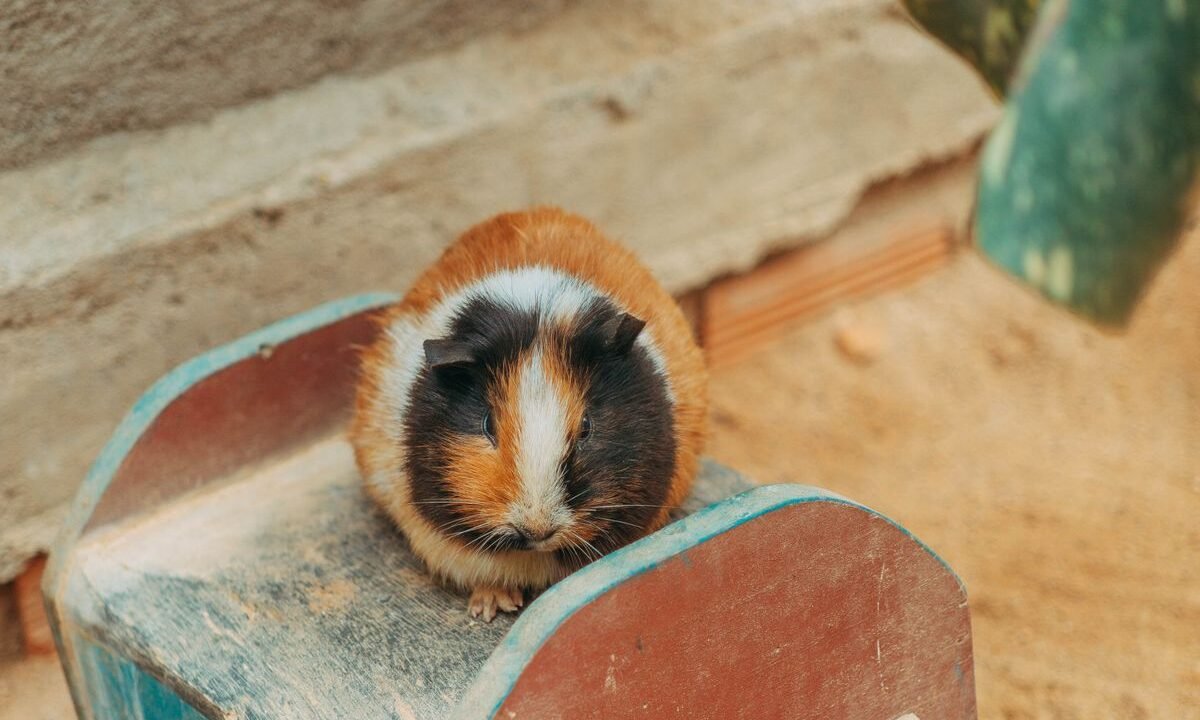
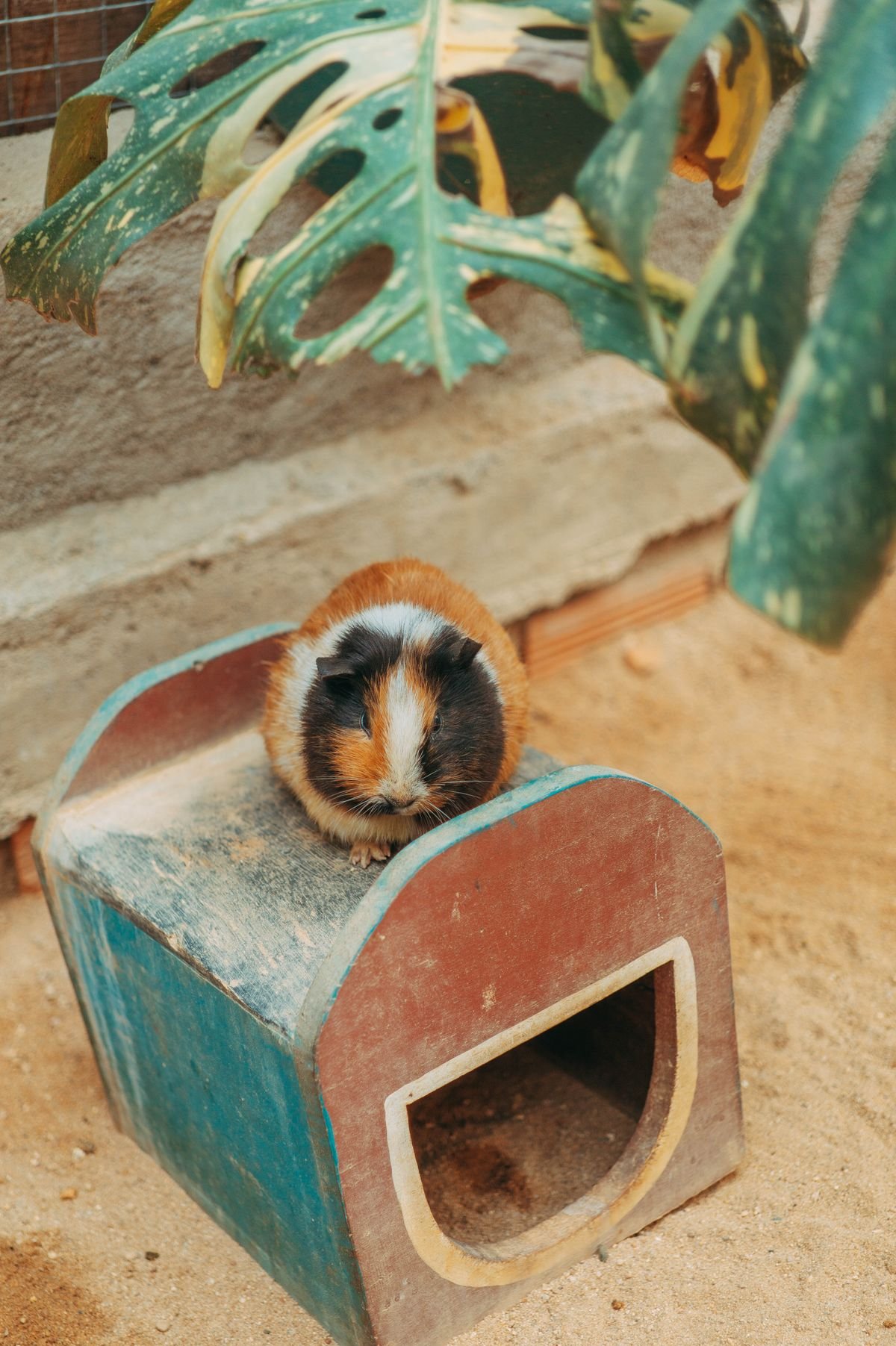
Guinea pig bedding alternatives are useful when one bedding is too dusty, too expensive, difficult to source or simply does not stay dry in your enclosure. Guinea pigs spend almost all of their time close to the floor, so bedding is not decoration. It affects foot comfort, skin moisture, respiratory exposure, odor and how practical daily cleaning becomes. No single material wins for every home, but several systems can work well when they are kept dry and maintained properly.
Hay can be bedding as well as food
Blue Cross describes hay as an excellent bedding material because it is soft, allows guinea pigs to burrow underneath and is already central to the diet. If you use hay as bedding, provide enough clean eating hay separately or refresh frequently so animals are not forced to eat soiled material.
Hay alone is not always absorbent enough
Hay provides warmth and softness but does not absorb urine as efficiently as paper or wood-pulp products. Many owners use an absorbent layer underneath and generous hay above. Wet areas should be removed promptly, especially around water bottles and favorite toilet corners.
Paper-based bedding is a practical low-dust option
Compressed or recycled paper bedding is widely used because it is soft, absorbent and usually available in low-dust forms. PDSA’s small-pet substrate guidance lists several paper or wood-pulp products as suitable options and notes that compressed paper is less dusty and more absorbent than sawdust.
Wood-pulp bedding is different from dusty sawdust
Products made from processed wood pulp can be soft and absorbent without behaving like fine sawdust. Read the label carefully. The useful features are dust extraction, no added fragrance or deodorizing chemicals and suitability for guinea pigs.
Dust-free wood shavings can work, but species guidance matters
The RSPCA says dry, dust-free absorbent wood shavings can be used as floor litter for guinea pigs, supplemented with hay. Blue Cross also allows dust-free shavings but specifically advises avoiding cedar. The safest approach is to choose a clearly labeled untreated guinea-pig-safe product rather than generic aromatic softwood shavings.
Avoid pine and cedar when guidance warns against them
The RSPCA specifically advises against softwood products such as pine in guinea-pig bedding, while Blue Cross warns against cedar. Because product processing varies, do not assume a bag of strongly scented wood shavings is appropriate just because it is sold for small pets.
Vet bedding can work well for indoor guinea pigs
PDSA notes that many indoor guinea-pig keepers use vet bedding, a washable synthetic fleece-like material designed to let urine pass through to an absorbent layer below. It can provide a dry-feeling surface when set up correctly and washed frequently.
Washable bedding is not maintenance-free
Reusable bedding still needs daily removal of droppings and wet hay plus regular laundering. If urine sits underneath too long or the fabric stops wicking properly, the surface can stay damp. Have enough spare bedding to replace the soiled set while laundry dries.
Fleece systems need an absorbent layer underneath
Plain fleece laid directly on a waterproof cage base does not make urine disappear. A proper system needs an absorbent layer below and enough laundering to prevent ammonia buildup. Test whether liquid actually passes through rather than pooling on the fabric.
Straw is not a good guinea pig bedding substitute
Blue Cross and the RSPCA both warn that coarse straw can injure guinea pigs’ delicate eyes. Straw may be used for other livestock, but that does not make it a suitable replacement for soft hay or absorbent bedding in a guinea-pig enclosure.
Never use fluffy fiber nesting products
Cotton-wool-style bedding and other materials that pull into thin strands can wrap around limbs or be swallowed. Both Blue Cross and RSPCA guidance advise against these products. A soft-looking synthetic nest is not safer than ordinary paper or hay.
Pellet substrates can be useful in toilet zones, but check the product
Some low-dust paper or wood-pulp pellets can be highly absorbent in specific areas. Avoid clumping or expanding litters and anything strongly scented. Hard pellets may also be uncomfortable as the only walking surface, so a softer layer or designated toilet area may work better.
The enclosure size changes which bedding system is practical
A large enclosure gives you room to create separate hay, sleeping and toilet zones. In a cramped cage, wet bedding spreads quickly and animals have fewer dry places to rest. Our guinea pig cage setup guide covers floor space, hides, hay and daily comfort together.
Spot cleaning matters with every bedding type
Paper, hay, wood pulp and vet bedding all fail if wet areas are left for days. Remove heavily soiled patches daily, check underneath hides and around drinkers, and deep-clean at a frequency appropriate for the enclosure size and number of guinea pigs.
Foot health tells you whether the surface is working
Red feet, sore hocks, urine scald or persistent damp fur around the underside can mean the bedding system is not staying dry enough or the enclosure needs more frequent cleaning. A veterinarian should assess skin sores rather than simply changing bedding and waiting.
Keep eating hay abundant even if bedding changes
Our how much hay guinea pigs need guide explains why hay should remain available at all times. Switching to paper or washable bedding does not reduce the animal’s nutritional need for constant hay access.
Choose the system you can keep consistently dry
For many homes, a low-dust paper or wood-pulp bedding with generous hay is simple and effective. Washable vet bedding can work well indoors when maintained properly. The best alternative is the one that protects the guinea pig’s feet and airways while fitting a cleaning routine you can sustain every day.
0 comments