
Guinea Pig Cage Setup for Beginners: Space, Flooring, Hides, Hay and Daily Comfort
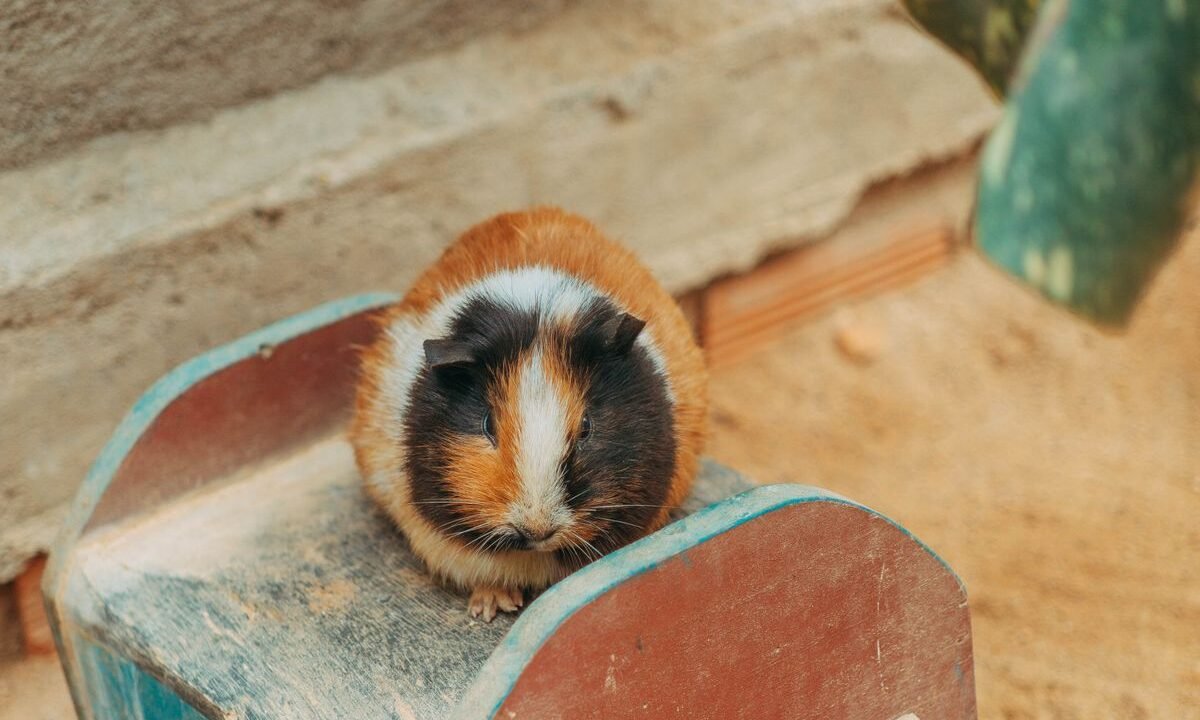
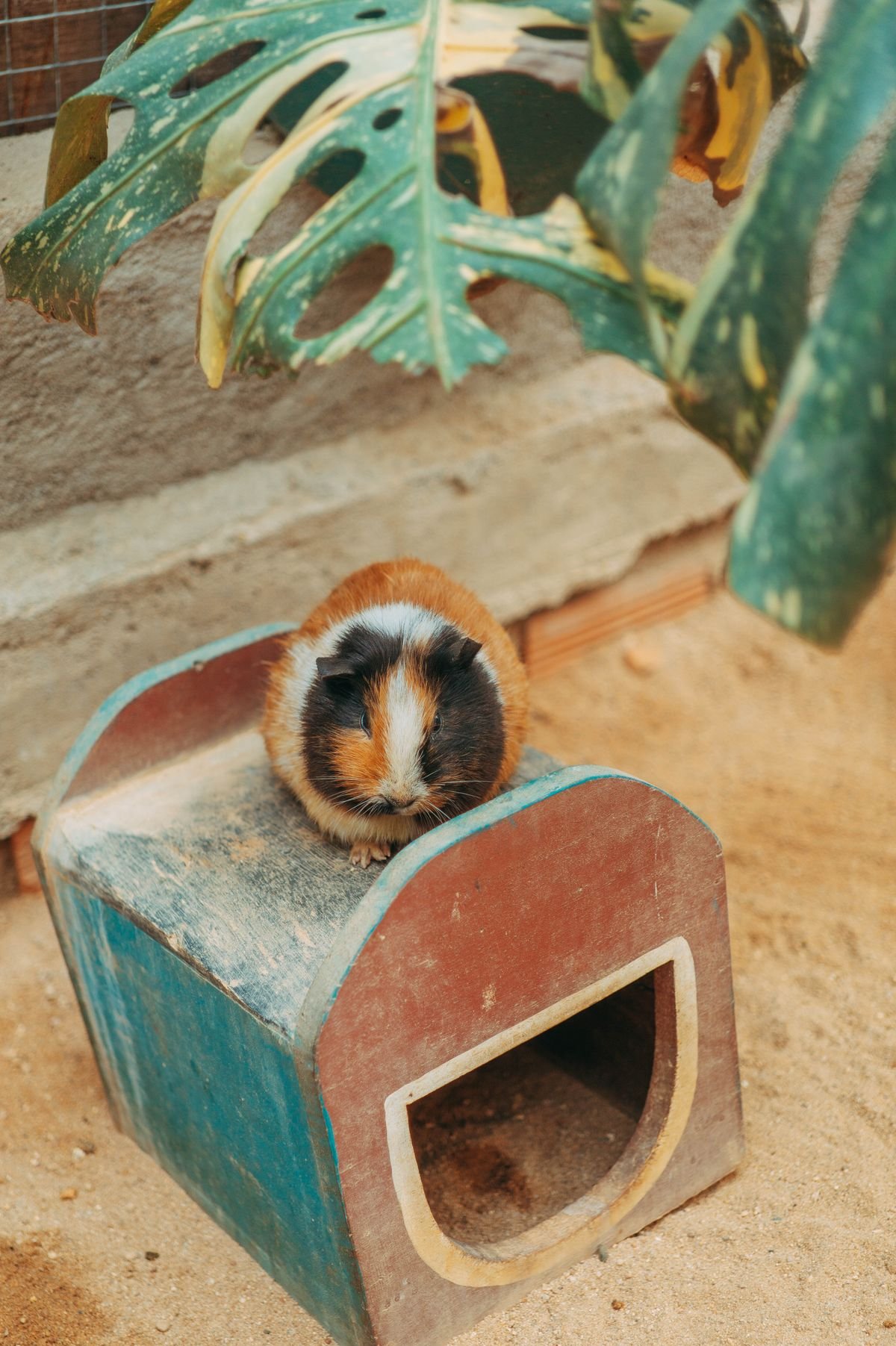
A good guinea pig cage setup for beginners starts with floor space, not accessories. Guinea pigs are social, ground-dwelling animals that need room to move, hide, forage and rest alongside compatible guinea pig companions. A tiny decorative cage with several levels may look elaborate but still provide less useful space than a wide, simple enclosure with a solid floor.
Plan for more than one guinea pig
Guinea pigs are social animals and generally should not live alone without a specific welfare or veterinary reason. The RSPCA’s guinea pig housing guidance lists a social group as part of appropriate living conditions. Housing therefore needs to be planned around the number and compatibility of guinea pigs, not one small starter cage.
Prioritize horizontal floor space
Guinea pigs have short legs and are not natural climbers. Blue Cross notes that multi-level housing can be difficult for them and that ramps need protective sides if used. A large single-level or mostly level layout gives them more practical room to walk, run and “popcorn.”
Use welfare guidance as a minimum, not a design target
Blue Cross advises a main living area of at least 5 feet by 2 feet when guinea pigs also have access to a separate exercise run, and considerably more indoor space when they do not. The RSPCA emphasizes enough room for exercise and natural movement. Bigger usable floor space usually gives you more flexibility for hides, hay and separate resting zones.
Choose a solid floor
Wire or grid floors can hurt guinea pig feet and do not provide comfortable footing. The RSPCA specifically recommends a solid floor with a good depth of litter. If you use modular C&C-style housing, make sure the base itself is solid and safely covered rather than leaving feet directly on wire.
Use absorbent, low-dust bedding appropriate for guinea pigs
Bedding should keep the surface dry, cushion the feet and avoid irritating dust or strong fragrances. Paper-based products and other guinea-pig-safe options are common choices. Our small animal bedding guide compares materials and explains why species suitability matters more than packaging claims.
Hay should be available all the time
Hay is both a major part of the diet and an activity. Provide constant access to clean, suitable hay in a way that allows comfortable eating without trapping heads or forcing competition. Our guinea pig nutrition guide explains how hay, vitamin C, pellets and vegetables fit together.
Provide several hiding places
Guinea pigs feel vulnerable in open areas and need shelters where they can retreat. The RSPCA recommends secure shelter and notes that boxes and tubes can be useful. In a pair or group, provide multiple hides so one animal cannot control the only safe place.
Hides should have safe entrances and enough room
Avoid tiny decorative houses that trap an animal or create a dead end during social tension. Two-entry hides can reduce the chance that one guinea pig blocks another inside. Check cardboard or chewable items regularly and replace them when wet or heavily soiled.
Keep food and water easy to reach
Use stable bowls where appropriate and reliable water bottles or bowls that the guinea pigs can use comfortably. Check water delivery every day because a bottle can appear full while the nozzle is blocked. In larger groups, more than one water point can reduce competition.
Put the cage somewhere quiet but not isolated
Indoor housing should be dry, well ventilated and away from direct heat, intense sun and draughts. The RSPCA gives 17–20°C as an ideal indoor range in its general housing guidance and warns that guinea pigs cope poorly with temperature extremes and sudden changes.
Protect them from dogs and cats
Even a friendly dog or cat can frighten a guinea pig or cause injury accidentally. The RSPCA advises close supervision around predator species. Do not place an open-topped enclosure where another pet can jump in, and do not assume long familiarity removes the risk.
Add tunnels and foraging areas rather than filling the floor with clutter
Tunnels, hay piles, cardboard boxes and safe chew items provide enrichment, but guinea pigs still need open routes to run. Arrange accessories around the perimeter and leave useful floor space rather than turning the enclosure into an obstacle course.
Spot-clean daily and deep-clean regularly
The RSPCA recommends daily spot cleaning and, on average, a deeper clean at least weekly. The exact frequency depends on enclosure size, bedding and the number of animals. Remove wet areas promptly, especially around hay, water and favorite toilet spots.
Do not make the enclosure smell completely unfamiliar every day
Clean enough to maintain hygiene, but avoid unnecessary constant disruption. When deep cleaning, returning a small amount of clean, familiar-smelling bedding or arranging key hides predictably can make the enclosure less startling, provided the material is dry and sanitary.
Build the cage around daily behavior, not a pet-store photograph
Our complete guinea pig care guide covers companionship, diet and health alongside housing. A useful beginner cage gives guinea pigs enough usable space to walk, forage, hide and live socially every day—not just enough room to fit the accessories sold beside it.
0 comments