
Foods Guinea Pigs Cannot Eat: What to Avoid and What to Offer Instead
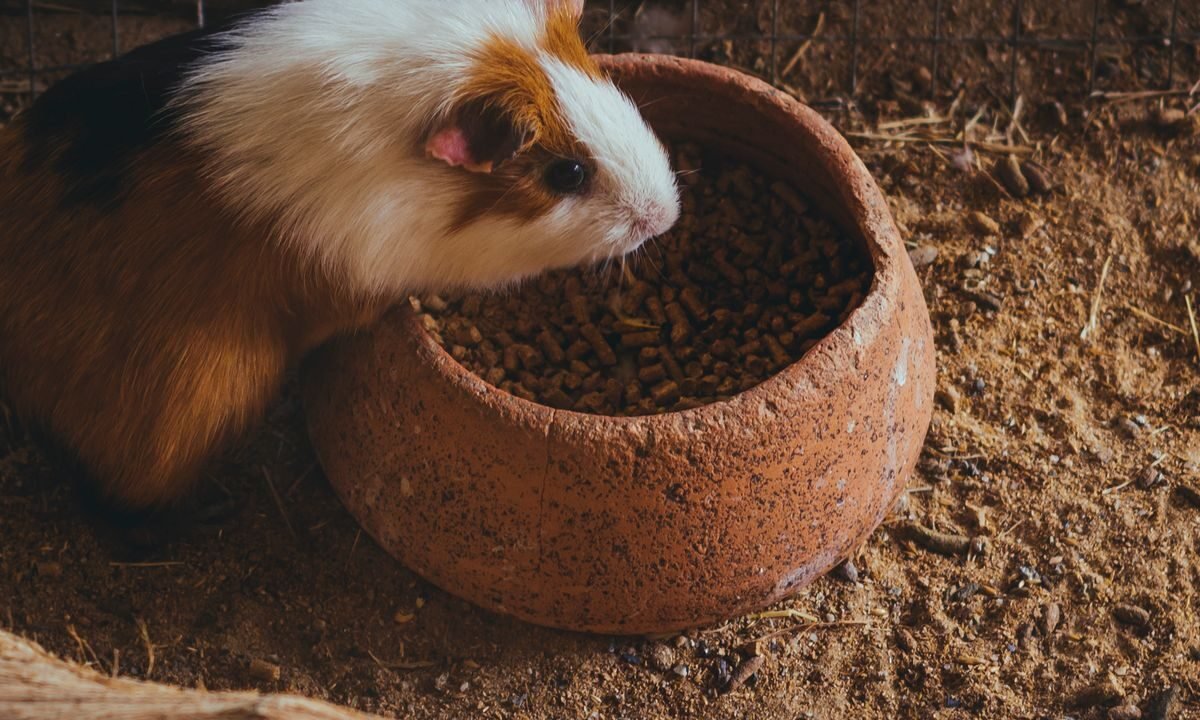
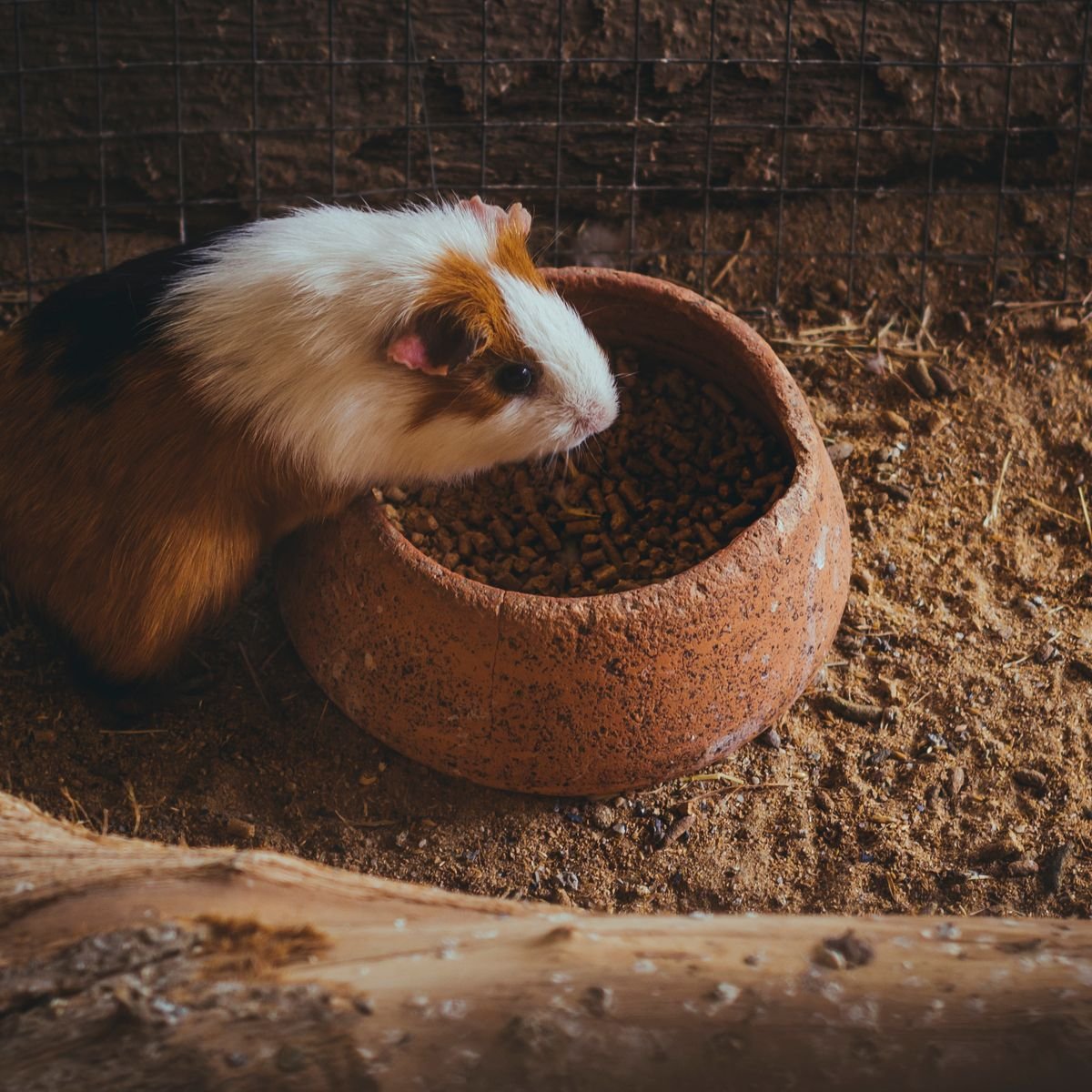
Foods guinea pigs cannot eat are not always obvious. Some items that are harmless to people are unsuitable for guinea pigs because of digestive risk, nutrient imbalance, choking risk or potentially harmful compounds. The safest diet is still built around unlimited good-quality hay or grass, suitable guinea-pig pellets, fresh water and a rotating selection of appropriate vegetables.
Start with the foods welfare organizations specifically tell owners to avoid
Current RSPCA feeding guidance lists iceberg lettuce, potato, garlic, avocado, coconut and citrus fruits among foods guinea pigs should not eat. Its guinea pig diet guide also warns owners never to feed lawnmower clippings because they can make guinea pigs ill.
Avoid potato rather than treating it like an ordinary vegetable
Potato is not a useful guinea-pig food and appears on the RSPCA’s “can’t eat” list. Do not substitute cooked potato, fries or potato peelings either. Guinea pigs need fibrous plant foods that support normal grazing and digestive function, not starchy human side dishes.
Garlic does not belong in a guinea pig diet
Garlic is also listed by the RSPCA as unsuitable. That includes deliberately adding garlic to vegetables or offering leftovers seasoned with garlic. A guinea pig’s diet does not need flavoring, sauces, seasoning or cooked human food.
Avocado is not a healthy “good fat” for guinea pigs
People sometimes assume avocado is acceptable because it is nutritious for humans. The RSPCA advises against feeding it to guinea pigs. Instead of looking for calorie-dense foods, focus on the high-fiber diet their digestive system is built around.
Coconut is also on the avoid list
Coconut is not part of a natural grazing-type guinea-pig diet and the RSPCA lists it among foods not to feed. That includes fresh coconut flesh and sweetened dried coconut snacks.
Do not use citrus fruit as a vitamin C shortcut
Guinea pigs need dietary vitamin C, but that does not mean every vitamin-C-rich fruit is appropriate. The RSPCA lists citrus fruit among foods to avoid and separately recommends safer fresh foods such as bell pepper, cucumber, celery and suitable leafy greens. Our guinea pig nutrition guide explains how hay, vegetables, pellets and vitamin C fit together without relying on fruit.
Iceberg lettuce is mostly water and can upset digestion
Both the RSPCA and Blue Cross advise against iceberg lettuce for guinea pigs. Blue Cross notes that it can cause diarrhoea, while romaine and gem lettuce are considered more suitable options. If you are introducing any new leafy green, do it gradually and watch the droppings.
Never feed lawnmower clippings
Fresh hand-picked grass from a safe, untreated area can be valuable forage, but lawnmower clippings are different. The RSPCA warns that clippings can upset guinea pigs’ digestive systems and make them ill. Mowing crushes and heats plant material, and clippings may also contain contaminated or fermenting material.
Human snacks are not guinea pig treats
Chocolate, biscuits, cake, crisps, bread, sweets and other processed foods do not belong in a guinea pig diet. Even when a food is not acutely poisonous, high sugar, salt, fat or refined starch makes it inappropriate for an animal adapted to constant fibrous grazing.
Dairy, meat and eggs are unnecessary
Guinea pigs are herbivores. They do not need cheese, yogurt, meat, eggs or animal-protein treats. Feeding foods outside their normal herbivorous diet adds risk without providing a welfare benefit.
Do not assume every garden plant is safe
Wild plants and garden cuttings can be difficult to identify correctly and may have been treated with pesticides or other chemicals. Only offer plants you can positively identify as safe, gathered from an uncontaminated area. When in doubt, leave it out.
High-sugar foods should stay occasional even when they are allowed
Some foods are not forbidden but still should not become everyday staples. The RSPCA places carrot, apple, spinach, kale and broccoli in the “small amounts a few times a week” category because sugar or calcium can become excessive. “Safe” does not always mean “feed freely.”
Sudden diet changes can be a problem too
Even a suitable vegetable can cause digestive upset if a guinea pig receives a large amount for the first time. Introduce foods gradually. The RSPCA advises avoiding sudden diet changes and monitoring eating, drinking and droppings closely.
If your guinea pig ate something questionable, identify exactly what and how much
Do not wait for severe symptoms if you think your guinea pig has eaten a harmful food or plant. Contact a guinea-pig-experienced veterinarian and be ready to say what was eaten, approximately how much, when it happened and whether eating or droppings have changed. Do not induce vomiting; guinea pigs cannot vomit normally.
The safest replacement is usually ordinary guinea pig food
If you remove an unsuitable treat, you do not need a fancy substitute. Fresh hay, safe greens and species-appropriate pellets are enough. Our guinea pig cage setup guide also shows how hay can be used as part of foraging and enrichment rather than treating food only as something placed in a bowl.
A simple diet makes mistakes easier to avoid
Guinea pigs thrive on consistency more than novelty. Keep unlimited hay available, use appropriate pellets and safe vegetables, and treat unfamiliar human foods as something to research before feeding—not after.
0 comments