
Foods Ferrets Cannot Eat: Sugary, High-Carb and Other Foods to Keep Off the Menu
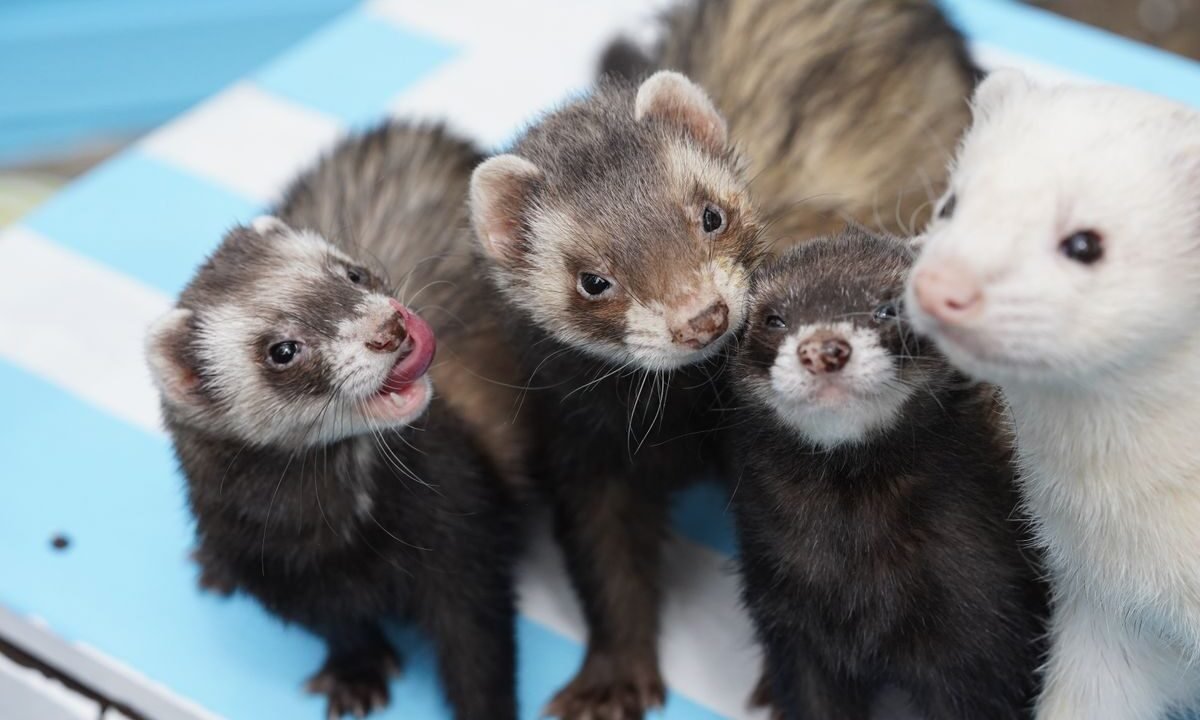
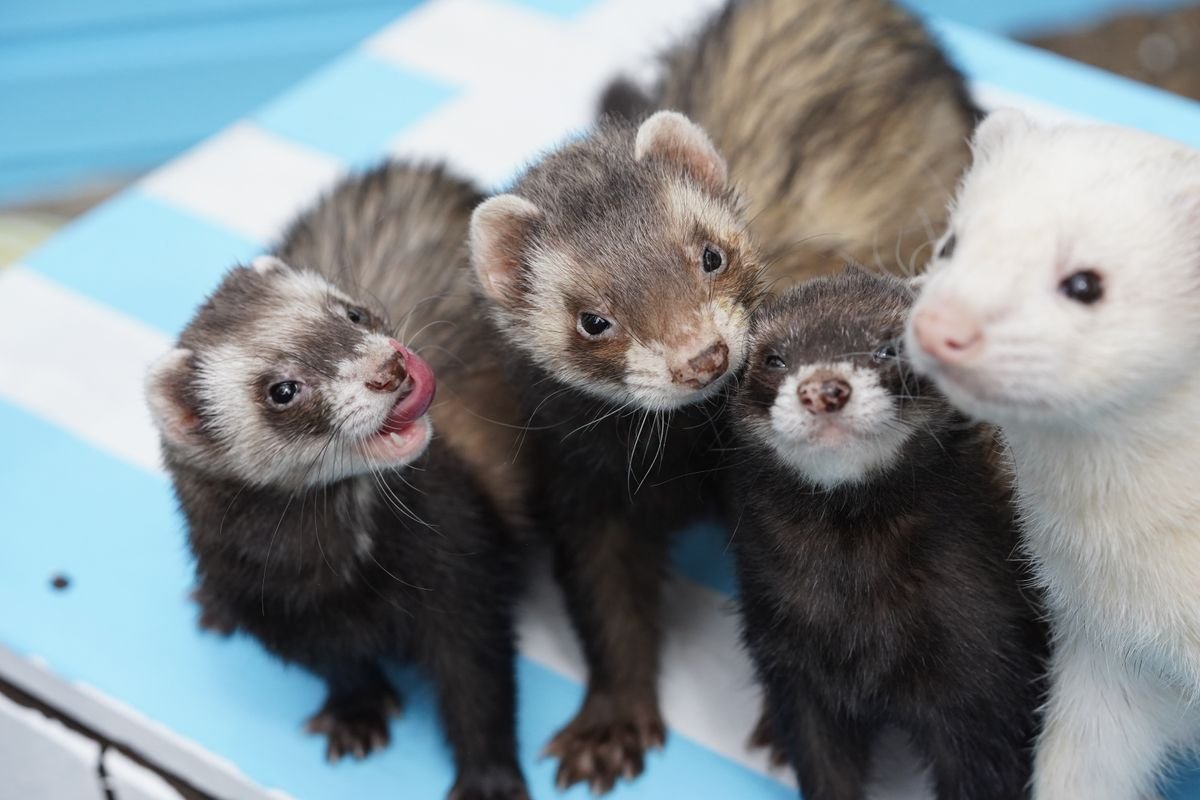
Foods ferrets cannot eat are easier to understand once you remember what a ferret is built to digest. Ferrets are obligate carnivores with a short digestive tract and a high metabolic rate. Their normal diet should be meat-based, high in animal protein, moderate in fat and very low in fiber and carbohydrate. That means many foods people think of as harmless treats—fruit, raisins, milk, sweet snacks and other carbohydrate-heavy foods—are poor choices for ferrets.
Chocolate should stay completely out of reach
Current VCA ferret-feeding guidance explicitly warns that chocolate can be fatal to ferrets. Do not offer chocolate as a treat, and keep baked goods, candy, cocoa products and chocolate-coated snacks where a curious ferret cannot steal them. If you suspect your ferret has eaten chocolate, contact a veterinarian promptly rather than waiting for symptoms.
Avoid sugary foods even when the ferret seems to love them
Ferrets often accept sweet foods, but liking something does not make it appropriate. VCA advises avoiding sweets because they can contribute to diarrhea and unstable blood sugar. Merck Veterinary Manual also warns against sugary foods such as honey, raisins and fruit because ferrets are prone to insulinoma and large carbohydrate loads can trigger rapid insulin release.
Fruit is not a natural everyday food for ferrets
Banana, grapes, raisins, apple and similar fruit may look like a small healthy snack, but ferrets are not built around fruit digestion. Both Merck and VCA place fruit in the group of foods to avoid because of the carbohydrate and sugar load. Use a meat-based reward instead.
Raisins deserve special attention because they are easy to overfeed
A raisin is small enough to look harmless, which makes it tempting as a training reward. It is still concentrated fruit sugar. Ferrets can eat several before an owner realizes how much sugar has been given. Choose a tiny piece of cooked meat or an appropriate ferret treat instead.
Milk and dairy products can upset digestion
VCA advises avoiding dairy products in ferrets, and Merck’s pet-owner guidance similarly says not to feed milk or other dairy foods because they are difficult for ferrets to digest. That includes milk, ice cream, cream and cheese offered as a “special treat.”
Vegetables are not needed in a ferret diet
Ferrets do not need vegetable side dishes. VCA lists vegetables among foods that should be avoided, while Merck emphasizes that the diet should be meat-based and low in fiber. Fibrous plant foods take up stomach space without matching the nutritional profile ferrets require.
High-fiber foods are a poor fit
VCA says ferrets cannot handle diets containing more than about 4% fiber, while Merck recommends an even lower target in formulated diets. That is why cereals, bran-heavy foods and many plant-based snacks are not suitable replacements for proper ferret food.
Bread, biscuits and breakfast cereal are not harmless fillers
These foods are mostly starch and often contain sugar, salt or flavorings. They do not meet a ferret’s protein and fat needs and can displace nutritionally appropriate food. A ferret may steal them enthusiastically, but the behavior does not mean they are safe or useful.
Avoid sugary commercial treats marketed for small pets
Not every product sold near ferret supplies is appropriate for ferrets. Check the ingredient list. If the treat is built around sugar, syrup, fruit, cereal or starch rather than animal-based ingredients, it does not match a carnivore-focused diet.
Do not turn “raw” into a shortcut
Raw feeding requires more planning than handing over uncooked supermarket meat. Merck notes that raw meat-based diets can carry pathogens such as Salmonella and Campylobacter if ingredients are contaminated. A homemade diet also needs correct calcium, vitamins, minerals and organ content. If you want to feed raw or whole prey, plan it with a veterinarian experienced in ferret nutrition.
Cooked meat can work as an occasional reward
VCA lists a small piece of cooked meat as an acceptable occasional treat. Keep it plain—no onion, garlic, sugary glaze, sauce or heavy seasoning. Treats should stay small enough that they do not crowd out the balanced base diet.
A ferret with insulinoma needs individualized feeding advice
Ferrets commonly develop pancreatic tumors that can cause hypoglycemia. If your ferret has been diagnosed with insulinoma, do not try to manage blood sugar by giving sweets unless a veterinarian specifically instructs you during an emergency. Regular diet and medication plans should come from the treating veterinarian.
Watch what housemates leave within reach
Ferrets are good at finding food that was not meant for them. Children’s snacks, dog biscuits, cat treats, fruit bowls and open rubbish bins can all become accidental sources of unsuitable food. Ferret-proofing the feeding area is often easier than trying to supervise every stolen bite.
Use the main diet as your reference point
Our ferret food guide explains the broader protein, fat and carbohydrate needs behind a healthy diet. If a food does not fit that pattern, it should not become a regular part of feeding simply because the ferret will eat it.
If your ferret eats something questionable, identify the item first
Call your veterinarian with the product name, ingredient list, amount eaten, time of exposure and your ferret’s weight if you know it. Do not induce vomiting or use home remedies without veterinary instruction. Our pet poisoning guide explains what information is useful to gather during a possible toxic exposure.
Ferret-safe feeding is intentionally boring
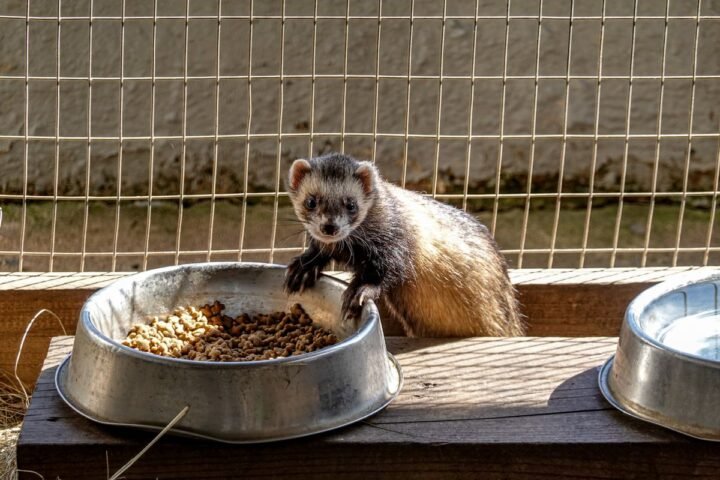
A meat-based complete diet, clean water and a few appropriate animal-based treats may look less exciting than sharing human food. For a ferret’s digestive system, that simplicity is a strength.
0 comments